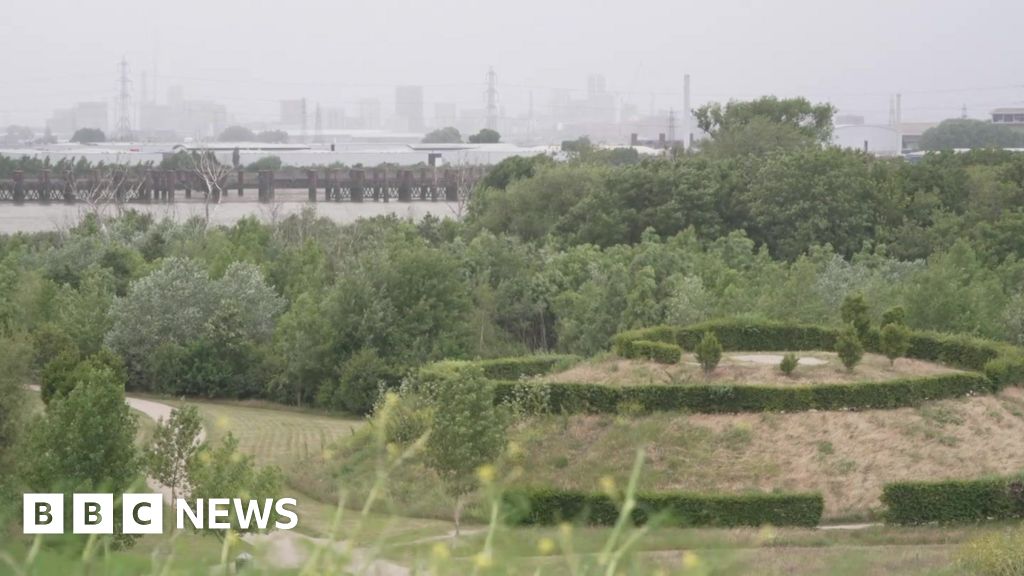
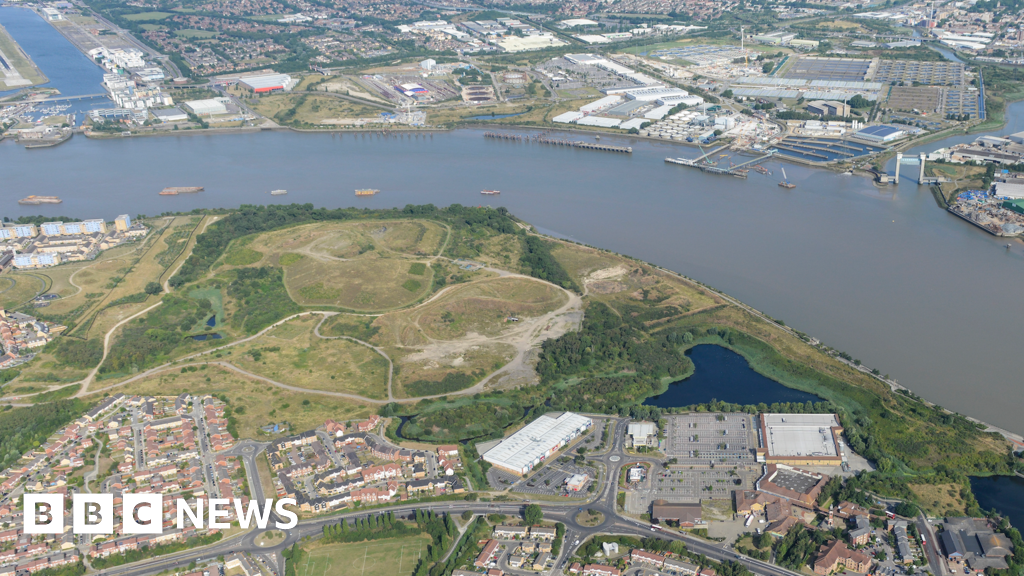
It was not much to look at: acres of industrial wasteland, disused docks and a sorry-looking gothic clock tower, said to be one of only two in the world with six faces. The hands of the Grade II-listed dockers' clock have not moved for years, an all too fitting symbol of time standing still on this part of the Mersey dockland against the rampant regeneration nearby.
London could halve the cost of major new transport projects by adopting a European model of planning and financing, a City Hall report has said. Infrastructure projects in London are often more expensive than in other European cities, with the Jubilee line extension costing 10 times as much per mile compared to a similar project in Madrid. The report, entitled Mind the Funding Gap, called on the mayor and TfL to restart work on Crossrail 2, which was paused after the government stopped funding during the Covid-19 pandemic.
A new UK-first pilot scheme is aiming to create fast and more reliable train wi-fi, using technology originally developed for Formula 1 cars. It will see a train in the Great Western Railway fleet use a hybrid system of both signals from mobile phone masts on the ground and low earth orbit (LEO) satellites in space to create a more reliable connection.
The €43 million cable car project, which is being part-funded by the government as part of its plans for the city, will travel the 1km distance between the airport's terminal one and the neighbouring commune of Vitrolles in six minutes at a height of some 20m above ground, stopping along the way at the entrance to the Airbus Helicopters facility.
The 2026 budget is currently being debated in the lower house of parliament, the Bundestag. The draft was presented by Finance Minister and Vice Chancellor Lars Klingbeil and will be debated for around two months before being voted on at the end of November. The debates will not be easy. Many ministries will have to work with significantly smaller budgets because tax revenues are far from sufficient to cover government spending.
Austria has opened the eighth application period for its "Emissionsfreie Busse und Infrastruktur" (EBIN) program, designed to accelerate the transition of public transport fleets to zero-emission propulsion. The call for proposals is active from yesterday, September 3rd, until October 22, with a total budget of approximately €80 million. The EBIN program provides support for both vehicles and the infrastructure required to operate them.
Particularly since the pandemic, lots of people seem to have forgotten how to behave with common courtesy in public. I've started pulling people up on this kind of behaviour and it's really satisfying, to be honest. However, I think the other issue is a structural one: our public services, particularly transport (outside of London, anyway) are massively degraded. Asking people to respect public spaces, if it's going to work, needs to be a two-way street:
This is exactly the kind of leadership we need from major public bodies to unlock investment in clean energy infrastructure. TfL is helping to bring forward large-scale UK solar - the cheapest and quickest form of new electricity generation.