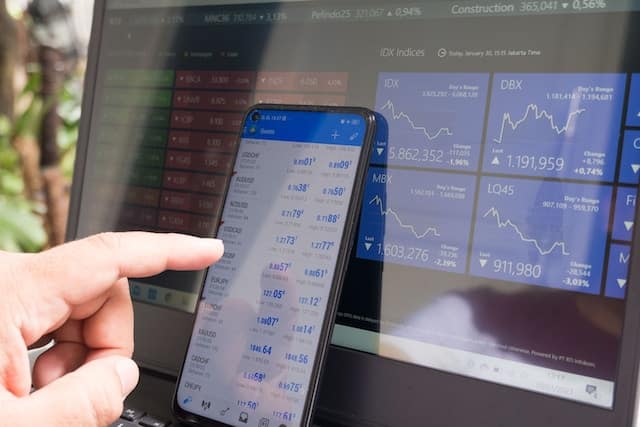
"The primary advantage of forex trading is its exceptional liquidity, which allows traders to enter and exit positions quickly without significant price slippage. Transaction costs are typically lower due to tight bid-ask spreads, especially for major currency pairs. Additionally, forex markets are heavily regulated in most countries, providing traders with better consumer protection. The standardized nature of currency pairs makes it easier to develop consistent trading strategies across different market conditions."
"Disadvantages of forex trading Forex trading is limited to currency pairs, which restricts the range of underlying assets you can trade. The high leverage available in forex (often 50:1 or higher) increases both profit potential and risk, making it suitable primarily for experienced traders. Additionally, geopolitical and macroeconomic events can cause rapid, unpredictable price movements that may lead to substantial losses."
Forex trading involves buying and selling currency pairs to profit from exchange rate fluctuations. Traders speculate on the value of one currency against another, such as EUR/USD or GBP/JPY. The forex market operates 24/5 across major financial centres worldwide and is the largest and most liquid financial market. High liquidity allows rapid entry and exit with limited slippage, and transaction costs are typically lower due to tight bid-ask spreads. Forex markets are heavily regulated in most countries and currency pairs are standardized. CFD trading allows speculation on various underlying assets without owning them and provides access to stocks, indices, commodities, cryptocurrencies, and currencies via a single platform. You profit or lose based on the price difference between opening and closing positions.
Read at London Business News | Londonlovesbusiness.com
Unable to calculate read time
Collection
[
|
...
]