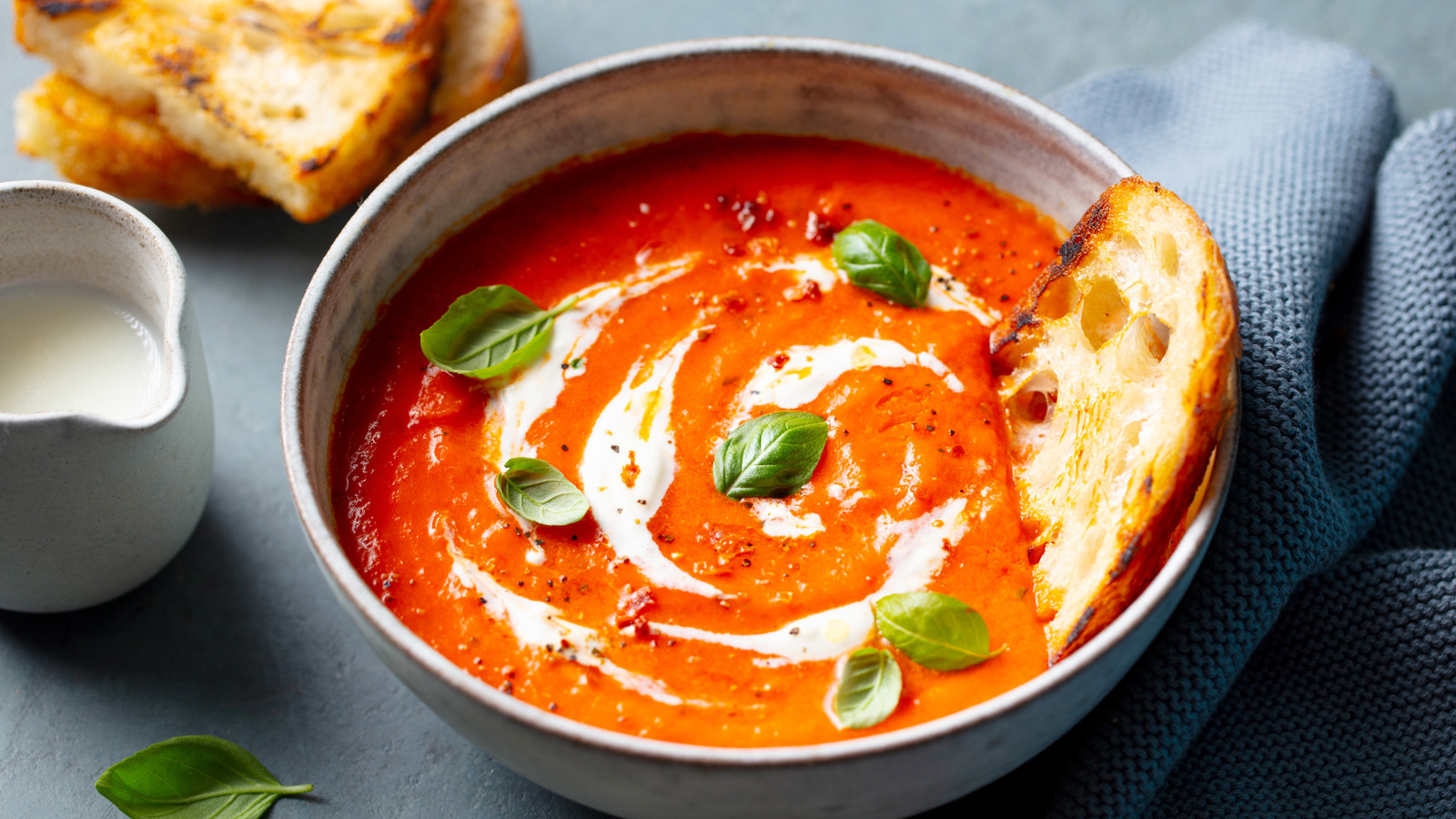
"Do you know when's a good time for soup? Literally all the time. You can't go wrong with soup. Warm or cold, a thin broth, a thick stew, or an old comfort favorite like broccoli cheddar or chicken noodle, there is a soup to satisfy every hunger. Sometimes the best soup is the soup you eat the day after, once it's had a chance to sit and really develop those flavors."
"If you're going to thaw and reheat soup, you want it to come out tasting good. Since most soups have a stock or cream base, adding a little more can bring back the texture and consistency you're looking for. You may only need a little bit, too. Try reheating it over low heat to start, or in short bursts in the microwave just to get some of the fats and starches to loosen up."
"As you add liquid back into your soup, remember to stir it thoroughly. Give it a chance to fully mix in and for the soup to get up to temperature again. You can test to see if it's the right consistency for you, and then add more liquid if necessary. If you don't have any more stock or cream on hand, we have some ideas for thinning soup without using water."
Soups can thicken during cooking or after refrigeration, becoming gloopy. Reheat slowly over low heat or in short microwave bursts to loosen fats and starches. Add small amounts of stock or cream while stirring and heating until the desired texture returns. Stir thoroughly and let the soup reach temperature before testing consistency. If stock or cream is unavailable, water or milk can thin soup but may weaken flavor, so adjust seasoning as needed. Add liquid gradually because it is easier to add more than to remove excess liquid.
Read at Tasting Table
Unable to calculate read time
Collection
[
|
...
]