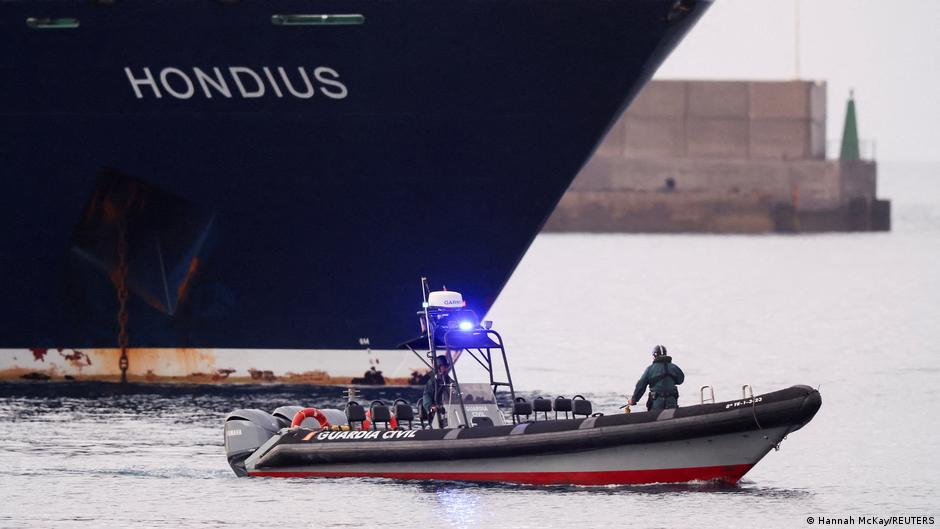
"“I know you are worried,” wrote Tedros Adhanom Ghebreyesus, Director-General of the World Health Organization (WHO), in a letter to the people of Tenerife, Spain, on May 9, 2026. The cruise ship MV Hondius on which hantavirus spread and killed three people and infected others from April to May was about to dock at Tenerife's Granadilla Port. From there, passengers and crew (total 147 people) were to be repatriated to their home countries, including Germany, France and Australia."
"“I know that when you hear the word 'outbreak' and watch a ship sail toward your shores, memories surface that none of us have fully put to rest,” Tedros said. But there is a significant difference between COVID and hantavirus. When the SARS-CoV-2 coronavirus arose in 2019 and caused COVID, neither public health scientists nor healthcare workers had ever seen it before. No one knew what it was, how fast it would spread, how to stop or treat it."
"“Hantavirus, on the other hand, has been known since 1993. And because it is known to cause a lung infection called Hantavirus Pulmonary Syndrome (HPS), appropriate distancing measures were put in place on the ship once laboratory tests confirmed it had caused the first two deaths.”"
"“An analysis of a hantavirus outbreak in Argentina in November 2018, indicates just how effectively even basic control measures, such as social distancing, slow the spread of infection from person-to-person. We did not have that knowledge about COVID when it started in fact, to this day, we still don't know exactly where it started.”"
A letter from the World Health Organization’s Director-General addresses community concerns about international spread of hantavirus after deaths and infections on a cruise ship. The MV Hondius carried 147 passengers and crew to Tenerife, Spain, for repatriation to home countries. Hantavirus differs from COVID because it has been known since 1993 and causes Hantavirus Pulmonary Syndrome, allowing targeted distancing measures once laboratory tests confirmed deaths. Evidence from an Andes virus outbreak in Argentina in 2018 indicates that basic control measures such as social distancing can significantly slow person-to-person transmission. Early COVID lacked comparable knowledge about the pathogen, spread, and effective interventions.
Read at www.dw.com
Unable to calculate read time
Collection
[
|
...
]