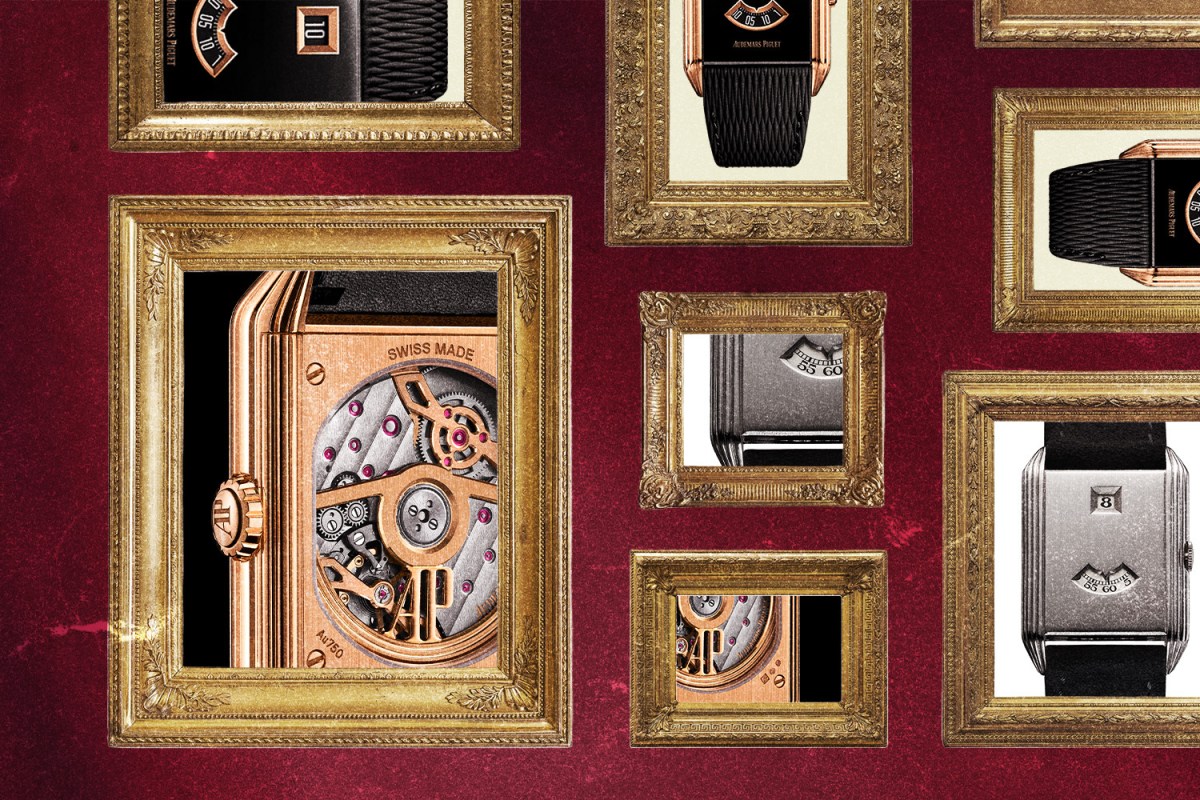
"Art Deco, which began to proliferate more broadly following the Paris International Exhibition of Modern Decorative and Industrial Arts, from which it derived its name, called upon ancient Egyptian motifs and futurism in a modality that emphasized geometric shapes, broad use of color and a streamlined (if maximalist) aesthetic. During the 1930s, a lesser-known but decidedly compelling offshoot of Art"
"Streamline Moderne movement utilized form factors based upon the sleek geometric shapes of ships, trains and aircraft. The use of parallel grooves created the impression of speed or motion, while rounded corners, long horizontal lines, round windows shaped like portholes and ample use of glass, concrete and chrome favored a functional aesthetic based upon modern machinery. Gone was the outré coloration and splendid decoration of Art Deco,"
The interwar years produced influential industrial design movements such as the Bauhaus and Art Deco, emphasizing functional form and geometric clarity. Streamline Moderne arose in the 1930s as an Art Deco offshoot that borrowed shapes from ships, trains and aircraft to evoke speed and modern machinery. Key features included parallel grooves, rounded corners, long horizontal lines, porthole-like windows and extensive use of glass, concrete and chrome, favoring a subdued elegance over ornate decoration. That aesthetic translated into horology in a pre-reference 1271 Audemars Piguet jump-hour watch (1929) with dual apertures and rotating numeral discs displaying instantaneous hours and dragging minutes.
Read at InsideHook
Unable to calculate read time
Collection
[
|
...
]