"Cities are slowly reshaping themselves. Walkable streets, bike-friendly networks, and mixed-use neighborhoods are becoming planning priorities as climate goals, changing lifestyles, and remote work reshape daily patterns. Yet even as these people-centered ideas gain momentum, most cities still rely heavily on private cars, creating a tension between the urban futures we're designing for and the mobility habits that persist today."
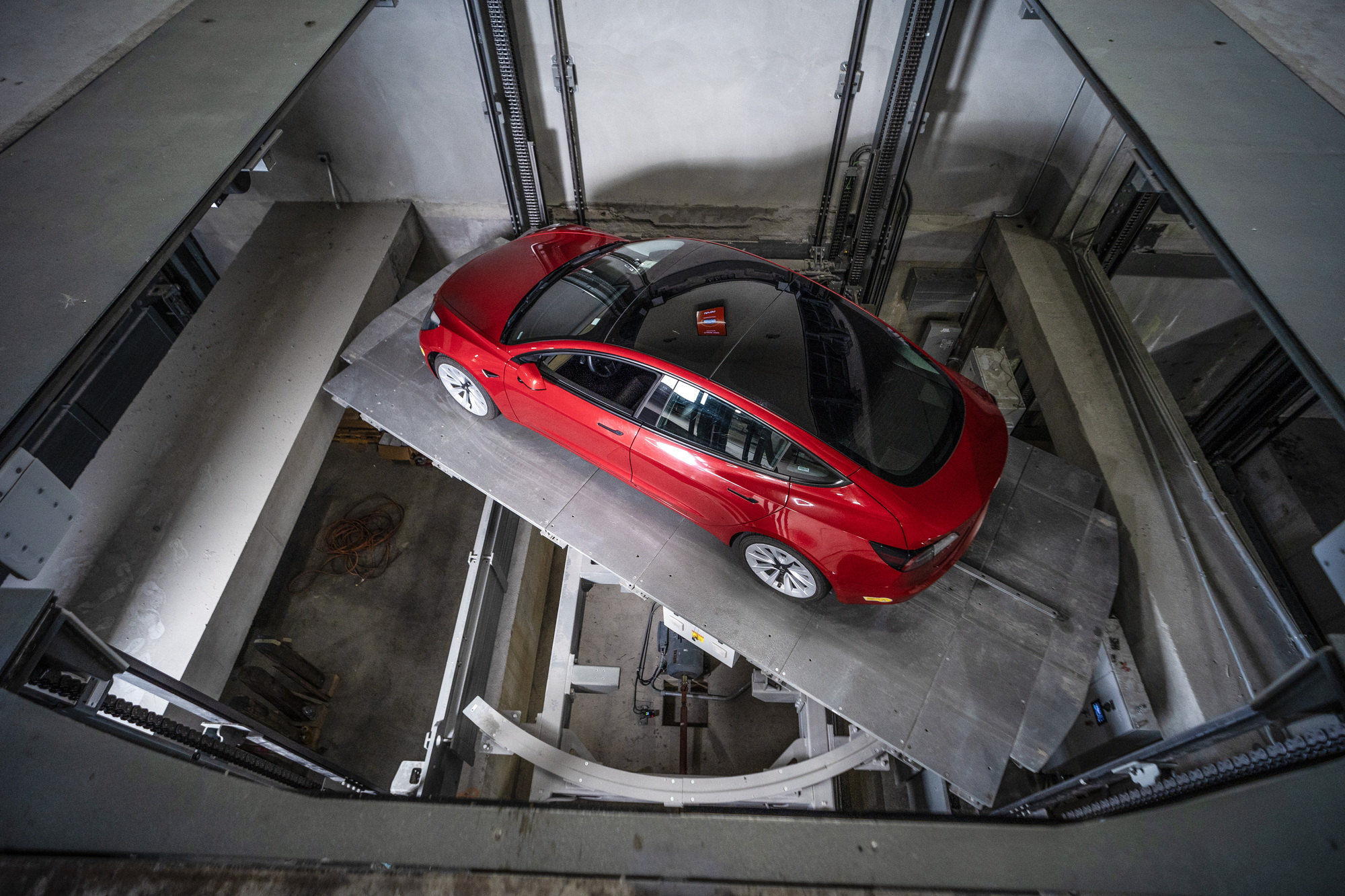
"Limited space and the ongoing presence of private vehicles have led architects and developers to explore new approaches that allow them to do more with less-less land, less time, and lower costs-while still meeting growing demands for flexibility, and sustainability. In downtown Oakland, the architects at Solomon Cordwell Buenz, along with developer Behring Companies, embraced an unconventional solution to meet this challenge at the 39-story mixed-use tower 1900 Broadway: automated parking."
"By using a compact system provided by Utron, the building reduced its parking footprint by over 60%, maximizing efficiency by reclaiming space typically lost to ramps and drive aisles and instead devoting it to resident amenities, retail frontage, and coworking zones. Optimizing Land Use Through Design Parking remains essential, however, in dense urban cores, dedicating large areas of land to cars can come at a cost. Oversized parking footprints can displace housing, public spaces, or commercial activity, while overbuilt parking encourages car dependency, congestion, and"
Cities are shifting toward walkable streets, bike networks, and mixed-use neighborhoods driven by climate goals, changing lifestyles, and remote work. Many cities continue to rely on private cars, creating a mismatch between planning goals and existing mobility habits. Architects and developers are rethinking parking to integrate it into denser, more livable urban forms that remain adaptable. Limited land, time, and cost pressures are prompting compact, flexible solutions. At 1900 Broadway in downtown Oakland, an automated parking system from Utron reduced the parking footprint by over 60%, reclaiming space for amenities, retail frontage, and coworking. Oversized parking footprints can displace housing and public space and encourage car dependency.
Read at ArchDaily
Unable to calculate read time
Collection
[
|
...
]