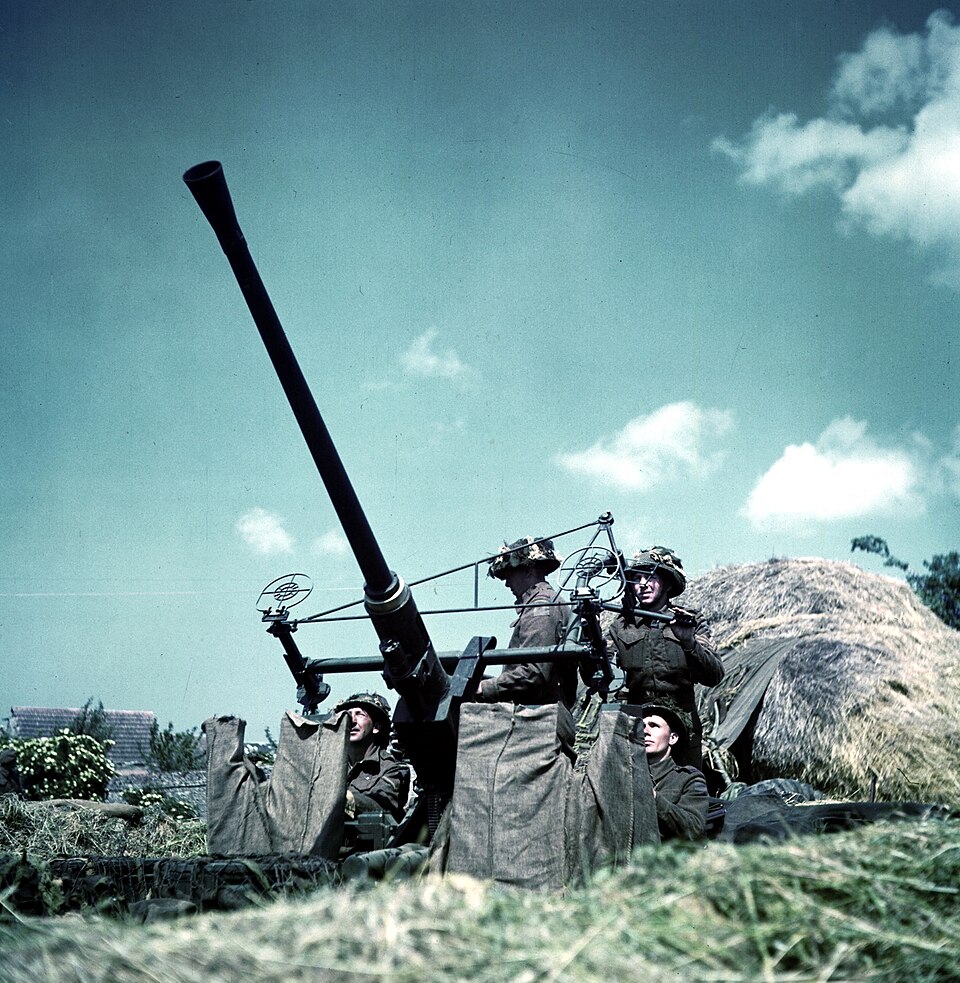
"NATO may field some of the most advanced military technology on the planet, but scattered across the alliance are weapons old enough to have served multiple generations of soldiers. Machine guns from the 1930s, tanks from the 1960s, and aircraft older than many of the pilots flying them continue to play real roles in defense planning. Here, 24/7 Wall St. is taking a closer look at the oldest weapons used by NATO."
"Some of NATO's most reliable weapons are also its oldest. While modern systems dominate headlines, many Cold War and even World War II-era platforms continue to play meaningful roles across the alliance. These weapons endure because they remain effective, affordable, and adaptable to new mission demands. By highlighting the oldest systems still in service, we gain some insight into how NATO balances modernization with practicality,"
"NATO fields some of the world's most advanced military technology, yet many of its member states still rely on weapons designed half a century ago-or even earlier. From machine guns built before World War II to aircraft older than most pilots flying them today, these legacy systems remain firmly in service. Their continued use highlights a surprising truth: age doesn't always diminish battlefield value."
Historical and military sources were reviewed to identify the oldest weapons still used by NATO, covering small arms through naval vessels. Many Cold War and World War II‑era platforms remain operational because they provide reliable capability at lower cost and can be adapted to modern missions. Legacy systems persist across member states for reasons including effectiveness, affordability, logistical familiarity, and difficulty replacing proven designs. The presence of older weapons offers insight into how NATO balances modernization with practical force requirements and how durable platforms continue to support frontline operations amid changing geopolitical threats.
Read at 24/7 Wall St.
Unable to calculate read time
Collection
[
|
...
]