"When people want to self-improve, they usually try to do it directly, through deliberate habit building. However, I tend to think the best self-improvement happens indirectly. You pursue something that feels purposeful to you, and self-improvement occurs as a satisfying side effect. Hobbies are a prime example of how purposeful activities can lead to natural self-improvement. Since better self-discipline is something many people strive for, this article will focus on how hobbies can deliver that."
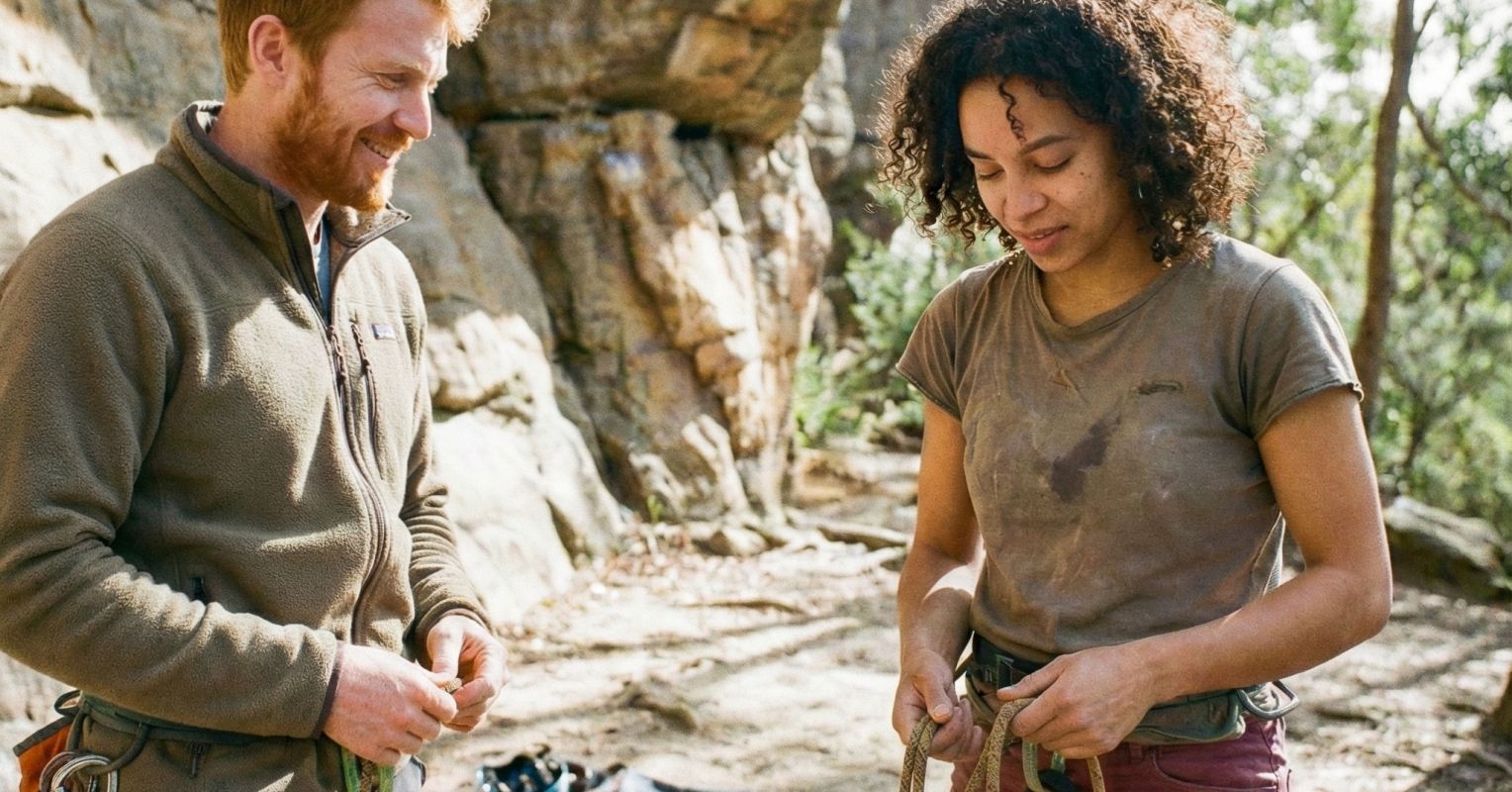
"Imagine Rob, who wants to partake in a hobby that happens on Saturdays. Perhaps, it's rock climbing. A group of buddies all carpool out to a spot that's a 90-minute drive. They don't get up super early, but Rob still doesn't want to feel miserable for the adventure, so he becomes less likely to drink heavily on Friday nights. The hobby displaces the negative behavior of drinking alcohol excessively."
Self-improvement often occurs indirectly by pursuing purposeful hobbies that yield discipline as a side effect. Hobbies displace negative behaviors by creating obligations or incentives that discourage harmful habits, such as reducing heavy drinking to prepare for a strenuous weekend activity. Hobbies that require resources encourage financial organization. Hobbies establish positive routines and add structure, like dog ownership creating daily walking habits. Hobbies can demand physical, mental, or social readiness, providing motivation to improve health, finances, or relationships. Five categories of hobby-driven discipline can produce lasting self-discipline without deliberate habit-building.
Read at Psychology Today
Unable to calculate read time
Collection
[
|
...
]