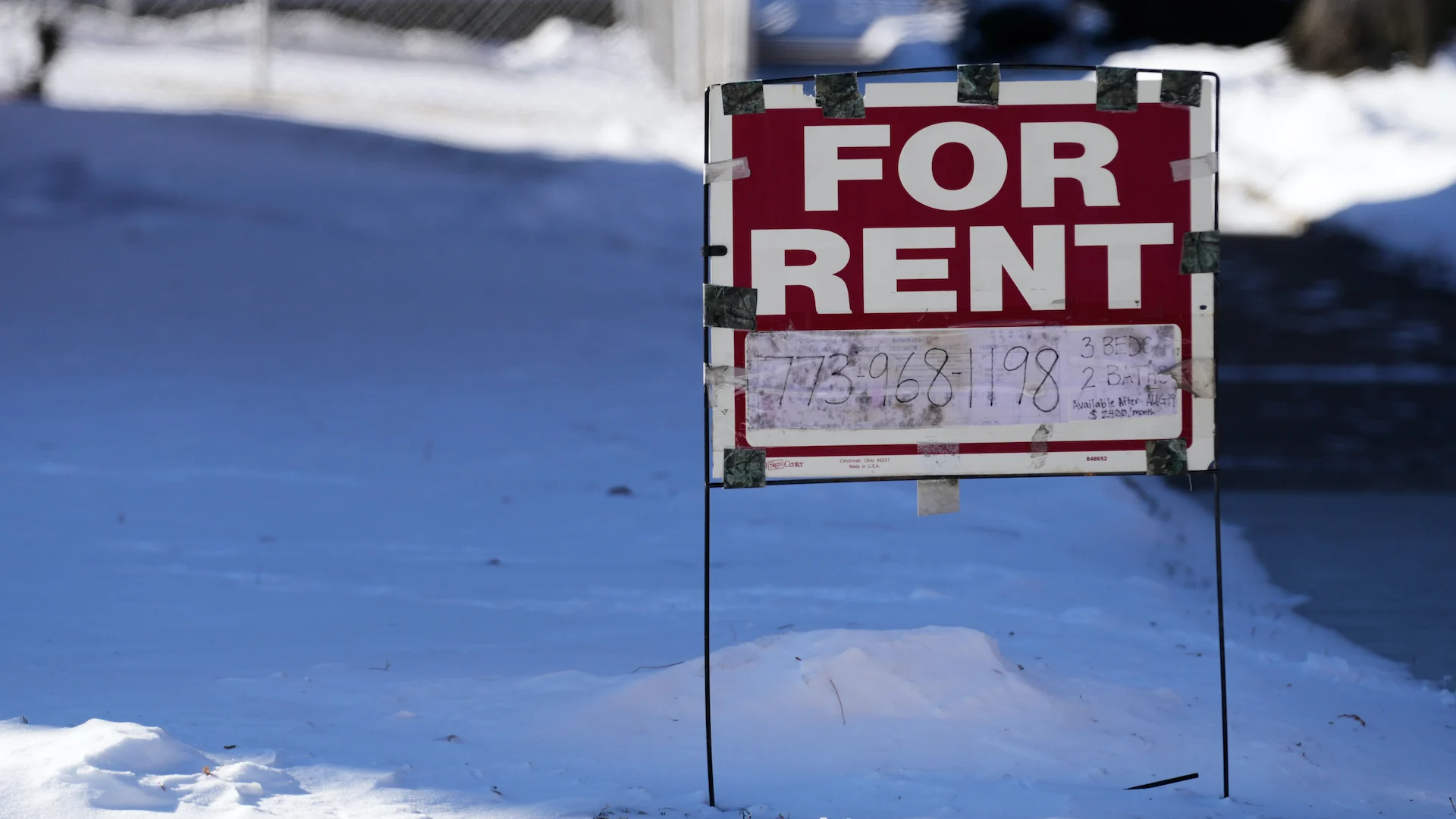
"Rent can eat up an entire paycheck at the start of the month, so a growing number of renters are turning to a financial product that promises relief by letting them split the bill - for a price. So-called "rent now, pay later" services have emerged over the past few years as housing costs climb and paychecks grow less predictable, particularly for lower-income and gig-economy workers. According to the Bureau of Labor Statistics, rents have jumped nearly 28% in past five years."
"Companies such as Flex, Livble, and, more recently, Affirm, say breaking rent into multiple payments can help renters manage cash flow. But consumer advocates warn the products typically function like short-term loans, layering fees onto already strained budgets and, in some cases, carrying triple-digit effective interest rates - raising questions about whether they ease financial pressure or deepen it."
"Kellen Johnson, 44, started using Flex to split up his rent payments about two years ago. Instead of paying the whole $1,850 of his rent on the first of the month, Johnson would pay $1,350 on that date, and $500 on the 15th. For the service, Flex collected a $14.99 monthly subscription fee, as well as 1% of the total rent, which for Johnson was $18.50, bringing his monthly charges for the app to more than $33."
Rising rents and unpredictable paychecks have increased demand for rent-splitting fintech products. Rent-now-pay-later services allow renters to break monthly rent into multiple payments for subscription fees or percentage charges. Companies offering these options include Flex, Livble, and Affirm. Consumer advocates warn that the services often operate like short-term loans, add fees to strained budgets, and can carry very high effective interest rates. A cited user example shows subscription and percentage fees totaling more than $33 monthly. Millions of U.S. households rent, and a large share pay 30% or more of income on rent, labeled "cost burdened."
Read at Fast Company
Unable to calculate read time
Collection
[
|
...
]