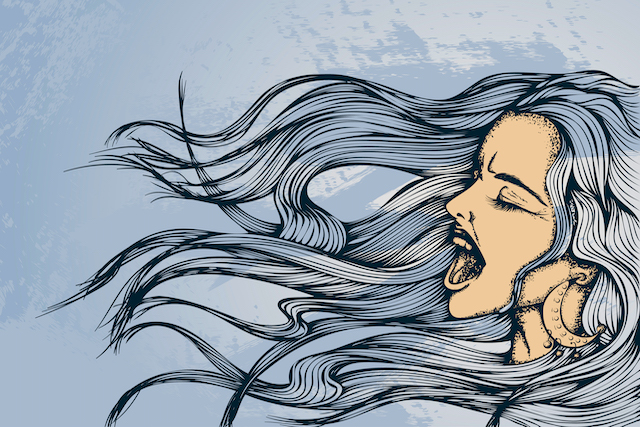
"A proper grown-up communicates clearly and assertively. This is something I have heard many people say. By that definition, I wouldn't have been classed as a proper grown-up for most of my life. There was a time when I couldn't even ask someone for a glass of water. I know that might seem crazy to some people, and for a long time I did feel crazy for it."
"But the question I should have been asking myself was not how I could overcome being so damaged and flawed, but how my struggles made sense based on how I was brought up. Those questions would just feed into the shame spiral I was trapped in at that time in my life. Because based on that, I was perfect, and my behaviors made perfect sense."
"I was the child that was taught to be seen and not heard. I was the child whose feelings made others angry and violent. I was the child whose anger got her shamed and rejected by the person she needed the most. I was the child that got hit again and again until she didn't cry anymore. I was the child whose needs inconvenienced those who were in charge of taking care of her."
"I had been taught that I didn't matter. That what I wanted or needed and how I felt was something so abhorrent it needed to be hidden at any cost. And I did it to avoid getting hurt, shamed, and rejected. Even when I was with different people. Even when I"
Clear, assertive communication is presented as a standard for adulthood, yet some people struggle to ask for basic needs. Shame and self-blame can intensify when the focus stays on overcoming “flaws” rather than understanding how early experiences shaped behavior. The account links difficulty speaking to being taught to be silent, having feelings trigger anger and violence, and being punished until crying stopped. Needs and wants are described as being labeled selfish or ridiculous, and the child is portrayed as being called a monster for normal feelings. These experiences lead to growing up feeling unwanted, alone, and repulsive, with learned hiding of needs to avoid harm and rejection.
#assertive-communication #childhood-trauma #shame-and-self-blame #emotional-neglect #survival-coping
Read at Tiny Buddha
Unable to calculate read time
Collection
[
|
...
]