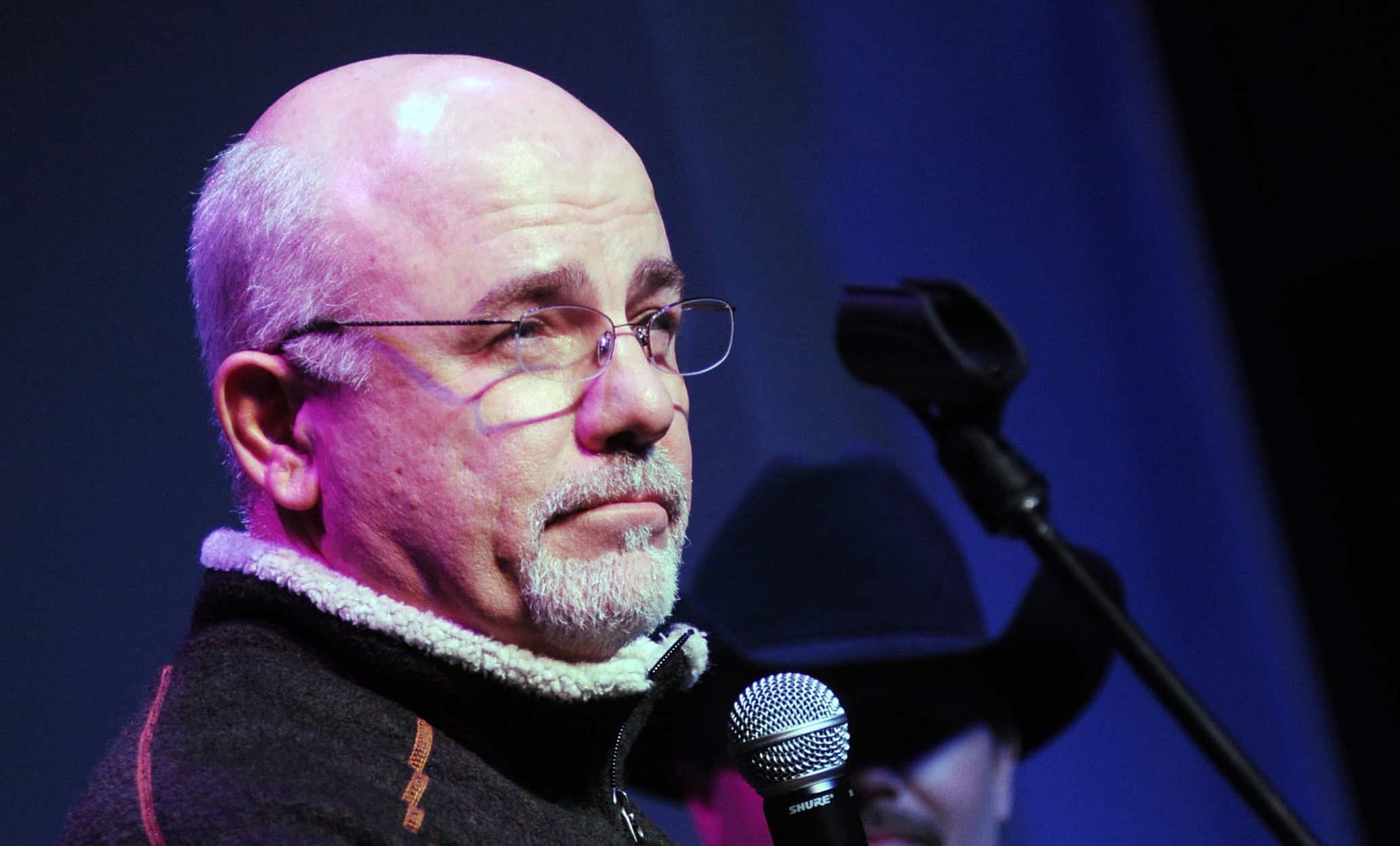
"At 70 years old and planning to retire by year's end, Robert and his wife have built a $400,000 nest egg in their 401k and Roth accounts, plus $100,000 in high-yield savings. His portfolio has returned 10.89% annually over 23 years with 93% in stocks. With gold prices high and economic uncertainty, Robert wondered if he should move part of his retirement into a money market fund."
""Way to go. That's exactly what we tell people you should be," the host responded about Robert's returns. The advice was clear: don't abandon equities based on fear. "You could live another 30 years," the host reminded Robert, noting his wife plans to live to 100. "You are missing out on a whole lot of returns" by shifting to bonds out of panic."
"Ramsey's core insight is mathematically sound. A 70-year-old with a spouse planning to live to 100 faces a potential 30-year investment horizon. The historical evidence supports maintaining equity exposure: stocks have dramatically outperformed bonds over the past decade, with the performance gap illustrating why abandoning equities at retirement could cost Robert hundreds of thousands in growth over three decades. The opportunity cost of moving to bonds becomes clear when you consider purchasing power erosion."
A 70-year-old couple holds $400,000 in 401(k) and Roth accounts and $100,000 in high-yield savings, with a 23-year portfolio return of 10.89% and 93% stock allocation. Concern about high gold prices and economic uncertainty prompts consideration of moving assets to a money market fund. Keeping equities preserves long-term growth across a potential 30-year retirement horizon and has historically outperformed bonds, while shifting to bonds risks opportunity cost and inflation-driven purchasing-power erosion. The recommendation to remain invested assumes the retiree can tolerate equity volatility and sequence-of-returns risk; a cash cushion or partial allocation may mitigate anxiety.
Read at 24/7 Wall St.
Unable to calculate read time
Collection
[
|
...
]