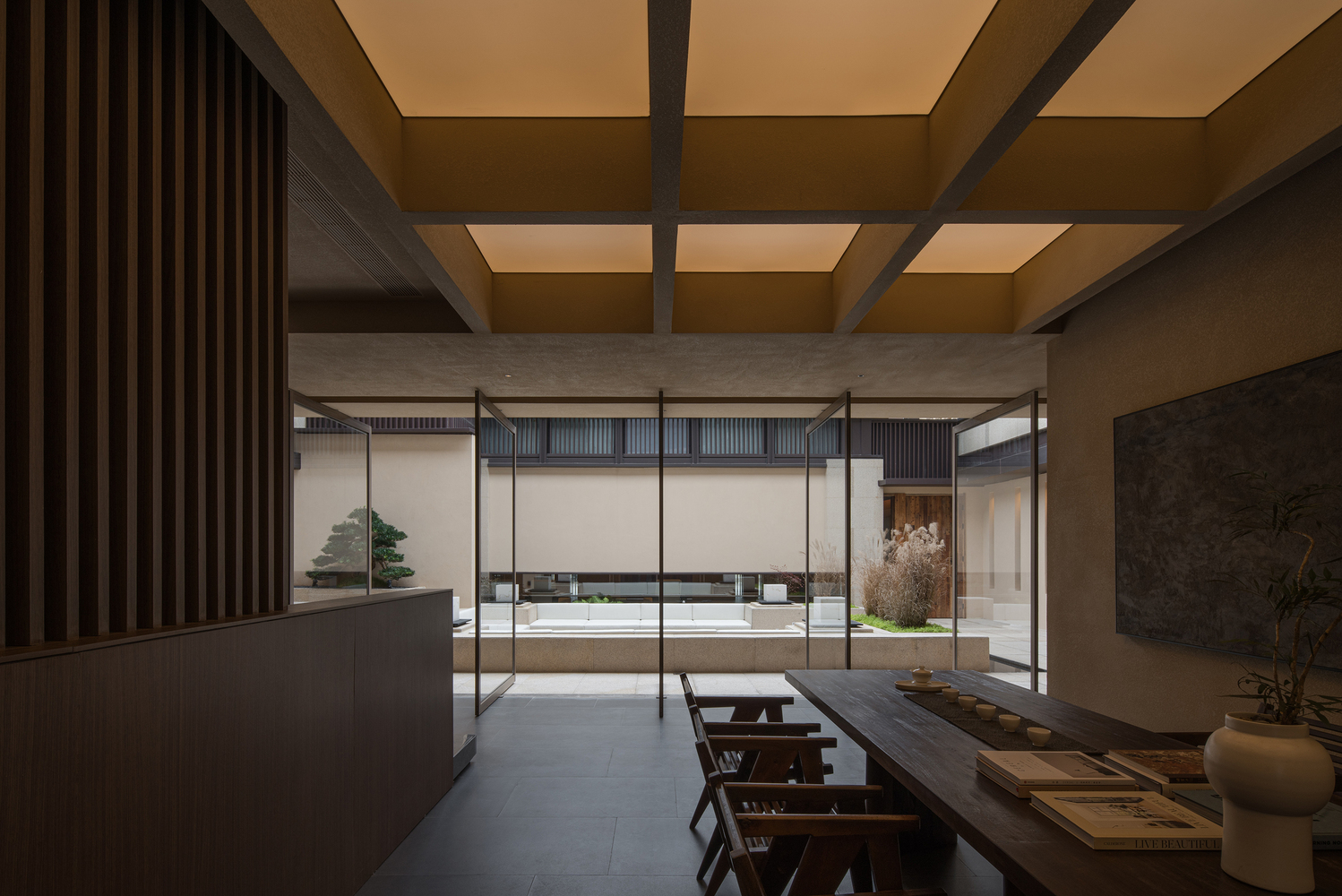
"The west-facing sun has proven to be a particularly difficult condition to live with: its low angle in the afternoon, its aggressive heat gain, and the way it penetrates deep into interiors."
"Avoiding western light is not only about thermal comfort, but also about avoiding the sharpest, most intrusive form of direct illumination that turns rooms into high-contrast fields of discomfort."
"Western light produces some of the crispest shadows: sharp, high-contrast silhouettes that intensify the experience of glare while simultaneously deepening the room's darkness by comparison."
"Western light is not simply too hot; it is too direct, too angled, too absolute, revealing everything too quickly and leaving little room for softness, ambiguity, or comfort."
In South China, particularly in Hong Kong, Shenzhen, and Guangzhou, there is a belief in avoiding homes that face west due to the harshness of western light. This light brings aggressive heat and penetrates interiors deeply, leading to discomfort. With climate change, the romantic notion of afternoon light has shifted to a source of glare and fatigue. The avoidance of western light is not only about comfort but also about managing the intensity of shadows and visual perception, as it creates high-contrast environments that can feel visually compressed and uncomfortable.
Read at ArchDaily
Unable to calculate read time
Collection
[
|
...
]