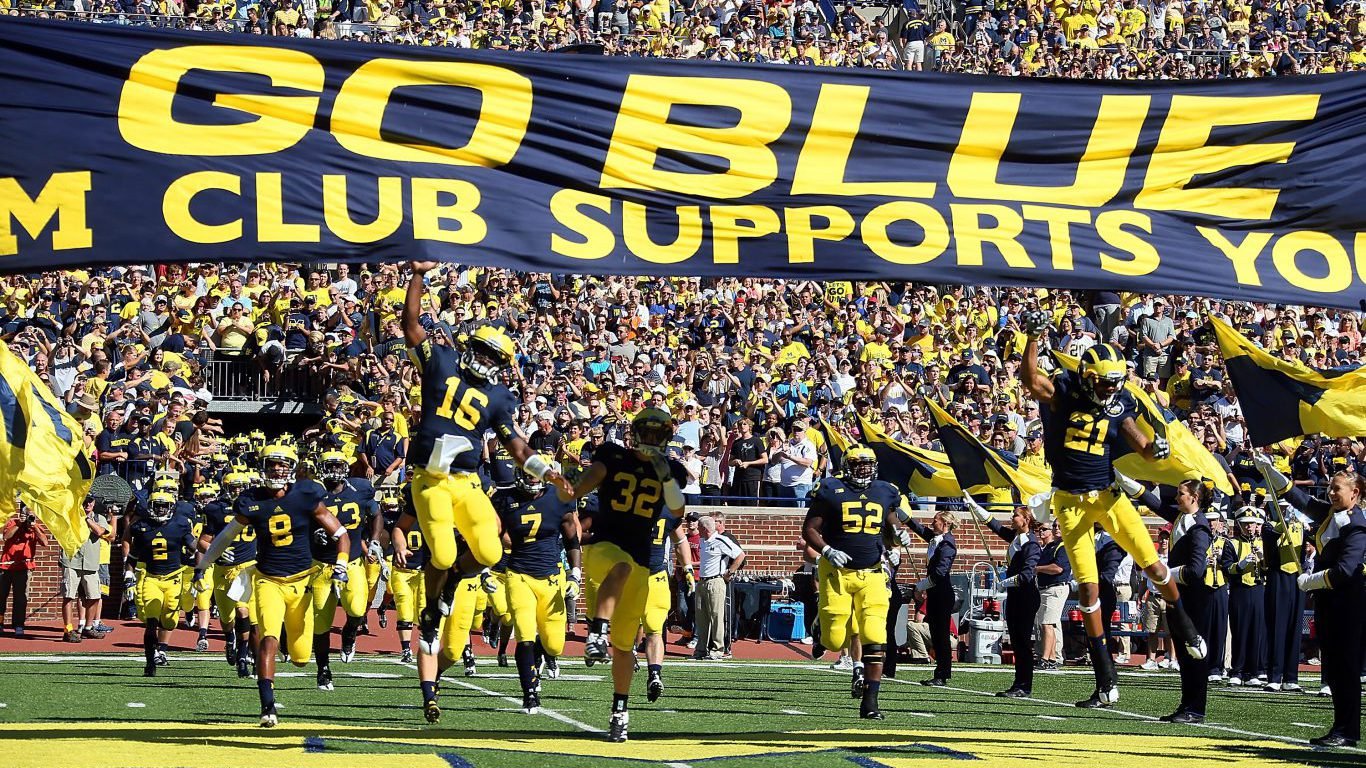
"The school's endowment invested $20 million in OpenAI during a very early fundraising round, well before Microsoft's $1 billion investment in 2019 and before most people had heard of the AI lab. That stake is now expected to be worth roughly $2 billion, representing a staggering 9,900% return on a single investment."
"The company is now reportedly valued at more than $850 billion, placing it among the most valuable private technology companies ever created. For comparison, Microsoft's cumulative OpenAI investment of roughly $23 billion is now estimated to be worth more than $228 billion, while OpenAI's annualized revenue has reportedly climbed to around $25 billion. Michigan reportedly sits ahead of Microsoft in the payout structure."
"Most university endowments invest in early-stage companies through venture capital funds, rather than through direct stakes in individual startups. Investing in fund-of-funds spreads concentration risk, which matters because early-stage companies can go bust much more often than they can become what OpenAI is now. Michigan bypassed that layer."
"The upside is the full $2 billion accruing directly to the endowment rather than being diluted across a fund's limited partners and management fees. The downside, in the general case, is that a single bad position can sting. Michigan found the rare outlier outcome that every capital allocator dreams about but very few ever capture."
Michigan’s endowment invested $20 million in OpenAI during an early fundraising round, before major later investments and before most people had heard of the company. That stake is now expected to be worth roughly $2 billion, representing about a 9,900% return. OpenAI is reportedly valued at more than $850 billion, making it one of the most valuable private technology companies. Michigan’s payout is reported to be ahead of Microsoft’s, despite Microsoft’s larger cumulative investment. Michigan’s early entry is supported by documents from a legal dispute, which also show co-investments from Khosla Ventures and a fund tied to Reid Hoffman. Michigan invested directly rather than through venture funds, avoiding dilution and fees while concentrating risk.
Read at 24/7 Wall St.
Unable to calculate read time
Collection
[
|
...
]