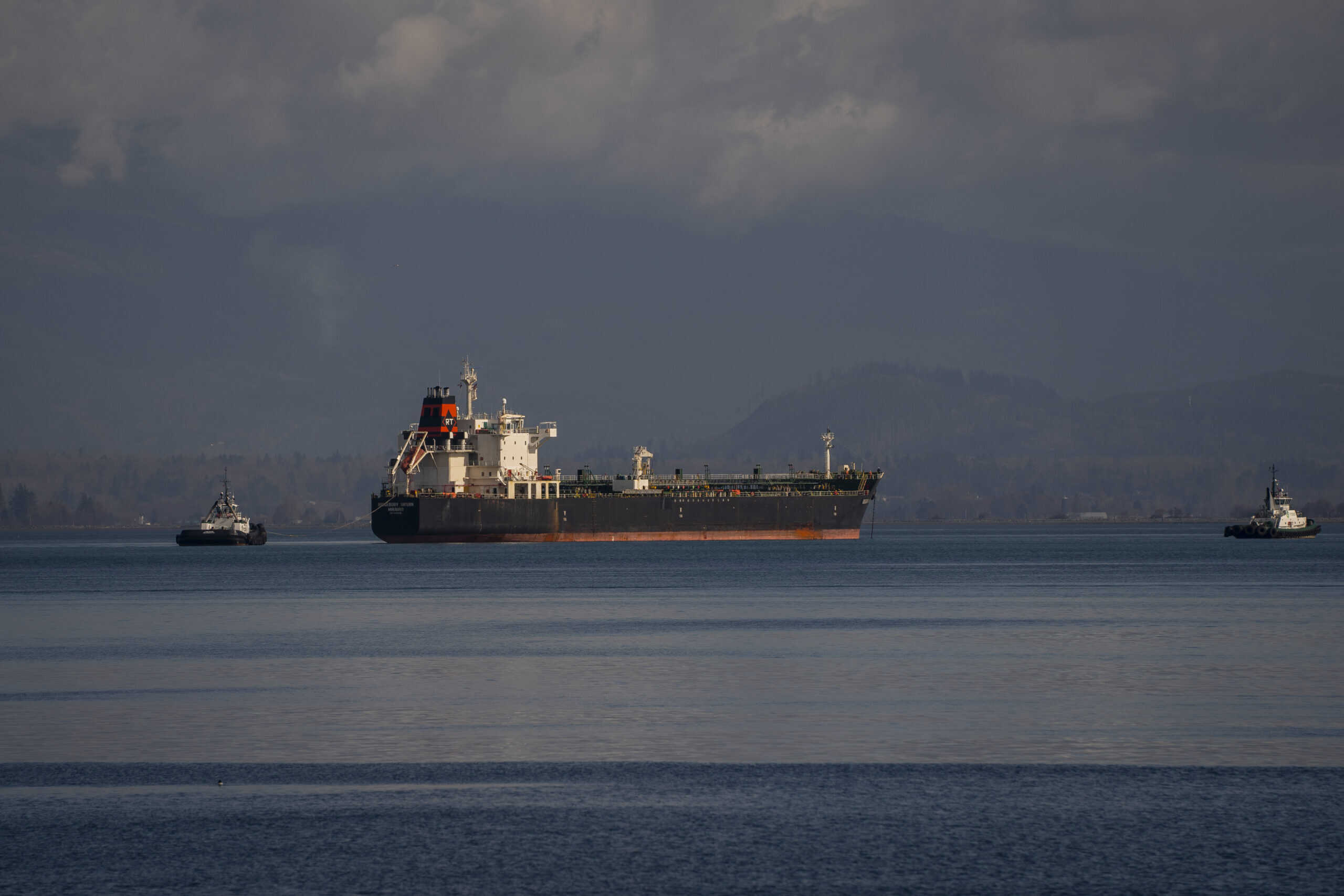
"Reopening the Strait of Hormuz for business, as it turns out, isn't as simple as making an agreement, especially when you consider uncertainties surrounding insurance and how quickly either side could change its mind. With two blockades to worry about, I do think that a low-risk reopening could take some time. In any case, even once the coast is cleared, there's no telling which ships will feel comfortable and confident enough to make the move."
"In any case, there's a ton of uncertainty here, and those betting on a quick resolution alongside a timely drop in oil prices might be waiting quite a while. Is NACHO the next TACO for traders? Perhaps not. Personally, I'd not look to trade on a trend. Instead, it might make more sense to consider how one could get a reasonable deal on a long-term position."
"Much of the oil patch experienced an uptick in turbulence over the past month. And while the correction already seems to be in the books, I certainly wouldn't bet against the names with the expectation that oil will crash to where it was before the whole conflict in the Middle East began. The road to lower oil prices could have the potential to be drawn out and choppy."
"But, for investors looking to initiate a long-term position, I do think there's an opportunity to be had amid the rise in volatility. Notably, the energy names are starting to look like intriguing hedges against energy-induced inflation. Any way you look at it, I don't think it's going to be easy to trade on NACHO as it was with TACO, especially in the "
Rising tariff fears followed “Liberation Day” and were associated with the “TACO” trade, while current market chatter centers on a potential “NACHO” outcome that delays reopening the Strait of Hormuz. Reopening is not straightforward because agreements do not resolve uncertainties around insurance and the possibility that either side could change its mind. With two blockades to consider, a low-risk reopening could take time, and even after conditions improve, individual ships may still hesitate. This creates substantial uncertainty for traders expecting a rapid resolution and timely oil-price declines. Instead of trading on a trend, long-term positioning may be more reasonable, with upstream energy producers potentially benefiting. Oil-sector volatility has increased, but a crash back to pre-conflict levels is not assured, and lower oil prices may arrive slowly and unevenly. Energy names may also act as hedges against energy-driven inflation.
Read at 24/7 Wall St.
Unable to calculate read time
Collection
[
|
...
]