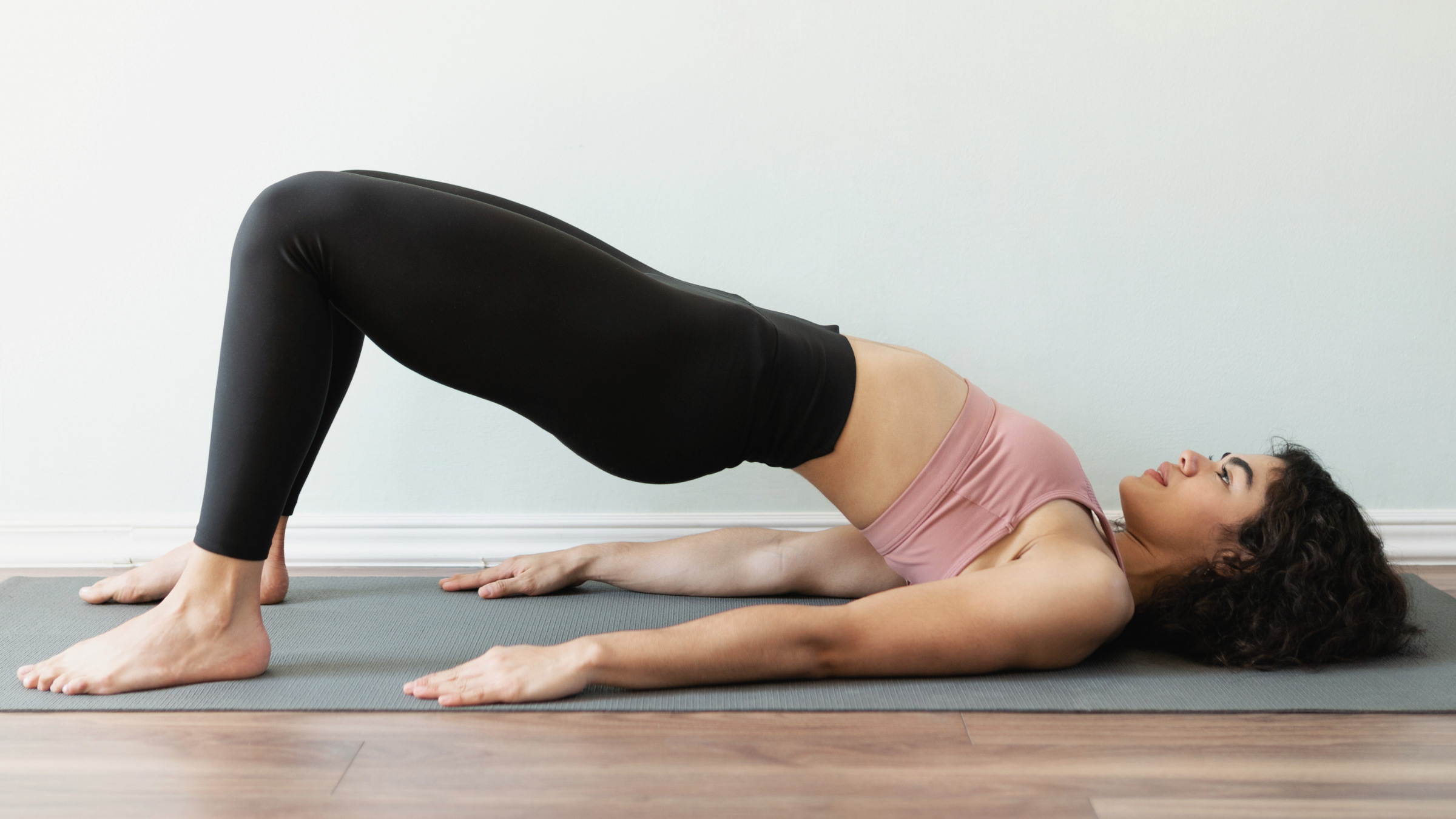
""The pelvic floor is the foundation of nearly every movement we make. It stabilizes the spine and hips, supports breathing and posture, and even influences circulation and hormonal health," says Ed Gemjin, physical therapist and general manager of The Gym Venice. "When it's weak or overactive, you can see issues ranging from back or hip pain to digestive discomfort and poor balance.""
"Julianne Collazo, yoga instructor and founder of Yoga Islands, a yoga and Ayurvedic training program, explains that the pelvic floor is a group of muscles that act like a hammock supporting your reproductive organs, bladder, and lower digestive tract. A healthy relationship between your abdominal and pelvic floor muscles can create a powerful base from which all of your movements-including yoga poses-are centered upon."
The pelvic floor forms a muscular hammock that supports reproductive organs, the bladder, and the lower digestive tract. It stabilizes the spine and hips, supports breathing and posture, and affects circulation and hormonal health. Weakness or overactivity in the pelvic floor can lead to back and hip pain, digestive discomfort, poor balance, tightness, and limitations in flexibility and stability. A coordinated relationship between abdominal muscles and the pelvic floor creates a strong base for movement, including yoga poses. Yoga and targeted movement practices can rebuild and strengthen the pelvic-floor–core connection through technique and intentional engagement.
Read at Yoga Journal
Unable to calculate read time
Collection
[
|
...
]