All three of the Pennsylvania Supreme Court justices who sought reelection Tuesday will get another term, ensuring Democratic jurists keep their majority on the presidential battleground state's highest court - one at the center of pivotal fights over voting rights, redistricting and elections. The result shapes the makeup of the seven-member court through the next presidential election in 2028. The three justices had been elected as Democrats, and voters were deciding whether to extend the court's Democratic majority.
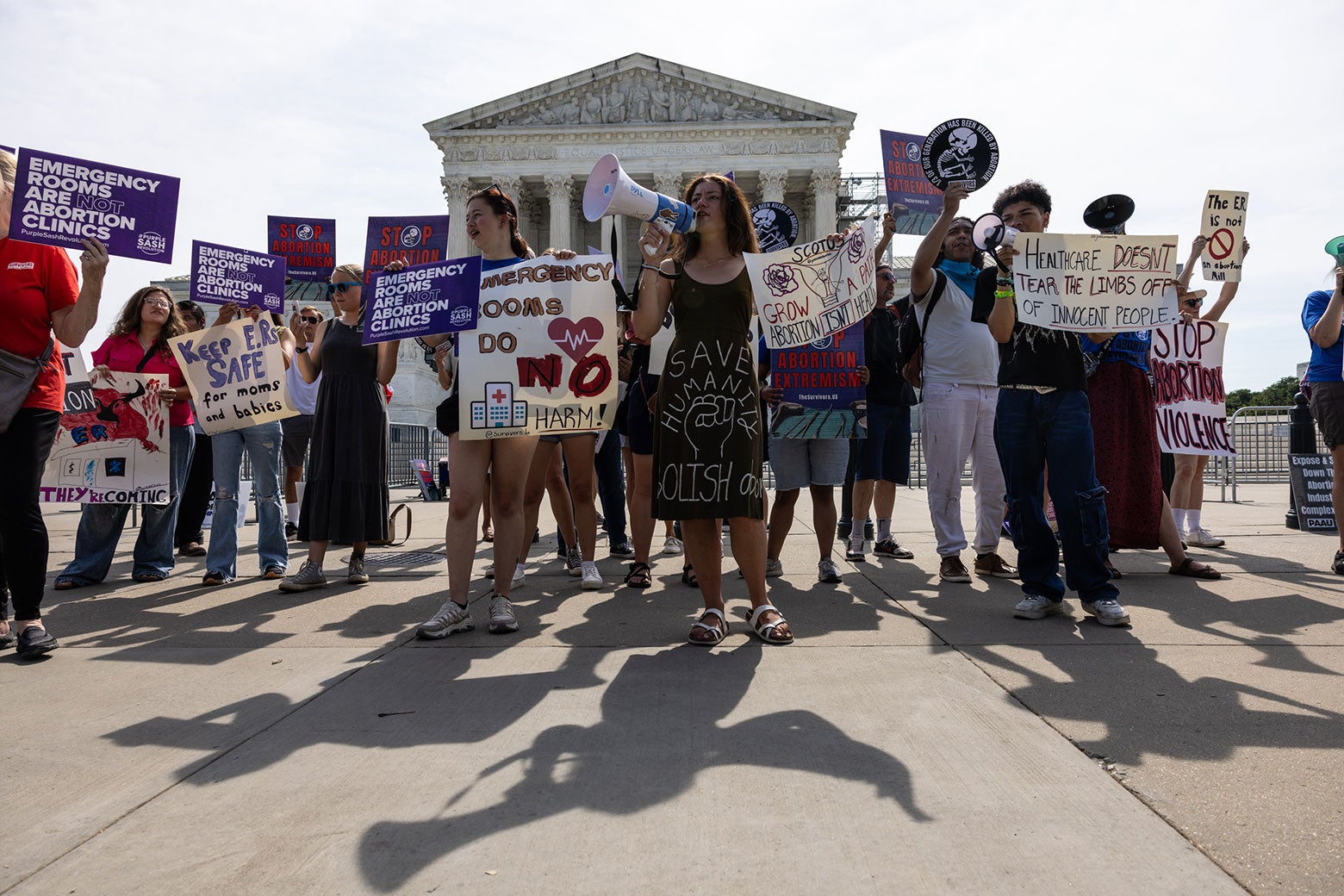
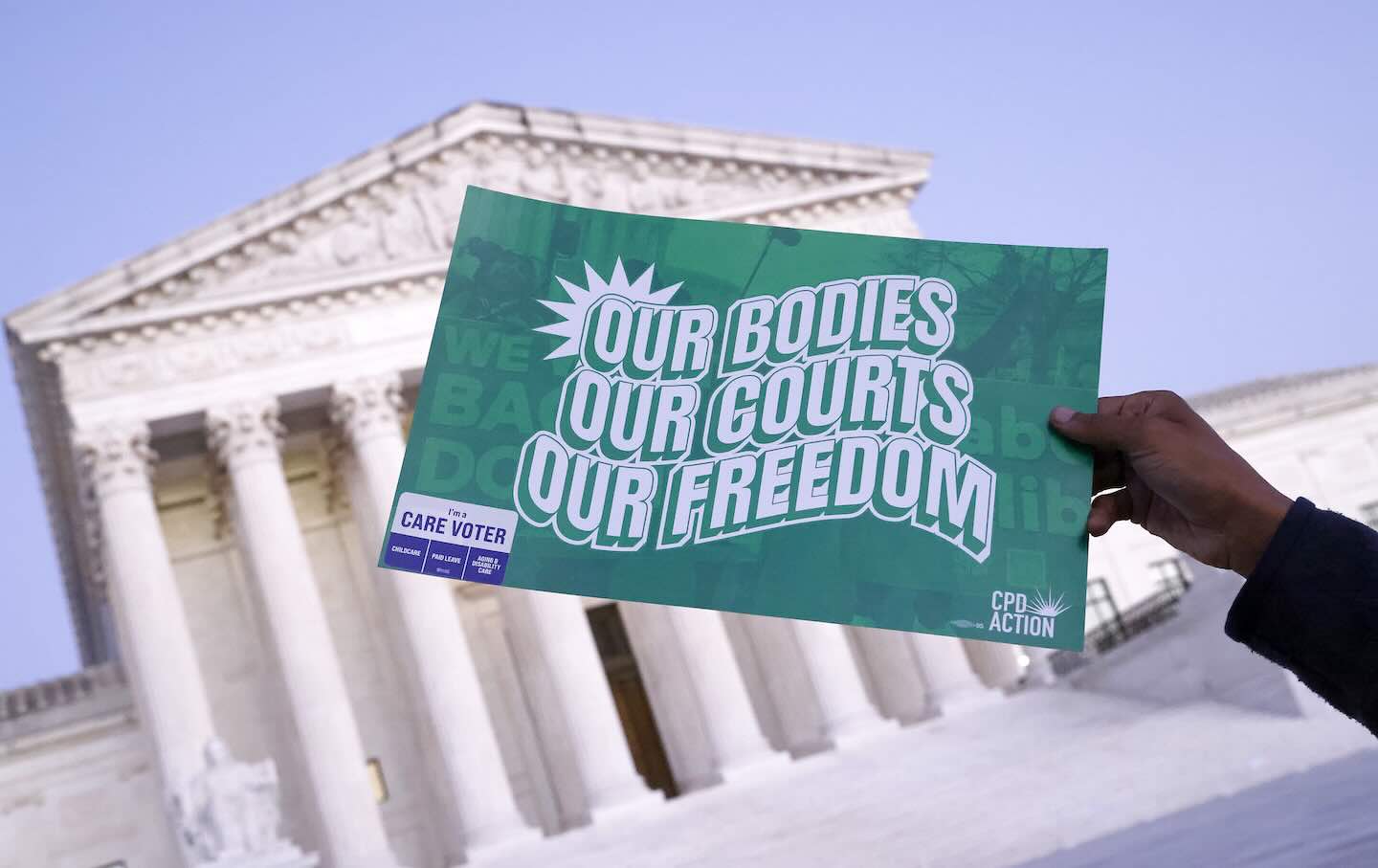
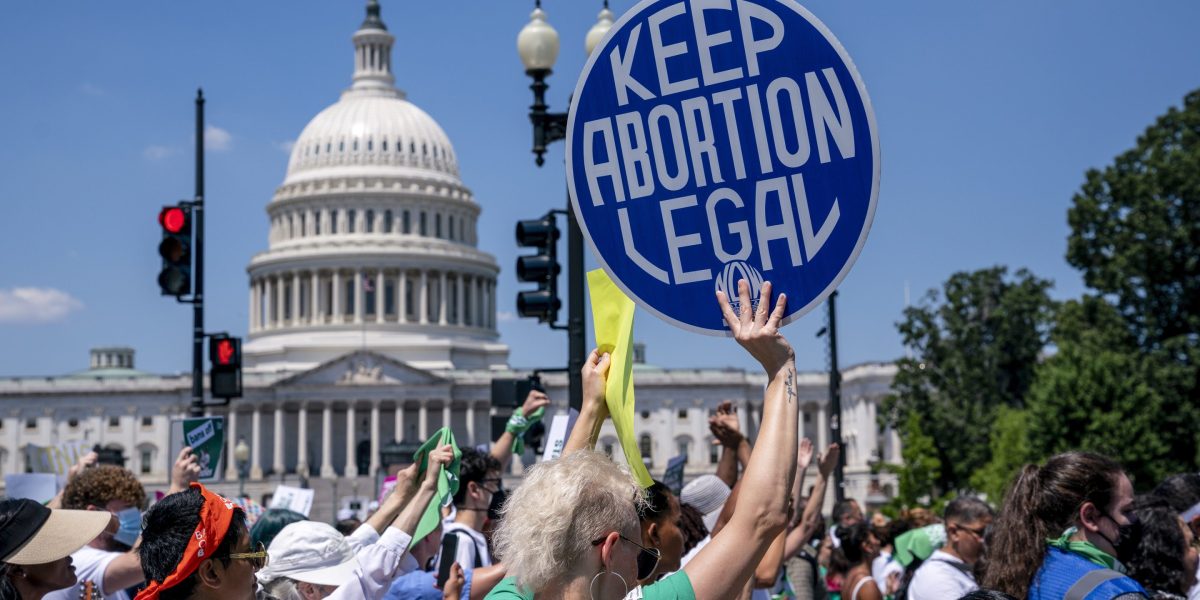
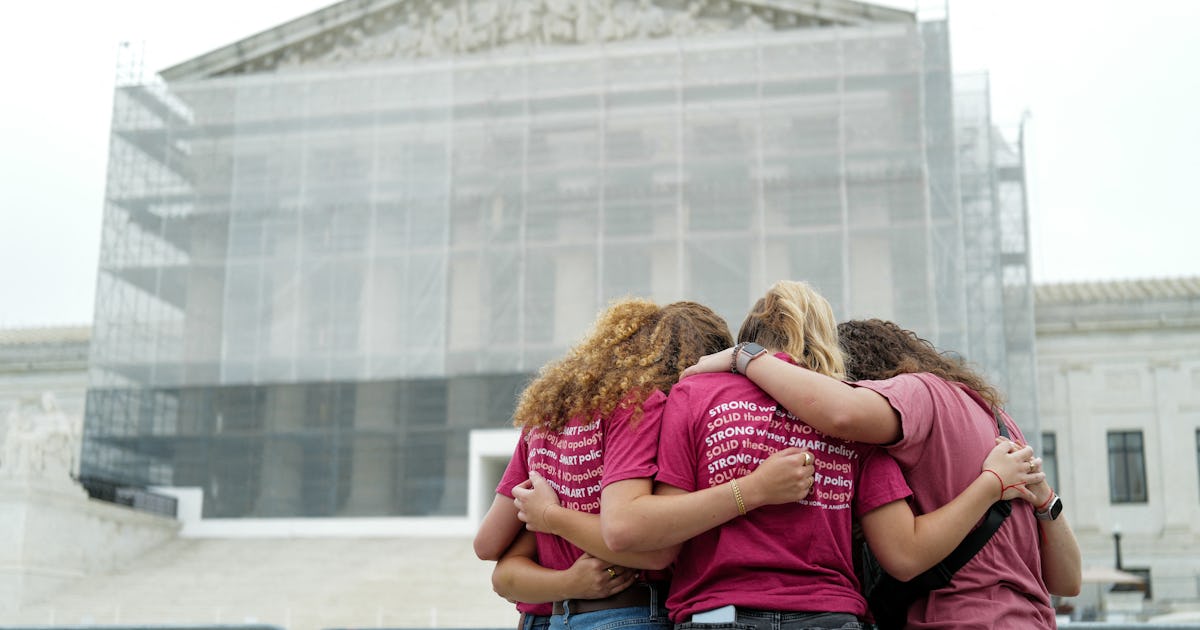
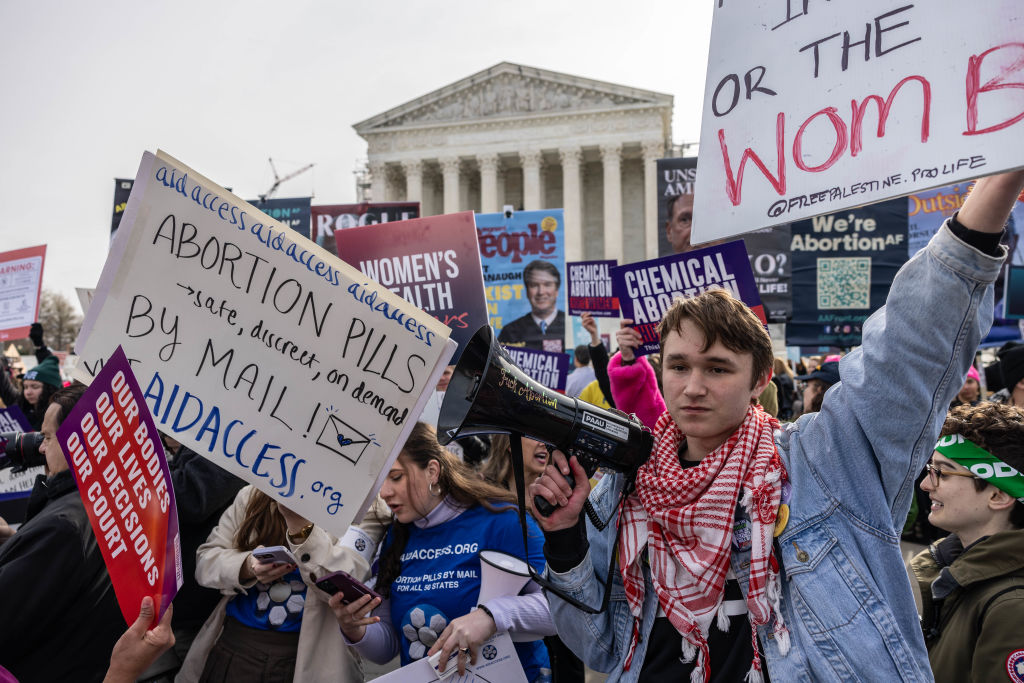
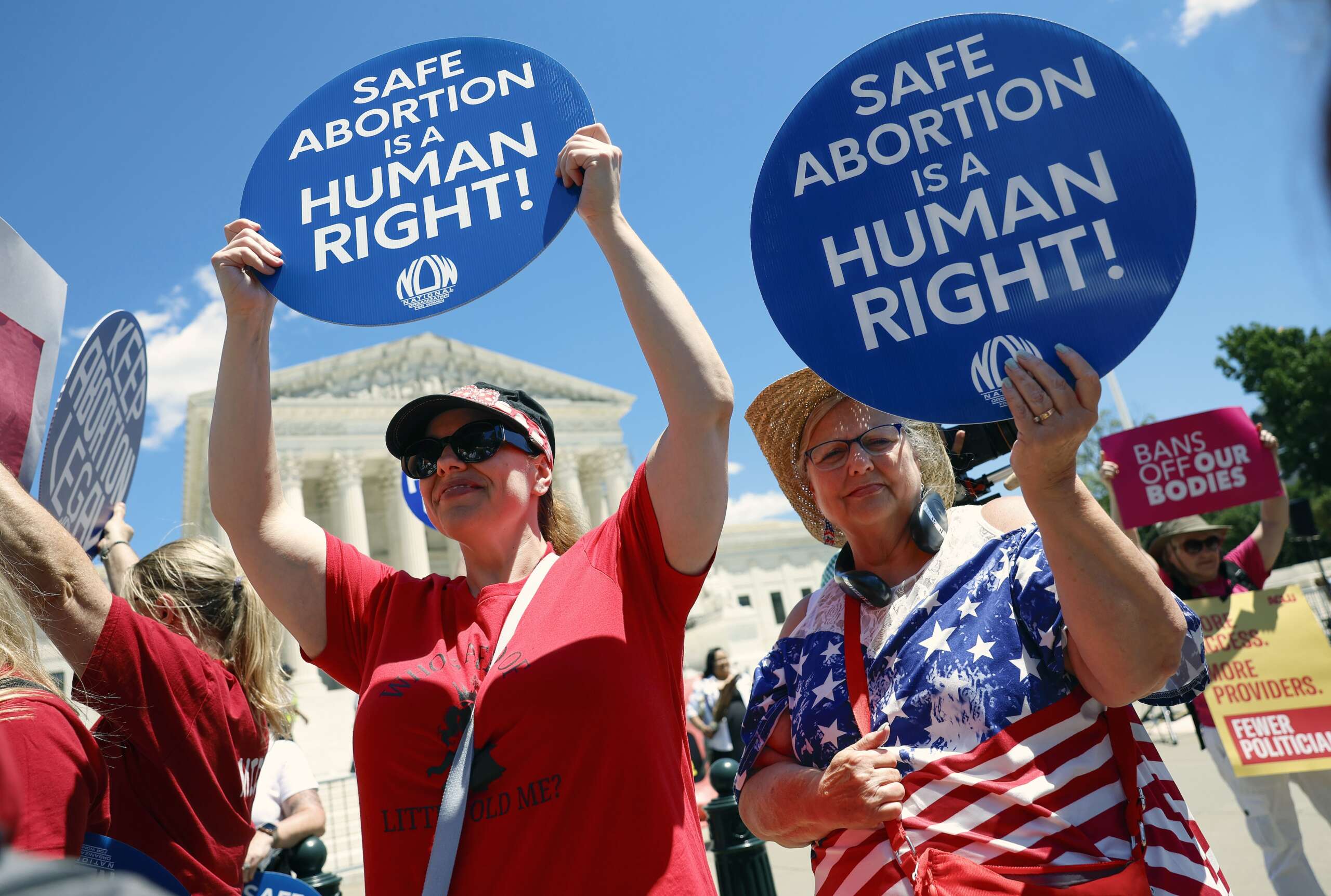
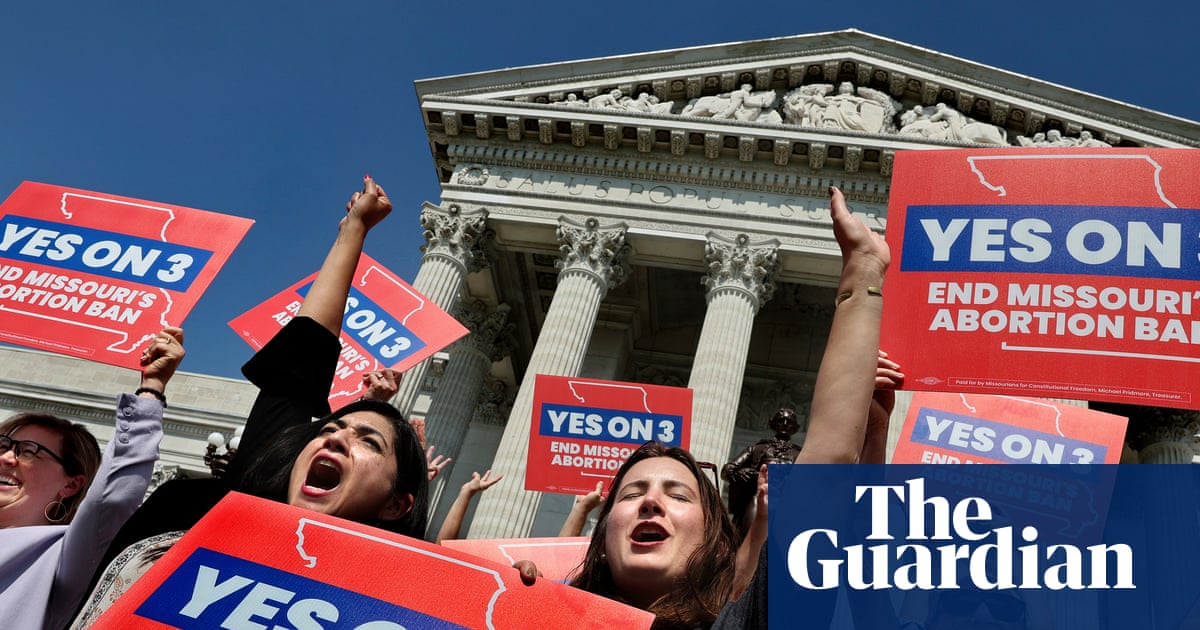
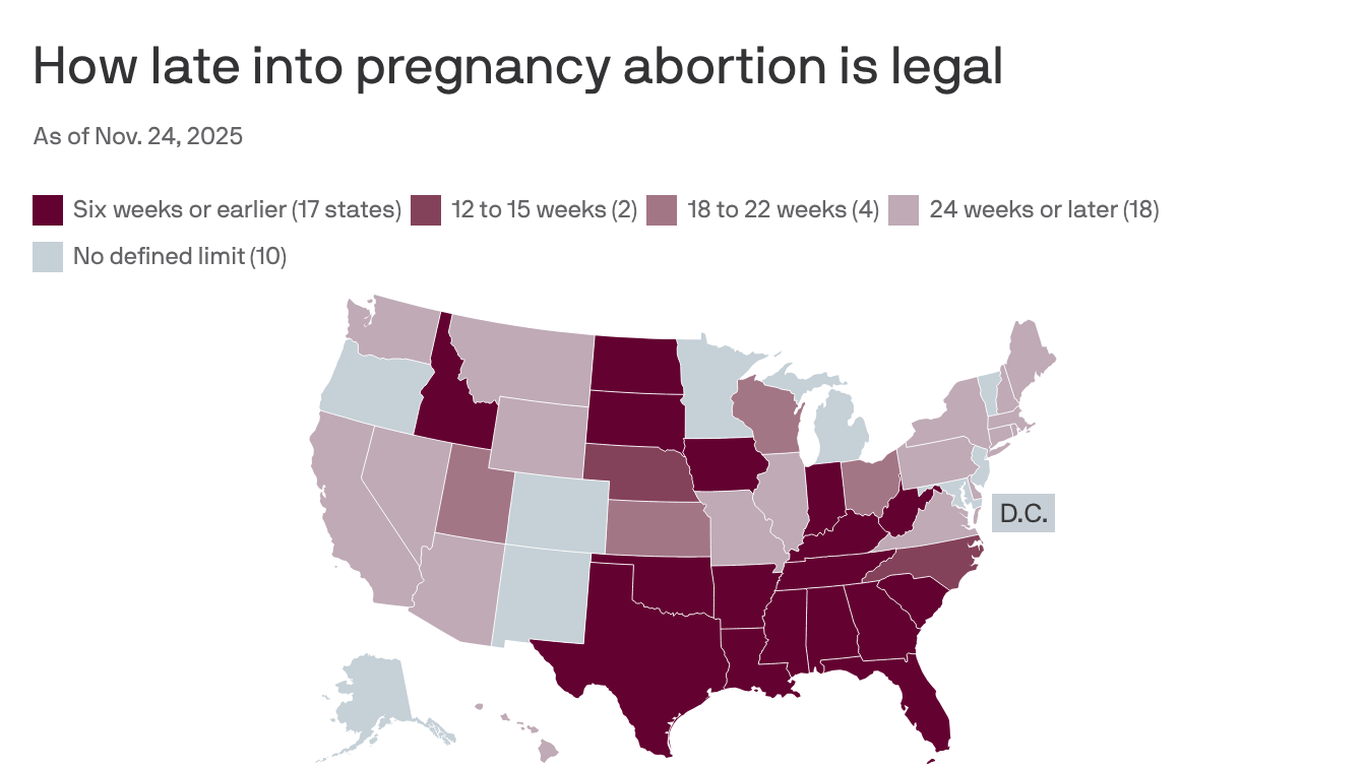
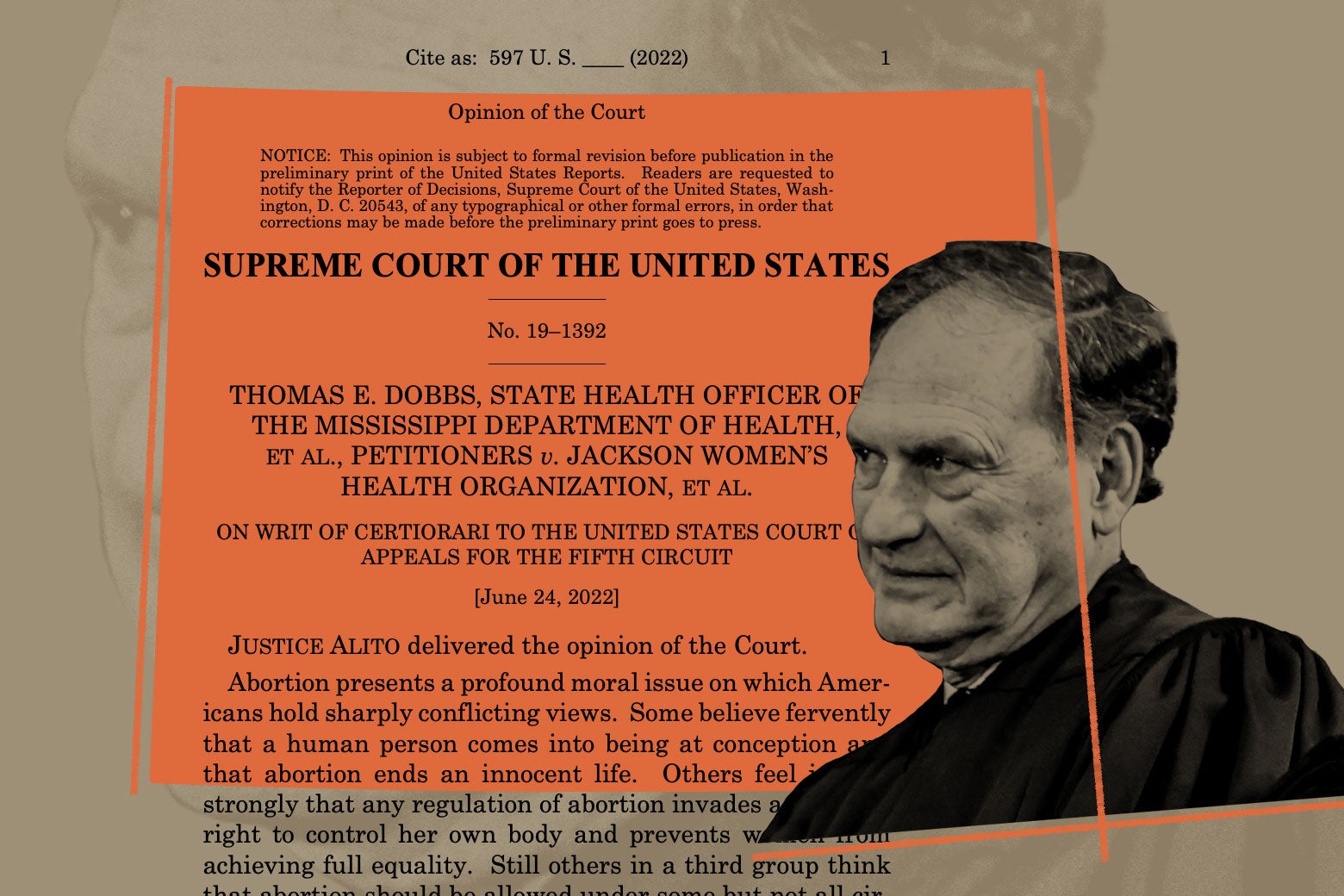
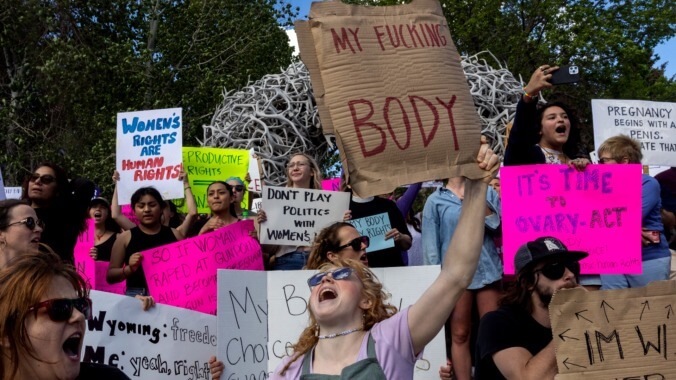
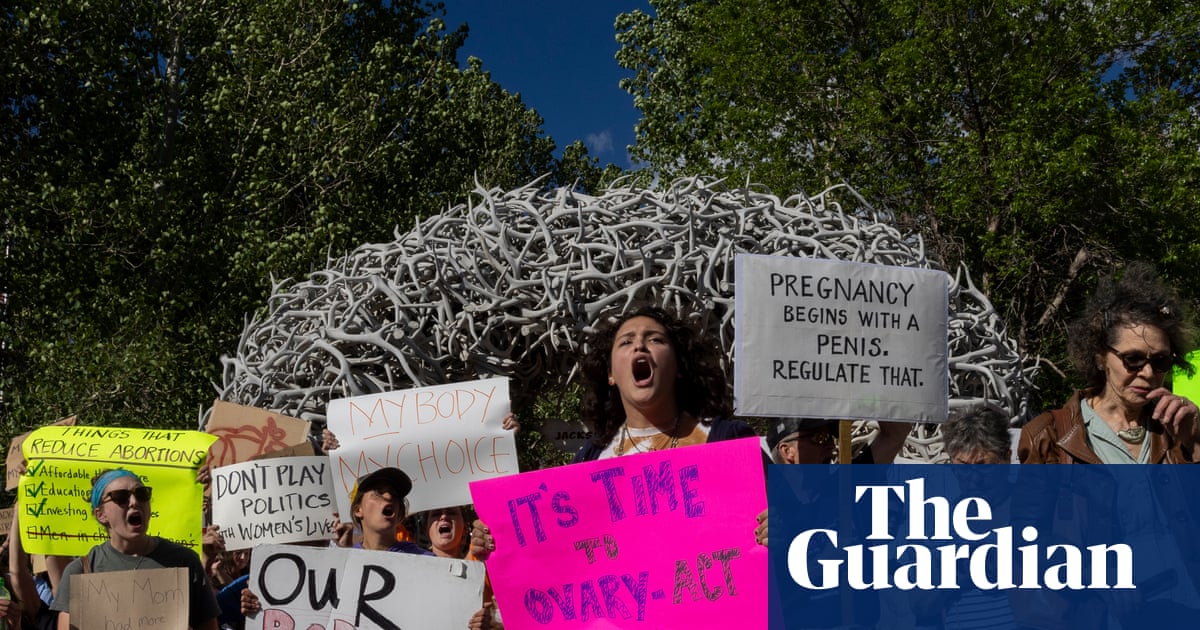
When the US supreme court overturned Roe v Wade more than three years ago, unleashing a wave of state-level abortion bans, the justices catapulted abortion rights to the top of US voters' minds. The issue has dominated every election cycle since and 2025 is no different. The gubernatorial races in New Jersey and Virginia could have sweeping consequences for abortion access in two states that have become havens for women fleeing abortion bans. In Pennsylvania, what should have been a relatively sleepy judicial-retention election has evolved into the most expensive race of its kind in nearly 50 years, largely due to heated fighting over abortion.
Nigel Farage has been urged to explain why a US anti-abortion advocacy group helped arrange a meeting in London with Trump administration officials and diplomats. The meeting, first reported by the New York Times, took place in March between Farage and a delegation from Trump's state department, which it said was overseen by the US embassy and brokered by the Alliance Defending Freedom (ADF) group. The meeting was said to have discussed abortion rights, free speech and online safety laws. ADF, which supports free speech and religious freedom, has worked in Britain to help challenge the prosecutions of Christians who were arrested for praying silently outside abortion clinics, breaching buffer zones.
In 2017, The New York Times investigative journalists Jodi Kantor and Megan Twohey co-authored a bombshell story on sexual abuse allegations against Harvey Weinstein. Their Pulitzer Prize-winning coverage spawned a book, 2019's She Said: Breaking the Sexual Harassment Story That Helped Ignite a Movement (Kantor's second, following 2012's The Obamas). More recently, Kantor investigated the Supreme Court's decision to eliminate the right to an abortion.
I do think a lot of what is happening in terms of the structure of the system itself is dangerous. I think that the hour is late in many ways. My view is that a lot of people who embrace alarm don't embrace what I think obviously follows from that alarm, which is the willingness to make strategic and political decisions you find personally discomfiting, even though they are obviously more likely to help you win.
"We know there's an outrageous, horrific rise in violence against women, sexual crimes and rape," she said. "Now there's the rise of incel culture and the likes of Andrew Tate pushing ideas of men's power and what they're entitled to. It's really sad that those pushing the anti-trans narrative don't realise that's exactly what they're playing into."
"I have a long history of being pro-life," Hanaway told reporters Tuesday, after Missouri Governor Mike Kehoe announced her as the state's new attorney general. She asserted that while she's " empathetic" to people struggling with infertility, she "believe[s] in the sanctity of human life." (Rich words coming from the party whose policies have driven the state's bottom-ranking maternal/infant mortality rates into obscurity.)
The Fourth Circuit Court of Appeals upheld West Virginia's law banning FDA-approved medication abortion, marking the first federal court to sanction such a ban and undermining the FDA's regulatory authority.
Since the Dobbs decision in June 2022, the number of abortions in the US has risen, alongside increased support for reproductive rights and a surge in voluntary sterilizations.
Dr. Meera Shah's book, "You're the Only One I've Told," compiles testimonials from those seeking abortions, revealing varied reasons for their choices.