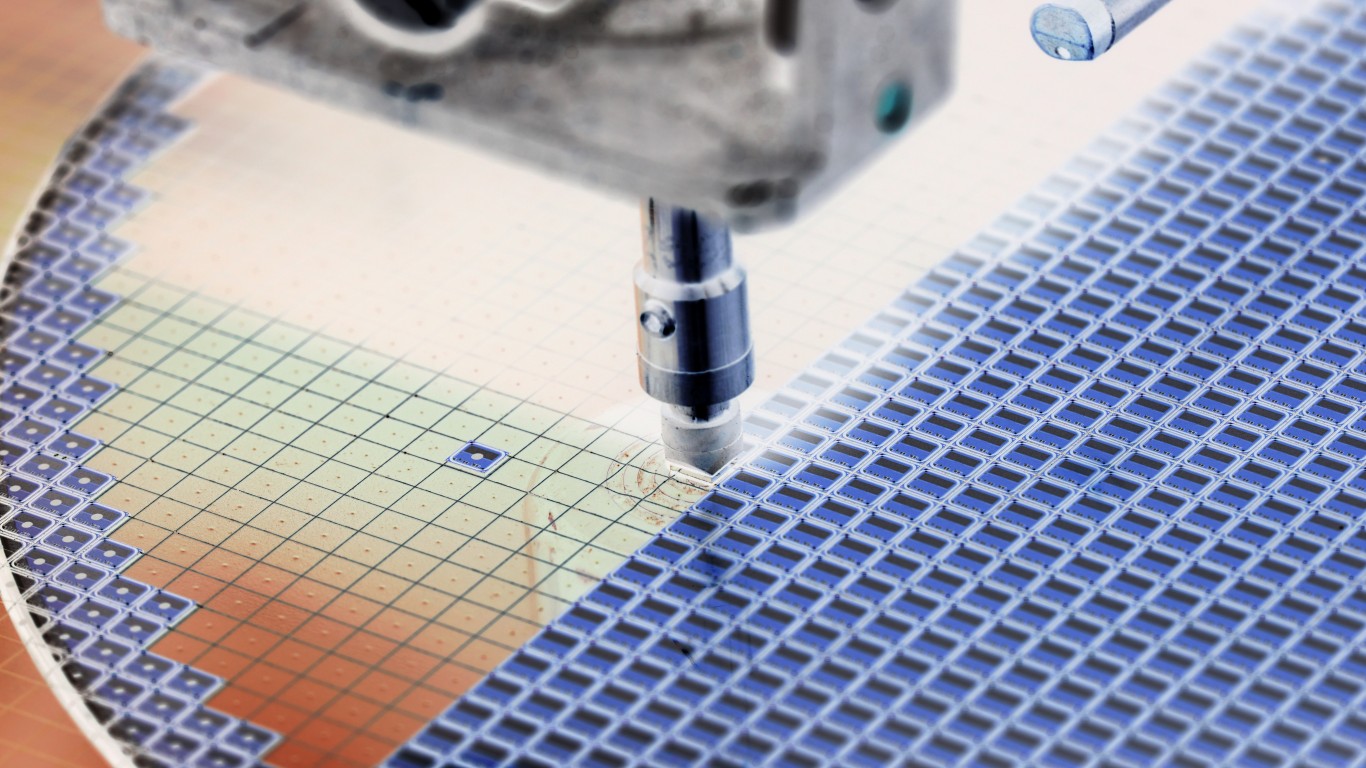
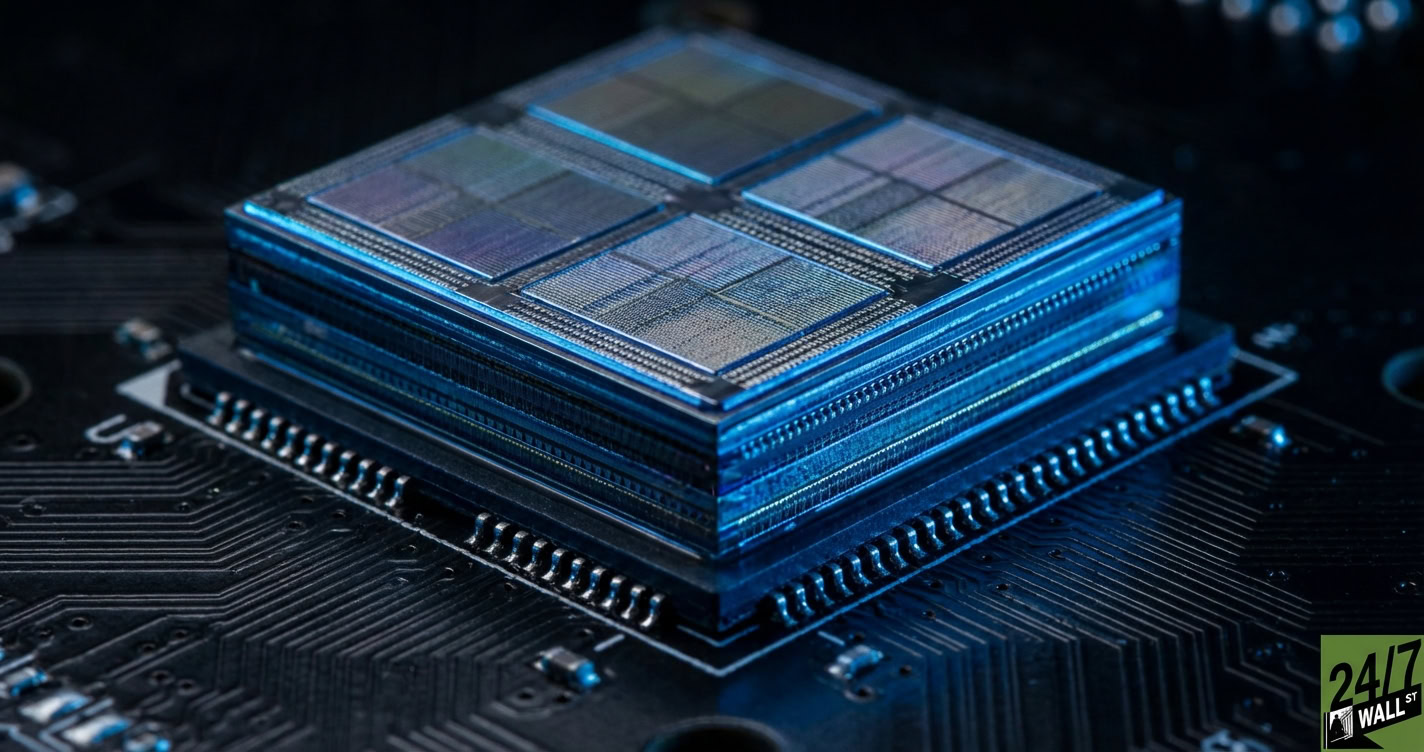
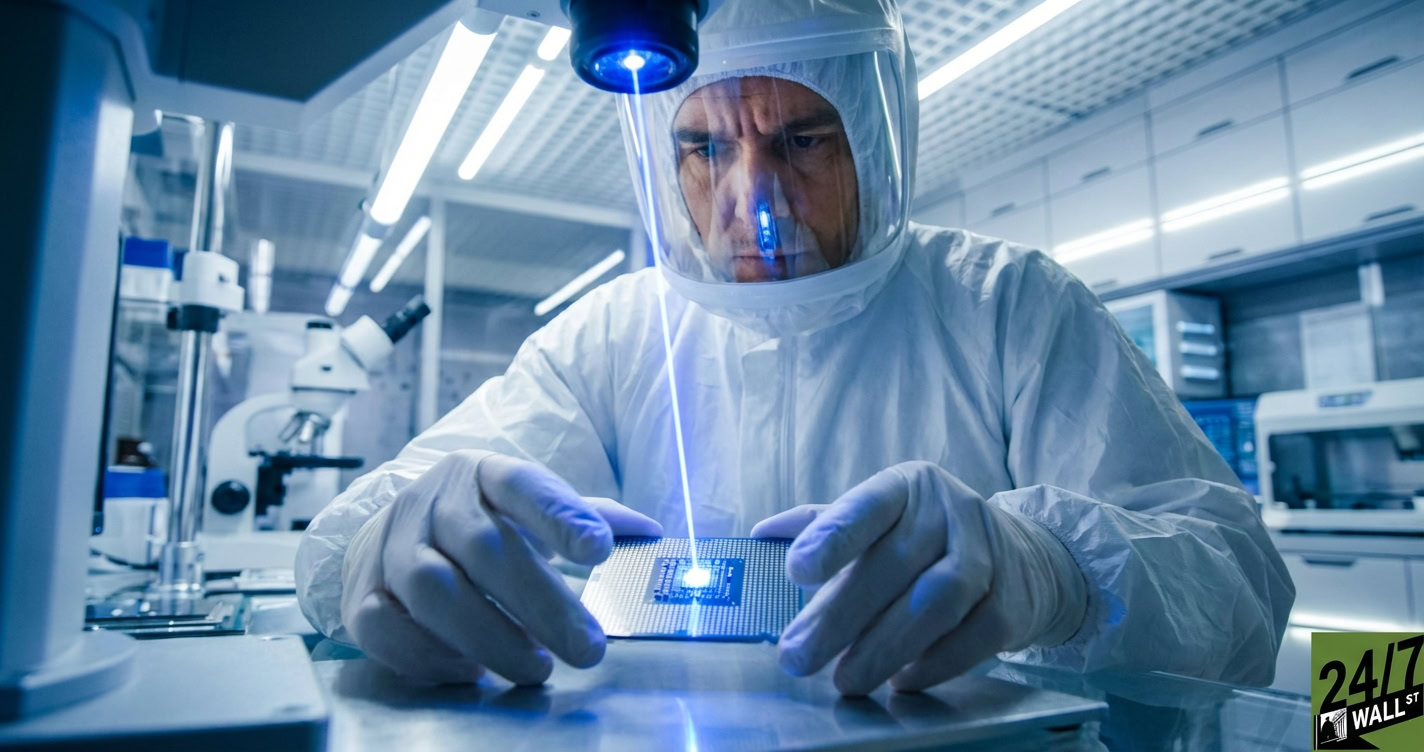
TSMC is the other. TSMC is using its 3nm process, reportedly, while Samsung will do a 2nm as a litmus test for the process. The different versions are due to the fact that 'they translate designs to physical form differently,' CEO Elon Musk said recently. The goal is for the two to operate identically, obviously, which is a challenge. Some might remember Apple's A9 'Chipgate' saga, which found that the chips differed in performance because of different manufacturers.
Layoff announcements this year top 1.1 million, the most since 2020 when the pandemic hit, according to the Challenger jobs report, which has taken on a bit more significance lately due to the patchy official labour market data in the wake of the US government shutdown. The firm said layoff plans hit 71,321 in November, a down from the huge (22yr high for the month) cuts announced in October...the 1.17mn total is 54% higher than the same 11-month period a year ago
When it comes to Chinese internet giant Baidu ( NASDAQ:BIDU), I think investors stand to get AI-powered growth at a very reasonable price. Additionally, with a 0.43 beta, investors might be able to enjoy a less choppy ride once the next market-wide correction in U.S. markets finally happens. At the time of this writing, shares of Baidu trade at 10.8 times trailing price-to-earnings (P/E). Good luck finding anything that cheap that's remotely tied to the AI trade.
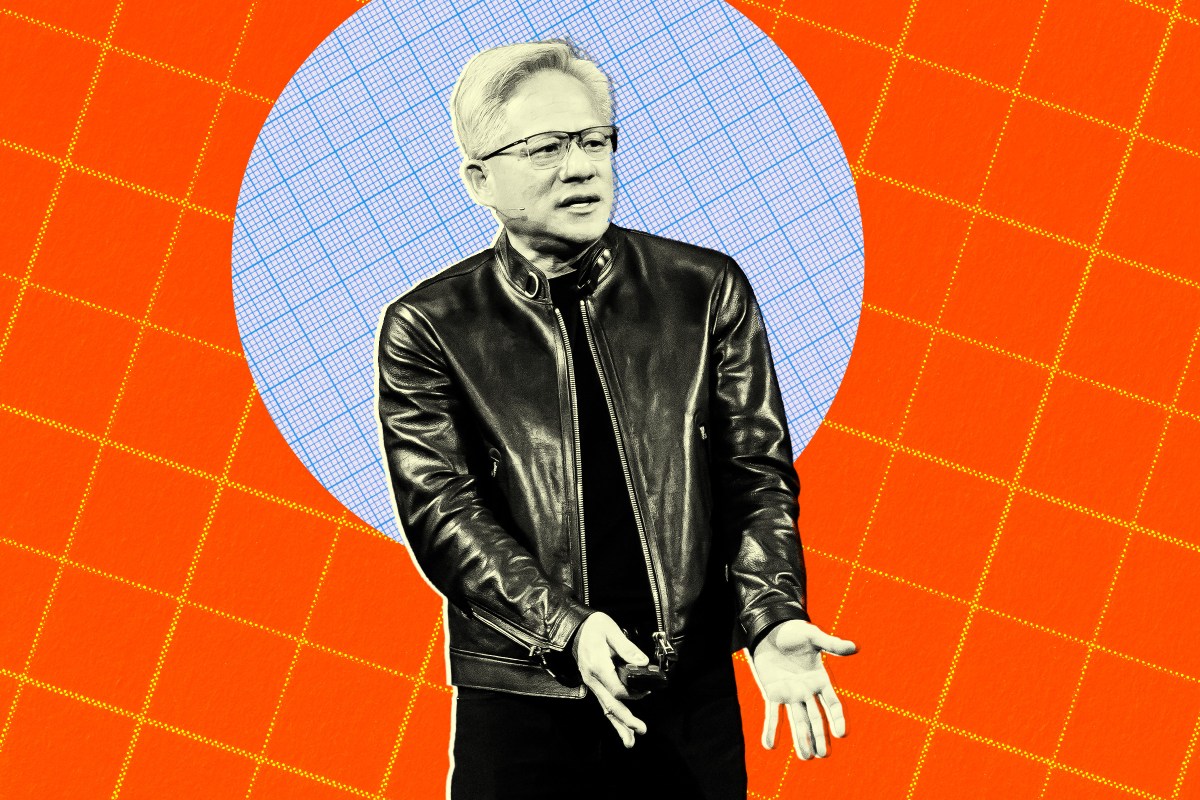
"You know the phrase '30 days from going out of business,' I've used for 33 years," Huang said on an episode ofThe Joe Rogan Experienc. "But the feeling doesn't change. The sense of vulnerability, the sense of uncertainty, the sense of insecurity-it doesn't leave you." Nvidia has made itself one of the clear leaders in the AI race. What started as a graphics card producer grew into a tech powerhouse, building chips, systems, and software that power most large AI models in cloud data centers around the world.
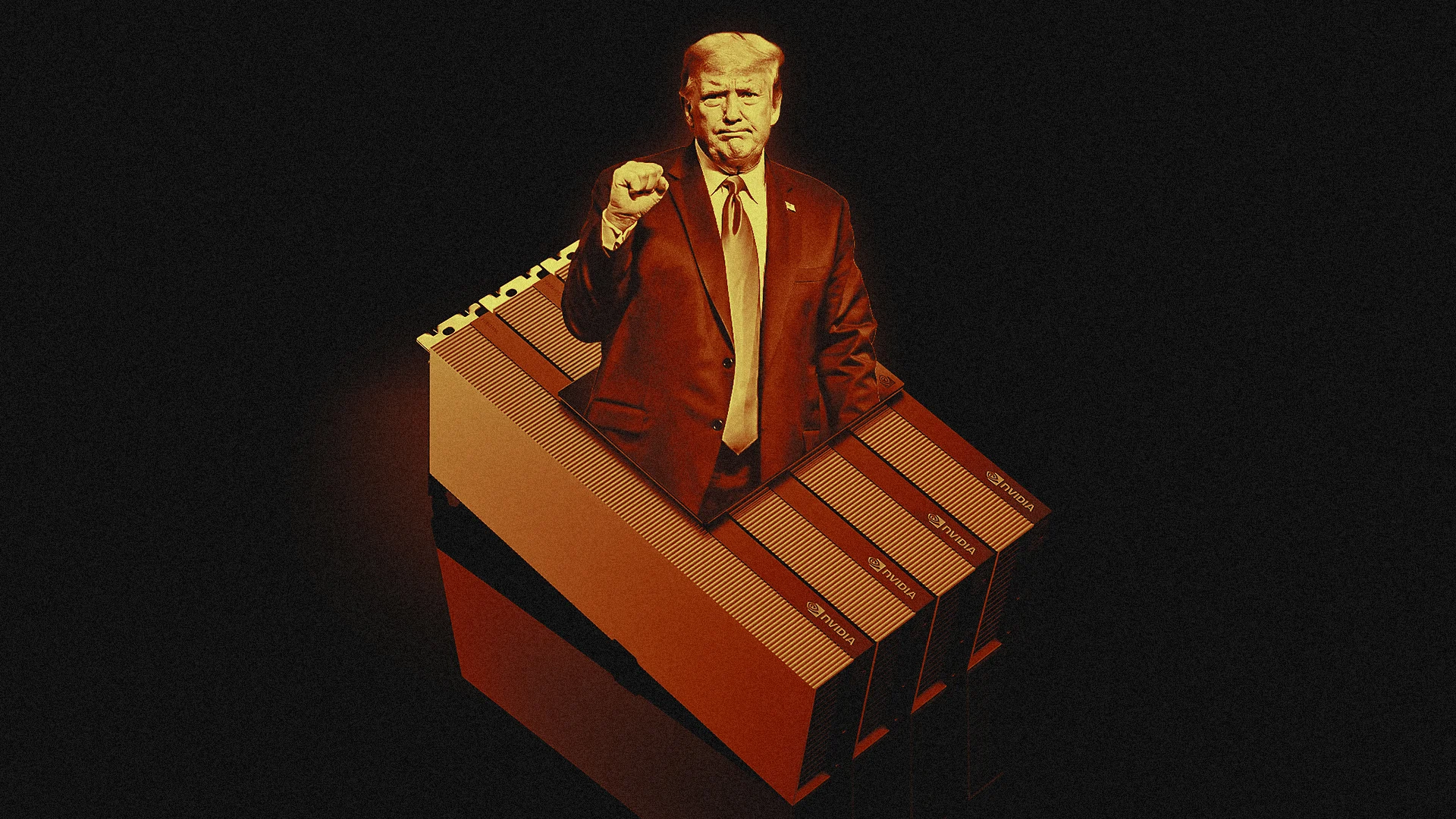
After a slow start on Tuesday, all the major indices began to rally by noon and finished well in the green by the close. The initial downturn was sparked by news that Alphabet Inc. (NASDAQ: GOOG) was in talks with Meta Platforms Inc. ( NASDAQ: META) to sell them its custom AI chips. Google's own specialized chips, called Tensor Processing Units (TPUs), are optimized for AI and machine learning workloads and are typically used in its own data centers. NVIDIA Inc. ( NASDAQ: NVDA) was down almost 3% by the close on the news, which started the early selling, and while the rest of the indices recovered, the chip giant finished the day in the red.
This morning, the U.S. Department of Commerce announced September retail sales data, which showed sales began slowing even before the government shutdown through the economy for a loop. Sales increased 0.2% in September nationwide, slower than August's 0.6% gain. Worse, essentially all the increase in September "sales" came in the form of price hikes on products. Prices rose 0.3% in the month, and if you back out that increase, shopping-sales actually declined 0.1%.
Apple ( NASDAQ:AAPL ) continues to dominate the tech landscape as a powerhouse in consumer electronics and services, with its stock delivering robust returns for investors amid the artificial intelligence (AI) boom. Valued at over $4 trillion, the company thrives on its integrated ecosystem, where custom silicon plays a pivotal role in driving performance gains across iPhones, Macs, and emerging AR/VR devices.
If Musk's recent responses on X are any indication, it would appear that Tesla's AI8 will be used by the CEO's other companies, and its applications would literally extend out of this world. Tesla's AI8 could extend beyond vehicles Musk's update came on the heels of his recent comments, where he revealed that Tesla was not just working on its AI5 and AI6 chips. The company is also designing AI7 and AI8. This comment caught a lot of attention, with some wondering why Tesla feels the need to design an AI8 chip when AI4 seems on track to be a good fit for autonomous driving.