#antibiotic-resistance
#antibiotic-resistance
[ follow ]
#public-health #microbiology #global-health #superbugs #drought #healthcare #climate-change #mrsa #drug-discovery
fromNature
15 hours agoWhy farm workers need protection from antimicrobial resistance
Liberal use of antimicrobial drugs on farms - including those that produce fruit rather than meat - can result in pathogens becoming impervious to these essential medications. These drug-resistant organisms can cause infections in farm workers that are difficult to treat and can spread to other people. This situation has raised concerns among workers' rights groups and scientists studying the rise of antimicrobial resistance (AMR).
Agriculture
fromNature
15 hours agoThe hunt for the next antibiotics
Antibiotics are losing their effectiveness. With the growth of antimicrobial resistance, routine treatments could become impossible owing to the risk of infection. Cancer treatments, care of newborns and routine surgeries are all in danger if this trend isn't curbed. Millions of people are already dying from infections by antibiotic-resistant bacteria.
Public health
fromNature
15 hours agoSix key developments in the fight against antimicrobial resistance
The scientists analysed more than 4,000 samples of manure from pigs, chickens and cattle in 26 countries over 14 years. They found more than 3,000 uncharacterized antibiotic-resistance genes, showing that manure hosts a more diverse set of resistant bacteria than was thought.
Medicine
Coronavirus
fromFast Company
1 week agoSalmonella outbreak: CDC map shows where drug-resistant infections linked to backyard poultry are occurring
A multistate Salmonella outbreak linked to antibiotic-resistant strains has been reported, primarily associated with backyard poultry, affecting 34 individuals across 13 states.

fromFast Company
1 month agoAI is coming for superbugs
Antibiotics are essential for modern medicine, but bacteria are evolving and developing resistance, turning routine infections into life-threatening conditions. A global analysis estimates that antibiotic-resistant infections could cause over 39 million deaths by 2050.
Medicine
fromwww.bbc.com
1 month agoNHS staff star in musical on antibiotic resistance
Prof Ashley Brown, a consultant at St Mary's, expressed the challenges of balancing clinical responsibilities with rehearsals, stating, 'singing is good for the heart.' He believes that 'everyone should sing more often' and suggested that singing could be prescribed on the NHS to cure various ills.
London music
Public health
fromwww.theguardian.com
1 month agoDrinking from a fetid pond': superbug-creating genes found in UK's largest lake
Antibiotic-resistance genes, including last-resort carbapenem-resistant genes, have been detected in Lough Neagh, a major drinking water source for Northern Ireland, posing significant public health risks.

Science
fromenglish.elpais.com
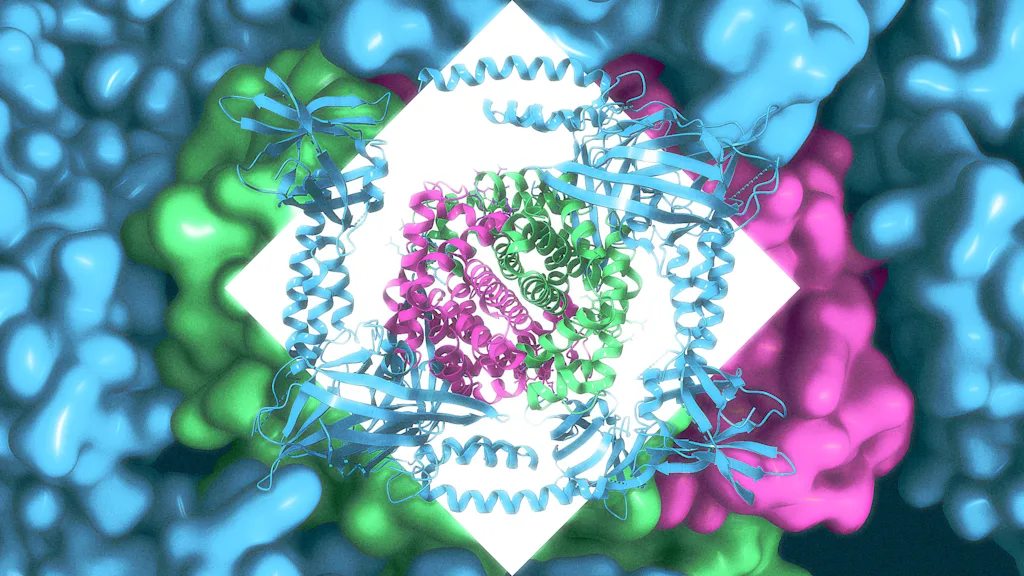
2 months agoA bacterium frozen 5,000 years ago has been found capable of standing up to super-pathogens
A 5,000-year-old Psychrobacter strain recovered from Romanian cave ice displays resistance to multiple modern antibiotics and produces compounds that inhibit other, hard-to-treat pathogens.

Public health
fromwww.theguardian.com
4 months agoThe Guardian view on antibiotics: recent breakthroughs are great news, but humanity is losing the bigger race | Editorial
New incentive models and nonprofit–industry partnerships are enabling the development of urgently needed antibiotics like zoliflodacin against resistant gonorrhoea.
fromTasting Table
6 months agoThe Ethical Reason Some People Avoid Ordering Arby's - Tasting Table
There are a lot of ethics tied up with the food we eat. For some, that's why they choose a vegan diet. Others seek out things like fair trade-certified coffee or chocolate. Whether it's cage-free eggs or wild-caught salmon, there are many ways consumers can follow their conscience regarding the food they eat. In the world of fast food restaurants, some diners avoid Arby's since the chain has no policy on record about using beef raised without antibiotics.
Food & drink
fromwww.theguardian.com
6 months agoCan we keep antibiotics working? Yes, but the world needs to follow the EU and the UK | Devi Sridhar
Studies tracking their use estimate that 73% of all antimicrobials sold globally are used in animals raised for food. This enormous overuse is leading to a rise in antibiotic-resistant pathogens. For example, resistance to colistin, a last-resort antibiotic, first developed in E coli bacteria which then infected pigs. E coli was later found in pig farmers. All it takes is aeroplanes and global travel networks for these pathogens to spread globally.
Public health
Public health
fromwww.theguardian.com
6 months agoSharp global rise in antibiotic-resistant infections in hospitals, WHO finds
Antibiotic resistance rose globally: one in six confirmed bacterial infections were antibiotic-resistant in 2023, depleting treatment options and increasing death risk, especially in low-resource countries.

fromLos Angeles Times
7 months agoCDC warns of dramatic rise in dangerous drug-resistant bacteria. How you can protect yourself
The Centers for Disease Control and Prevention warned in a report this week that between 2019 and 2023, bacterial infections caused by a "super bug" bacteria dubbed NDM-producing carbapenem-resistant Enterobacterales (NDM-CRE) surged by more than 460% in the U.S. The NDM-CRE is a type of bacteria with a special gene that can break down powerful antibiotics rendering most drug treatments ineffective, said Shruti Gohil, associate professor of infectious diseases at UC Irvine School of Medicine.
Public health
Public health
fromwww.scientificamerican.com
7 months agoCDC Sounds Alarm over Nightmare Bacteria' That Resist Last-Resort Antibiotics
Carbapenem-resistant Enterobacterales infections in the U.S. rose up to 461 percent between 2019 and 2023, creating severe treatment challenges and public health concern.
fromDaily Coffee News by Roast Magazine
7 months agoStudy: Caffeine May Reduce Effectiveness of Some Bacterial Infection Antibiotics
A new study from researchers in Germany found that caffeine from coffee and other sources can reduce the effectiveness of certain antibiotics against harmful bacteria. Scientists at the Universities of Tübingen and Würzburg discovered that caffeine triggers a complex chain reaction in E. coli bacteria that makes them less susceptible to antibiotics like ciprofloxacin, a commonly prescribed fluoroquinolone used to treat urinary tract infections, pneumonia and many other bacterial infections.
Science

Science
fromwww.scientificamerican.com
8 months agoYour Gut Is Full of VirusesAnd That's a Good Thing
A diverse gut virome, dominated by bacteriophages, continually shapes health by modulating bacterial populations, transferring genes like antibiotic resistance, and changing with age, diet, and environment.
[ Load more ]