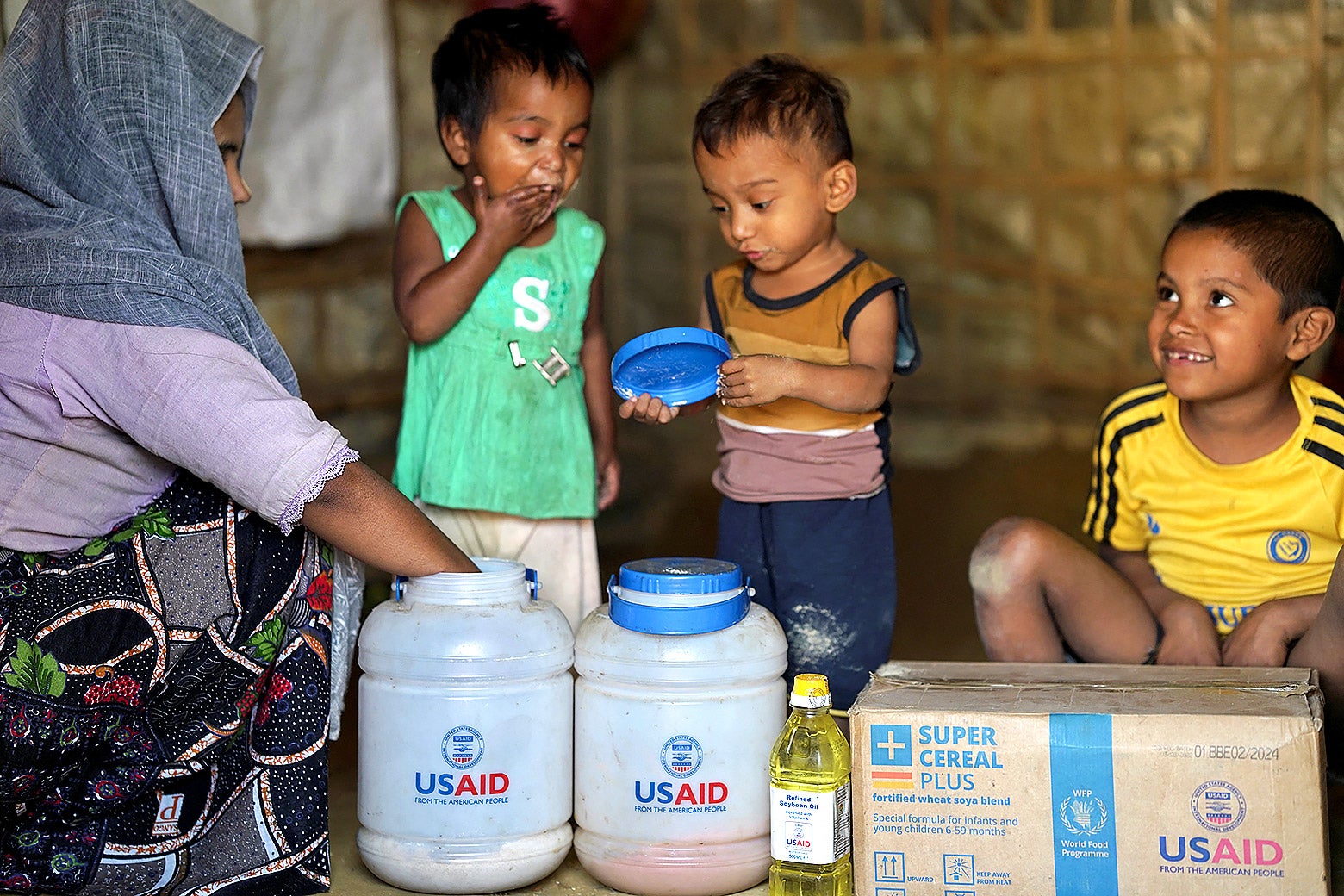
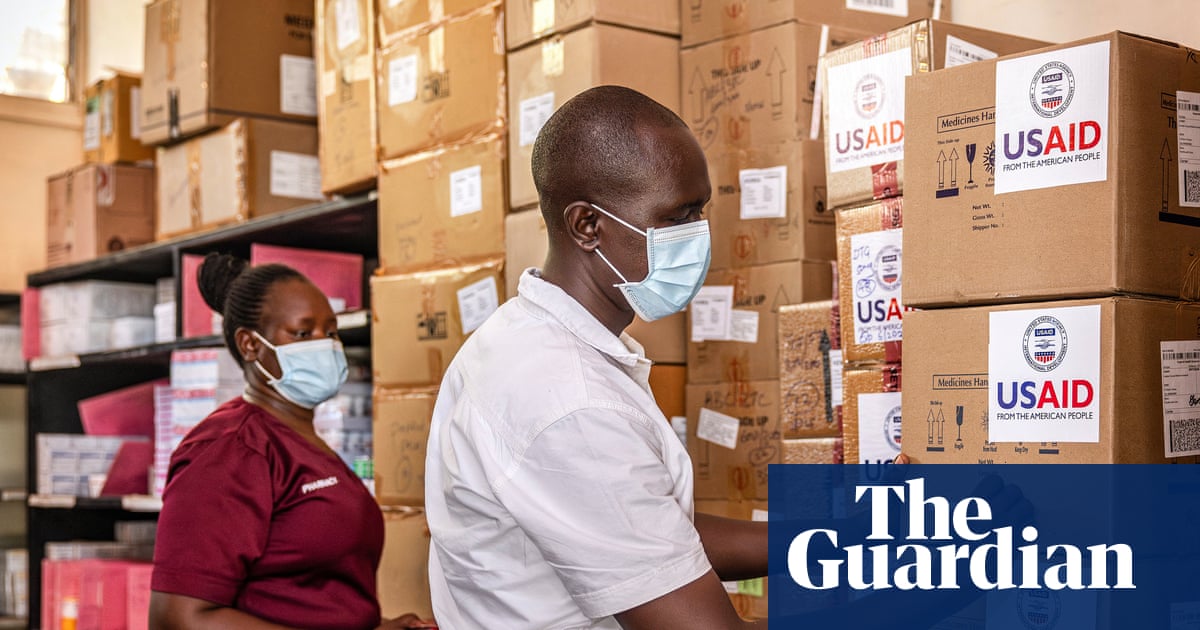
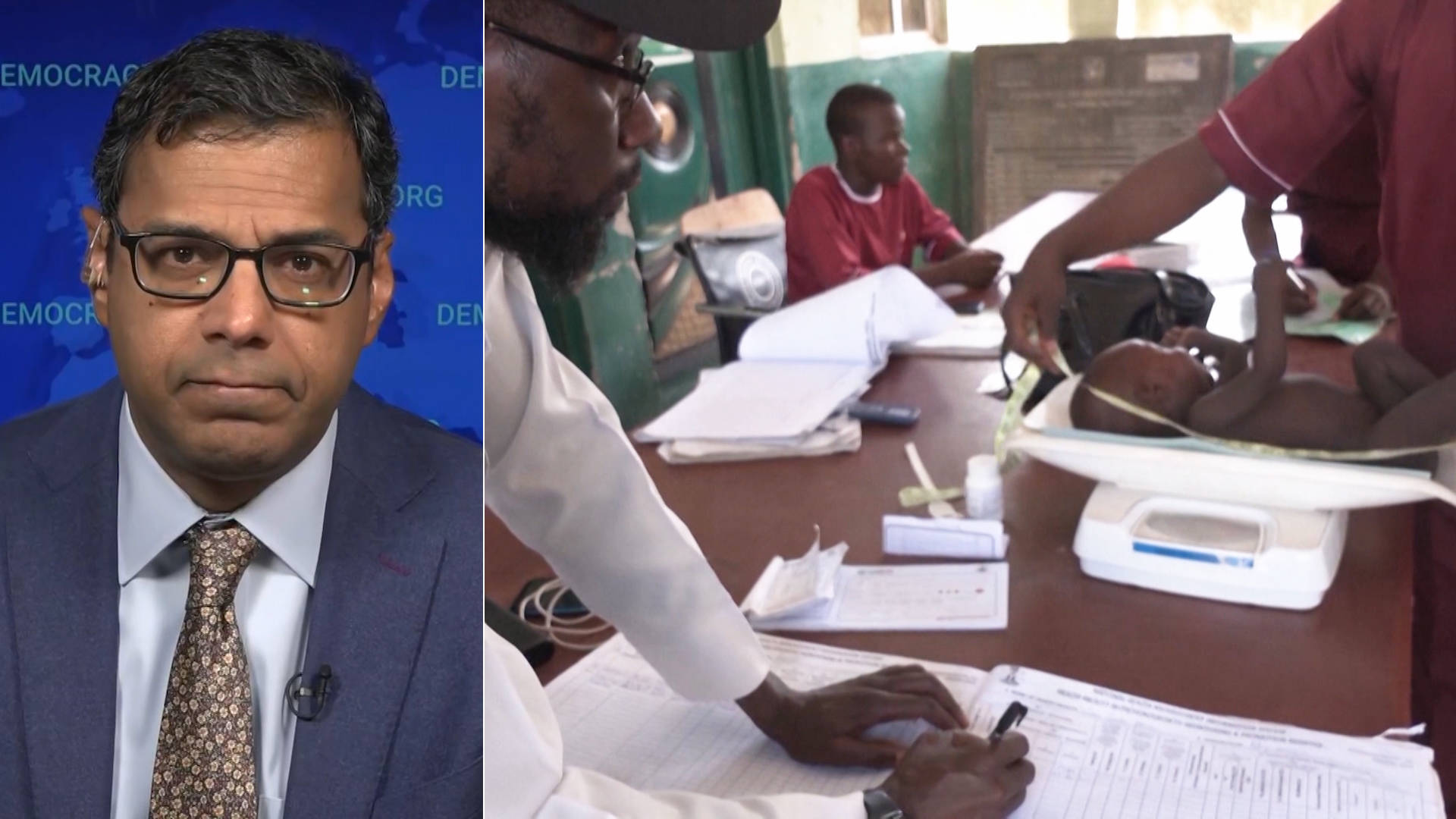
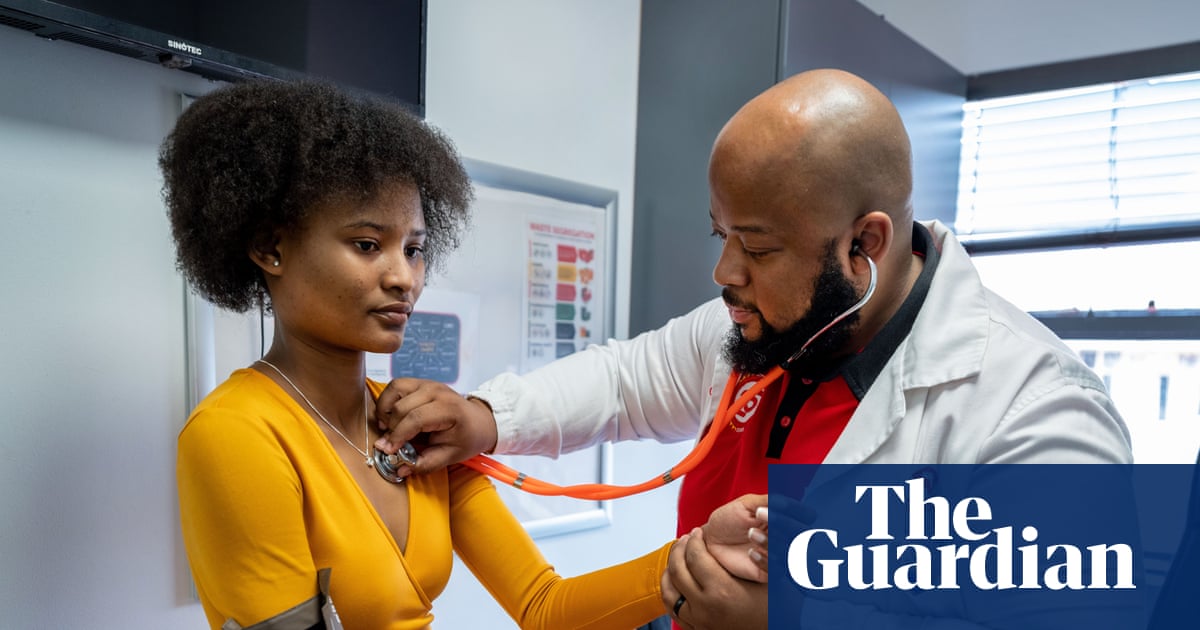
Aid cuts could lead to more than 22 million avoidable deaths by 2030, including 5.4 million children under five, according to the most comprehensive modelling to date. In the past two decades there have been dramatic falls in the number of young children dying from infectious diseases, driven by aid directed to the developing world, researchers wrote in the Lancet Global Health. But that progress was at risk of reversal because of abrupt budget cuts by donor countries, including the US and the UK.
From reproductive rights to climate change to Big Tech, The Independent is on the ground when the story is developing. Whether it's investigating the financials of Elon Musk's pro-Trump PAC or producing our latest documentary, 'The A Word', which shines a light on the American women fighting for reproductive rights, we know how important it is to parse out the facts from the messaging. At such a critical moment in US history, we need reporters on the ground.
On Feb. 1, 2003, the space shuttle Columbia broke apart as it re-entered the Earth's atmosphere, killing all seven crew members: commander Rick Husband; pilot William McCool; payload commander Michael Anderson; mission specialists Kalpana Chawla, David Brown and Laurel Clark; and payload specialist Ilan Ramon. Also on this date: In 1865, abolitionist John S. Rock became the first Black lawyer admitted to the bar of the U.S. Supreme Court.
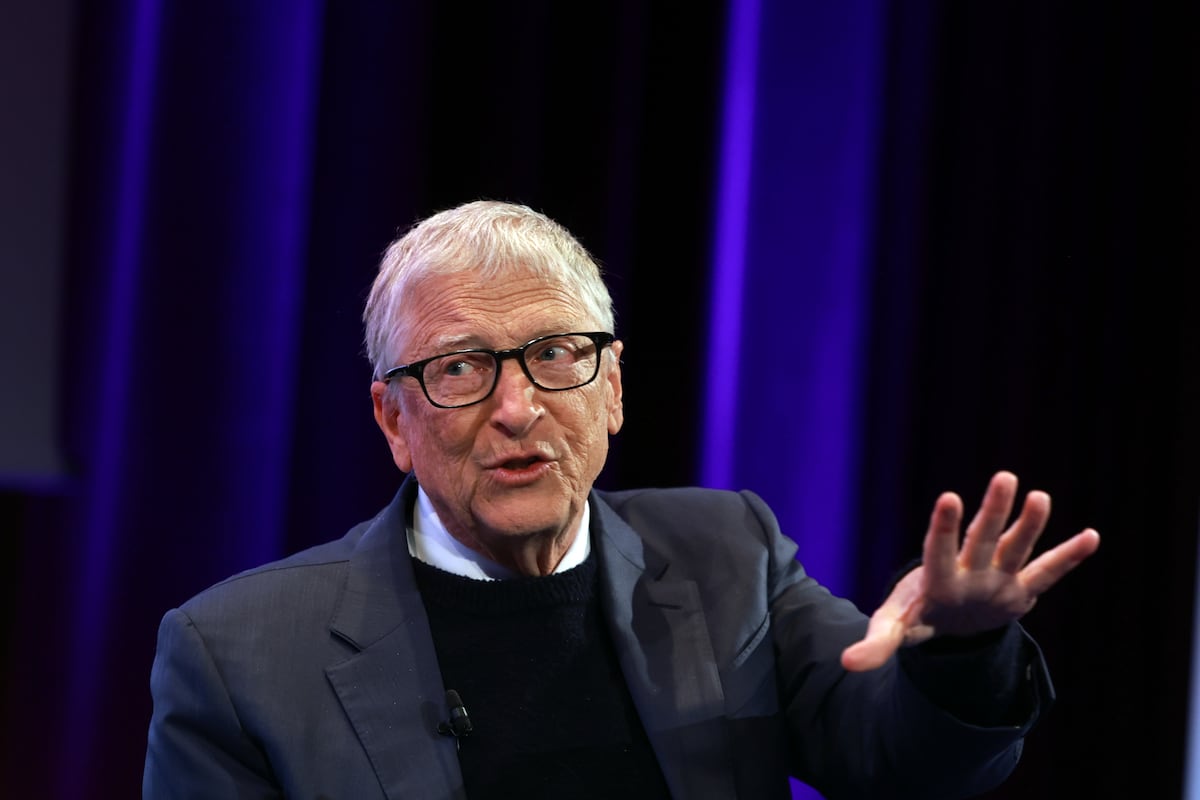
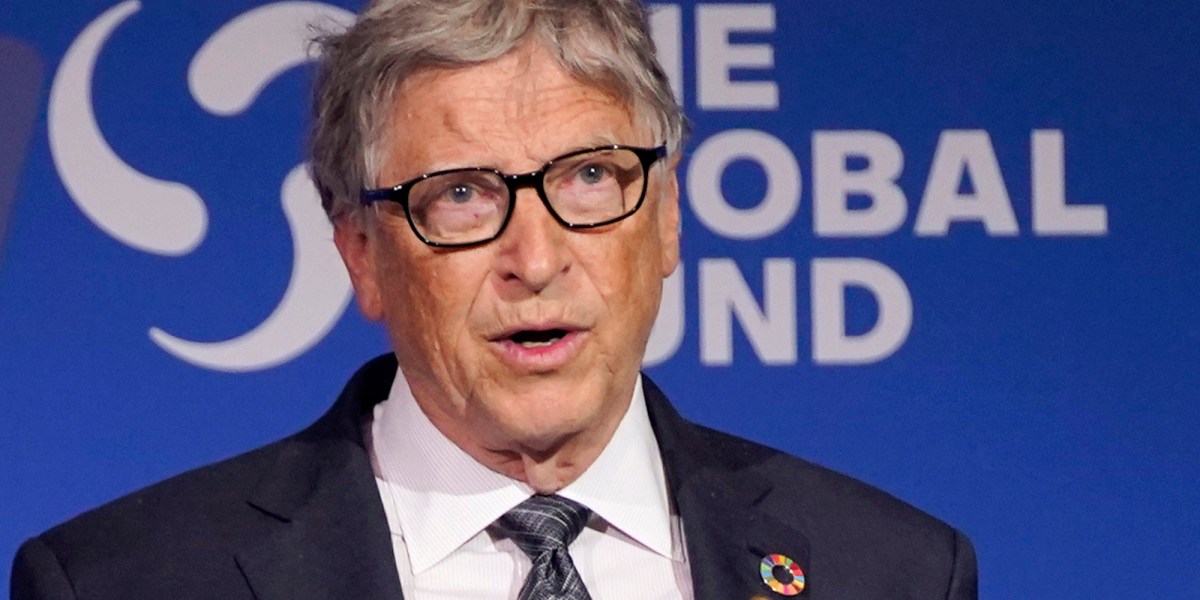
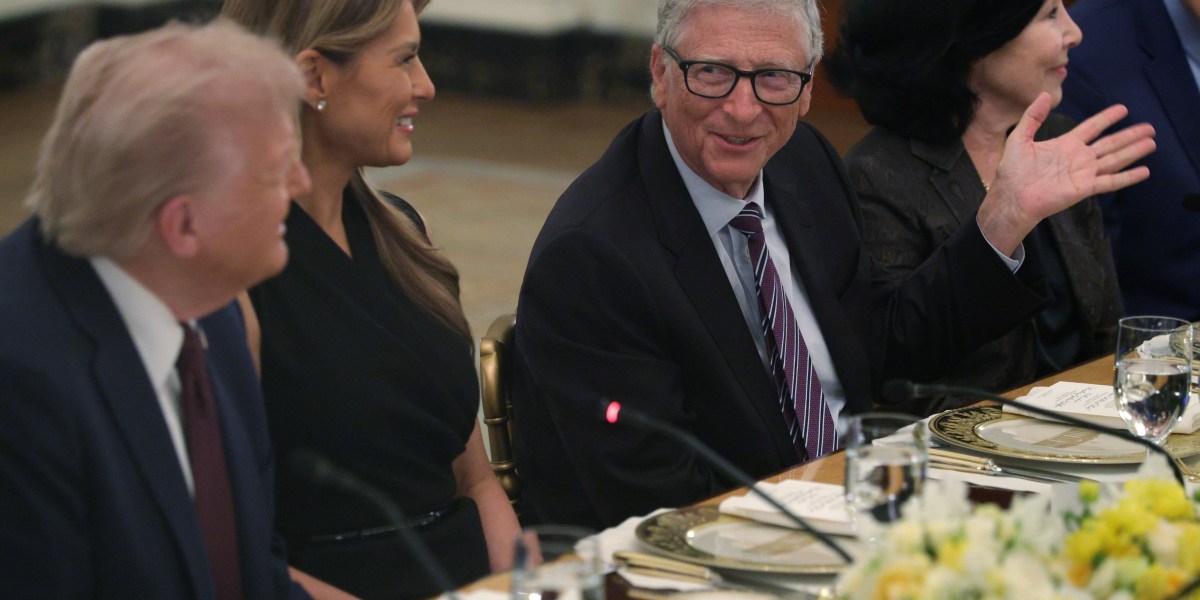
This year, the Gates Foundation will spend a record $9 billion and cut as many as 500 staff jobs during the next five years as the world's largest private foundation plans to shutter. The foundation's motivation for its move is to accelerate giving to global health, poverty, and education, helping beneficiaries take ambitious bets now rather than maintaining operations indefinitely. These moves underscore how one of the defining philanthropic institutions of this century is reconfiguring for its sunsetting era.
NPR's global health and development team tells stories about life in our changing world, focusing on low- and middle-income countries also referred to as the Global South. And we keep in mind that we're all neighbors in this global village. NPR receives financial support for this team from the Gates Foundation. NPR is solely responsible for all content. Find more about NPR's standards and practices at NPR.org/ethics, as well as a list of our philanthropic supporters in our annual report.
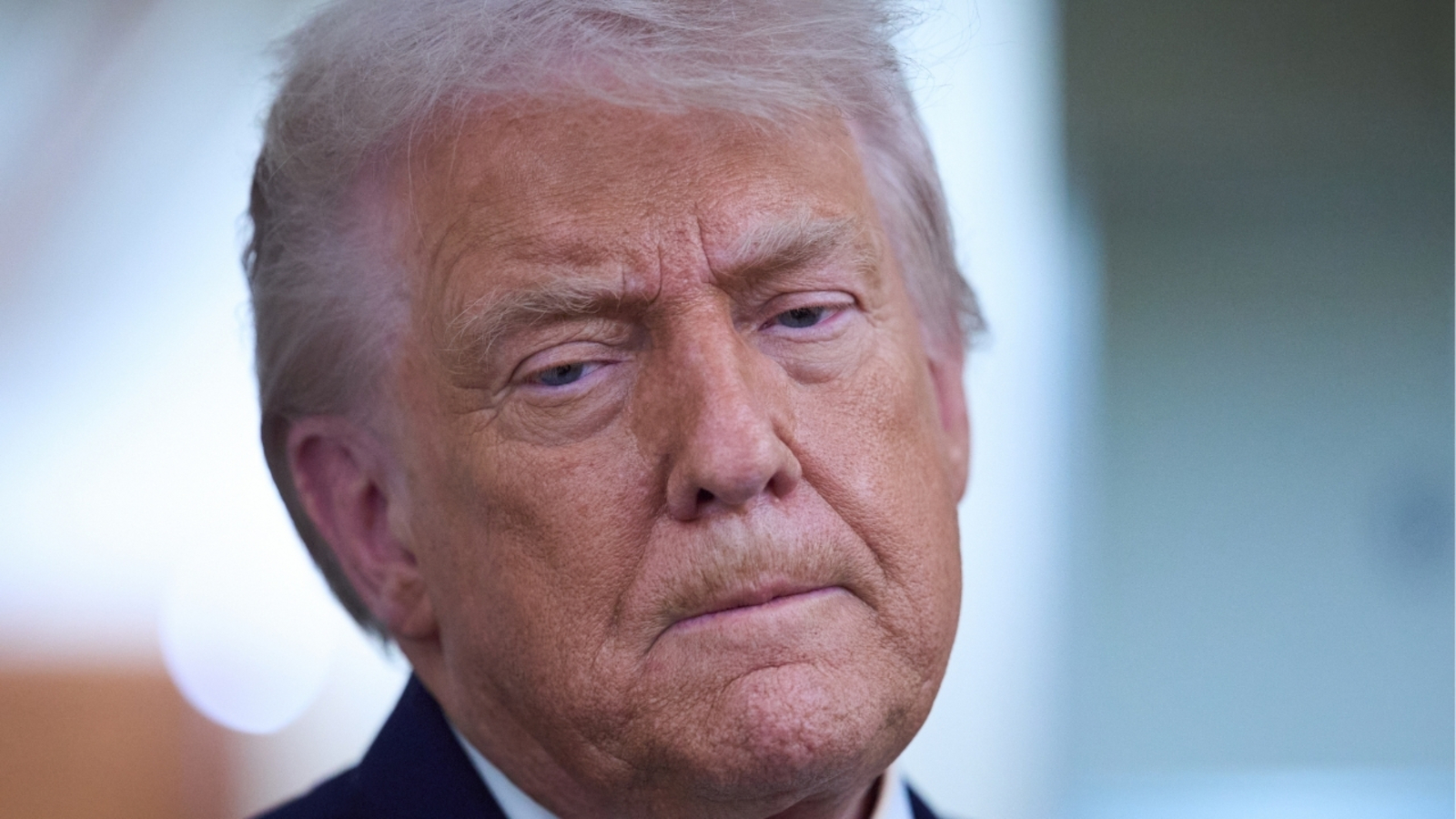
"This is a ridiculous and dangerous, thoughtless and malicious action," says Nina Schwalbe, a senior scholar at the Georgetown Center for Global Policy and Politics, who has been a critic of the Trump administration's cuts to global health. "He withdrew from the World Health Organization [almost a year ago], which was the first sign of his withdrawal from multilateralism. He cut down a tree. Now he's cutting down the whole forest," she says. "The implications are going to go so far and wide from children's education to climate change to art and culture. He's just taken a bazooka and blown the whole thing apart."
Plans by Reform UK to slash the aid budget by 90% would not cover existing contributions to global bodies such as the UN and World Bank, shredding Britain's international influence and risking its standing within those organisations, charities and other parties have warned. Under cuts announced by Nigel Farage in November, overseas aid would be capped at 1bn a year, or about 0.03% of GDP.
Most people don't like getting vaccines, much less seeing their children have needles poked into their thighs and arms. But context can change that. Besieged by terrifying outbreaks of paralytic polio and the spectre of iron-lung respirators, many parents were happy to see their children receiving the first polio vaccinations in the 1950s. Similarly, when I got my first COVID-19 vaccine, it instantly relieved the sense of existential dread that I had felt for almost a year as the death toll rose.
The last outbreak of cholera in Britain was in 1866; in the United States there has not been an outbreak since 1911. And yet today people are sick with this ancient disease in 32 countries, with more than 6,800 deaths reported so far this year already exceeding all of last year's toll of 6,000 deaths, which was itself a 50% increase on 2023.
Antibiotics have turned once deadly infections into minor inconveniences. They make lifesaving interventions, from surgery to chemotherapy, safer. But every time this powerful tool gets used, there's a risk antibiotic resistance. Out of the billions of bacteria causing an infection in an individual, some small fraction may be naturally resistant to a given drug. Taking an antibiotic can clear the field for those resistant bacteria to spread.
Dr. Solomon Zewdu is based in South Africa and he says the thing that struck him most this General Assembly is that global health leaders are "talking in silos." "We're not hearing each other," he says. Some are having conversations about how dependent countries are on aid, while others are lamenting the cuts. "But now, what's the next step? Let's move on. There's urgency. Time kills people," he says. He's afraid "everybody's going to scatter, and then we might wait for the next summit to happen and, in between, people dying, people's health is being compromised."
Gates declared he was in the second phase of his career, focusing on areas like vaccines or gene editing. He continued: We don't need new science to eradicate polio, but heralded Trump's past pandemic vaccine drive when adding on diseases like HIV and sickle-cell, we do need new science, but the U.S. has the seeds, the same that Warp Speed' took those seeds and put them together.
The extremely limited availability of mpox vaccines in DRC has already drastically reduced the reach of the national strategic plan for vaccination against mpox. This means that without improved access to vaccines, thousands of people may be left unprotected.
World leaders face immense challenges in securing funds for development. Aid cuts have disrupted health and humanitarian work while economic instability drains government resources.