#artemis-2
#artemis-2
[ follow ]


Science
fromenglish.elpais.com
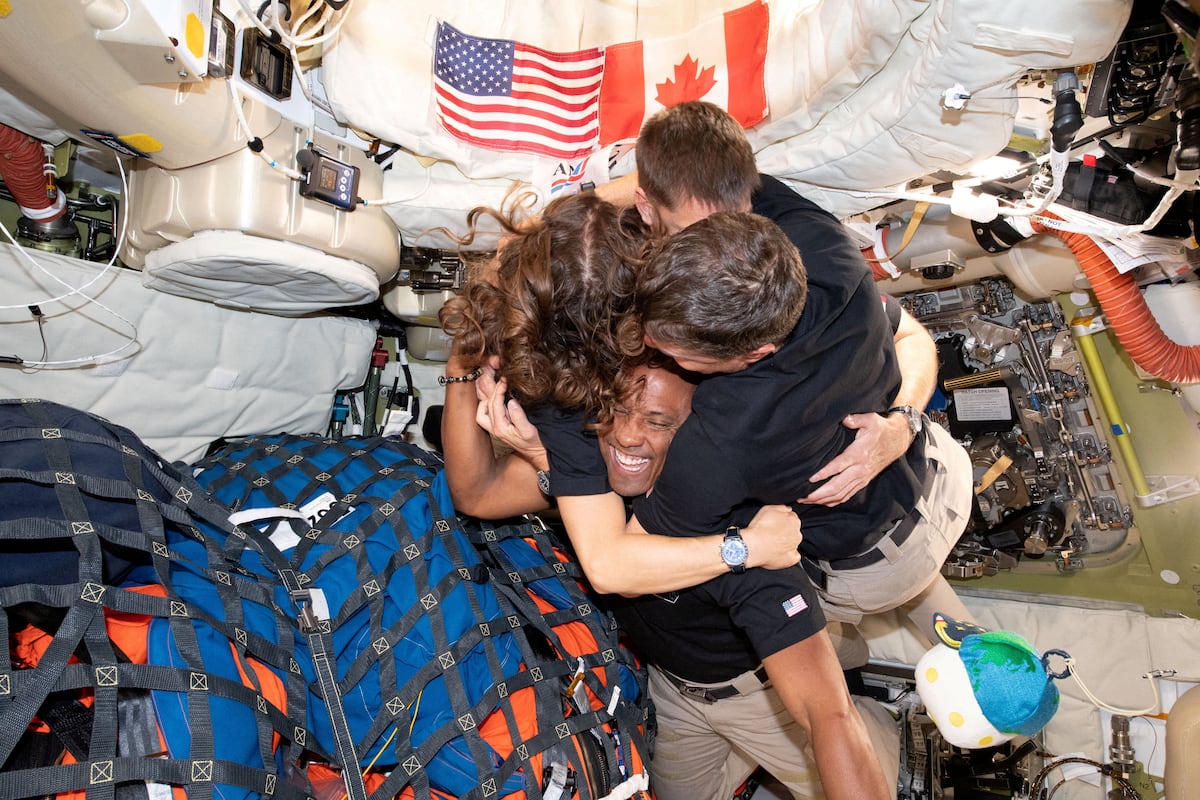
4 weeks agoCuriosities of Artemis 2: An astronaut plushie, a Wikipedia editor in space, and nods to covert advertising
The Artemis 2 mission marks a significant return to the Moon, showcasing milestones like increased female representation in STEM and unique social media moments.
#orion-spacecraft

Science
fromenglish.elpais.com
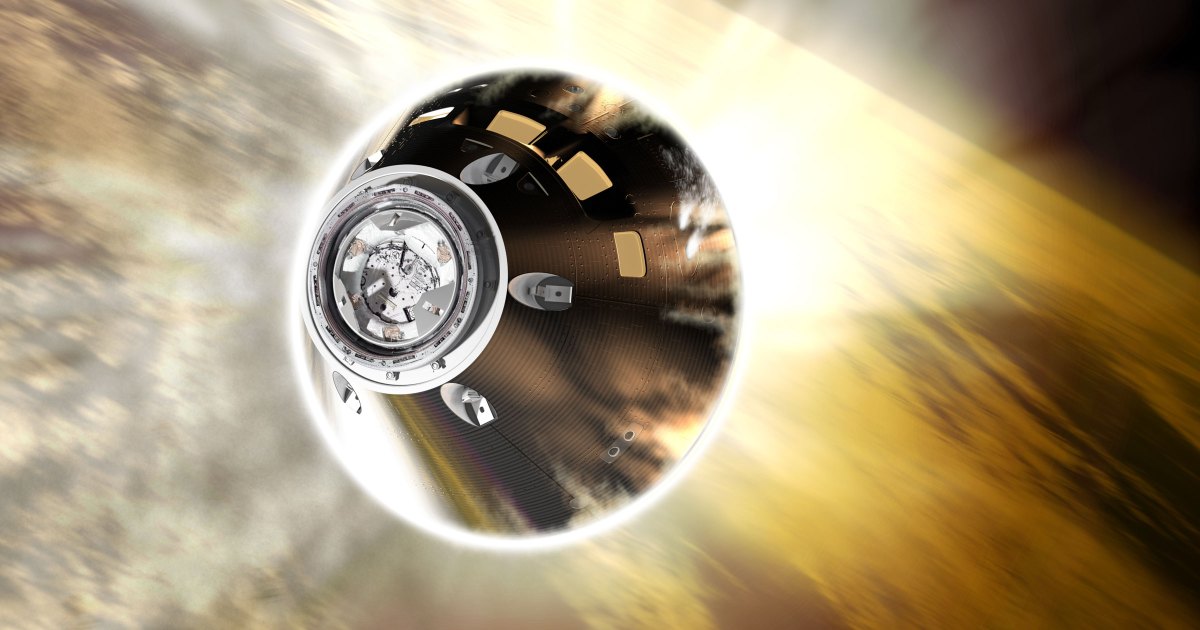
1 month agoArtemis astronauts face the most dangerous part of their mission, riding a fireball through the atmosphere' on re-entry
The Artemis 2 mission's return to Earth on April 10 involves extreme temperatures and speeds, making it the most dangerous part of the mission.
Science
fromenglish.elpais.com
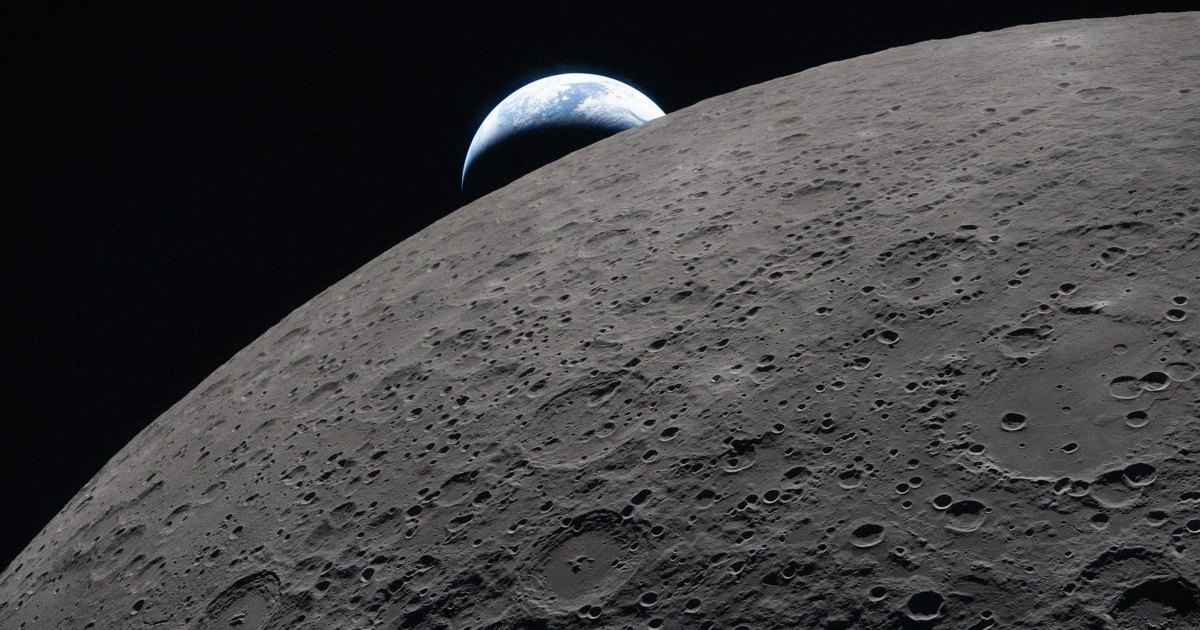
1 month agoArtemis 2 begins its return to Earth after exploring previously unseen areas of the far side of the Moon
Orion spacecraft lost contact with Earth during its mission, achieving significant milestones including record distance from Earth and witnessing a total solar eclipse.
fromenglish.elpais.com
1 month agoThe journey of Artemis 2 to the far side of the Moon: The challenge of exploring what no one has ever seen
Only 24 people have seen the far side of the Moon with their own eyes in the entire history of humanity. All of them were men, Americans, and white: the crew members of the nine Apollo missions that traveled to the Moon between 1968 and 1972.
Science
fromwww.aljazeera.com
2 months agoNASA rules out March launch for manned moon mission over technical issues
NASA's next opportunity for the launch would be at the beginning or end of April. The US space agency hopes to put humans back on the moon as China forges ahead with a rival effort that is targeting 2030 at the latest for its first crewed mission. China's uncrewed Chang'e 7 mission is expected to be launched in 2026 for an exploration of the moon's south pole, and testing of its crewed spacecraft Mengzhou is also set to go ahead this year.
Science
fromEngadget
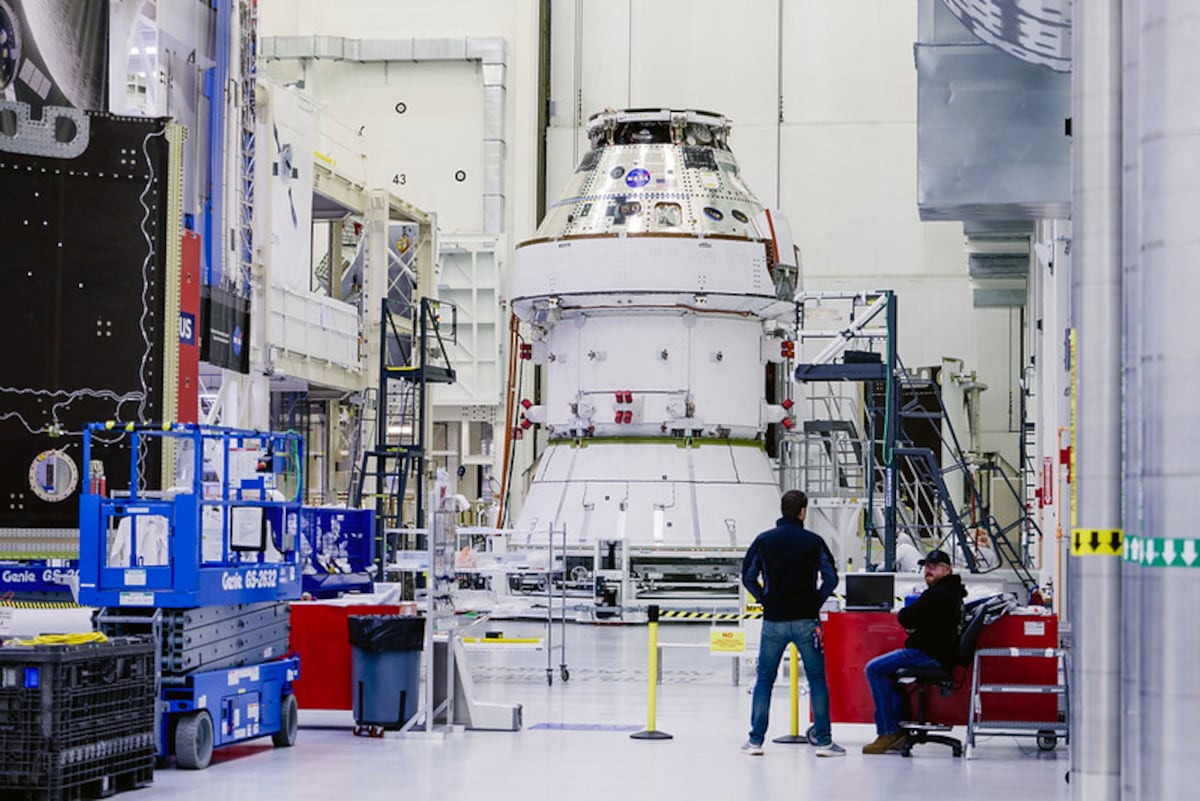
2 months agoNASA targets March 6 for Artemis 2 launch to take astronauts around the Moon
During Thursday's rehearsal, NASA was able to fuel the Space Launch System (SLS) rocket with more than 700,000 gallons of liquid propellant and complete two runs of terminal count - the final step of the launch countdown - at the Kennedy Space Center in Florida. While there was a hiccup due to a loss of ground communications, NASA was able to move to a backup system before the regular comms channels were back in operation.
Science
fromFuturism
3 months agoMoon Astronauts Enter Quarantine for Launch
The agency's Artemis 2 mission will see a crew of four astronauts travel far beyond the dark side of the Earth's natural satellite, reaching the farthest point that humans have ever traveled from Earth. They will get unfettered views of the Moon's surface during the flyby, getting within just 4,600 miles of its far side, before making their four-day return to Earth.
Science
fromFuturism
3 months agoExperts Warn That There's Something Wrong With the Moon Rocket NASA Is About to Launch With Astronauts Aboard
Specifically, NASA has spent years since its successful uncrewed Artemis 1 mission studying how the extreme temperatures during reentry into the Earth's atmosphere affect Orion's heat shield. The Orion capsule sustained major damage after making its return in 2022. It cracked and chipped as a result of the extreme conditions during reentry. Over two years after the mission concluded, NASA said it had identified the root cause,
Science
fromFuturism
6 months agoNASA Not Paying Moon Astronauts as They Prepare to Risk Their Lives
NASA is hard at work preparing for Artemis 2, its first crewed mission to the Moon in over half a century, which is scheduled to launch in just four months. The twist? Due to the ongoing government shutdown, a NASA official confirmed to Futurism, agency staff are currently working without pay to make the launch happen - including even the astronauts who are putting their lives on the line for the historic mission, who are currently preparing for it without receiving paychecks.
Science
fromenglish.elpais.com
7 months agoNASA aims to launch its first crewed Moon mission to the Moon in more than half a century in February
Artemis 2 aims to test several crucial systems, such as astronaut life support, which will be used on the Artemis 3 mission, scheduled to land on the Moon in 2027. The program's goal, said Hawkins, is to maintain a continuous human presence on the Moon. Part of this effort will be to test technologies developed in collaboration with private companies and international partners, including Europe, which could help carry the first astronauts to the next step: Mars.
Science
[ Load more ]