#cape-verde
#cape-verde
[ follow ]
#world-cup-qualification #hantavirus #cruise-ship #public-health #medical-emergency #world-cup-2026 #football




fromwww.theguardian.com
3 days agoCape Verde bets on tech to reverse postcolonial brain drain
For much of its history since its discovery by the Portuguese in the mid-15th century, the Cape Verde archipelago off the coast of west Africa served as a hub of the international slave trade, with Africans forcibly transported to marketplaces before being distributed across the Americas and Europe. Now, almost 150 years since slavery was abolished in Cape Verde, and just over 50 years since independence from Portugal, Pedro Fernandes Lopes wants the country to become a beacon for the free movement of human and financial capital across the African diaspora.
European startups
#hantavirus

fromIrish Independent
1 week agoCoronavirus
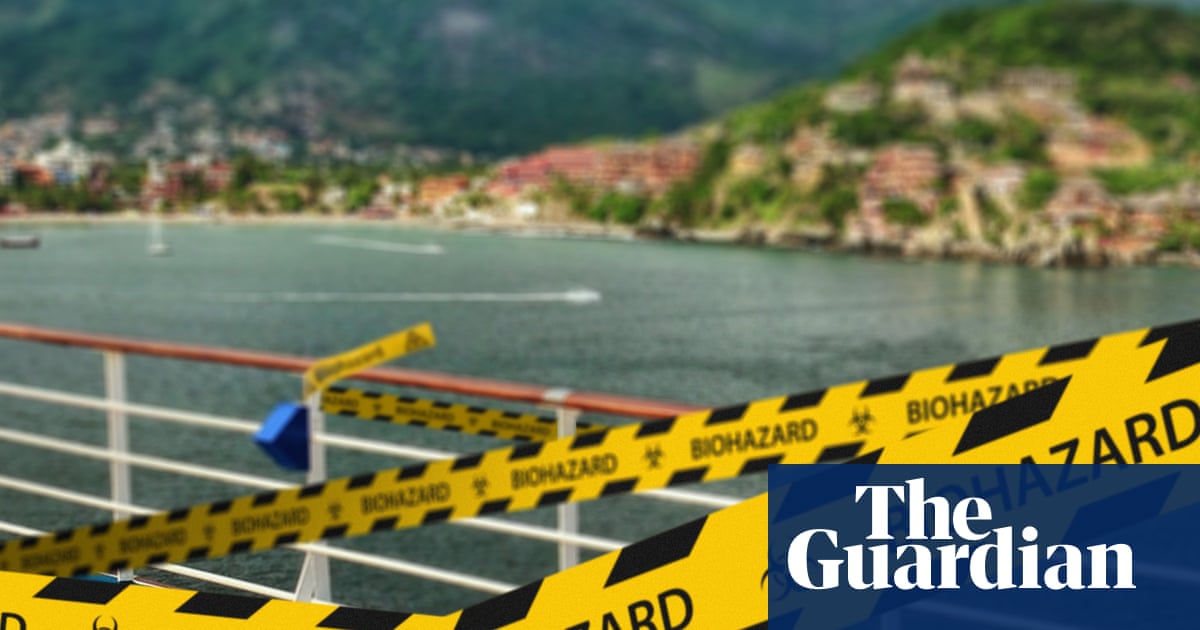
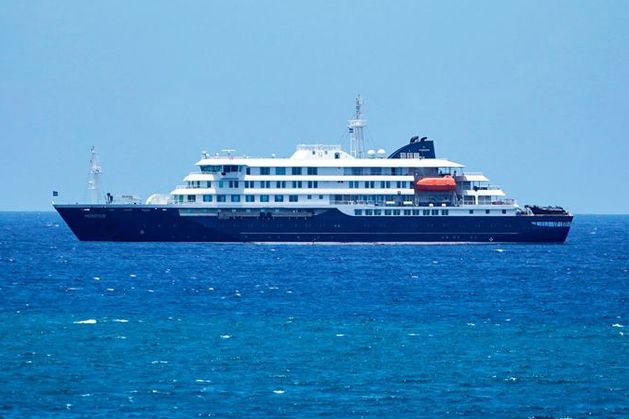
Two Irish passengers on board hantavirus-hit cruise ship; three other passengers dead; Cape Verde refuses ship to dock
A cruise ship linked to suspected hantavirus cases has been denied docking in Cape Verde due to medical emergencies among passengers and crew.
Coronavirus
fromIrish Independent
1 week agoTwo Irish passengers on board hantavirus-hit cruise ship; three other passengers dead; Cape Verde refuses ship to dock
A cruise ship linked to suspected hantavirus cases has been denied docking in Cape Verde due to medical emergencies among passengers and crew.
Coronavirus
fromIrish Independent
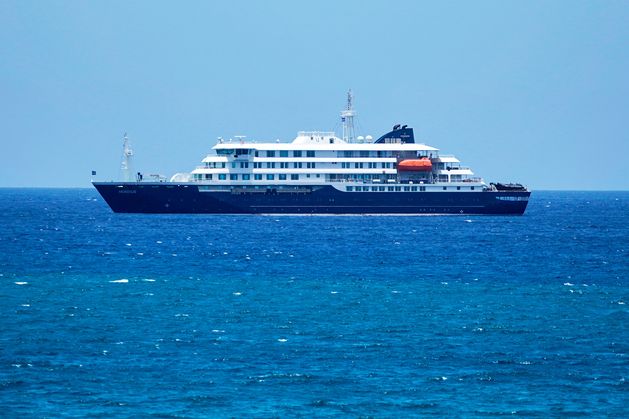
1 week agoTwo Irish passengers on board hantavirus-hit cruise ship; three other passengers dead; Cape Verde refuses permission for ship to dock
A cruise ship is facing a medical emergency with multiple passengers and crew needing urgent care amid suspected hantavirus cases.



fromwww.bbc.com
5 months agoThe surprise success stories to follow at the World Cup
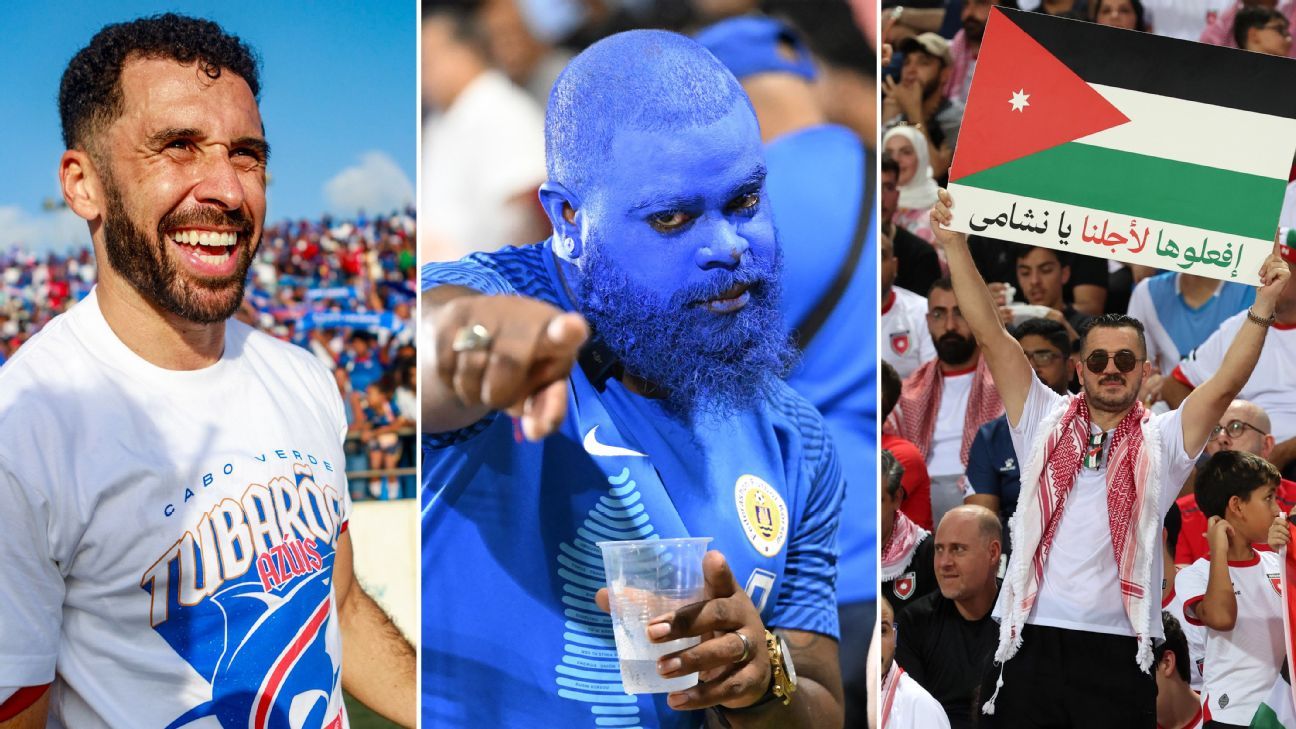
The draw for the 2026 Fifa World Cup will be held in Washington DC next week (5 December), and while supporters of teams that qualified will be anxious to know who they will play, most of the world's population will not be represented. China, India, Indonesia, Nigeria and Pakistan - five of the planet's six most populous countries - have all missed out on the tournament co-hosted by the Canada, Mexico and the United States next June and July.
Soccer (FIFA)
fromWorld Soccer
5 months agoOut now: World Soccer December 2025 - World Soccer
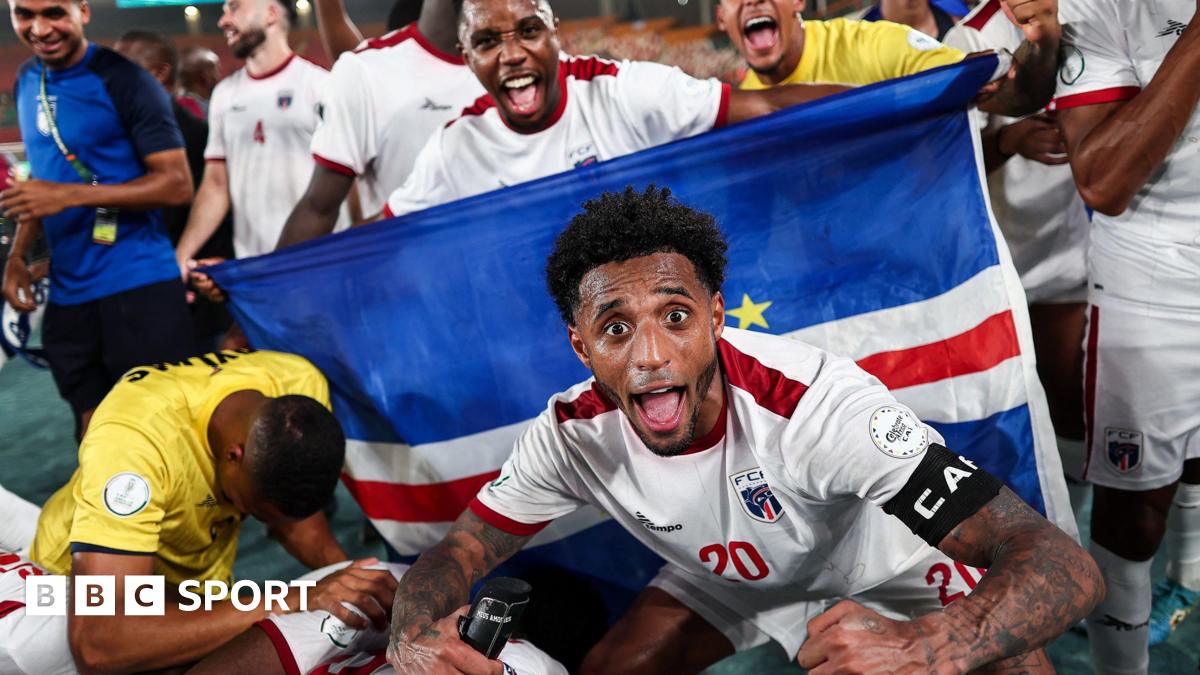
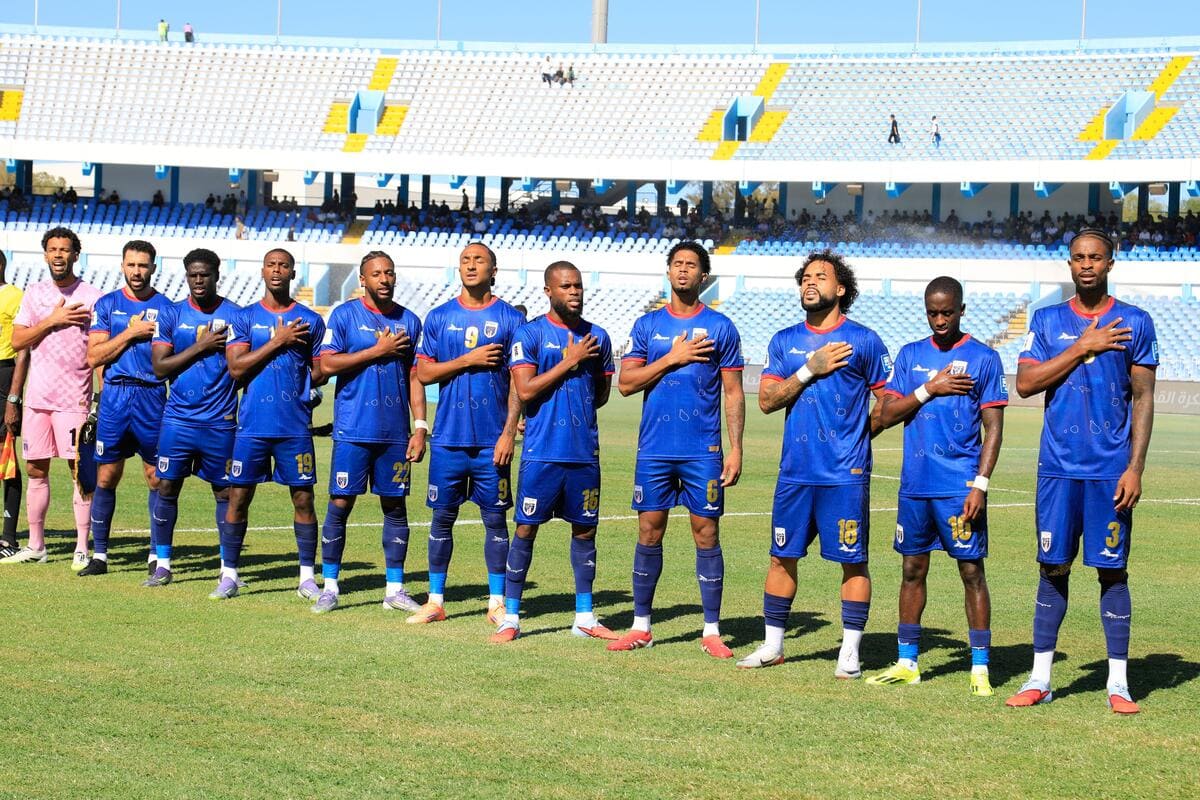
Everyone loves an underdog, and for this issue we've told two of the year's most unlikely success stories: village club Mjallby becoming champions of Sweden and Cape Verde qualifying for their first-ever World Cup. You'd have got long odds on Morocco triumphing at the recent Under-20 World Cup too, and we take a closer look at their shock win as well.
Soccer (FIFA)

fromwww.aljazeera.com
6 months agoCape Verde clinches historic first qualification for FIFA World Cup
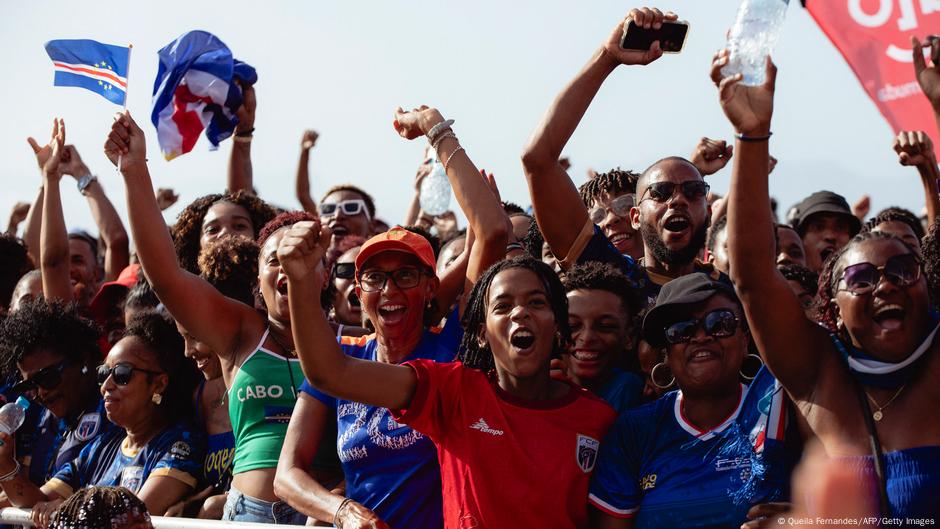
Cape Verde qualified for the FIFA 2026 World Cup on Monday, beating Eswatini 3-0 in their last group match to top the standings ahead of Cameroon and complete a fairytale campaign. The wind-swept West African archipelago overcame first-half nerves to win in the capital, Praia, with second-half goals from Dailon Livramento, Willy Semedo and veteran Stopira, and book a first-ever appearance at the finals.
Soccer (FIFA)

fromwww.dw.com
10 months agoCape Verde celebrates 50 years of independence DW 07/03/2025
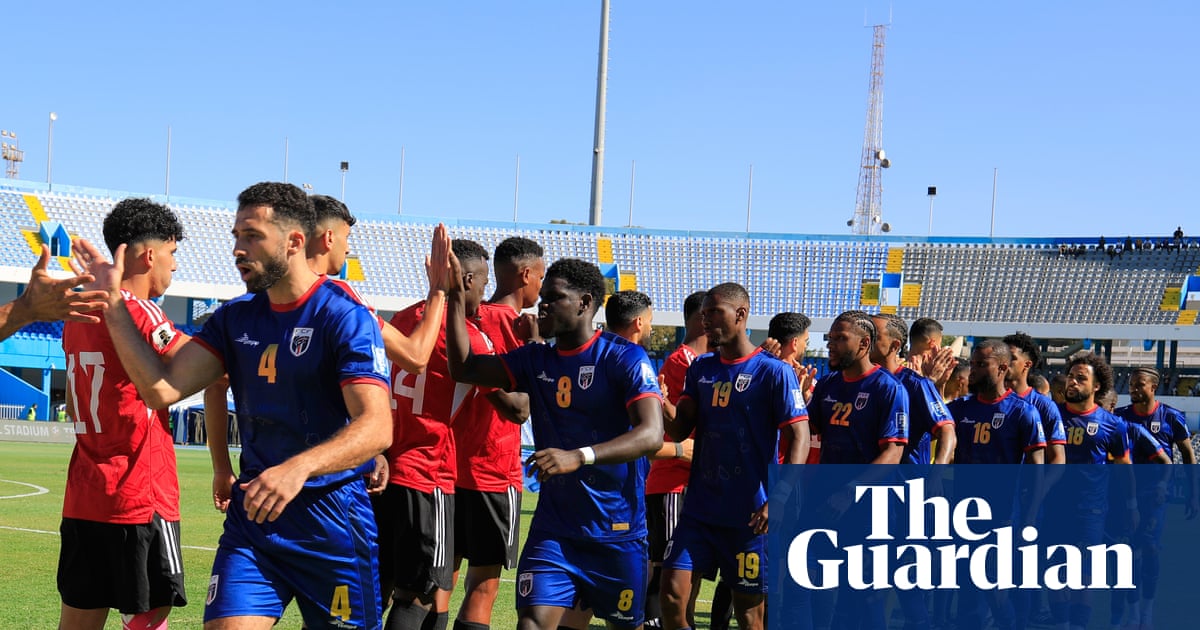
Cape Verde has scored well on the United Nations Sustainable Development Goals (SDGs), with figures above average compared to African nations. This shows notable progress in areas like poverty reduction, education, and health.
Canada news
[ Load more ]