#car-shopping
#car-shopping
[ follow ]
#electric-vehicles #automotive-industry #tesla #market-trends #ford #stock-market #elon-musk #car-ownership
#tesla
Toronto startup
from24/7 Wall St.
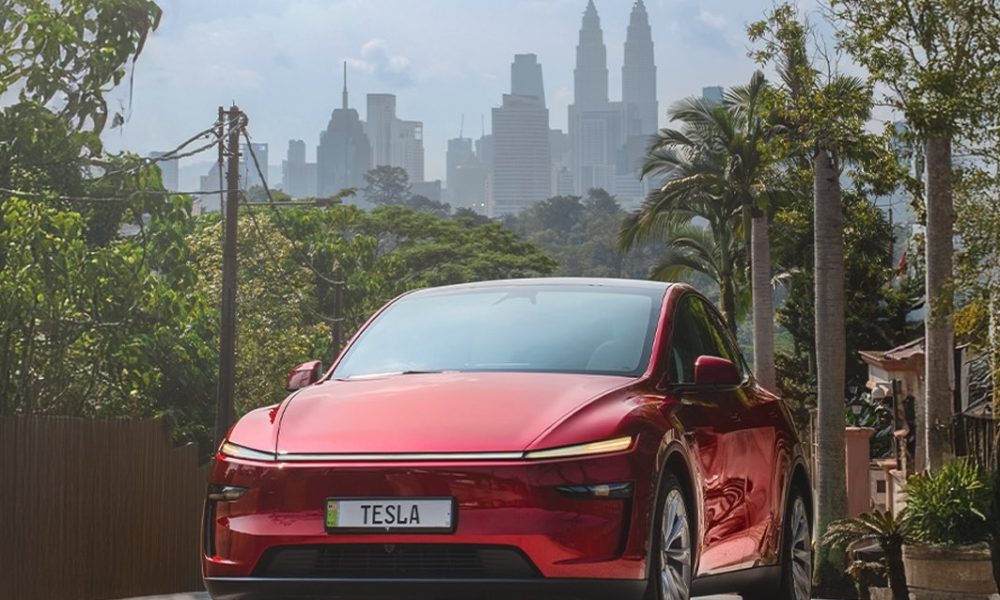
14 hours agoTesla Upgraded by UBS: Is the Physical AI Giant Finally Too Cheap to Ignore?
UBS upgraded Tesla to Neutral from Sell, indicating improved risk-reward balance amid significant stock pressure.
Toronto startup
fromTESLARATI
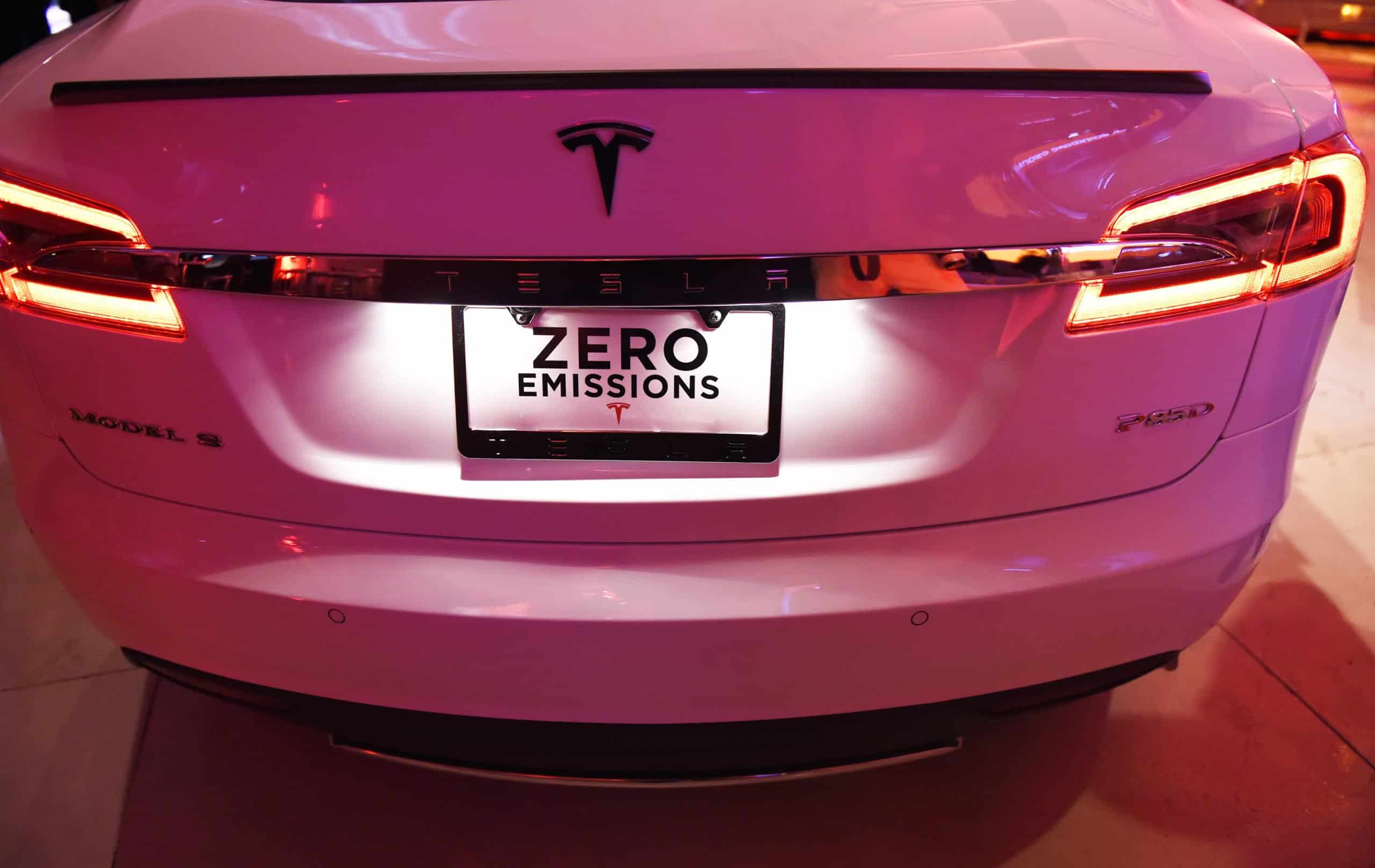
22 hours agoTesla parked 50+ Cybercabs outside its Texas Factory with some crash tested
Tesla's Cybercab production is ramping up at Giga Texas, with over 50 units spotted and commercial service expected by late 2026.
Bootstrapping
fromLondon Business News | Londonlovesbusiness.com
16 hours agoExploring the best bad credit car finance options in the UK - London Business News | Londonlovesbusiness.com
Flexible car finance options are available for individuals with bad credit, focusing on overall financial situation rather than just credit scores.
Bicycling
fromElectric Bike Reviews, News, & Testing
1 day agoSpecialized Turbo Vado 3 EVO First Look, Velocomp's Torque Sensor Alternative, E-Bikes Free From Section 232 Tariffs | TWR Ep 78
Specialized launched the Turbo Vado 3 EVO, a high-tech commuter e-bike with multiple trim levels and advanced features.

frominsideevs.com
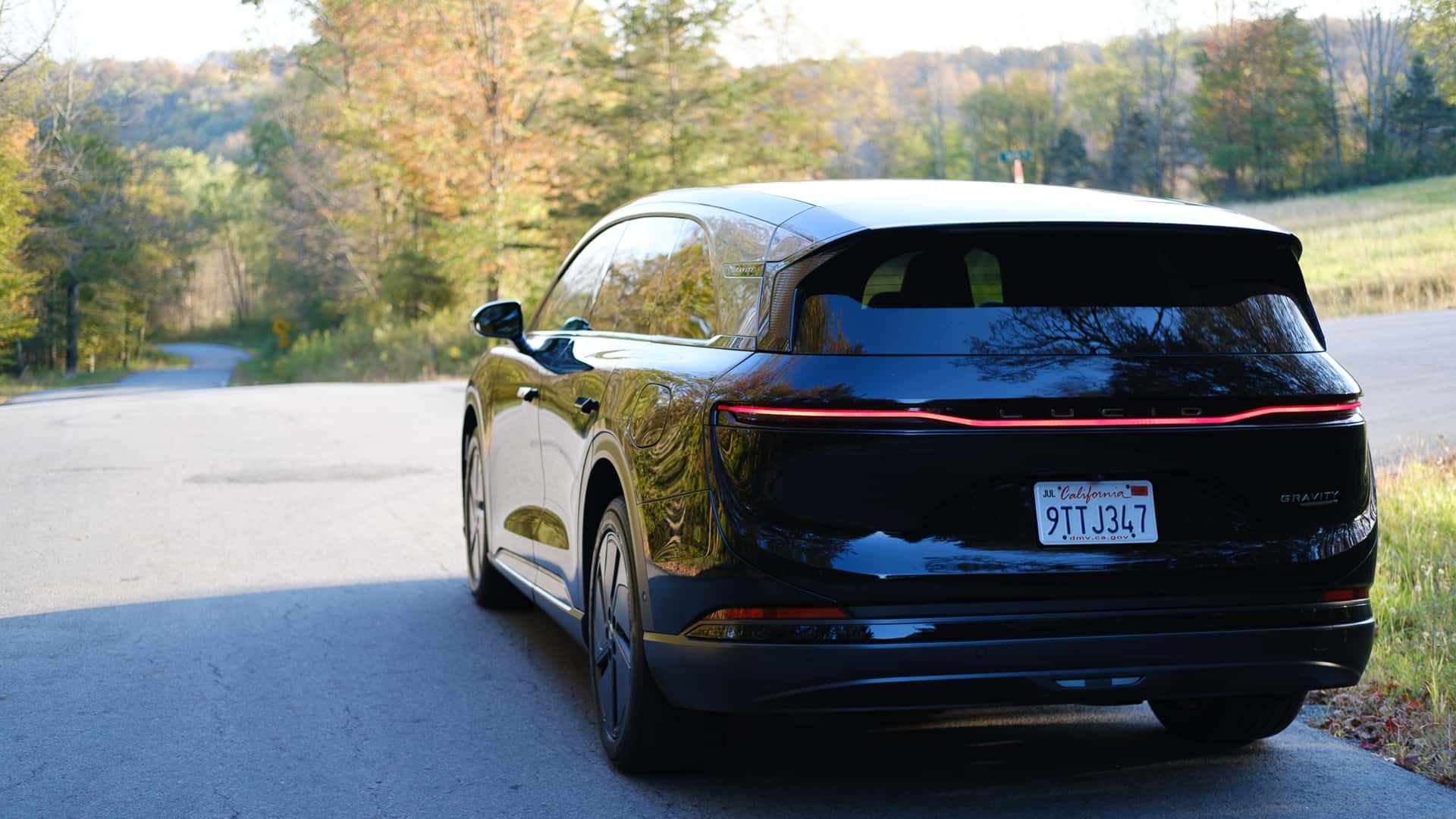
3 days agoHow Can I Tell If A Car Is Reliable? An Honest Guide
Reliability is broadly defined by how often your car experiences unscheduled failures or malfunctions. A car that is more likely to experience failures is considered unreliable, whereas one that can go for 150,000 miles with nothing but regular maintenance would be considered reliable.
Cars
fromEntrepreneur
4 weeks agoThis 33-Year-Old Makes $200K a Month Negotiating Car Prices for People. Some Salespeople 'Hate Him.'
For $1,000, Tomi Mikula will do something most people dread: negotiate with a car dealer. The 33-year-old spent more than a decade selling cars and auto financing at dealerships before starting his own business doing the opposite. Now he uses dealer speak and an encyclopedic knowledge of inventory to talk down sticker prices for buyers.
Toronto startup
Cars
fromSitePoint Forums | Web Development & Design Community
1 month agoWhat's One Car Buying Tip You Wish Someone Had Known Earlier?
Successful car buying requires examining vehicle history, understanding total ownership costs beyond purchase price, and avoiding rushed decisions rather than focusing solely on initial price.
fromTESLARATI
1 month agoTesla Model Y outsells everything in three states, but Ford dominates
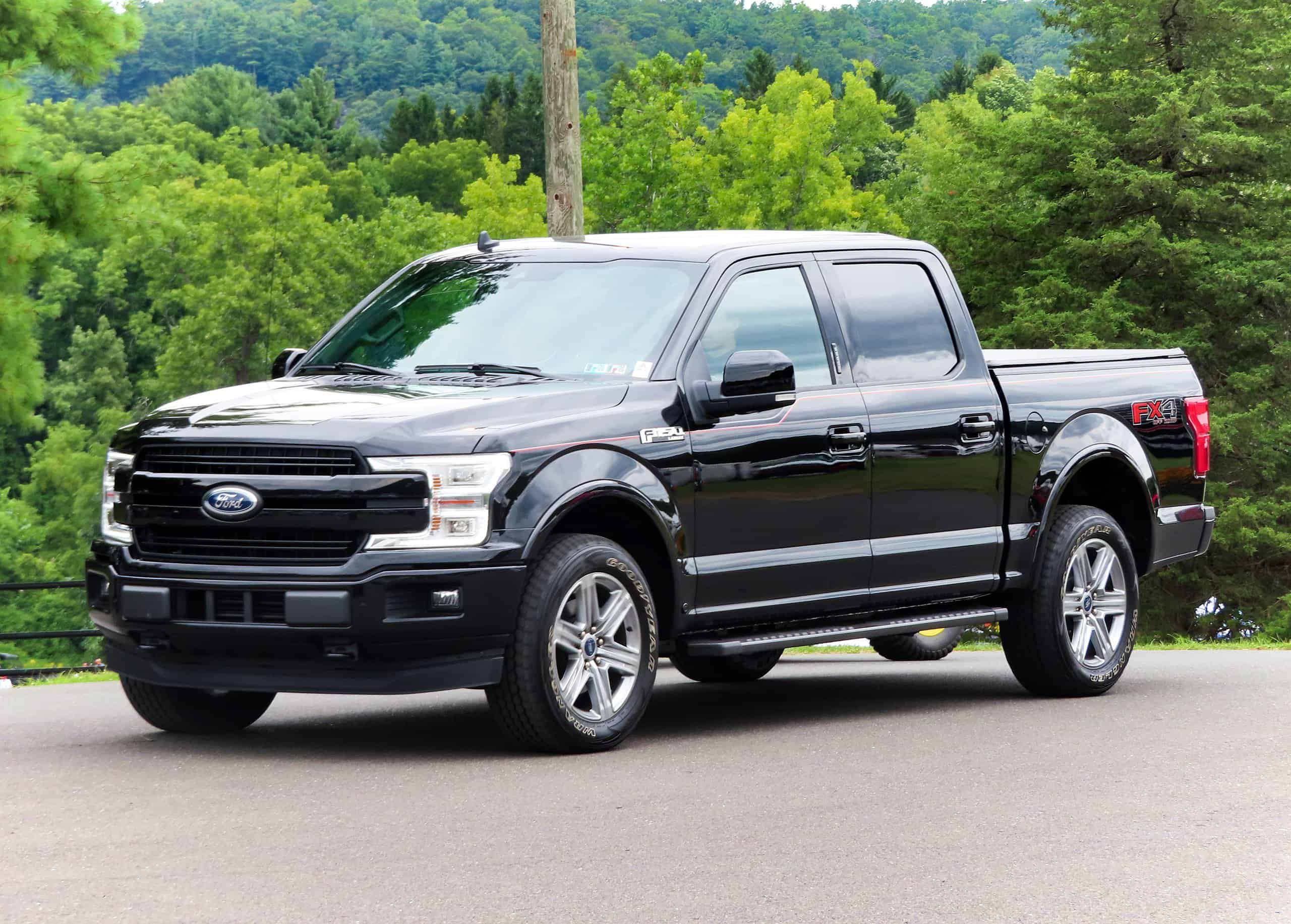
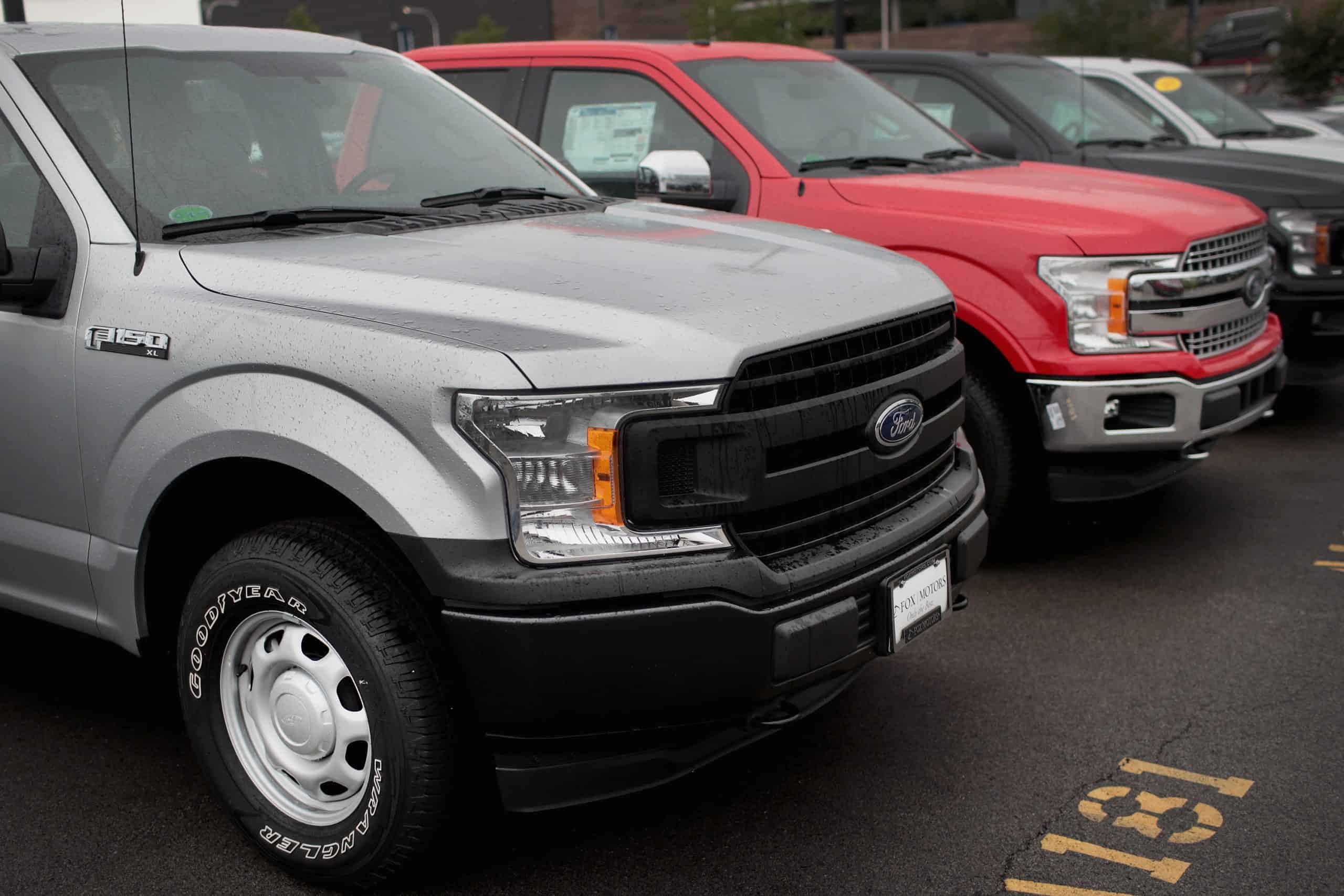
The Ford F-Series, encompassing models like the F-150, F-250, F-350, and F-450, claimed the title of best-selling vehicle in 29 states. This dominance underscores the pickup truck's unbreakable appeal across much of the country, particularly in rural, Midwestern, Southern, and Western states where towing capacity, durability, and utility for work or recreation remain top priorities.
Cars
from24/7 Wall St.
2 months agoFrom Frustration to Respect: What Car Dealerships Actually Get Right
For years, car dealerships had a terrible reputation. Pushy sales tactics, confusing pricing, and long hours spent negotiating made the entire experience feel more like a battle than a purchase. Like many buyers, I assumed that avoiding dealerships altogether was the smartest way to buy a car, especially as online platforms and direct-to-consumer models gained popularity. Over time, however, my perspective began to shift.
Cars
frominsideevs.com
2 months agoReport: Consumers Truly Have No Clue Who Makes Good EVs
Everyone is entitled to their own opinion, but that's pretty demonstrably false. It's a good reminder that consumer sentiment often lags the reality on the ground. Americans don't have a damned clue who makes good EVs. That's what I took away from the January, 2026 edition of the Electric Vehicle Intelligence Report, which measures consumer sentiment toward EV brands. Surveyed consumer sentiment toward EV brands seems to be based on vibes and internal-combustion car experience, not anything resembling reality.
Cars
fromBusiness Insider
2 months agoGM is quietly becoming a subscriptions company
During the automaker's Tuesday earnings call, CEO Mary Barra highlighted the rapid growth of GM's in-vehicle software and subscription business. In the past nine months, GM's software generated $2 billion, and customers have already signed up for about $5 billion in future subscriptions. The company said it now has 11 million subscribers for its OnStar safety system, up 34% from a year earlier. Another half a million customers are also paying for Super Cruise, its hands-free driver-assistance system.
Cars
[ Load more ]