#chinese-auto-market
#chinese-auto-market
[ follow ]
#electric-vehicles #tesla #automotive-industry #byd #stock-market #nio #market-trends #ford #ai #chinese-automakers
#tesla
Toronto startup
from24/7 Wall St.
1 hour agoElon Musk's Tesla Exec: Shanghai Factory Is the Key to Unlocking Robot Mass Production
Tesla's Shanghai Gigafactory is crucial for scaling robot mass production, aiming for 1 million units annually by 2026.
Toronto startup
from24/7 Wall St.
21 minutes agoTesla Upgraded by UBS: Is the Physical AI Giant Finally Too Cheap to Ignore?
UBS upgraded Tesla to Neutral from Sell, indicating improved risk-reward balance amid significant stock pressure.


fromSustainable Bus
23 hours agoNext Mobility Exhibition 2026: BYD, Iveco Bus, Irizar, Solaris, MAN and Yutong among exhibitors
The event will take place alongside Transpotec Logitec, bringing together passenger and freight transport stakeholders within the same exhibition venue, enhancing collaboration and innovation in the transport sector.
Alternative transportation
London startup
fromLondon Business News | Londonlovesbusiness.com
4 days agoUK automotive industry set to unlock 4.6bn boost by 2030 - London Business News | Londonlovesbusiness.com
The UK automotive sector could generate a £4.6 billion uplift in domestic manufacturing by 2030, driven by electric vehicle component demand.
fromTNW | Corporates-Innovation
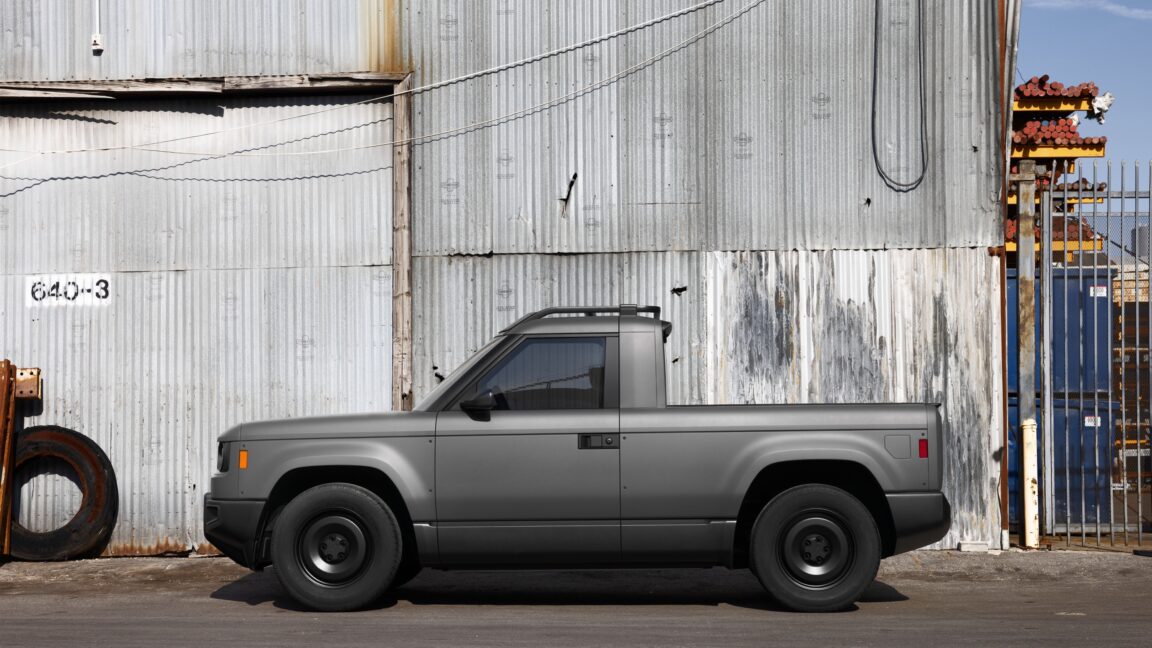
5 days agoKia cuts EV target, confirms electric pickup, and plans to put Atlas robots in its Georgia factories
Kia's 2030 EV sales target now stands at 1 million units annually, a reduction of roughly 20% from the previous target of approximately 1.26 million units. This adjustment reflects the impact of eliminated US EV subsidies and a slowdown in battery-electric sales.
European startups

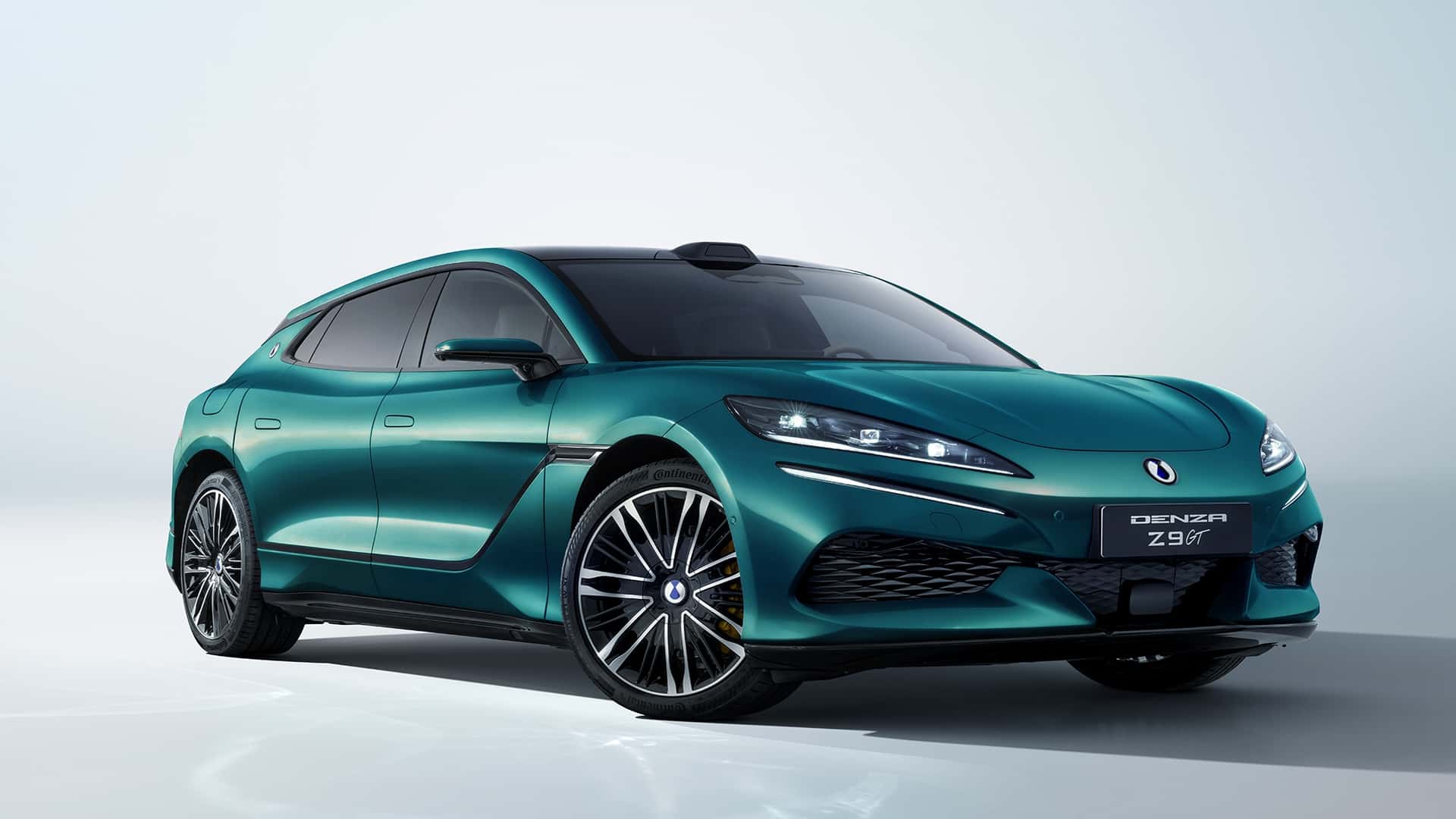
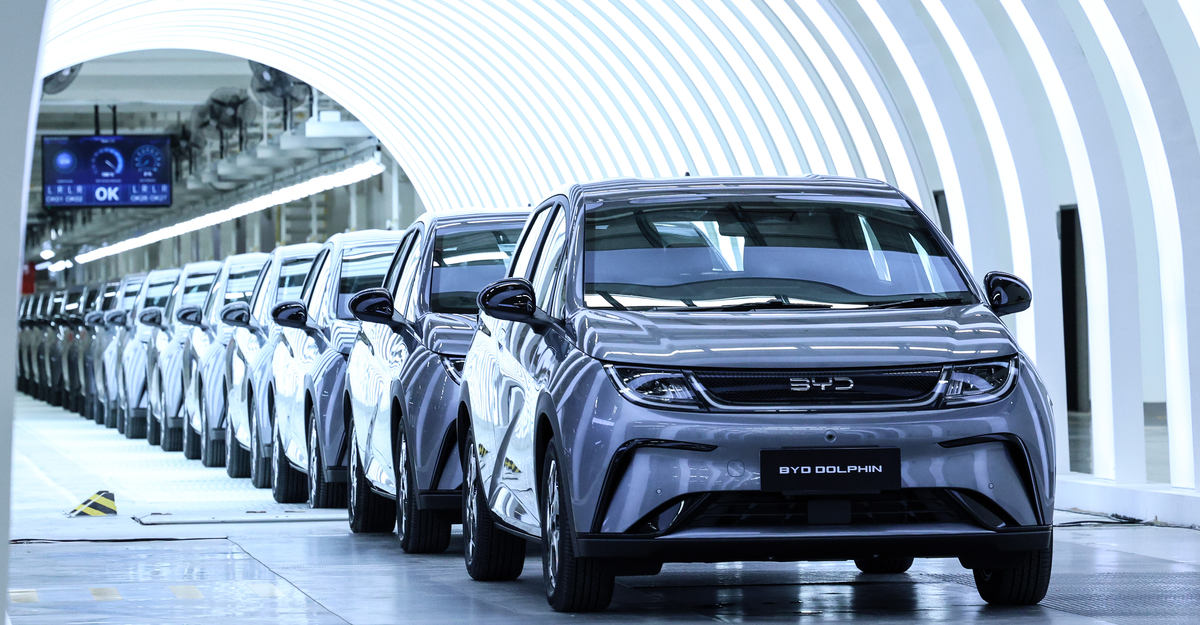

frominsideevs.com
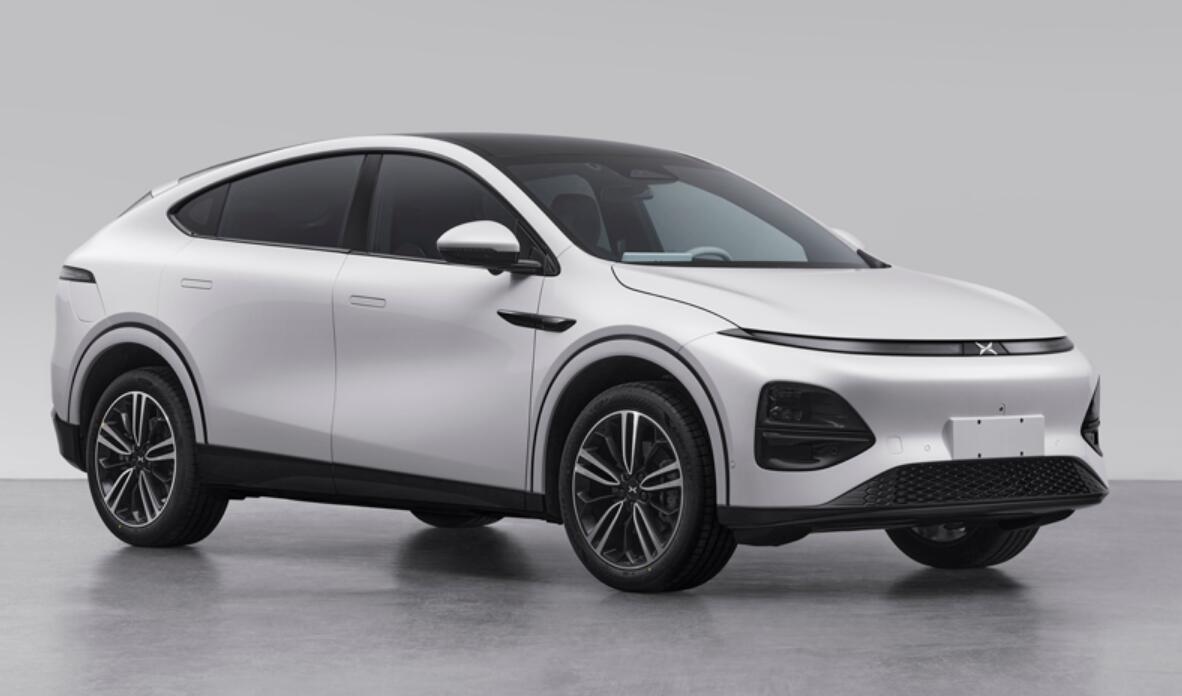
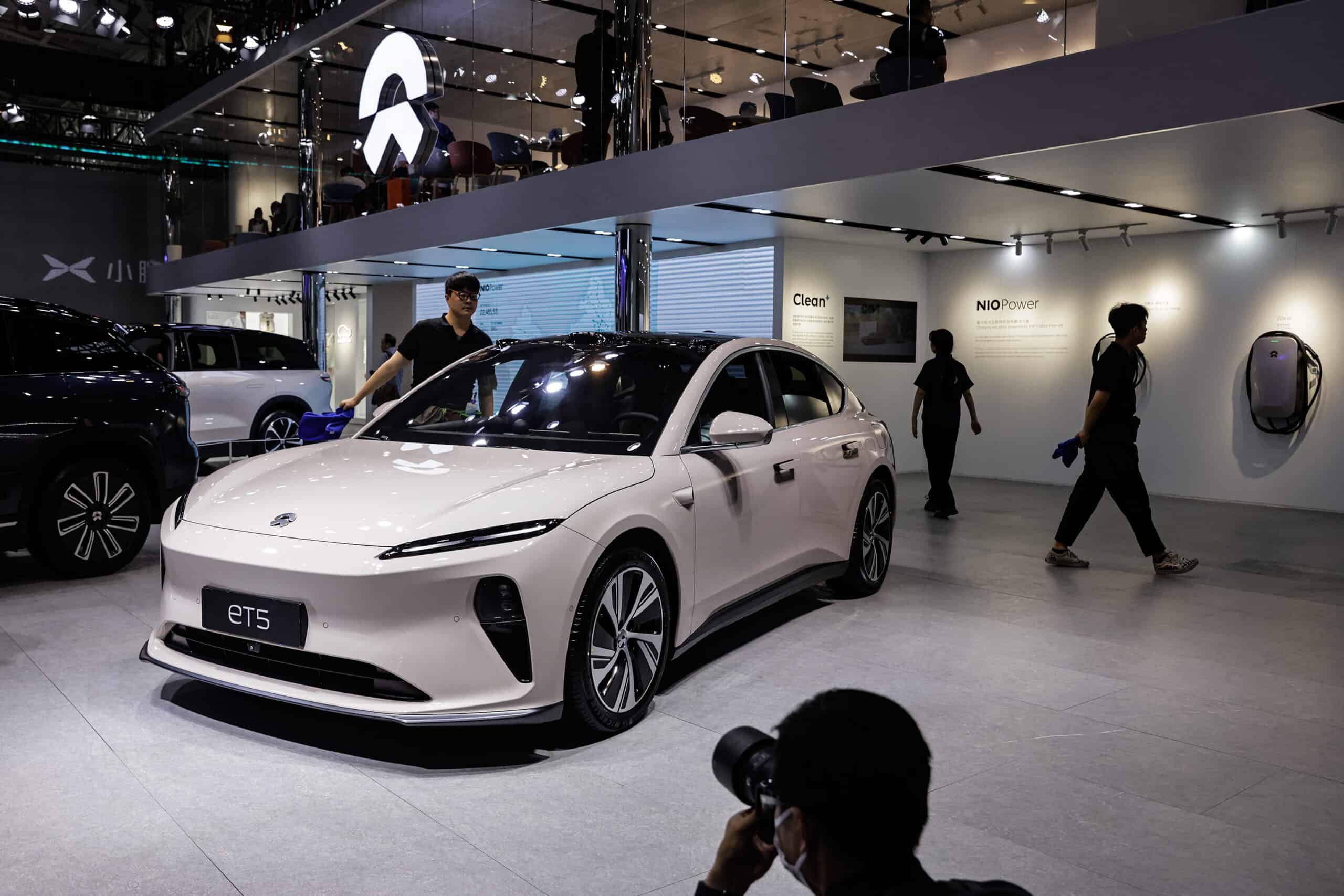
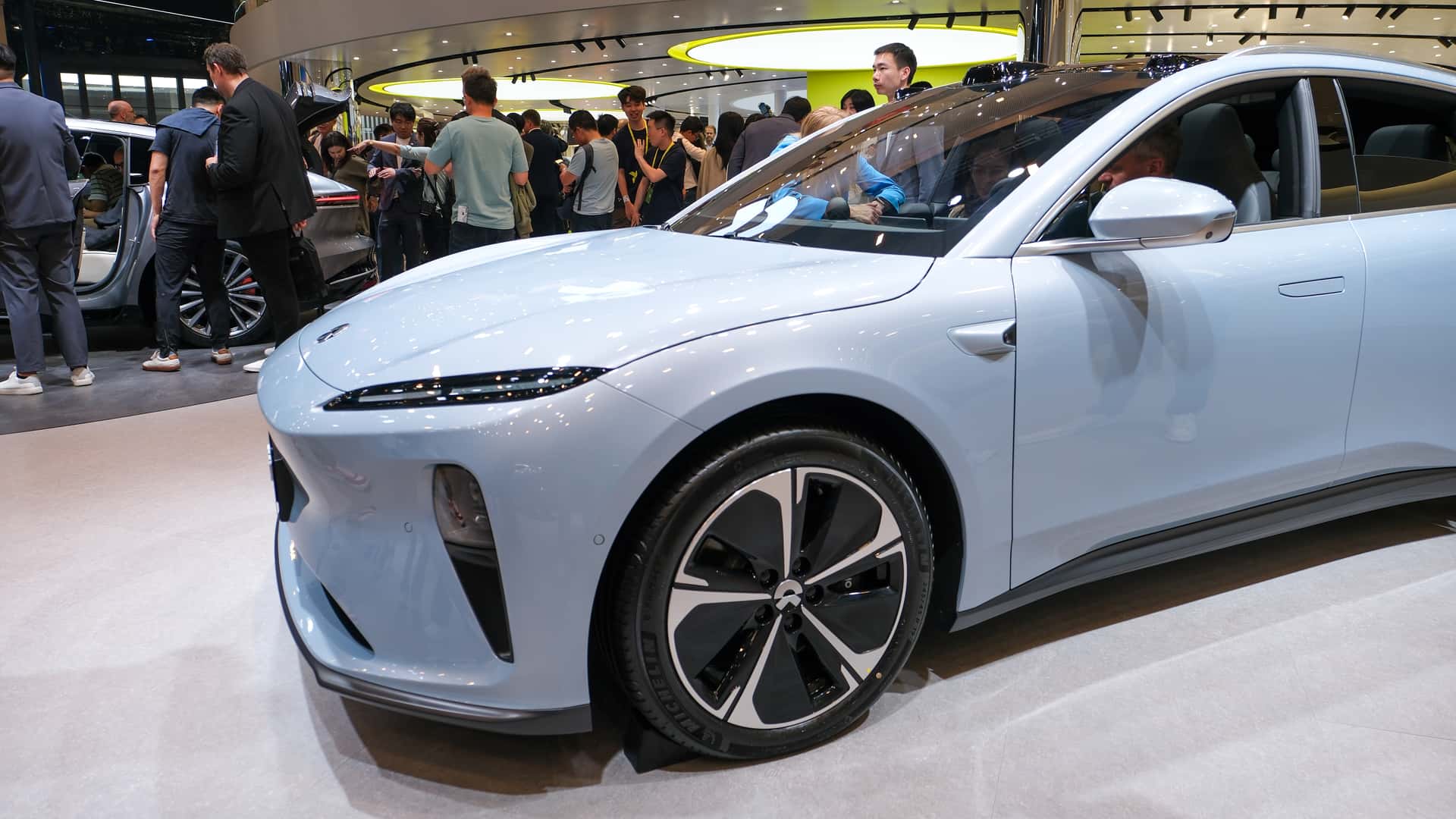
2 months agoBYD Led China's EV Boom. But It's Not Bulletproof
After years of rapid growth, EV sales in China grew a modest 1% in January, mainly due to the expiration of subsidies in December and the introduction of a new purchase tax in the new year. BYD, the country's dominant automaker that spearheaded China's EV boom, was hit the hardest. Its sales dropped 30% year over year to just over 210,000 units due to changing EV policies and rising competition.
World news
fromfortune.com
2 months agoChina rushes to stem price war in autos as passenger car sales drop nearly 20% in January
China moved on Thursday to curb a fierce price war among automakers that has caused massive losses for the industry, after passenger car sales dropped nearly 20% in January from the year before, the fastest pace in almost two years. The State Administration for Market Regulation released guidelines for manufacturers, dealers and parts suppliers aimed at preventing a race-to-the-bottom price war.
Business
frominsideevs.com
1 month agoAre Western Automakers Still Cooked In the Era Of AI?
For most, this stuff feels like some far-off future envisioned by tech bros and Wall Street guys, not something they'll ever really have to deal with day-to-day. But amid the last few months of news, including the headlines at CES 2026 and even some key features of the Volvo EX60's recent debut, it's clear that artificial intelligence is pretty much the name of the game right now.
Cars
frominsideevs.com
2 months agoReport: Consumers Truly Have No Clue Who Makes Good EVs
Everyone is entitled to their own opinion, but that's pretty demonstrably false. It's a good reminder that consumer sentiment often lags the reality on the ground. Americans don't have a damned clue who makes good EVs. That's what I took away from the January, 2026 edition of the Electric Vehicle Intelligence Report, which measures consumer sentiment toward EV brands. Surveyed consumer sentiment toward EV brands seems to be based on vibes and internal-combustion car experience, not anything resembling reality.
Cars
[ Load more ]