#city-block
#city-block
[ follow ]
#curb-management
New York City
fromwww.amny.com
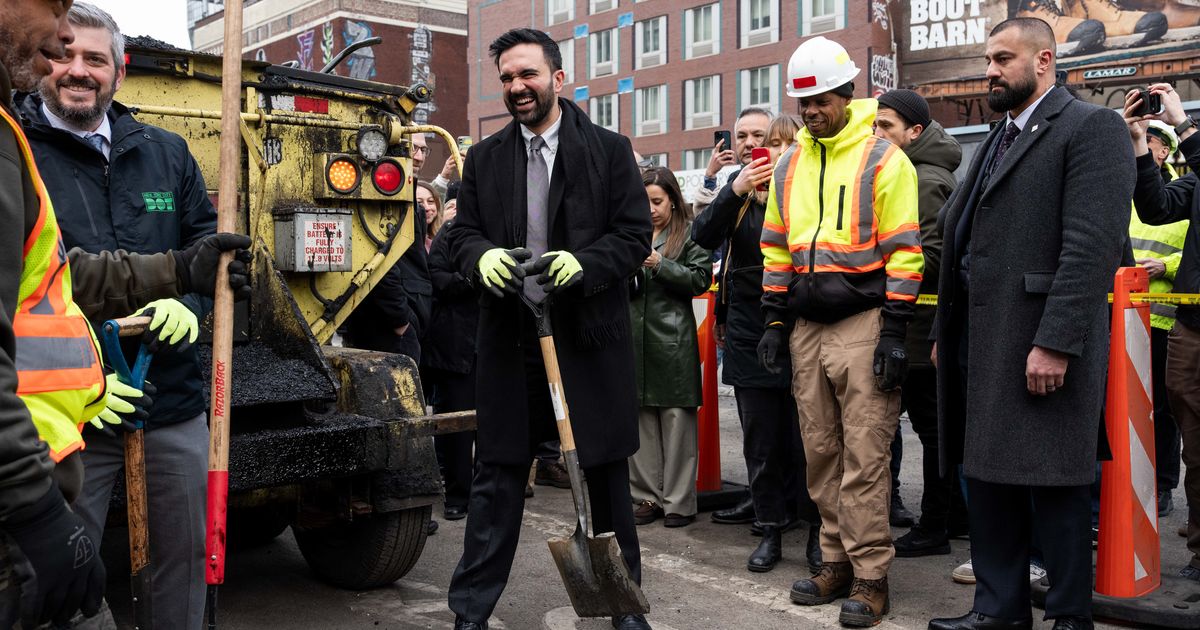
1 day agoMamdani announces new Office of Curb Management | amNewYork
A new Office of Curb Management aims to optimize NYC's streets and curbside parking for diverse public uses.


fromtherealdeal.com
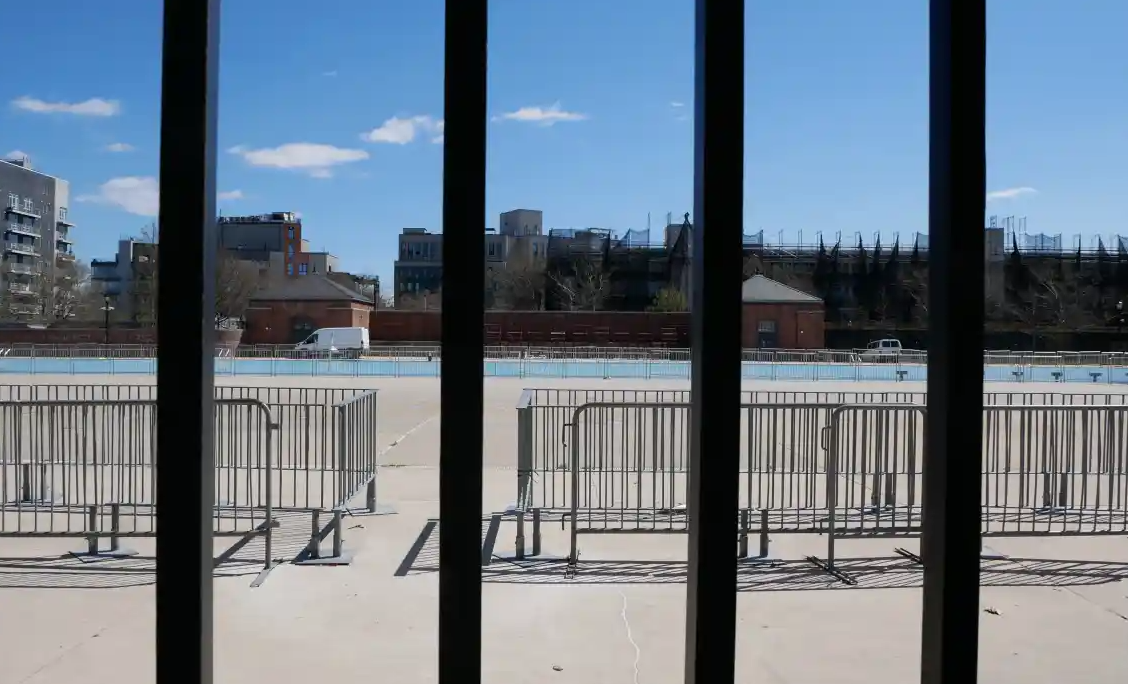
1 day agoThe Daily Dirt: Meet the new head of City Planning
I understood at a very early age how much place matters and how impactful government services can be on one's life. The Mayor's Office of Equity and Racial Justice was really focused on working with agencies to think about how they're addressing inequity, whether it's through budget as a lever or personnel as a lever, procurement, policymaking. But land use is a lever as well.
NYC politics
fromwww.standard.co.uk
18 hours ago1,500 new homes on Greenwich peninsula set for green light
Galliard Homes reduced the amount of affordable housing in the project's housing stock from 35 per cent to just 10 per cent, citing increased construction costs and changing building regulations as key factors.
LA real estate
Public health
fromStreetsblog New York City
8 hours agoNeed To Kill Cross Bronx Widening Plan Is Obvious Amid Slight Congestion Pricing Pollution Uptick - Streetsblog New York City
Gov. Hochul has delayed a decision on widening the Cross Bronx Expressway due to concerns over increased pollution in the Bronx.
Environment
fromLondon Business News | Londonlovesbusiness.com
1 day agoHow are construction sites improving air quality? - London Business News | Londonlovesbusiness.com
Construction contributes significantly to air pollution, but improvements like on-tool extraction and water-based dust suppression are helping to mitigate these effects.
fromTime Out New York
1 day agoEdge is getting a wild immersive makeover this summer
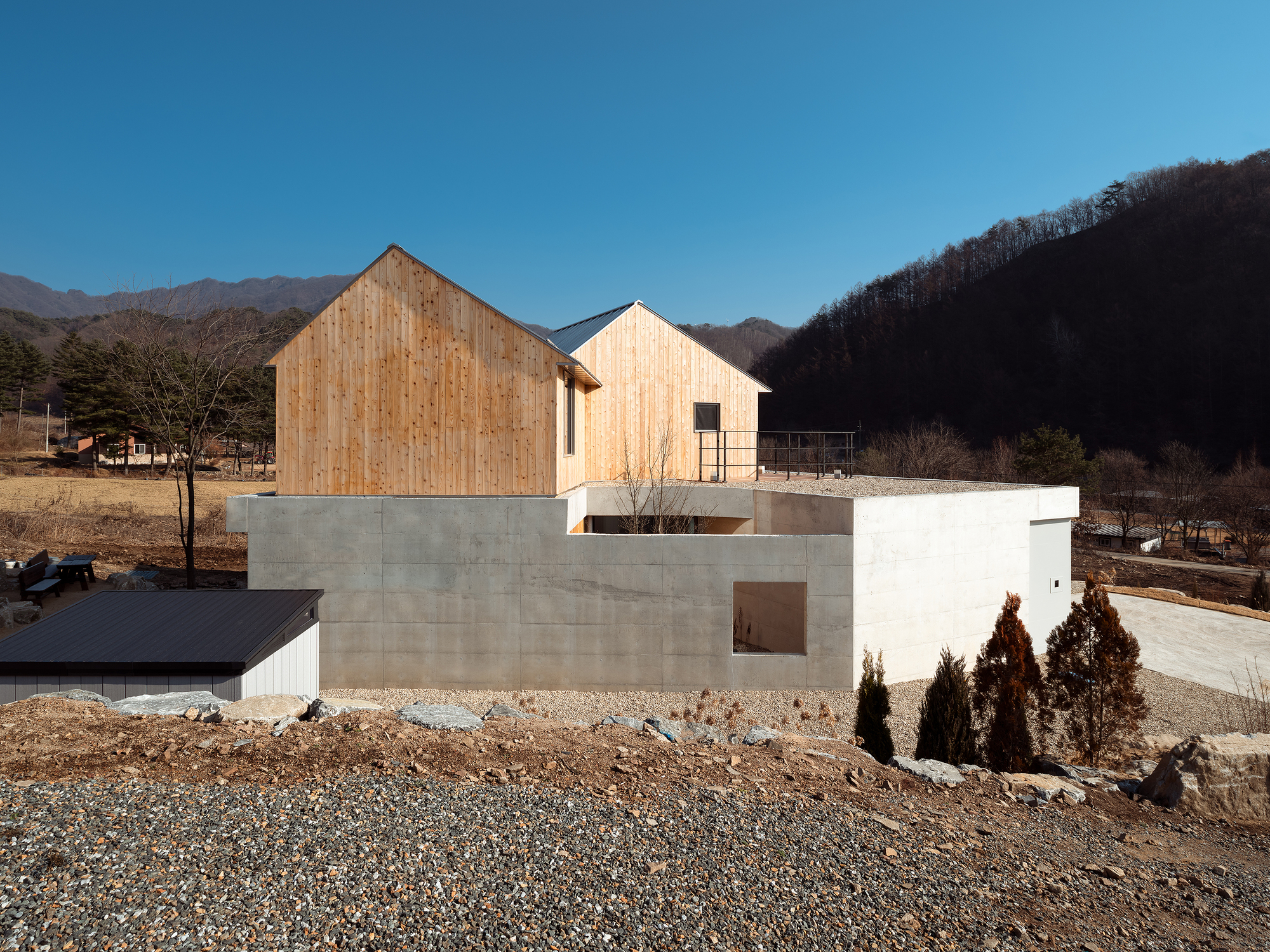
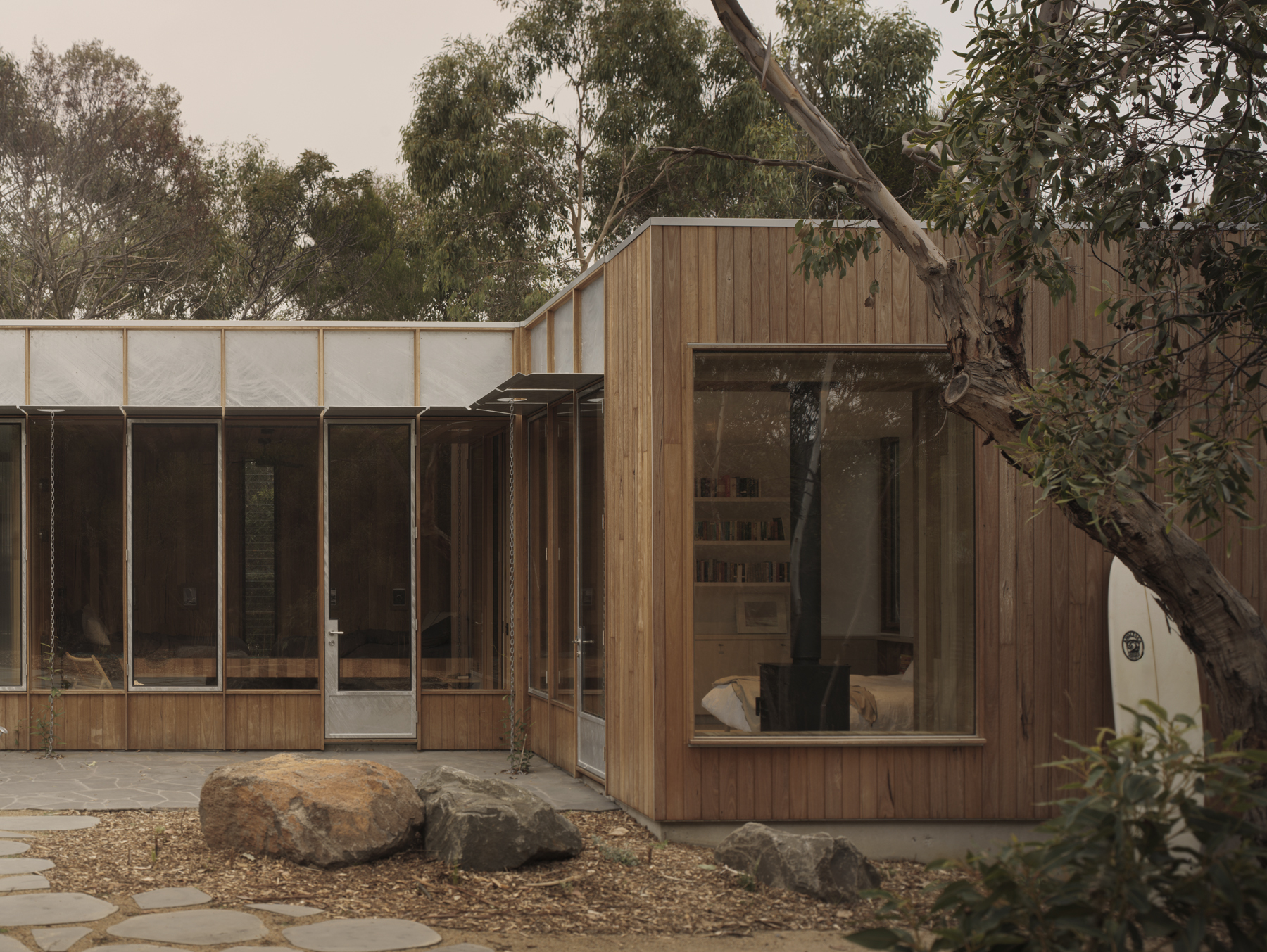
The entire indoor journey, from entry to elevator to the 100th floor, has been reimagined as a multi-sensory, immersive environment. The overhaul comes via a collaboration between experiential design firm Journey, multimedia studio Moment Factory and NYC-based design outfit SOFTlab.
NYC music
US politics
fromFortune
1 day agoA councilmember backed a data center project. Then 13 bullets and a 'No Data Centers' note hit his home | Fortune
Violence erupted in Indianapolis over opposition to a proposed data center, highlighting growing tensions surrounding AI infrastructure development nationwide.
fromMpls.St.Paul Magazine
2 days agoDesign Destinations: New York City
"It's a really special spot. When you start at the top and move down the gently sloped ramp, you almost feel like a marble tumbling down, looking at art as you roll by. The slight slant plays with your sense of perspective and grounding."
NYC food
#climate-change


Online Community Development
fromInside Higher Ed | Higher Education News, Events and Jobs
3 days agoA Town-Gown Partnership Focused on Climate Resilience
Agnes Scott College collaborates with Decatur to address climate change through a joint Climate Resilience Plan, focusing on sustainability and community engagement.
fromwww.theguardian.com
4 days agoHow Paris swapped cars for bikes and transformed its streets
Corentin Roudaut, who once felt overwhelmed by Paris's traffic, found renewed confidence in cycling after the establishment of a segregated bike lane on Boulevard Voltaire. He now actively participates in promoting cycling in the city, witnessing a remarkable transformation in urban mobility and safety over the last decade.
Paris food


fromBrooklyn Paper
1 day agoWhere are Brooklyn's "recreation deserts," and what can be done to fix them? * Brooklyn Paper
"Brooklyn has always been a place where movement is part of daily life. But today, Brooklynites, like all New Yorkers, are moving less, feeling more isolated and dealing with elevated rates of chronic diseases."
Brooklyn
#housing-development

Boston real estate
fromwww.amny.com
2 weeks agoExpert Analysis
Cities can unlock 100,000+ housing units by leveraging 50+ million square feet of unused development rights on municipal properties and transit facilities through strategic air-rights deployment and alternative ownership models beyond traditional ground leases.
Boston real estate
fromwww.amny.com
2 weeks agoExpert Analysis
Cities can unlock 100,000+ housing units by leveraging 50+ million square feet of unused development rights on municipal properties and transit facilities through strategic air-rights deployment and alternative ownership models beyond traditional ground leases.
Renovation
fromYanko Design - Modern Industrial Design News
3 days agoHow Architects Turned a Postwar London Terrace Into an Open-Plan Home Without Touching the Facade - Yanko Design
Islington houses are redesigned to create open, continuous spaces while maintaining the original facade and architectural integrity.
fromwww.dw.com
2 months agoThe city that swapped parking for green space
Though they're individually tiny, parking spots quietly play a dominant role in shaping urban landscapes. Most US cities dedicate at least 25% of their developable land to them. Some, even more. That land usage doesn't only determine the way a city looks. It also means covering large swathes of urban areas in heat-absorbing asphalt, which contributes to making summers hotter and heightens the risk of flooding since it prevents drainage during storms and heavy rainfall.
Miscellaneous
fromForbes
1 month agoTransit-Oriented Housing On Track For Continued Growth
Once a nice-to-have niche urban design concept, TOD has become an essential part of many urban neighborhoods. It has helped address the shortage of housing by enabling the development of higher-density residential communities near transit stations. It has helped revitalize countless once-deteriorating or static urban enclaves near transit hubs by activating sidewalks near the developments. And it has spurred walking and transit use, enabling residents of TODs to reduce or eliminate automobile dependency.
Real estate
fromArchDaily
2 months agoHealth, Habitat, and Civic Infrastructure: Designing the City as a National Park
Cities around the world share a common goal: to become healthier and greener, supported by civic infrastructure that restores ecosystems and strengthens public life. The question is how to reach this. Global climate targets, local building codes, and municipal standards increasingly guide designers and planners toward better choices. Still, many cities struggle to translate these frameworks into everyday, street-level comfort and long-term ecological protection.
Environment
fromArchDaily
2 months agoDesigning Streets Through the Lens of Care
Jane Jacobs was also one of the voices that challenged this predominantly rationalist logic, arguing that truly vibrant streets are those capable of sustaining the diversity of everyday life, its informal exchanges, and the forms of care and natural surveillance that emerge from them. What these authors share is a fundamental insight: streets are not merely infrastructures for circulation, but social ecosystems, shaped by the relationships, uses, and encounters that take place within them.
Design
New York City
fromNew York Daily News
1 month agoWhat future for dining sheds?: Return our streets to their real purpose for vehicles
Permanent outdoor dining sheds in curbside parking lanes create operational problems for snow removal and street cleaning while providing unfair competitive advantages to some restaurants over others.
[ Load more ]