#climate-science
#climate-science
[ follow ]
#climate-change #nasa #trump-administration #ncar #extreme-weather #noaa #renewable-energy #weather-forecasting
#nasa
OMG science
fromwww.theguardian.com
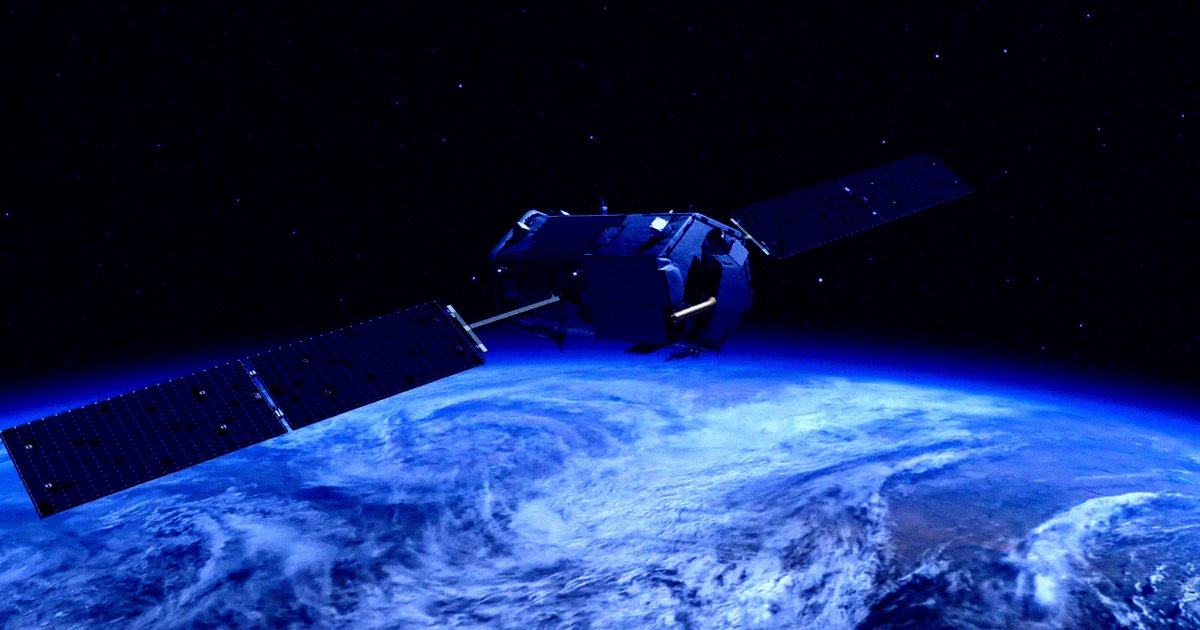
11 months agoGodfather of climate science decries Trump's plans to cut Nasa lab: They're trying to kill the messenger'
The Trump administration is shutting down NASA's crucial climate research laboratory, the Goddard Institute for Space Studies, threatening climate science progress.
OMG science
fromwww.theguardian.com
11 months agoGodfather of climate science decries Trump's plans to cut Nasa lab: They're trying to kill the messenger'
The Trump administration is shutting down NASA's crucial climate research laboratory, the Goddard Institute for Space Studies, threatening climate science progress.
fromArs Technica
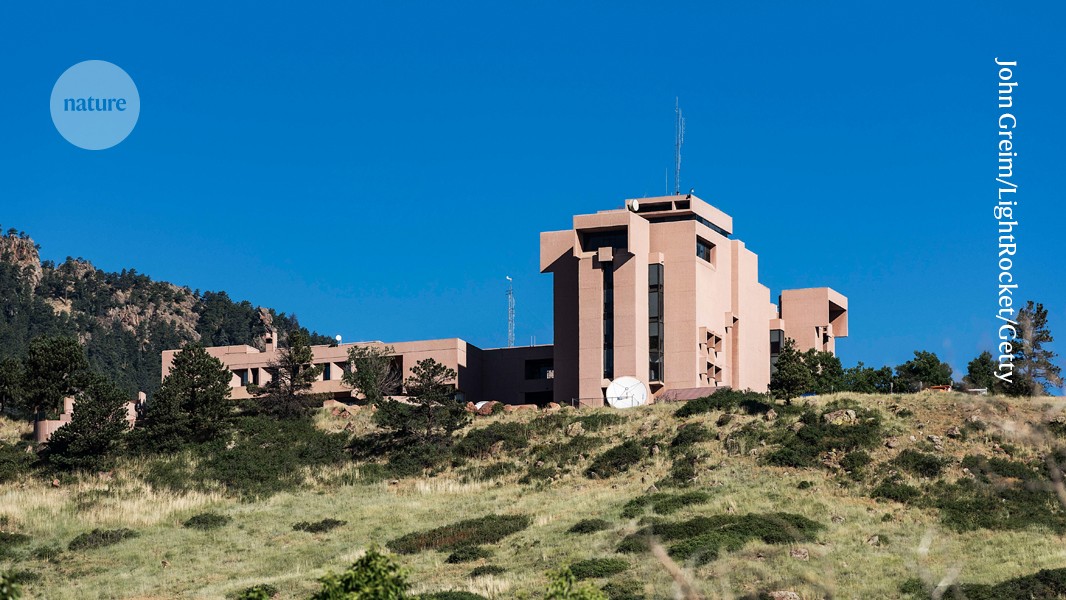
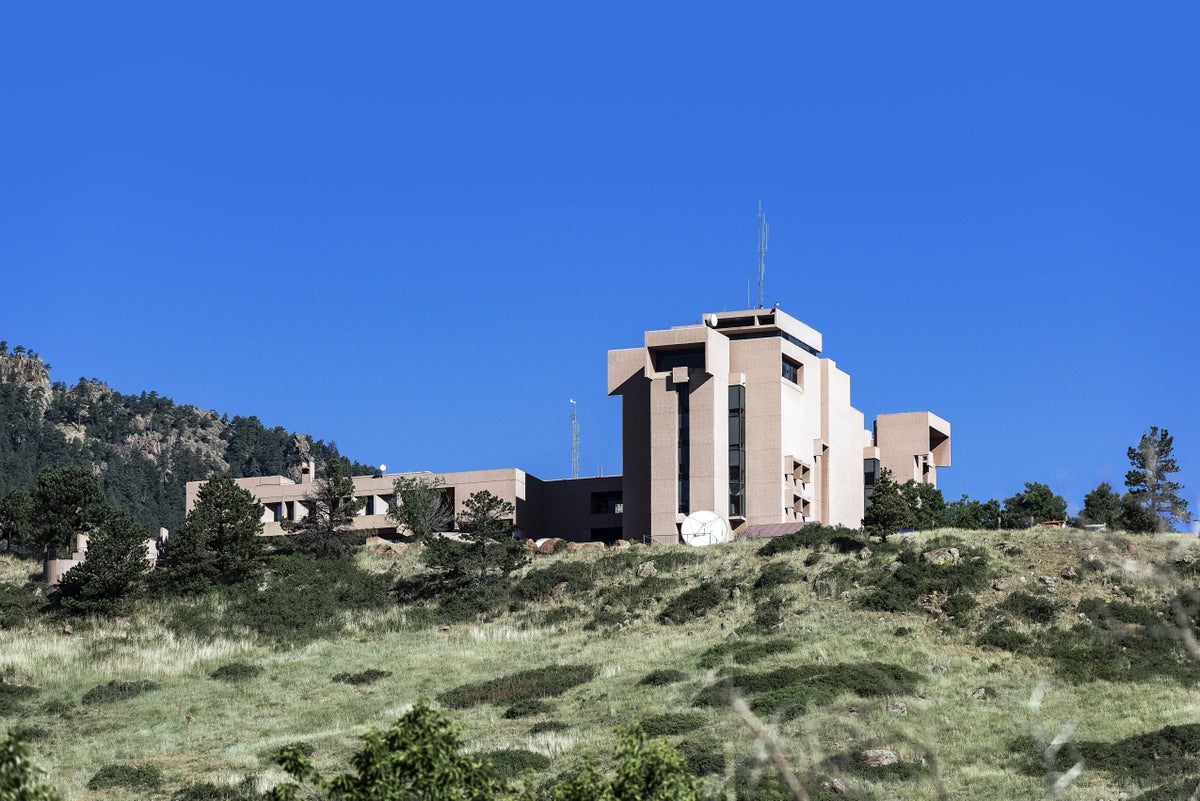
1 month agoTrump's plan to shut down weather and climate center triggers lawsuit
The National Center for Atmospheric Research, or NCAR, provides a home for interdisciplinary and collaborative research focused on anything atmospheric. Many of the country's leading academic researchers in the field have spent time working there or have been involved in collaborations that involve NCAR.
OMG science



fromState of the Planet
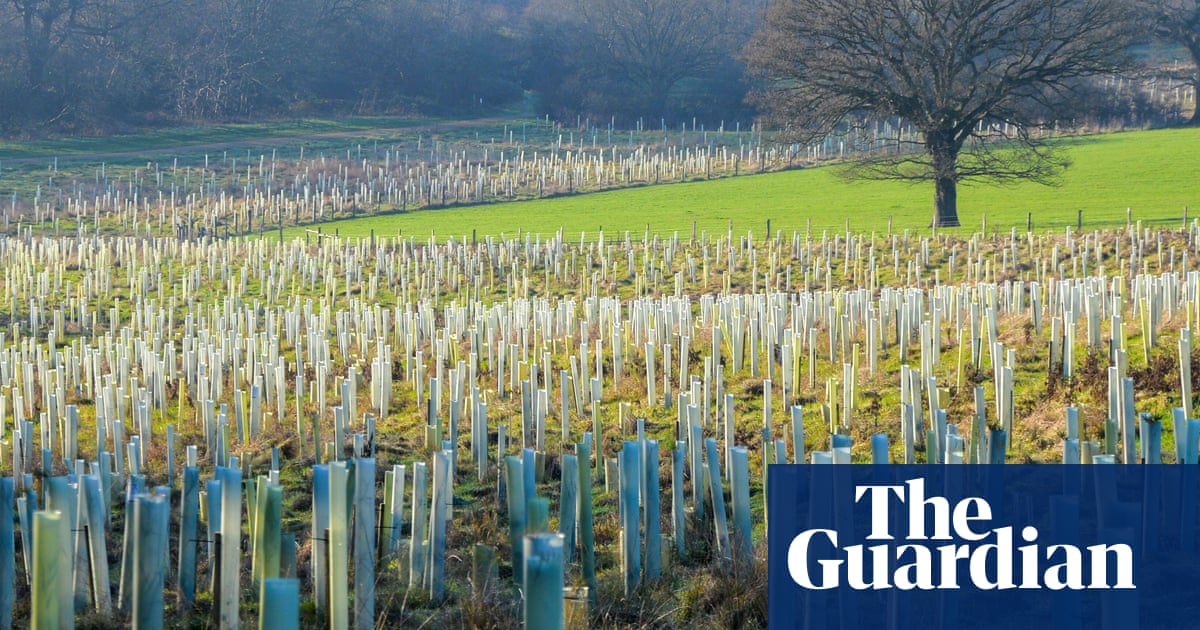
2 months agoWomen in Science: Climate Impact Researcher Sanketa Kadam
Sanketa Kadam didn't set out to study climate science. After pursuing architecture as an undergraduate in Mumbai, India, and receiving a master's in urban and regional design at the New York Institute of Technology, Kadam found herself constantly wondering about how climate impacts would affect her projects as an architect and urban designer. These underlying questions, she realized, were the ones she wanted to spend her time focusing on.
Science
fromwww.theguardian.com
3 months agoSpain's climate scientists subjected to alarming' rise in hate speech, minister warns
Spain's environment minister has written to prosecutors to warn of an alarming increase in hate speech and social media attacks directed against climate science communicators, meteorologists and researchers. In a letter sent to hate crimes prosecutors on Wednesday, Sara Aagesen said a number of recent reports examined by the ministry had detected a significant increase in the hostile language that climate experts are subjected to on digital platforms.
Environment

fromState of the Planet
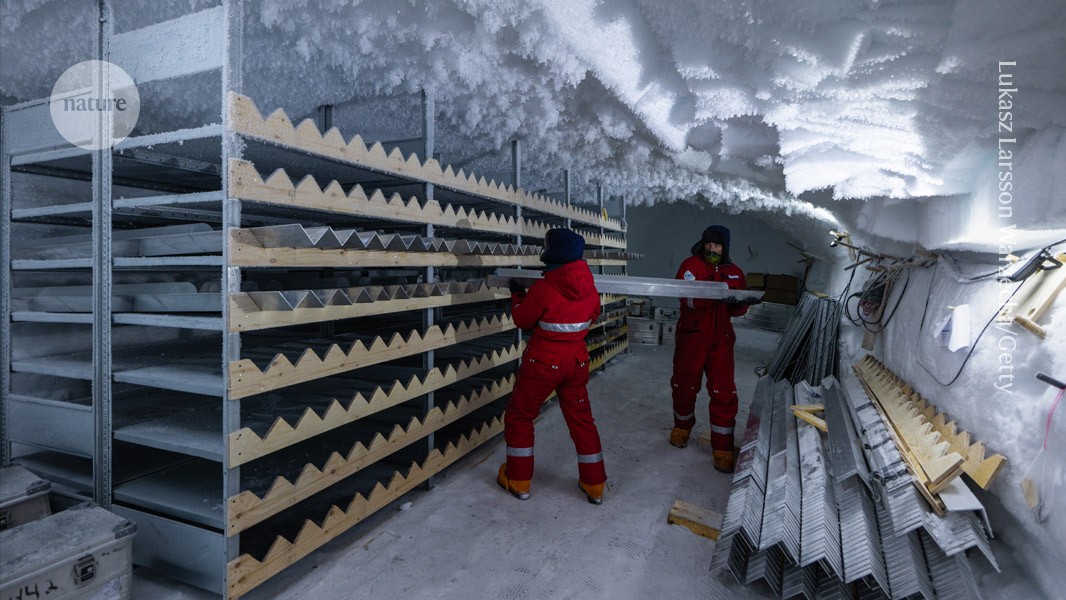
6 months agoNine Climate School Researchers Honored by Leading Scientific Organizations
Scientists connected to Columbia Climate School and Lamont-Doherty Earth Observatory received notable accolades from renowned national and international research societies this fall. Edward R. Cook, Ewing Lamont research professor of biology and paleo environment at Lamont, was given the Roger Revelle Medal from the American Geophysical Union. This award is given annually to one honoree for their "outstanding contributions in atmospheric sciences, atmosphere-ocean coupling, atmosphere-land coupling, biogeochemical cycles, climate or related aspects of the Earth system."
Environment
fromwww.bbc.com
7 months agoCroydon girls aim for orbit with self-built satellite
A south London school is on track to become the first all-girls school in the world to send a satellite into space. The independent Croydon High School in south London, has designed and built a working satellite which they aim to launch into low-Earth orbit in the next couple of years. They hope the plan, called Mission Pegasus, will inspire girls to take on science, technology, engineering and maths subjects, known as STEM, where females are still under-represented.
London politics
fromwww.berkeleyside.org
7 months agoBerkeley Lab scientists feel like they have Trump's 'ax hanging above their head'
There's a sense of dread at the Lawrence Berkeley National Lab these days as thousands of scientists, researchers, students and staff wait to see whether entire divisions will be decimated by budget cuts. President Donald Trump's Department of Energy proposed a budget in May that would slash support for biological and environmental research by 54% and support for energy efficiency and renewable energy by 74%.
US politics
US politics
fromwww.theguardian.com
7 months agoTrump's war on science leaves US public health experts reeling: They're sidelining science'
Trump's second presidency has sharply reduced scientific expertise across public health, climate, environment, and nuclear safety through firings and deep research funding cuts.
fromArs Technica
7 months agoFeds try to dodge lawsuit against their bogus climate report
Earlier this year, we were critical of the US's National Academies of Science for seemingly refusing to respond to the Trump administration's attacks on science. That reticence appeared to end in August with the release of the DOE climate report and the announcement that the EPA was using that report as the latest word on climate science, which it argued had changed considerably since the initial EPA decisions on this issue in 2009.
US politics

Environment
fromwww.theguardian.com
1 year agoClimate change is not just a problem of physics but a crisis of justice
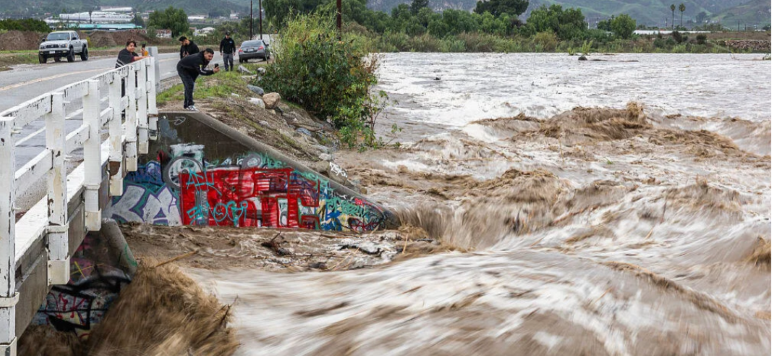
Extreme weather events are increasingly understood through the lens of human-induced climate change.
Research on climate change must account for local economic, social, and political contexts.
[ Load more ]