#compliance
#compliance
[ follow ]
#ai #ai-governance #delve #cybersecurity #privacy #fintech #digital-assets #security #regulations #regulation
#ai-governance

Artificial intelligence
fromTechRepublic
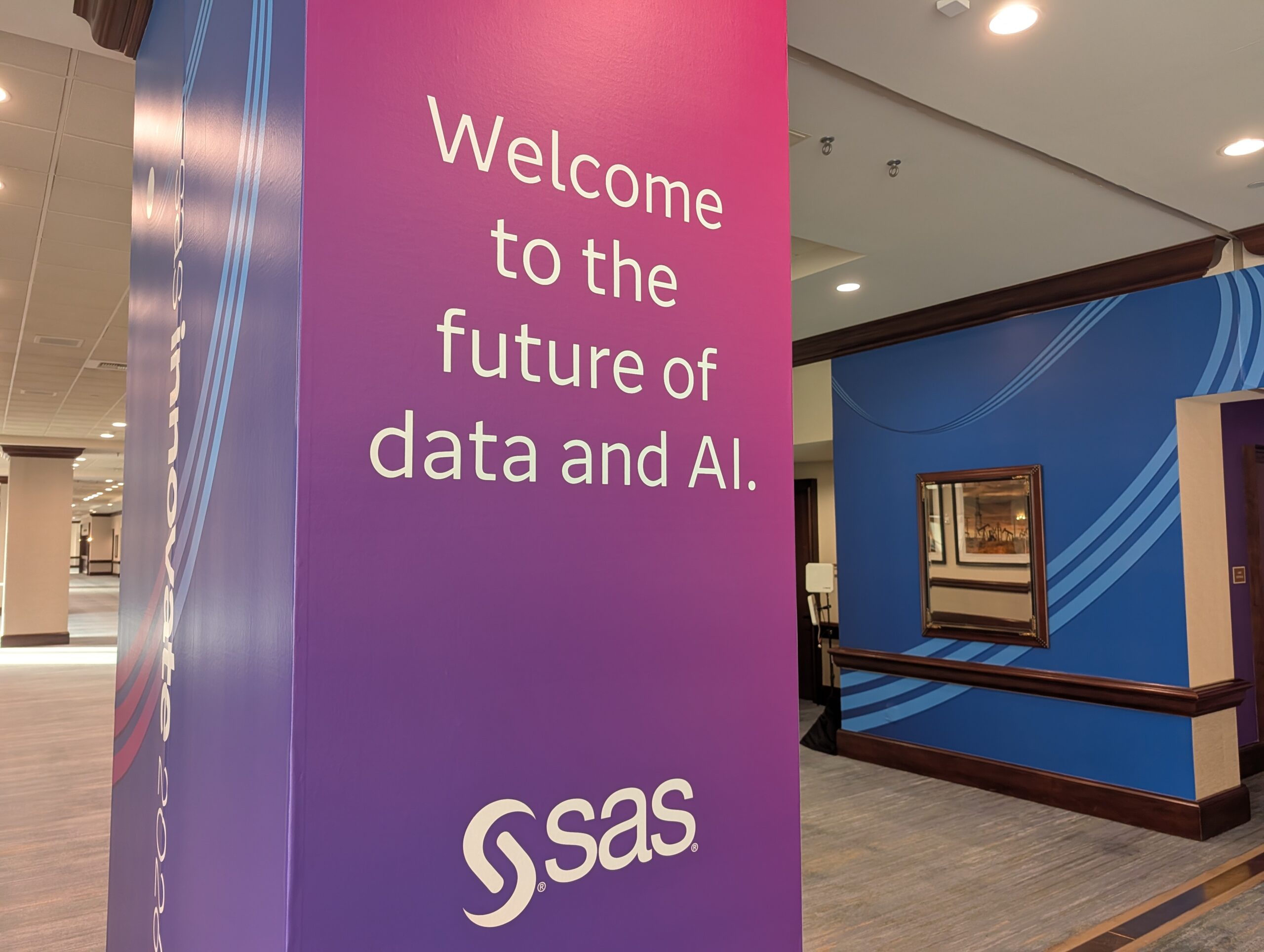
2 weeks agoSAS Launches AI Governance Tools to Tame Agentic AI in the Enterprise
AI governance is essential for enterprises to effectively utilize AI agents while ensuring trust and compliance.
Artificial intelligence
fromMarTech
1 month agoYour AI governance gap is bigger than you think | MarTech
AI governance is an immediate challenge for leaders, focusing on safe and effective usage across organizations.

fromLondon Business News | Londonlovesbusiness.com
6 days agoInside the Advertising Playbook at Prominelis Corp. - London Business News | Londonlovesbusiness.com
Starting with the rulebook, not the creative, is where a lot of campaigns are saved before they fail. Prominelis treats compliance as a creative constraint, not a roadblock.
Marketing
US Elections
fromwww.mediaite.com
1 week agoTucker Carlson Claims Hanging Out With Trump Feels Like Smoking Hash' Possibly Because of His Supernatural' Powers
Tucker Carlson described President Trump as having a spellbinding quality that makes people around him feel confused and compliant, likening it to a hash-like high.
fromnews.bitcoin.com
1 week agoMiCA Decoded: Why the Regulator Sees Your Compliance Team as a Single Brain
Regulators are not checking whether the org chart has the right job titles. They are assessing whether the management body, as a whole unit, has the knowledge architecture, the structural independence, and the documented operational depth to run a regulated financial institution.
Bootstrapping


#accessibility

Software development
fromGitHub
2 weeks agoGitHub - fecarrico/A11Y.md: A context system for building accessible software by default - for developers and AI, with enforceable rules aligned to WCAG.
A11Y.md is an accessibility validation protocol ensuring compliance with WCAG 2.2 AA and ADA standards in software development.
Poker
fromLondon Business News | Londonlovesbusiness.com
2 weeks agoThe hidden costs of gambling compliance: Why UK operators are spending millions on RegTech - London Business News | Londonlovesbusiness.com
The UK Gambling Commission's compliance actions have surged, driving growth in the RegTech sector and highlighting the need for improved compliance among operators.
#delve
European startups
fromSilicon Canals
1 month agoCompliance startup Delve removed from Y Combinator portfolio after anonymous whistleblower posts spark investor exodus - Silicon Canals
Delve has been removed from Y Combinator's portfolio due to serious allegations regarding its business practices and compliance misrepresentation.

European startups
fromSilicon Canals
1 month agoCompliance startup Delve removed from Y Combinator portfolio after anonymous whistleblower posts spark investor exodus - Silicon Canals
Delve has been removed from Y Combinator's portfolio due to serious allegations regarding its business practices and compliance misrepresentation.



fromLondon Business News | Londonlovesbusiness.com
1 month agoUS to automatically register men for military draft by December - London Business News | Londonlovesbusiness.com
The new system will shift the responsibility for registration from individuals to the Selective Service System, which will integrate federal data sources to simplify compliance and reduce bureaucracy.
US Elections
fromBusiness Matters
1 month agoThousands of growing firms freed from IR35 burden - but freelancers warned not to underprice
Changes to the UK's IR35 tax legislation will redraw the lines of responsibility between businesses and the freelancers they engage, promising relief for many companies that previously bore the compliance burden.
UK news


#ai-agents


Information security
fromnews.bitcoin.com
1 month agoChainalysis Deploys AI Agents to Counter Criminal Use of Artificial Intelligence in Crypto
Chainalysis introduces AI agents to enhance fraud detection and compliance without requiring deep technical expertise, ensuring data quality and human oversight.
fromeLearning Industry
1 month ago42 North Dental Cuts Employee Turnover By Training 1600 Learners On One Platform
Randy Schumacher, Director of Learning & Development, found training success with TalentLMS because he could scale training to 1600 learners, check off compliance training, and allow 42 North Dental's providers to focus on their patients.
Healthcare
Canada news
fromLondon Business News | Londonlovesbusiness.com
1 month agoHow you can save money through strategic immigration planning - London Business News | Londonlovesbusiness.com
Strategic immigration planning is essential for businesses in Canada to navigate laws and minimize risks associated with hiring foreign employees.
fromSearch Engine Roundtable
1 month agoGoogle Merchant Center To Highlight Vehicle Ads Data Quality Issues
Google will begin to highlight data quality account issues related to Vehicle ads within Google Merchant Center starting in mid-April 2026. This initiative aims to ensure compliance with Google's Vehicle ads data quality requirements by evaluating both submitted vehicle data and the associated website content for every vehicle uploaded.
Marketing tech
fromAlleywatch
1 month agoTrayd Raises $10M to Solve The Construction Industry's $260B Payroll Complexity Problem
Specialty trade contractors, including electricians and plumbers, have been operating with outdated back-office systems, leading to significant operational risks and inefficiencies in payroll processing and compliance documentation.
Remote teams
fromRangers News
2 months agoReal reason revealed for Paraag Marathe quitting Rangers
UEFA rules restrict individuals from having influence at more than one club, which was the case with Marathe. He is the Chairman of Leeds United and before he decided to leave the Rangers board, was the Vice Chairman for the Ibrox outfit. While he did not hold the role of the Chairman, which is held by Andrew Cavenagh, it was understood to be in breach of the rules.
English Premier League
fromBusiness Insider
2 months agoKalshi says it's punishing its first insider trader: a YouTube streamer's editor
The company said the unnamed video editor violated its insider trading rules by wagering about $4,000 on YouTube streaming markets. The editor received a two-year ban and a financial penalty of five times the size of his initial trade. He "likely had access to material non-public information connected to his trading," the company said.
Cryptocurrency
Remote teams
fromLondon Business News | Londonlovesbusiness.com
3 months agoTop seven mistakes companies make when hiring international employees: Critical risks and how to avoid them - London Business News | Londonlovesbusiness.com
Plan and follow structured, locally compliant hiring processes to avoid legal, financial, and cultural failures when hiring across borders.
fromFortune
3 months agoBretton AI raises $75 million to use AI to combat financial crime | Fortune
After working on the compliance team at the stablecoin infrastructure company Paxos, Lawrence decided to ride the generative AI wave and enter one of the first Y Combinator batches after the launch of ChatGPT. His thesis was that anti-money laundering and know-your-customer compliance operations would be one of the breakout use cases for applying AI to financial services. Lawrence's bet turned out to be prescient.
Venture
Privacy professionals
fromLondon Business News | Londonlovesbusiness.com
3 months agoHow PCA Global Ventures is standardising collection compliance for lenders - London Business News | Londonlovesbusiness.com
Rising debt-collection complaints and stricter Regulation F enforcement force lenders and recovery vendors to centralize governance, improve documentation, and proactively detect compliance gaps.
fromrubyflow.com
3 months agoeWallet App Development Company in USA
As a trusted eWallet app development company in the USA, we help businesses transform digital payments with secure, scalable, and user-centric wallet applications. Our solutions are designed to meet modern consumer expectations while complying with US financial regulations and security standards. From peer-to-peer payments to multi-currency wallet systems, we deliver robust eWallet apps tailored to your business goals. Visit Our Website:
fromDbmaestro
4 years agoDatabase DevOps - Where Do I Start? |
Integrating databases into the CI/CD process or the DevOps pipeline is overlooked in the current DevOps landscape. Most organizations have adapted automated DevOps pipelines to handle application code, deployments, testing, and infrastructure configurations. However, database development and administration are left out of the DevOps process and handled separately. This can lead to unforeseen bugs, production issues, and delays in the software development life cycle.
Software development
[ Load more ]