#consumer-spending
#consumer-spending
[ follow ]
#inflation #us-economy #gas-prices #tax-refunds #retail-sales #economic-impact #energy-prices #oil-prices
#uk-economy


UK news
fromLondon Business News | Londonlovesbusiness.com
8 hours agoUK braces for consumer spending squeeze as Iran conflict fuels stagflation fears - London Business News | Londonlovesbusiness.com
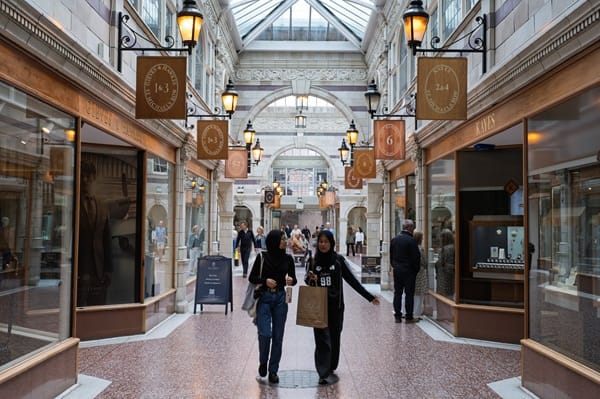
Consumer spending growth in the UK is forecast to nearly stall in 2026 as inflation rises, growth slows, and borrowing costs stay elevated.
UK news
fromLondon Business News | Londonlovesbusiness.com
1 day agoHouseholds face fresh squeeze as Iran war shock hits UK economy - London Business News | Londonlovesbusiness.com
Consumer spending growth is forecast to collapse to 0.3% in 2026 as energy prices rise, inflation stays elevated, and confidence weakens.
fromTelecompetitor
22 hours agoUnlike everything else, wireless prices going down: Report
The "More for Less: 2026 Wireless Affordability Tracker," found that when adjusted for inflation postpaid unlimited plans are 10% less than last year and almost 35% less than five years ago. The proliferation of plans - the tracker says that it found more than a thousand - has driven prepaid options down more than 50% during the past five years.
Gadgets
#oil-prices


Business
from24/7 Wall St.
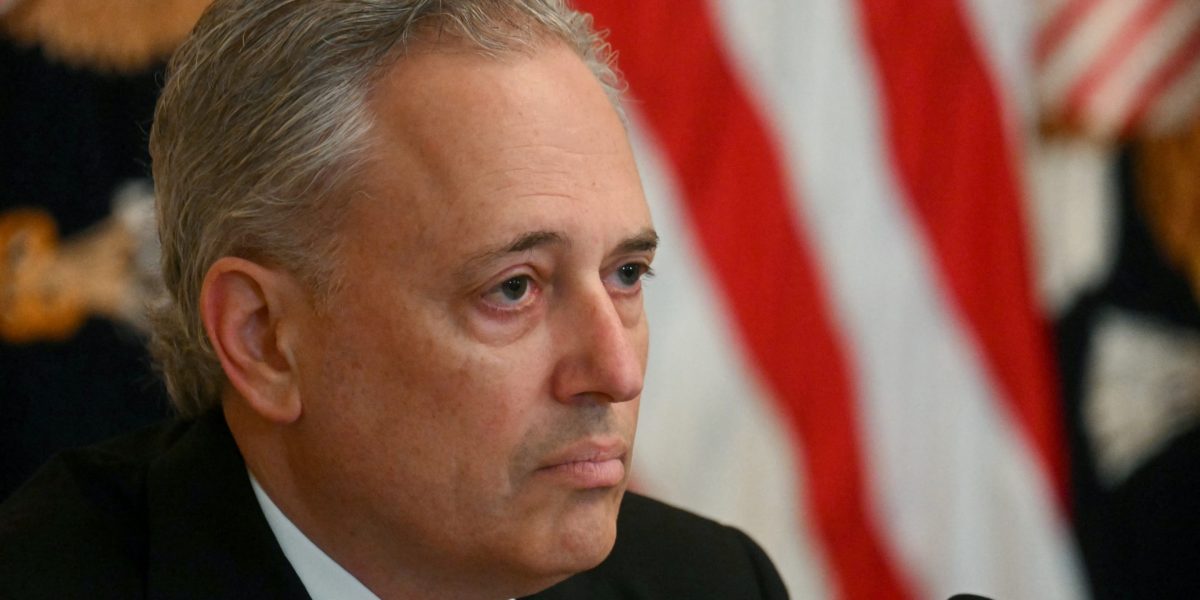
3 days agoWhat Chevron's CEO Just Said About Global 'Supply Outages' Could Derail Trump's Economic Momentum
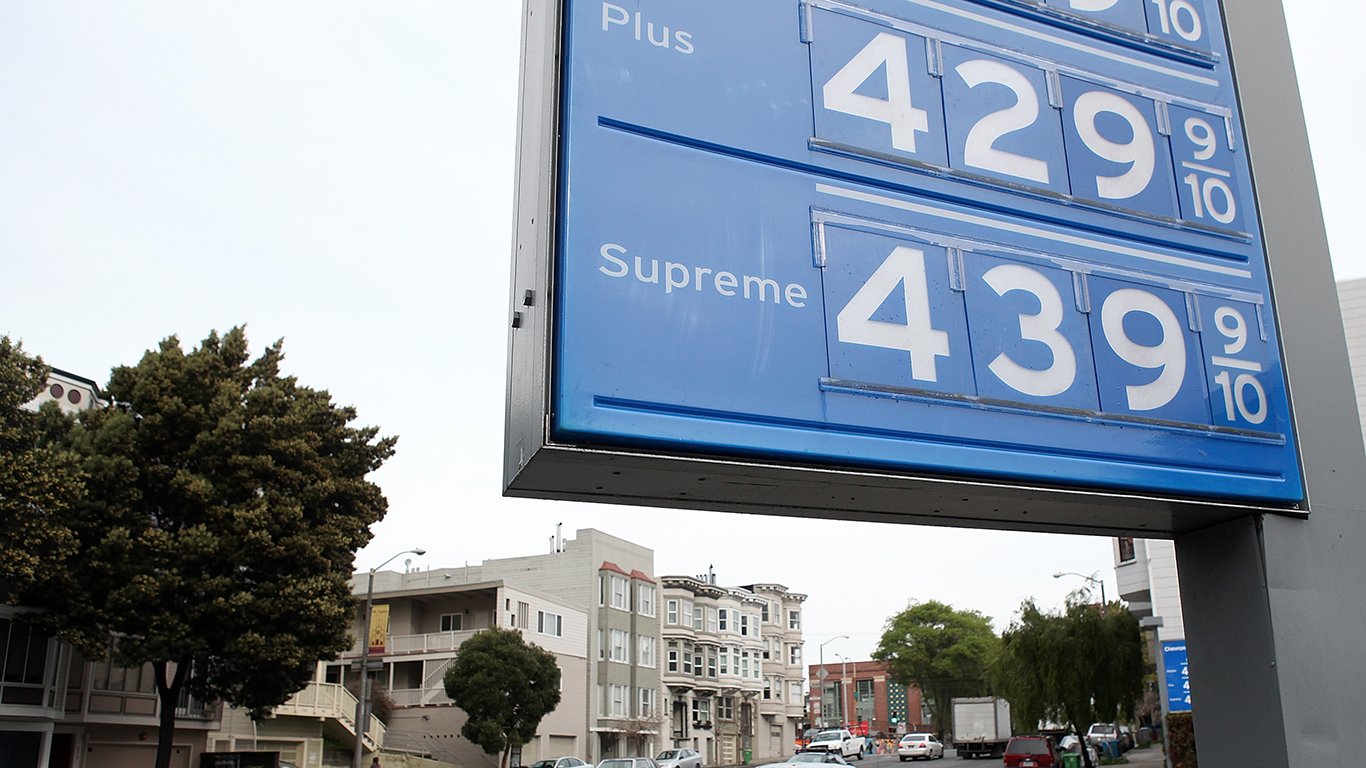
Rising global oil prices from geopolitical supply disruptions can quickly raise U.S. fuel and broader economic costs despite strong domestic production and low unemployment.
World news
fromLondon Business News | Londonlovesbusiness.com
1 month agoOil Pullback Could Ignite Broad Rally in Markets - London Business News | Londonlovesbusiness.com
Consumer, transport, and industrial sectors may rally if oil prices stabilize and decline, especially with positive US-Iran discussions.
fromwww.businessinsider.com
4 days agoUber and DoorDash bet on higher earners. It's paying off big.
Uber, DoorDash, and Instacart largely beat quarterly expectations this week and saw their stocks lift. Despite rising gas prices and consumers trimming their budgets, many people are still spending on ride-hailing and food delivery, according to companies' latest earnings results. "We're definitely seeing that not all consumers are under pressure," said Brian Mulberry, chief market strategist at Zacks Investment Management. "Some are still very high earners and doing very well."
E-Commerce




from24/7 Wall St.
1 week agoTrump Promised Lower Inflation. Instead, Gas Prices May Get Worse Than Under Biden
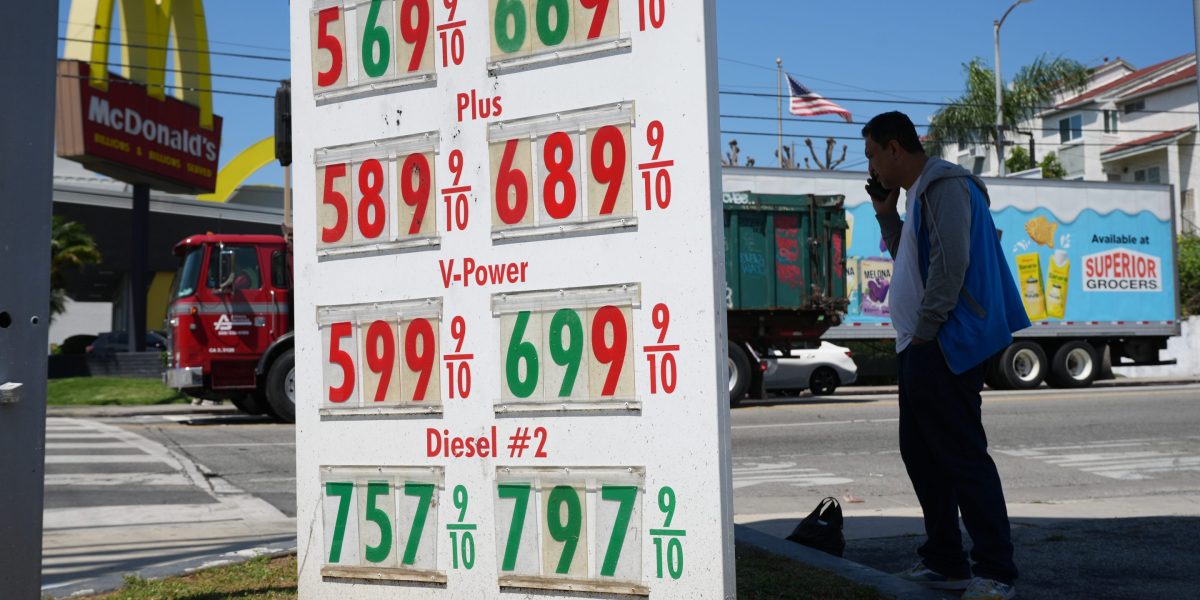
The national average price for regular gasoline now stands at $4.483 per gallon, up from $4.176 just one week ago. In less than two weeks, gas prices have surged 11%, putting them within striking distance of the all-time AAA record of $5.016 set on June 14, 2022.
Business
fromThedrum
1 week agoConsumers in Indonesia ramp up spending for revitalized Ramadan celebrations: InMobi report
Indonesia, with the world's largest Muslim population of approximately 229 million, experiences a surge in consumer spending during Ramadan, as many prepare for gifts, travel, and iftar meals.
Marketing tech
London startup
fromLondon Business News | Londonlovesbusiness.com
2 weeks agoCashback at the pumps as motorists squeezed by rising prices - London Business News | Londonlovesbusiness.com
Barclays and Tesco launch a fuel cashback scheme to help customers amid rising motoring costs and volatile energy markets.
fromBusiness Matters
2 weeks agoHarpin-backed Flooring Superstore weighs restructure as sales slip
Flooring Superstore has drafted in Begbies Traynor and the restructuring arm of Santander to weigh its options, with a company voluntary arrangement or full administration both on the table.
London startup
Fashion & style
fromFortune
2 weeks agoAmericans are buying more used clothes, but the real story is who's buying what: luxury resale is booming and so is discount | Fortune
Americans are increasingly spending on secondhand clothes, reflecting a K-shaped economy with growth concentrated among high and low-income earners.
Real estate
fromFortune
2 weeks agoGood news: Rumors of a K-shaped economy have been overblown so far, says Goldman Sachs. Bad news: 2026 is when it will really bite | Fortune
Goldman Sachs believes consumer resilience is underestimated despite K-shaped economic concerns, with inflation impacts being similar across income levels.


London
fromLondon Business News | Londonlovesbusiness.com
3 weeks agoHospitality hit by Tube strikes as World Cup summer seen as crucial lifeline - London Business News | Londonlovesbusiness.com
Tube strikes in London are expected to reduce consumer spending in the hospitality sector during a period of good weather.
Marketing
fromMuse by Clios | Discover the latest creative marketing and advertising news. Muse by Clio is the premier news site covering creativity in advertising and beyond.
3 weeks agoWhy Your Brand Should Be Creating for the 50+ Crowd | Muse by Clios
Consumers aged 50+ are financially stable, active, and represent a significant market opportunity, yet only 17% of companies target them effectively.

fromFortune
1 month agoA Wall Street vet's Walmart recession indicator just hit its highest point since 2008-and he says the fear 'just keeps multiplying' | Fortune
'Walmart Worries' just keep multiplying. It's currently close to the highest level ever recorded which was during the Great Financial Crisis of 2008-09.
Business
fromwww.mediaite.com
1 month agoCNBC's Sara Eisen Swipes At Trump Econ Adviser For Brushing Off' Americans' Pain at the Pump
Americans are feeling this, I don't have to tell you guys. If you have filled up a tank of gas, you are paying 80 to 90 cents more per gallon than before this war began. That's a sharp increase. It's painful. You feel it and it will impact your spending everywhere else. It's an economic hit.
US politics
Relationships
fromFortune
1 month agoAmerica's economy is so bad that it's driving a loneliness crisis, as two-thirds skip weddings and dinners to make ends meet | Fortune
Two-thirds of Americans skip social events due to financial constraints, but 56% hide the real reason from friends and family, creating isolation and anxiety.
Relationships
fromFortune
2 months ago'What a waste of money': Shark Tank star Kevin O'Leary urges couples to ditch the extravagant wedding and do this instead | Fortune
Kevin O'Leary advises couples to skip expensive weddings and instead opt for small civil ceremonies, saving money for their financial future.
E-Commerce
fromFast Company
2 months agoLego Group grew its revenue by double digits in 2025. The toymaker owes its success to these 2 bold strategies
Lego achieved 12% revenue growth to $13.2 billion in 2025 despite consumer spending constraints, driven by innovative products and expanded portfolio across multiple market segments.
fromBoston.com
2 months agoThe allure of 'slop bowls' fades as consumers tighten spending
Not that long ago, restaurant chains like Cava, Chipotle and Sweetgreen had lines streaming out of their doors at lunchtime. But last year, traffic and sales at many of them softened considerably, and their stock prices plunged. Still, don't look for this restaurant segment to slash menu prices any time soon. It's simply not part of its DNA, some restaurant analysts say.
US news
fromLondon Business News | Londonlovesbusiness.com
2 months agoGreggs warns trading remains 'tough' despite easing cost pressures - London Business News | Londonlovesbusiness.com
We have come into 2026 planning for another challenging year. When you look at consumer confidence and disposable income, you can see that the backdrop is still tough out there. Currie expressed optimism that easing pressures could support consumer spending in 2026, but also recognised that demand remains fragile.
UK news
Retirement
fromFortune
2 months agoYour grandparents are the reason the U.S. isn't in a recession right now. That won't last forever | Fortune
Older Americans, particularly wealthy baby boomers, are currently sustaining U.S. economic growth through job creation in healthcare and substantial consumer spending, despite long-term demographic challenges.
fromBusiness Insider
2 months agoAirport lounges aren't so exclusive anymore. The airport bar is making a comeback.
In a world where third spaces are dying, and consumers are being segregated between haves and have-nots at every turn, the airport bar has quietly endured. But the airport bar is not-so-quietly under siege. Airport concessions took a hit during the pandemic, and while they benefited from the subsequent revenge travel, the rebound has stalled.
Careers
UK news
fromLondon Business News | Londonlovesbusiness.com
2 months agoFood Shops Cost UK Households Over 6,000 Annually - London Business News | Londonlovesbusiness.com
UK households spend £119 weekly on food, a 23% increase from 2024, forcing 61% to cut back on purchases and 72% to sacrifice other financial commitments.
fromThe American Conservative
2 months agoU.S. GDP Growth Slowed for Q4 2025
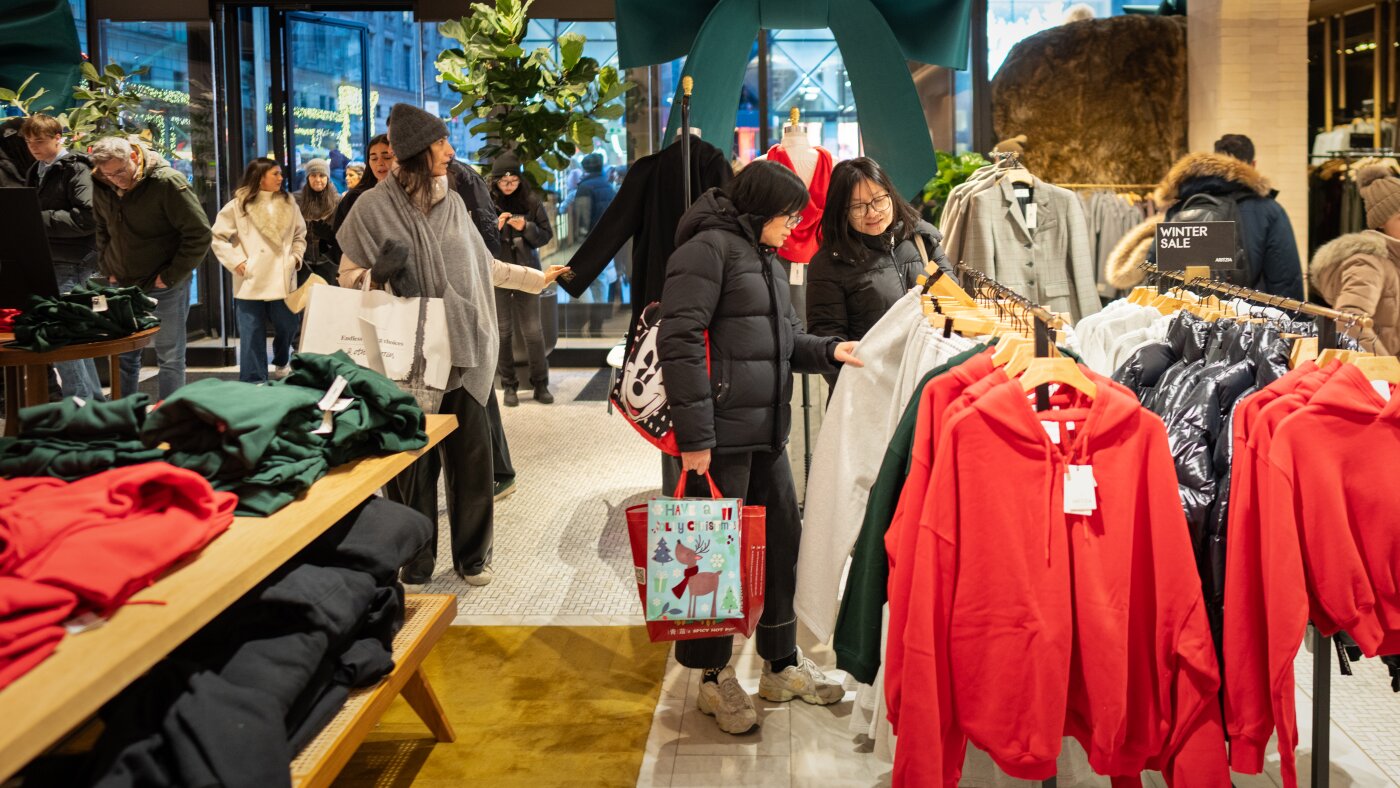
U.S. economic growth cooled significantly in the fourth quarter of 2025, which the Trump administration attributed to last fall's record-long federal government shutdown and softer consumer spending. Gross domestic product rose at a 1.4 percent seasonally adjusted, inflation-adjusted annual rate in the final three months of last year, the Commerce Department said Friday, well below the 2.5 percent pace expected by economists.
Right-wing politics


Business
fromLondon Business News | Londonlovesbusiness.com
2 months agoFlat sales in January after Christmas hangover for hospitality - London Business News | Londonlovesbusiness.com
Like-for-like sales at Britain’s leading managed restaurants, pubs and bars fell 0.1% in January 2026 amid post-Christmas pinch, bad weather and Dry January.


from24/7 Wall St.
2 months agoXRT Is Up 11% But the Real Story Is Which Retailers Are Winning
The SPDR S&P Retail ETF (NYSEARCA:XRT) tracks the S&P Retail Select Industry Index with equal-weighted exposure across 73 retail holdings spanning apparel, grocery, discount, and specialty retail. Unlike market-cap weighted funds, XRT's equal-weight structure means smaller retailers carry the same influence as mega-caps like Walmart. XRT has delivered 11.05% returns over the past year, but recent momentum has stalled - the fund is up just 2.47% year-to-date and has pulled back 3.34% over the past month, reflecting growing uncertainty about the consumer spending outlook.
Business



[ Load more ]