#dangelo
#dangelo
[ follow ]
#neo-soul #rb #voodoo #pancreatic-cancer #black-messiah #brown-sugar #cancer #lauryn-hill #mortality #questlove
fromwww.nytimes.com
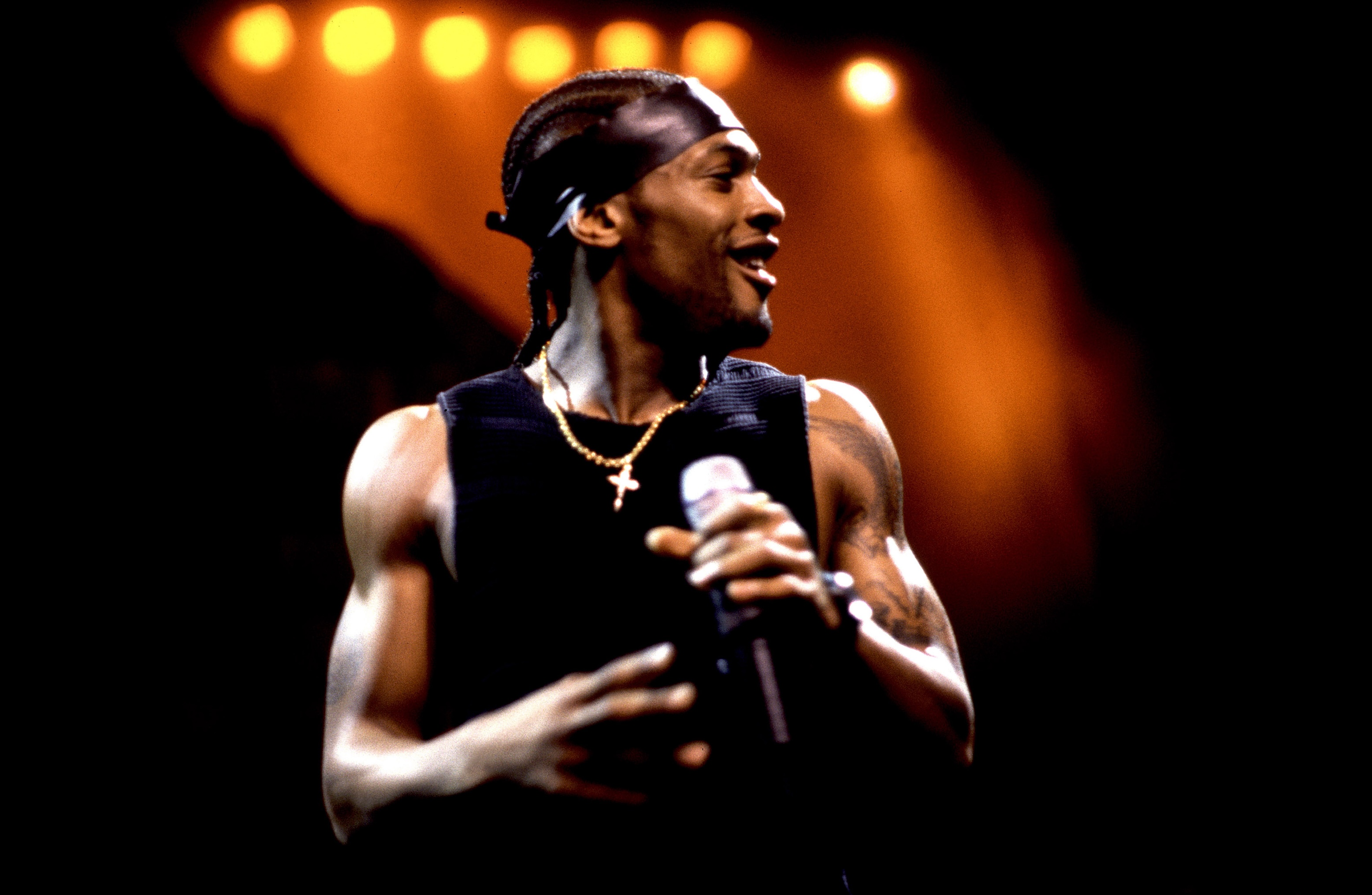
5 months agoVideo: How D'Angelo Understood His Own Mortality
I think part of it for me is that we are surrounded by death all the time. I think that there's a real human curiosity to experience, or to hear other people think through what it is going to mean to not be here anymore. And so for me, I think there's real legitimacy in thinking about, you know, albums as just one zone in which that relaying of an experience is happening.
Music

fromConsequence
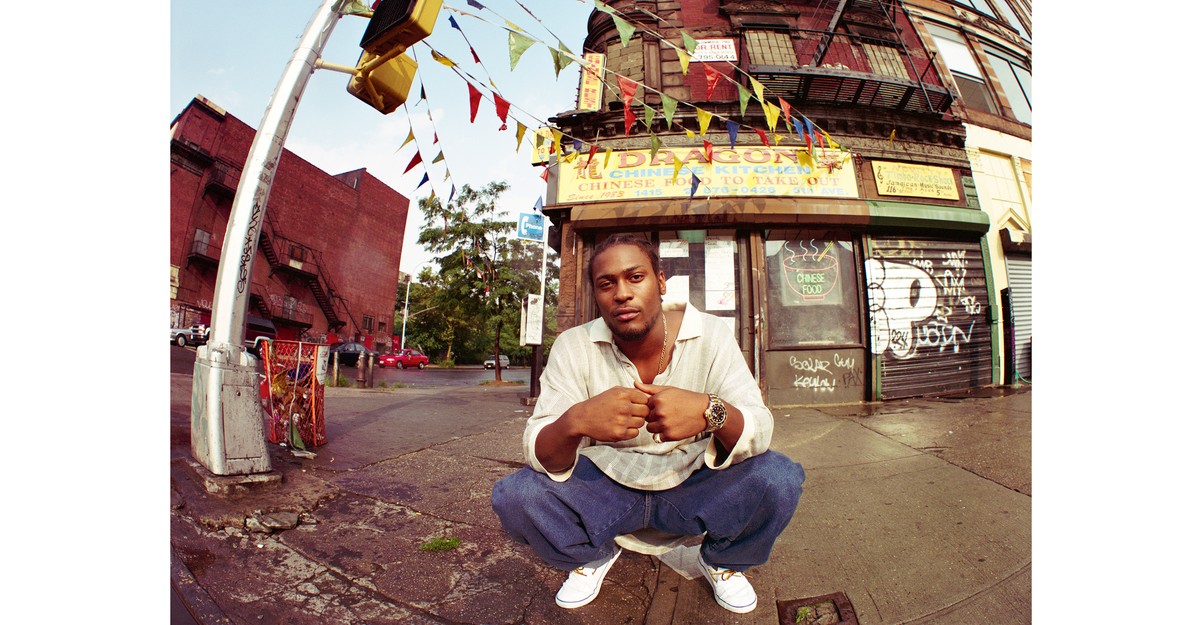
6 months agoBusta Rhymes Releases Heartfelt D'Angelo Tribute Track "Magic"
Rapping over the singer's own classic 2000 single "One Mo'Gin," the often frenetic Rhymes spends several minutes lovingly celebrating both the man and the artist. (Before letting the remainder of the seven-minute track play out to haunting effectiveness.) Whether you're a fan of one artist and/or both, it's the kind of homage that cuts to the beating heart of D'Angelo's singular legacy.
Music




fromSlate Magazine
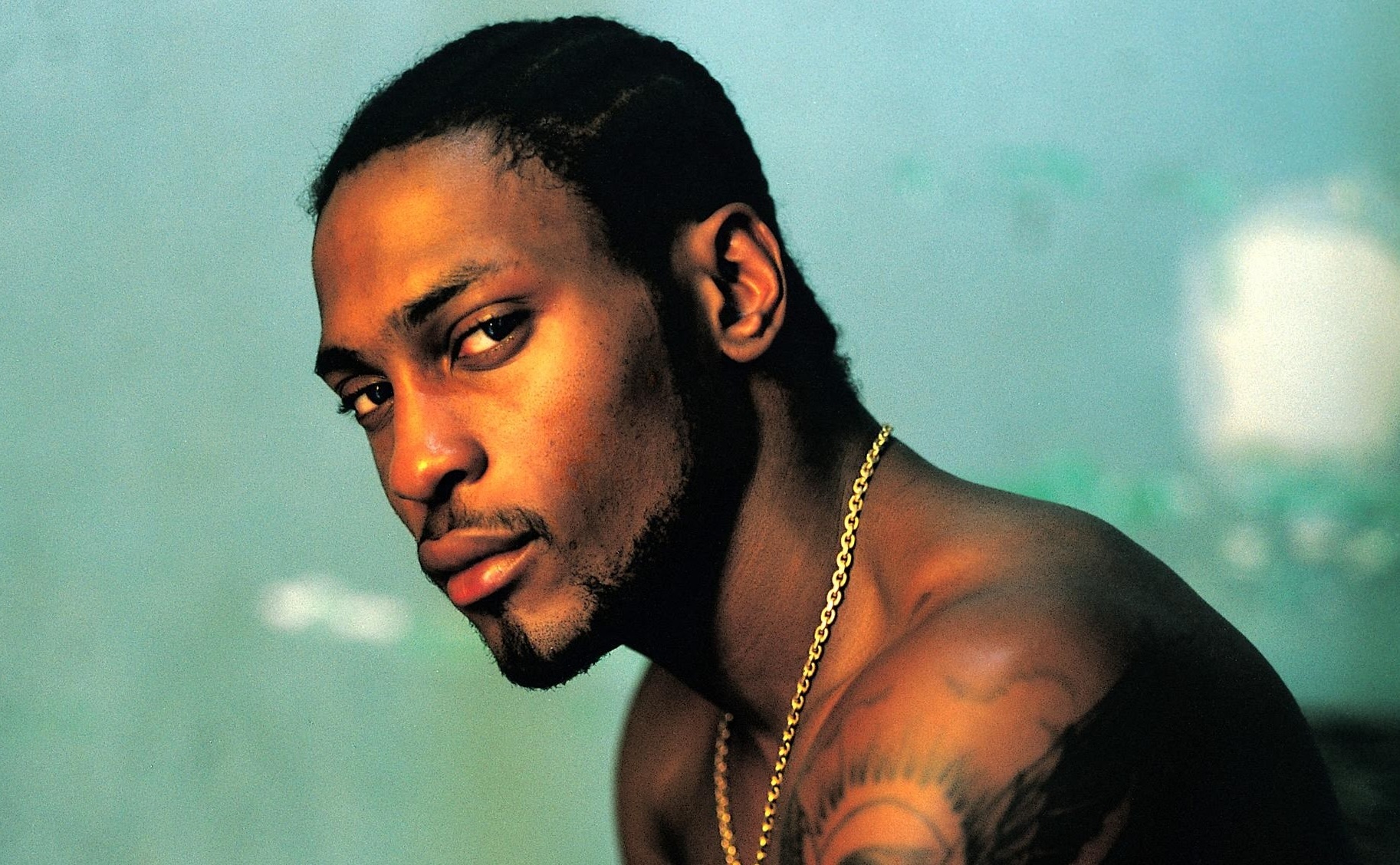
6 months agoD'Angelo Wasn't So Much Influential as Inimitable
Great artists who are the opposite of prolific are always a thorny subject. Many of our most romantic ideas about creativity tend to view "genius" as a kind of vessel state, from which beauty and inspiration simply flow forth, effortlessly and boundlessly: It's deflating to be confronted with the reality that this isn't always how it works. And, of course, when such artists come to be the subjects of intense devotion and scrutiny, it often provokes a demand for more and more, faster and faster,
Music


fromLos Angeles Times
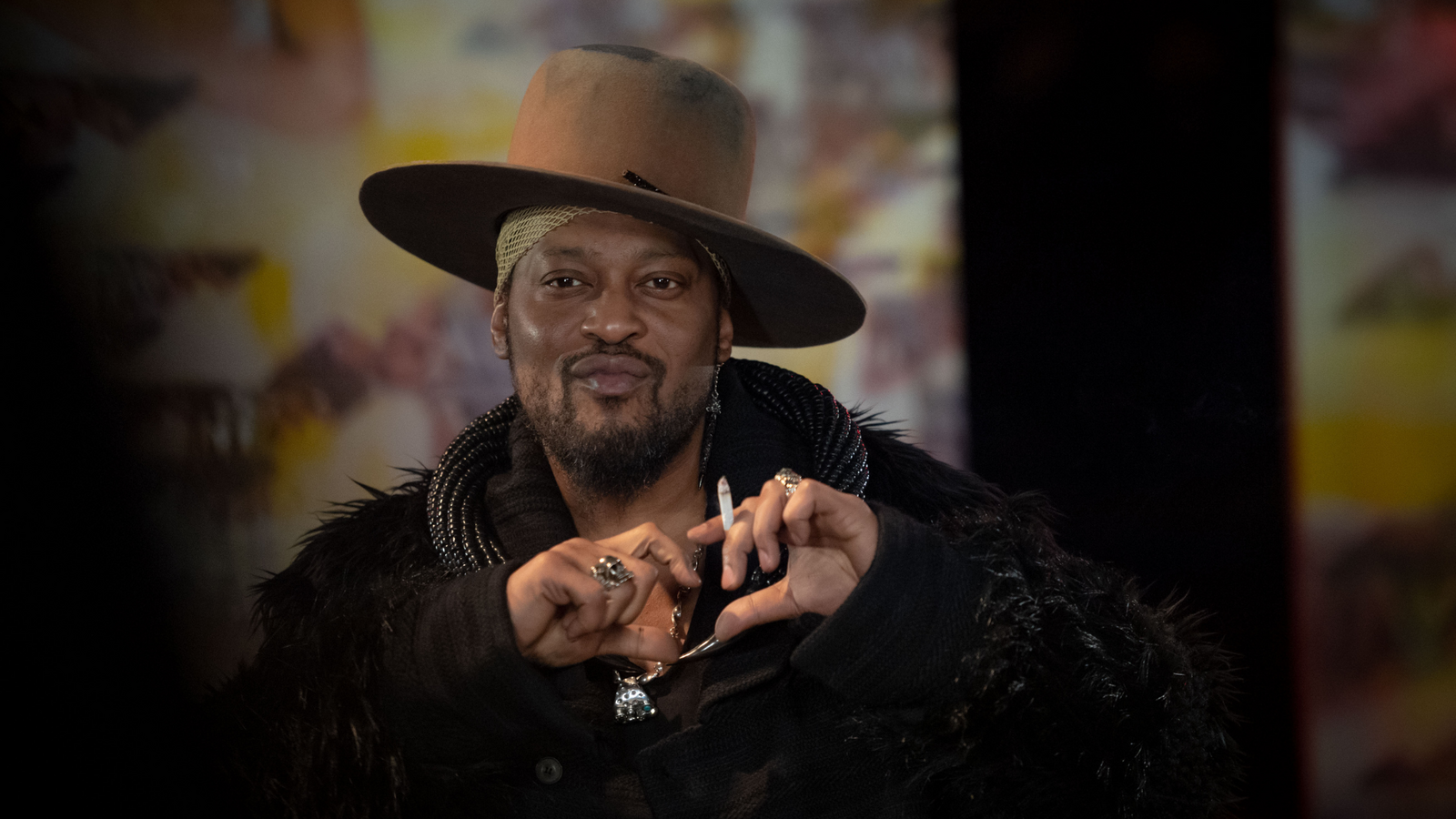
6 months agoD'Angelo was soul music's bard of devotion
"How does it feel?" D'Angelo asks that question - worries it, caresses it, plumbs its unseen depths - no fewer than two dozen times in what might have been his signature hit. A meticulous, slow-to-boil ballad from the R&B singer's 2000 album "Voodoo," "Untitled (How Does It Feel)" is basically a seduction in seven minutes: The song opens with D'Angelo asking a woman to come closer, which because the groove is so spare and his voice such a murmur, she can't help but do.
Music
[ Load more ]