#dust-suppression
#dust-suppression
[ follow ]
#air-quality #air-pollution #public-health #pm25 #pollution #particulate-matter #indoor-air-quality #epa


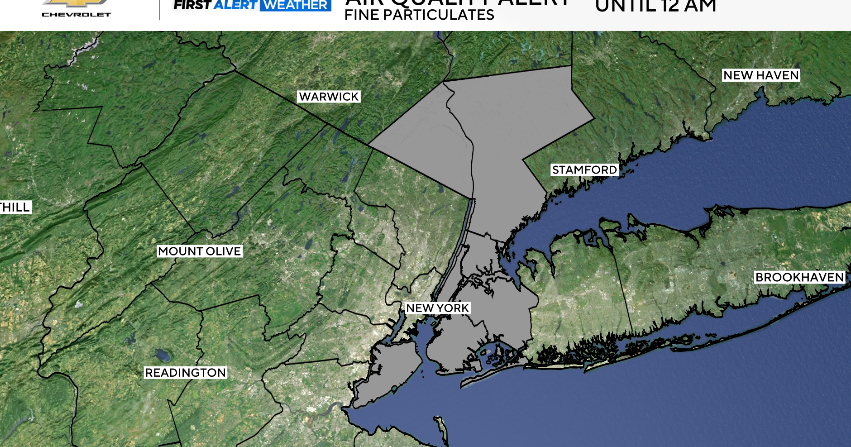

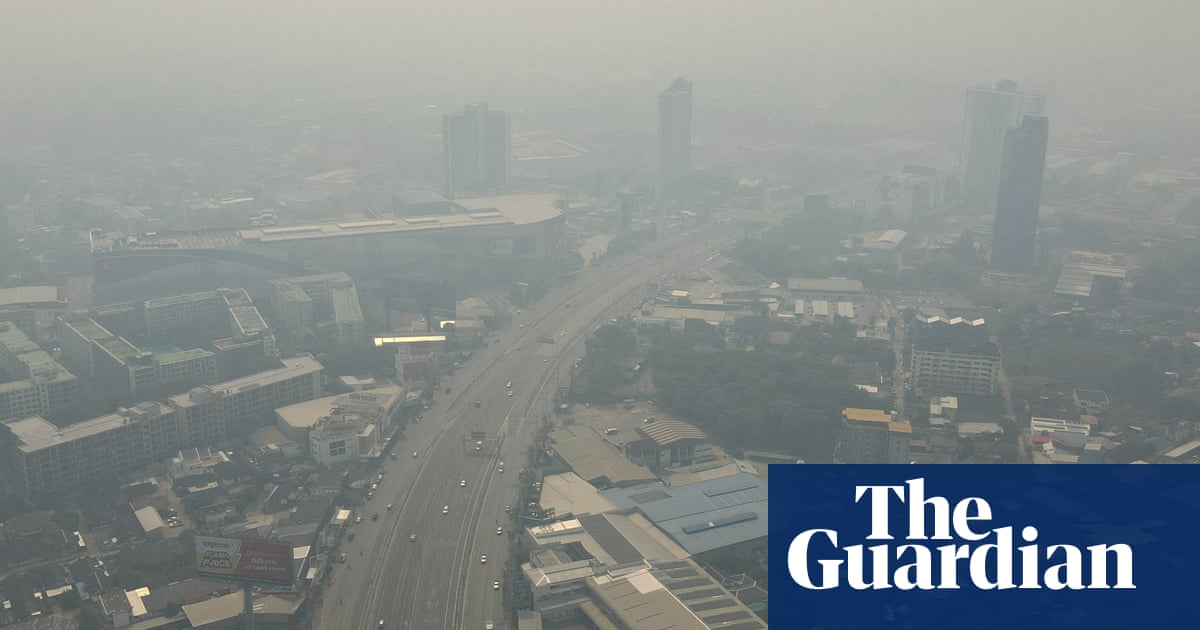





fromTODAY.com
6 days agoThese Are the 2 Most Dangerous Home Cleaning Products to Have Around Kids, New Research Shows
"What surprised me is we are still seeing so many visits to emergency departments associated with very common household cleaning products," Lara McKenzie, Ph.D., stated, emphasizing the ongoing issue despite safety advancements.
Public health
Agriculture
fromEarth911
3 weeks agoConvenience Comes at the Environment's Expense
Fast delivery convenience carries significant environmental costs through packaging waste, carbon emissions, and resource consumption, but individual yard management choices can meaningfully reduce environmental impact at a local scale.

Boston real estate
fromCity Limits
4 weeks agoNYCHA Residents Say Nearby Industrial Site is Covering Their Homes in Dust
A construction debris recycling facility in Far Rockaway creates dust pollution affecting nearby public housing residents, who invoke a 2023 state environmental justice law to oppose the facility's permit renewal.
fromRedfin | Real Estate Tips for Home Buying, Selling & More
1 month agoHow to Reduce Indoor Allergies in Your Home: 5 Effective Ways
Improving indoor air quality is something every household can do. HEPA-based air purifiers - including budget-friendly air purifiers or DIY box-fans with a filter - are incredibly effective at cleaning and lowering particulate levels. That means you don't necessarily need a high-end system to see improvement.
Health
US politics
fromwww.theguardian.com
1 month agoMost US coal plants could meet air pollution rules. Trump weakened them anyway
The Trump administration eliminated mercury and air toxics standards despite 88% of US coal plants already having compliance capability, exposing children to neurotoxic pollution.
Public health
fromLos Angeles Times
3 weeks agoTrump EPA moves to roll back recent limits on ethyene oxide, a carcinogen
The EPA proposes rolling back Biden-era ethylene oxide emission limits, citing $630 million in cost savings for medical sterilization facilities while environmental groups warn of increased cancer risks to nearby communities.
Environment
fromArs Technica
2 weeks agoCoal plant forced to stay open due to emergency order isn't even running
The Trump administration uses emergency orders to keep uneconomical coal plants operational despite cheaper renewable and natural gas alternatives, citing grid reliability while data shows minimal actual energy contribution.
Public health
fromwww.theguardian.com
3 weeks agoTrump policies set to increase rates of lung disease and death, study finds
Trump administration policies across healthcare, environment, workplace, and vaccines are projected to significantly increase lung disease rates and premature deaths among Americans.
Environment
fromNature
4 weeks ago'Black rain' in Tehran - what are the health effects?
Missile strikes on Iranian oil facilities released toxic chemicals into the atmosphere, creating black acid rain containing harmful hydrocarbons, sulfur oxides, and nitrogen compounds that pose serious health risks.
#epa-enforcement-decline
Environment
fromArs Technica
4 weeks agoWhat crackdown? Trump's EPA enforcement claims don't pass sniff test.
EPA criminal enforcement cases dropped 76 percent in Trump's first year compared to Biden's first year, with only 16 cases filed despite recent high-profile prosecutions and $17 million in criminal fines.
Environment
fromTruthout
1 month agoHouse Bill Could Weaken EPA Oversight of Hazardous Chemicals
House conservatives propose rolling back 2016 reforms to the Toxic Substances Control Act, weakening EPA authority to regulate hazardous chemicals despite ongoing groundwater contamination cases like Jones Road.
fromSilicon Canals
2 months agoWhy your house is dustier than your neighbor's and the airflow mistake causing it - Silicon Canals
I was that person who only changed their HVAC filter when it looked like it had grown its own ecosystem. Richie Drew, Vice President of Operations at One Hour Heating & Air Conditioning, puts it bluntly: "Dirty filters can reduce airflow, increase dust in your home and strain your heating system." Think about it this way: your HVAC filter is like the bouncer at an exclusive club, except instead of keeping out people without the right shoes, it's blocking dust particles from circulating through your home.
Remodel
fromwww.independent.co.uk
2 months agoSmoke seen for miles after Wolverhampton factory fire
From reproductive rights to climate change to Big Tech, The Independent is on the ground when the story is developing. Whether it's investigating the financials of Elon Musk's pro-Trump PAC or producing our latest documentary, 'The A Word', which shines a light on the American women fighting for reproductive rights, we know how important it is to parse out the facts from the messaging.
UK news
Environment
fromwww.theguardian.com
1 month agoThousands of pollution incidents in England downgraded without site visit, data suggests
Environment Agency staff downgraded 98% of 2,778 serious water pollution incidents reported in 2024 without site visits, representing a 1,500% increase in downgrades since 2021.
fromwww.dw.com
1 month agoHow mercury from coal plants can cost lives
A potent neurotoxin capable of causing lifelong damage to the lungs, brain, skin and other organs, mercury is strictly regulated worldwide. Children, in particular, can suffer severe developmental impairment when exposed. A trace element that occurs naturally in rocks such as limestone, as well as in coal and crude oil, mercury remains locked underground for millions of years, largely entering the ecological cycle through human activity.
Public health
Public health
fromwww.theguardian.com
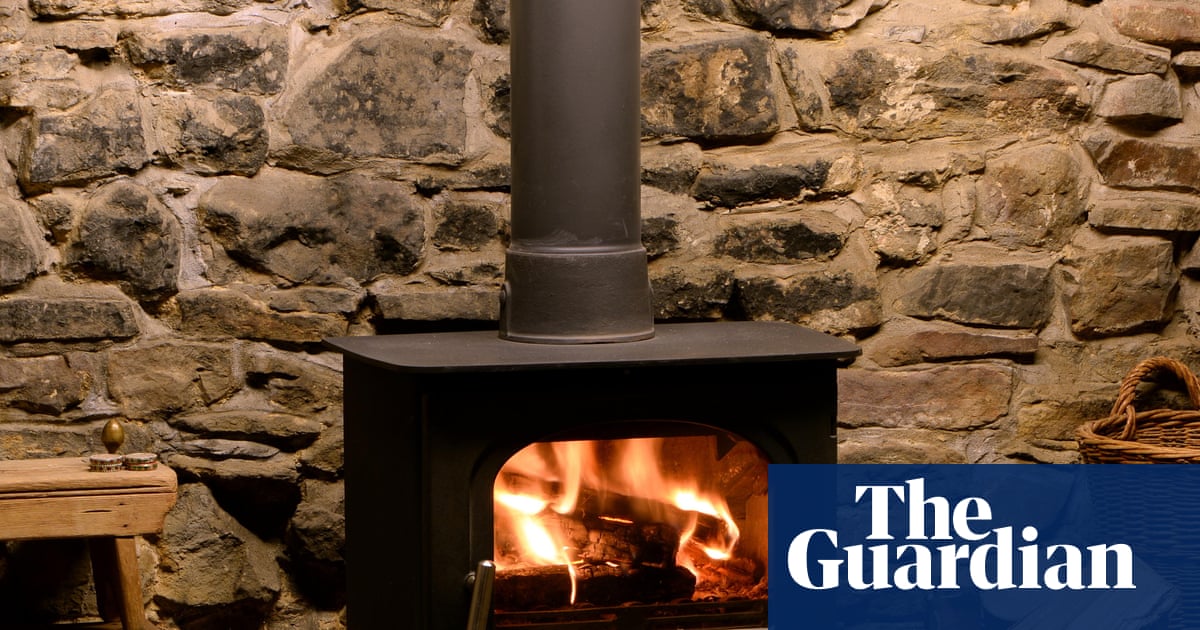
1 month agoWood burning pollution leads to 8,600 premature US deaths a year, study finds
Residential wood burning causes an estimated 8,600 premature US deaths annually and contributes about 21% of wintertime particulate pollution despite only 10% of homes burning wood.
fromwww.scientificamerican.com
1 month agoTrump administration slashes mercury regulations from coal plants
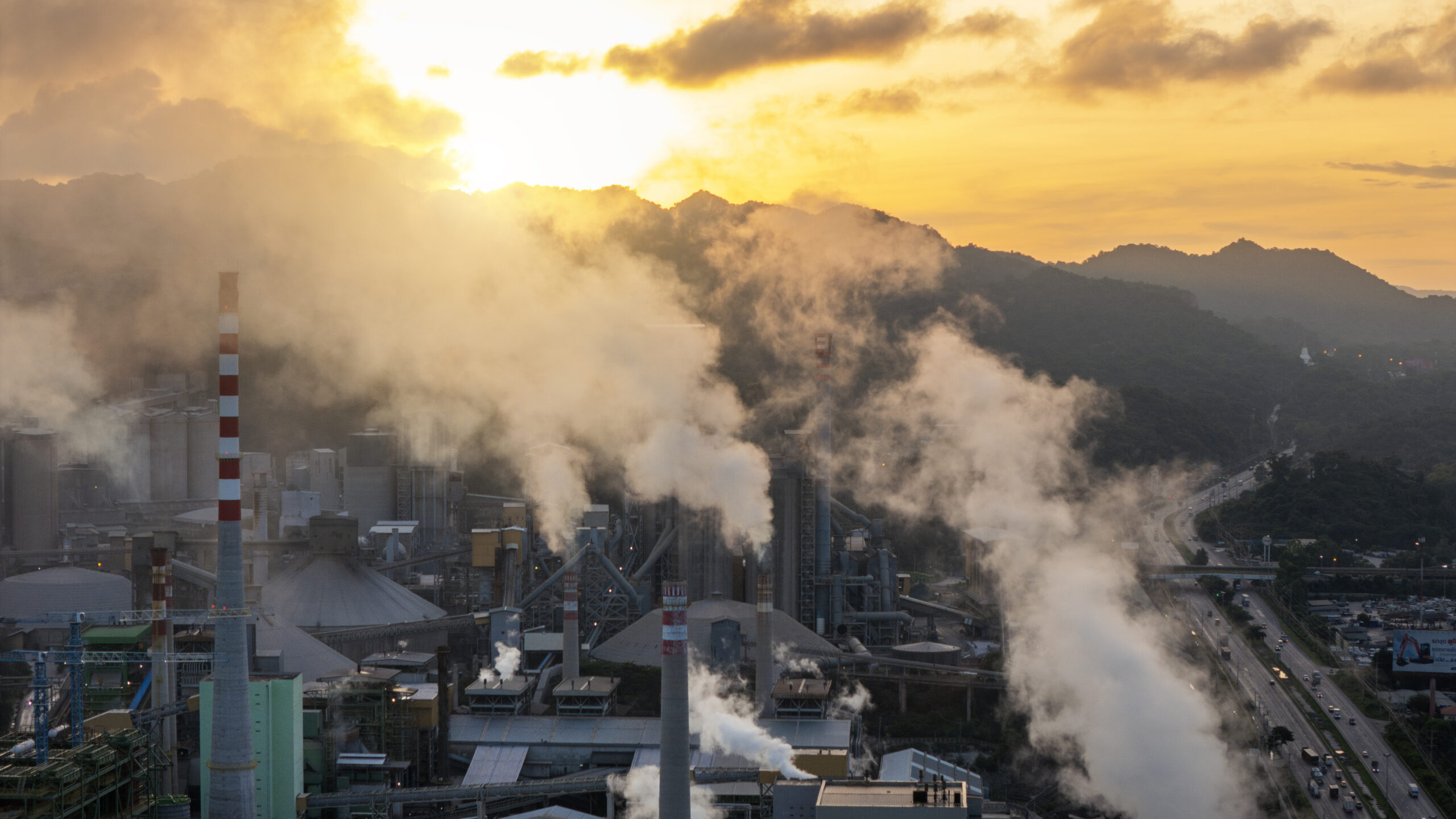
On Friday the Trump administration officially rolled back a series of Biden-era environmental regulations on coal plants, including some intended to clamp down on mercury pollution. Environmental advocacy groups and experts have decried the decision as risking human healthmercury has been shown to cause serious neurological damage, especially in infants. The decision effectively reverts regulations to those set in 2012 by the Obama administration.
Environment

Public health
fromNonprofit Quarterly | Civic News. Empowering Nonprofits. Advancing Justice.
2 months agoThe Polluters Down the Street-EPA Changes Put Lives at Risk | Nonprofit Quarterly | Civic News. Empowering Nonprofits. Advancing Justice.
Air quality monitoring and Clean Air Act regulations have reduced PM2.5, prevented hundreds of thousands of early deaths, and improved average life expectancy.
fromwww.theguardian.com
1 month agoTrump's EPA to roll back rule limiting hazardous mercury from coal plants
Donald Trump's EPA has said that easing the pollution standards for coal plants would alleviate costs for utilities that run older coal plants at a time when demand for power is soaring amid the expansion of datacenters used for artificial intelligence. But environmental groups have said that weakening standards for mercury, a neurotoxin that can impair babies' brain development, and other air toxics will lead to higher health-related costs.
Environment
fromNature
2 months agoMicroplastic levels in the air have been overestimated, but are still a big concern
Many human activities - from improper disposal of waste to the degradation of car tyres - release small plastic particles, which have infiltrated the atmosphere, oceans and other ecosystems. These include nanoplastics - particles measuring less than 1 micrometre across - and microplastics, which range from 1 micrometre to around 5 millimetres. They've entered our bodies and brains, and scientists are still working to understand their effects on people's health.
Environment
fromwww.theguardian.com
2 months agoWood burners may treble children's exposure to pollution in homes, study finds
One thing that stood out was the home environment. This was the largest contributor to children's daily particle pollution exposure more than school or commuting. This was mainly due to indoor sources such as wood burning and indoor smoking. Short peaks in particle pollution were linked to home cooking and secondhand tobacco smoke. Home heating with a fire or stove was linked to longer exposures. In some cases, these persisted overnight in children's bedrooms as fires remained lit or smouldering with poor ventilation.
Public health
fromWIRED
2 months agoI Love My Dehumidifier and Will Never Go Back to the Damp
You should buy a dehumidifier. It will almost certainly improve your home environment. Pulling moisture from the air helps banish condensation and mold, making it cheaper and easier to regulate the temperature in your house or apartment. There's a reason the chatter about dehumidifiers has grown so loud and sales are soaring; it's because they work. Whether you've seen a persuasive Reddit thread, a life hack on TikTok, or an expert guide to the best dehumidifiers, the hype is real.
Environment
fromTruthout
2 months agoTrump's EPA Is Questioning Its Own Legal Authority to Regulate Pollutants
Ethylene oxide was once considered an unremarkable pollutant. The colorless gas seeped from relatively few industrial facilities and commanded little public attention. All that changed in 2016, when the Environmental Protection Agency completed a study that found the chemical is 30 times more carcinogenic than previously thought. The agency then spent years updating regulations that protect millions of people who are most exposed to the compound.
Environment
fromTechCrunch
1 month agoTrump administration undermines EPA enforcement of Clean Air Act | TechCrunch
After months of telegraphing the move, the Trump administration today officially repealed the EPA's 2009 " endangerment finding," which found that greenhouse gases such as carbon dioxide and methane were a threat to human health and welfare. The finding had so far supported the agency's regulation of greenhouse gases under the Clean Air Act. Currently, the new rule only applies to car and truck tailpipe emissions, but it's expected to be the first of several similar changes to federal air pollution regulations.
Environment
[ Load more ]