#emotional-support
#emotional-support
[ follow ]
#friendship #communication #parenting #mental-health #relationships #grief #family-dynamics #child-development
#parenting
Parenting
fromSlate Magazine
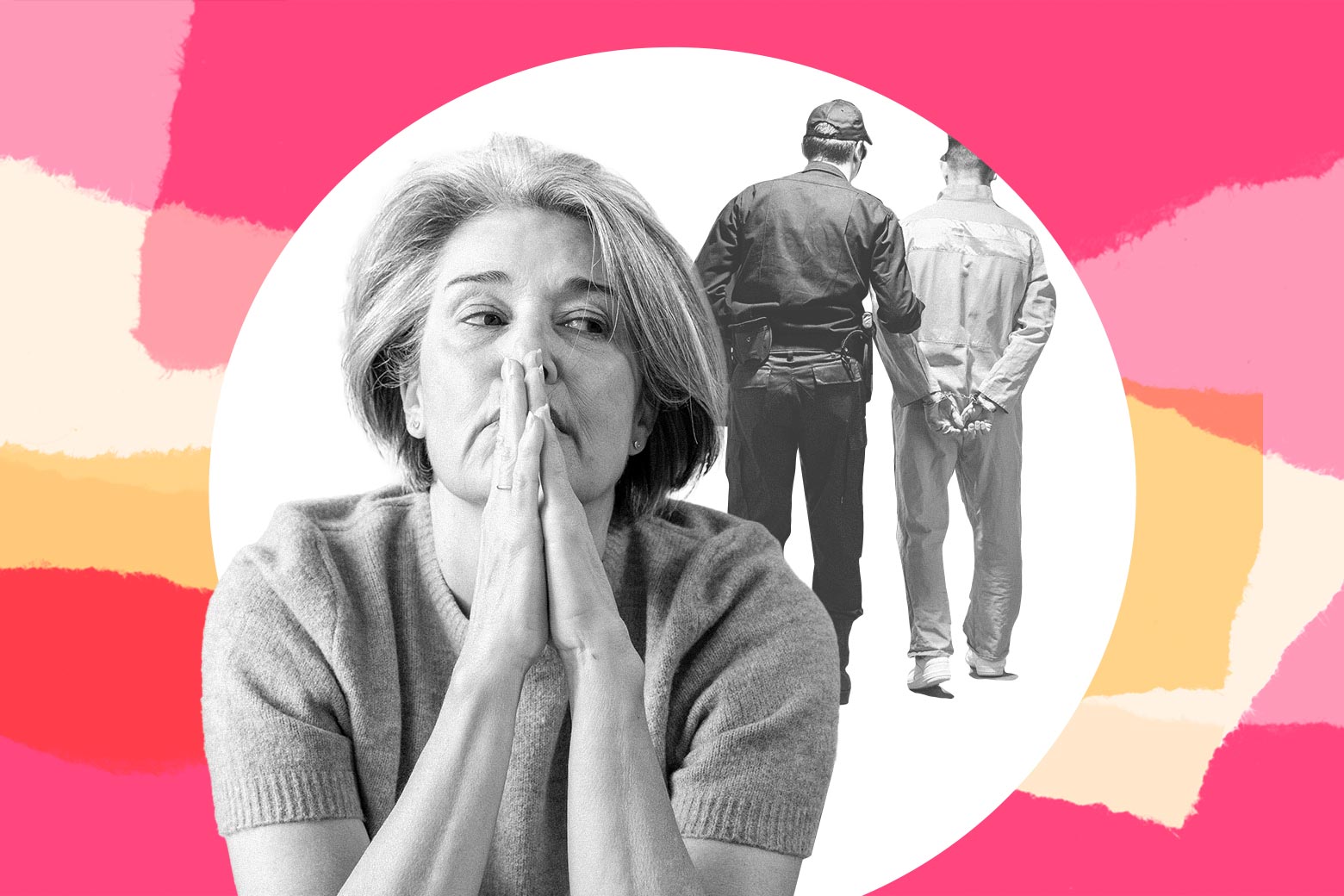
1 week agoMy Kid's School Is Going Through a Financial Scandal. What Parents Have Chosen to Do About It Is Breaking My Heart.
Maintaining friendships during school transitions requires honest communication about feelings and shared values despite differing decisions.

Mindfulness
fromSilicon Canals
1 week agoI'm 37 and I haven't felt real joy in years, and it isn't because I'm broken, it's because I've been keeping everyone else okay for so long I forgot I was allowed to feel anything for myself - Silicon Canals
Genuine joy is often lost when one becomes overly focused on supporting others at the expense of their own needs.
fromwww.businessinsider.com
1 week agoChatGPT 4o faithful want their weird little AI friend back. GPT-5.5 is giving them hope.
Martina Wanis described ChatGPT 4o as 'this digital thing that helped you with work, while simultaneously acting like an intelligent partner in crime who actually understood the vibe and your personal ontology.' She noted that newer models 'tightened down the personality and turned into paranoid HR managers,' which increased her mental load instead of decreasing it.
Artificial intelligence
Relationships
fromSilicon Canals
1 week agoYou can tell a person is genuinely kind by how you feel after spending time with them - not impressed, not entertained, just lighter, more like yourself, more settled - and the person whose presence reliably produces that feeling has done something most adults never master, which is offering a kind of attention that returns you to yourself rather than redirecting you to them - Silicon Canals
Real kindness is about presence, not performance or charisma; it makes others feel more like themselves without trying to impress or entertain.
#friendship
Relationships
fromSilicon Canals
2 weeks agoPsychology says people who have no close friends outside of their spouse haven't done anything wrong - they've simply built an arrangement where their partner is the friend, the confidant, the witness, the everything - and the burden on the spouse is invisible until something happens, and then everyone in the marriage discovers at once that one person cannot meet every emotional need of another no matter how good the love is - Silicon Canals
Having a spouse as your only friend can create emotional burdens and limit social support.
Relationships
fromSlate Magazine
2 weeks agoMy Friend Butt-Dialed Me and Left a Voicemail. Now I Know Something I Shouldn't.
Honesty is the best approach when dealing with sensitive information about a friend's relationship struggles.


Relationships
fromSilicon Canals
2 weeks agoPsychology says people who have no close friends outside of their spouse haven't done anything wrong - they've simply built an arrangement where their partner is the friend, the confidant, the witness, the everything - and the burden on the spouse is invisible until something happens, and then everyone in the marriage discovers at once that one person cannot meet every emotional need of another no matter how good the love is - Silicon Canals
Having a spouse as your only friend can create emotional burdens and limit social support.
Relationships
fromSilicon Canals
2 weeks agoI thought having only a few close friends meant something was wrong with me - then I realized I'd spent years being everyone else's emotional support - Silicon Canals
Real friends are few, and being an emotional support for others can lead to exhaustion and a lack of genuine connection.


fromCbsnews
2 weeks agoIn Brooklyn, cognitive behavioral therapy is helping young men redefine masculinity
"They didn't know how to express themselves. If you ask them how they felt, they will tell you what they did versus the actual feeling," Cooper said. "That's what made me take a deep dive in cognitive behavioral therapy, utilizing that as a tool to teach them how to emotionally regulate, and then to be able to articulate those emotions to the people that they care about."
Brooklyn


Pets
fromSilicon Canals
1 month agoPsychology says people who treat their dogs like children aren't substituting the dog for human connection - they've found a relationship in which the attachment system can operate without the self-protective interference that human relationships almost always trigger, and the love that results is not lesser for its safety, it is simply the version of love that the person is most fully capable of giving without the armor on - Silicon Canals
People treating dogs like children are not compensating for something missing; they are experiencing a profound understanding of love and attachment.
Psychology
fromSilicon Canals
1 month agoPsychology says the loneliest people in life aren't the ones nobody likes - they're the kind, helpful people everyone appreciates but nobody thinks to check on because they seem so self-sufficient - Silicon Canals
Highly capable, helpful individuals often feel lonely because their strength creates an illusion that they do not need support.
Relationships
fromSilicon Canals
1 month agoThe loneliest men aren't the ones who live alone - they're the married men who've funneled every ounce of emotional intimacy into one relationship and have no backup system when that well runs dry or their partner passes away - Silicon Canals
Many men rely solely on their spouses for emotional support, leading to loneliness even in marriage.
fromBuzzFeed
2 months agoThis Husband Is Going Viral For The "Problems" He Is Having With His Wife's Post-Partum Body
As a postpartum woman, most of the time, I just want my husband to hug me and tell me he's sorry I'm uncomfortable in my new body. I don't always want to hear how attractive he finds me, because I don't see it. Maybe try thanking her for sacrificing her pre-baby body to bring your children into the world. Tell her you appreciate that and love her.
Relationships
Mental health
fromwww.theguardian.com
2 months agoI've turned AI into my therapist. The results were pretty disquieting
An AI skeptic uses ChatGPT as a therapist while caring for an elderly mother, finding it provides practical support, emotional validation, and structured guidance despite uncertainty about genuine machine compassion.
fromThe Mercury News
2 months agoYoung Antioch charity Gracefully Broken growing by leaps and bounds
Gracefully Broken, a nonprofit founded by Antioch native Randi Garcia, has spent the past three-and-a-half years serving residents in need through resource distribution, family events and volunteer outreach rooted in dignity and compassion. Garcia, born and raised in Antioch, said her connection to the community runs deep, having attended local schools before eventually settling in Oakley. The inspiration for Gracefully Broken came during her first clothing giveaway.
Non-profit organizations
fromwww.mercurynews.com
3 months agoHarriette Cole: I think he coerced my daughter into an open relationship
My daughter is in an open relationship, but I can tell she's unhappy. When she first told me about it, I asked genuine questions out of curiosity, but she became defensive. She even tried to guilt me into being more progressive and open-minded. I know that in this day and age, there is a whole new way to date, but as a mother, it seems like my daughter has agreed to this dynamic because she likes her boyfriend.
Parenting

fromBlogging The Boys
3 months agoHard Knocks detailed Brian Schottenheimer, Jerry Jones explaining Matt Eberflus firing
I just met with Flus early this morning. Incredible human being. I love the man, but at the end of the day, the football wasn't right. I've been in this position, I've been Flus. I've been the guys in this room. I understand the questions. I understand the concerns, and I will answer all of those. Right now the focus has to be, number-one, the man.
Dallas Cowboys
Mental health
fromYanko Design - Modern Industrial Design News
4 months agoAn'An at CES 2026: Biomimetic Wool Panda That Responds to Your Hugs - Yanko Design
An'An is a panda-shaped companion robot designed to provide long-term, stigma-free emotional support through touch, voice, and daily rituals for lonely older adults.
fromBusiness Insider
4 months agoI haven't spoken to my mother in 6 years. I'm making sure to show up for my sons in different ways.
On the surface, my own childhood certainly looked idyllic. My dad worked, and my mom stayed home. I did well in school. I was involved. If I expressed interest in an activity, my mom signed me up. She schlepped me around town, to games and competitions, to art classes and orchestra practices. I stood out academically; my report cards always read "a pleasure to have in class." I was a rule follower by nature, seemingly clinging to the order and structure that school offered me.
Parenting
fromPsychology Today
4 months agoA Surprising Way to Support a Depressed Person
As much as friends have problem-solved with me, empathized with me, and tried to figure things out with me, one of the most helpful things they've done is keep me company-sitting beside me, containing, not fixing. It's not a glamorous way to support someone. And it's certainly not a very strenuous way to support someone. But for me, often, it's all I need.
Mental health
Pets
fromThe Mercury News
4 months agoWish Book: Furry Friends brings fuzzy love to kids, seniors, patients, families, veterans, inmates
Pet-therapy teams from Furry Friends offer tactile companionship that eases stress, evokes positive memories, and provides targeted emotional support to veterans and other vulnerable populations.
fromPsychology Today
4 months agoWhy Grandparents Need Communities Too
The well-documented rise in adult-child-parent estrangement creates stressors for grandparents, too (such as loss, identity change, social isolation, and complicated loyalties). It raises the practical importance of grandparent communities as protective resources (for emotional support, practical help, advocacy, and skills for boundary work). I was recently speaking to a friend who is also a new grandparent, and we discussed the joys of being grandfathers, as well as how rewarding it feels to help our adult children navigate this challenging time in their lives.
Relationships
fromPsychology Today
5 months agoWhy Therapists Need to Ask About AI
Last night in my workshop on Interactive Journaling with AI, one participant spoke up after I had finished my demo with ChatGPT. "I feel less special. I thought the way it talked to me was unique, but it said similar things to you." Once I set aside the part of me that wanted to immediately reassure her, the significance hit me. This is exactly why I teach this workshop.
Mental health

fromDaily Mom magazine
6 months agoHow To Support IVF: What To Say To A Friend Going Through Infertility Experience
To support IVF and a friend through their fertility journey can feel overwhelming. When someone close to you faces infertility and begins IVF treatment, knowing what to say and how to help becomes crucial. This comprehensive guide reveals practical ways to provide meaningful support during one of life's most challenging experiences. You'll discover what really helps, what to avoid, and how to be the friend your loved one truly needs during their path to parenthood.
Health
fromPsychology Today
6 months ago2 Simple Questions That Can Save Your Relationship
A busy life and demanding job can leave you emotionally depleted. When your own head is spinning, it can be hard to switch gears and listen to a partner who is struggling. It may be tempting to instruct them on how to fix things or lecture them on how they should have avoided the problem in the first place. Yet, both responses seem to make things worse.
Relationships
[ Load more ]