#geopolitics
#geopolitics
[ follow ]
#iran #strait-of-hormuz #bitcoin #opec #russia #uae #us-china-relations #middle-east #oil-prices #energy-policy #israel
#us-china-relations
World politics
fromwww.theguardian.com
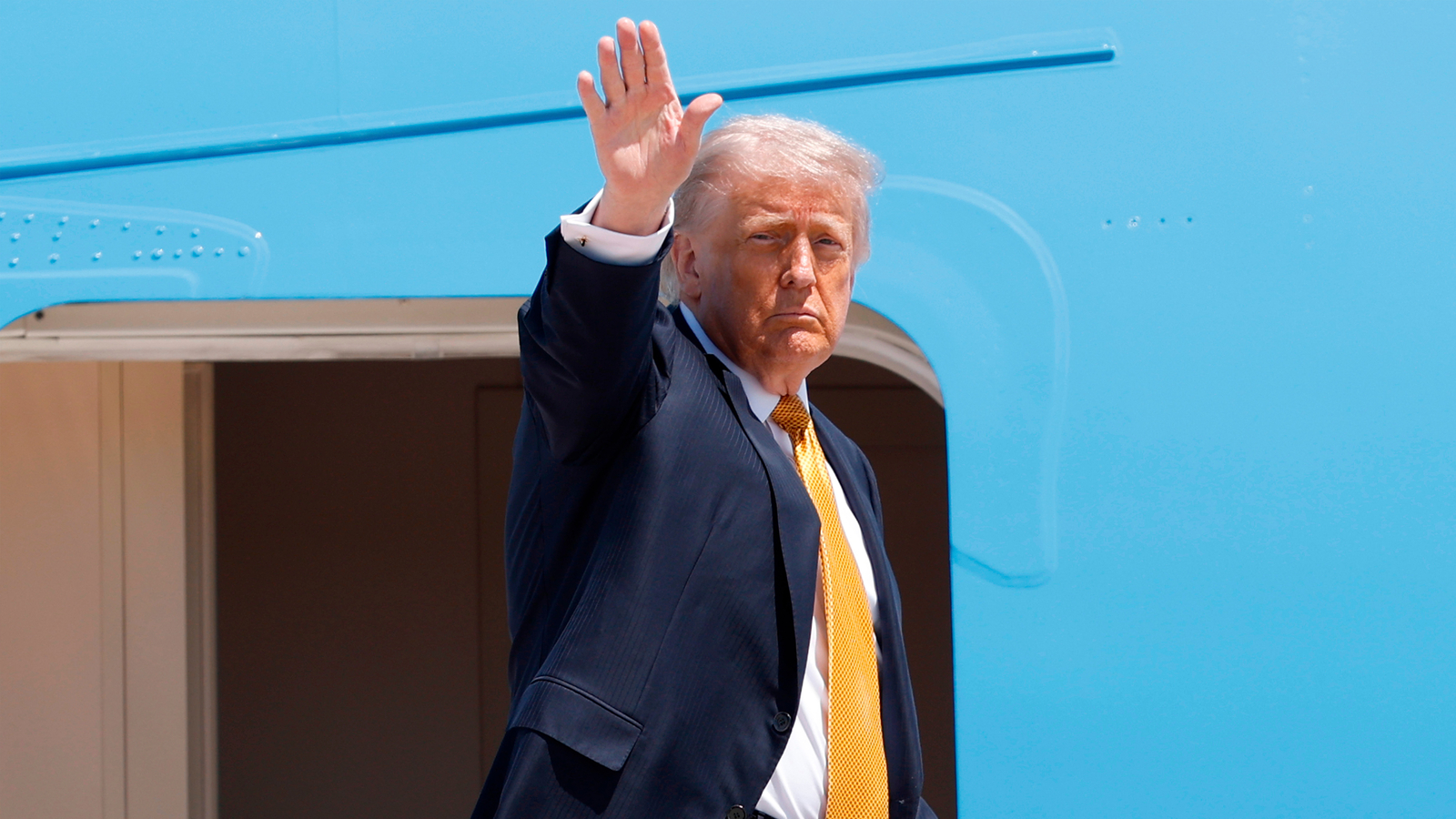
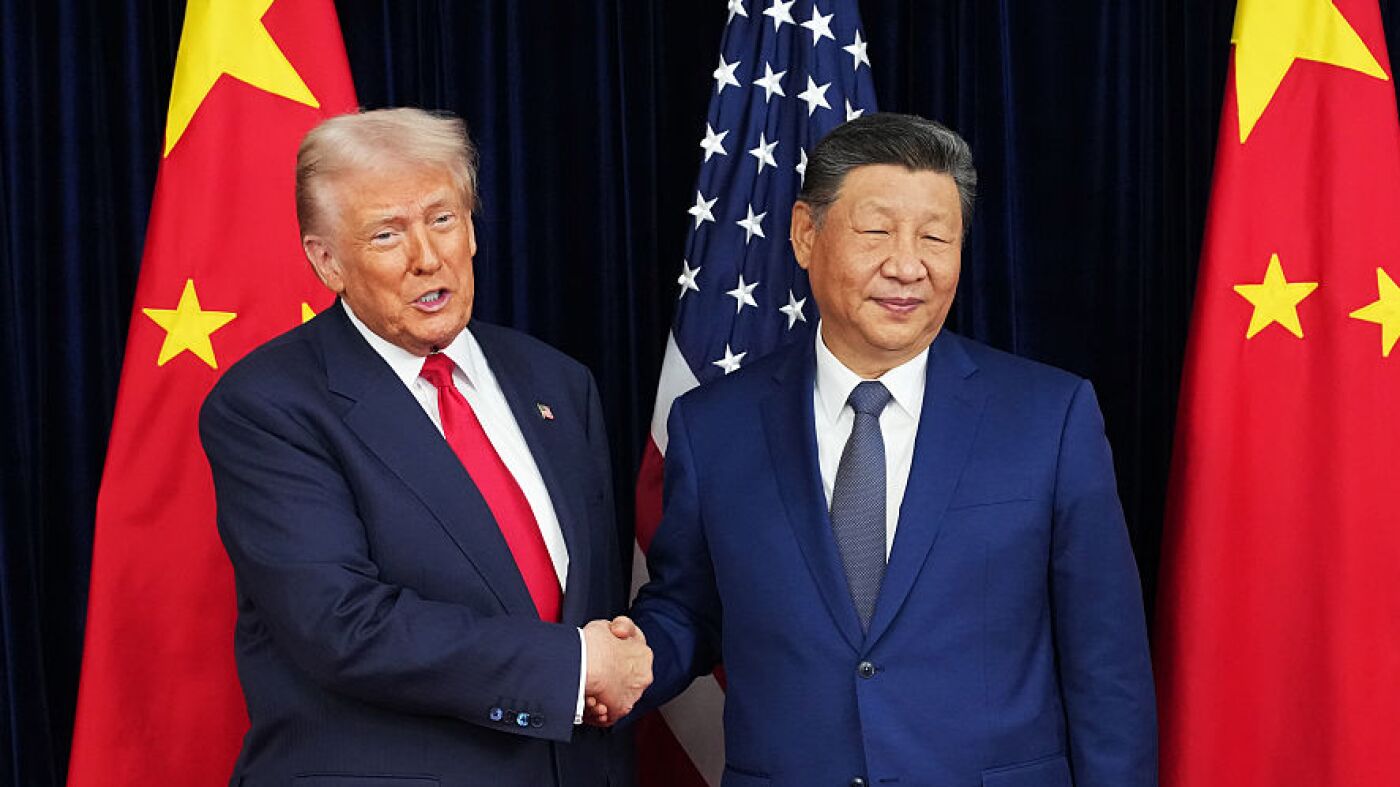
2 days agoTrump heads to China this week to meet Xi as Iran war and trade disputes loom over summit US politics live
Trump plans to meet Xi Jinping in China amid heightened trade and Iran-related tensions, with sanctions and rare-earth restrictions shaping expectations.
World politics
fromwww.theguardian.com
2 days agoTrump heads to China this week to meet Xi as Iran war and trade disputes loom over summit US politics live
Trump plans to meet Xi Jinping in China amid heightened trade and Iran-related tensions, with sanctions and rare-earth restrictions shaping expectations.


fromVulture
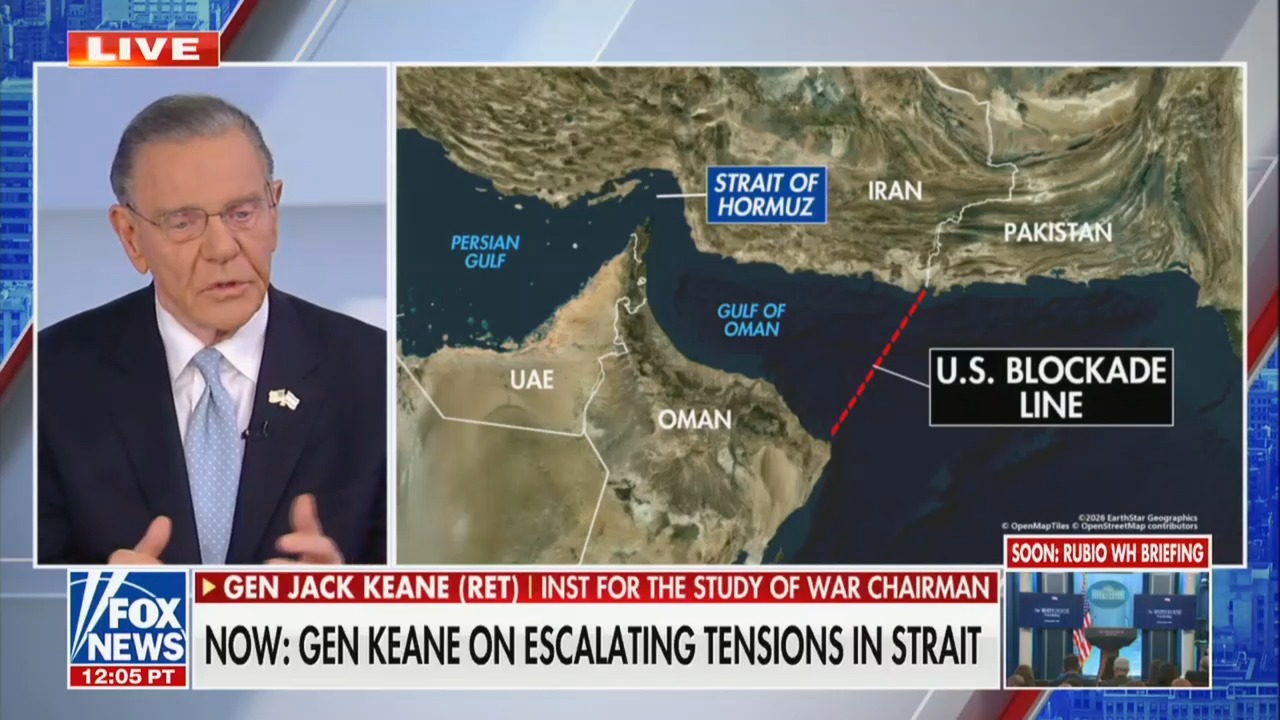
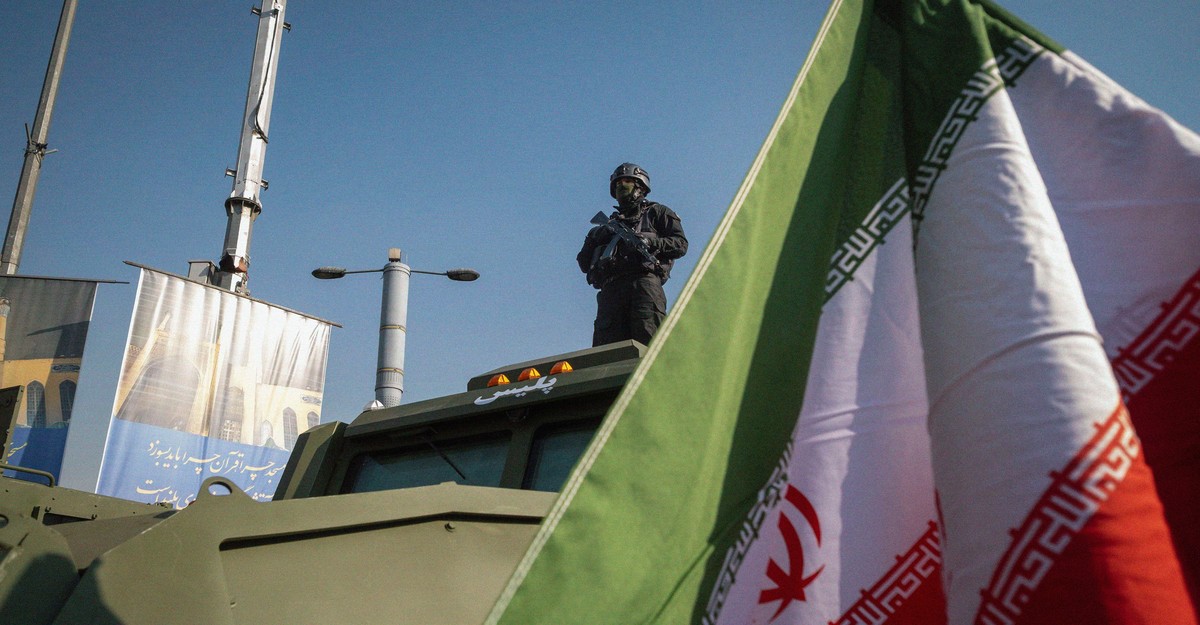
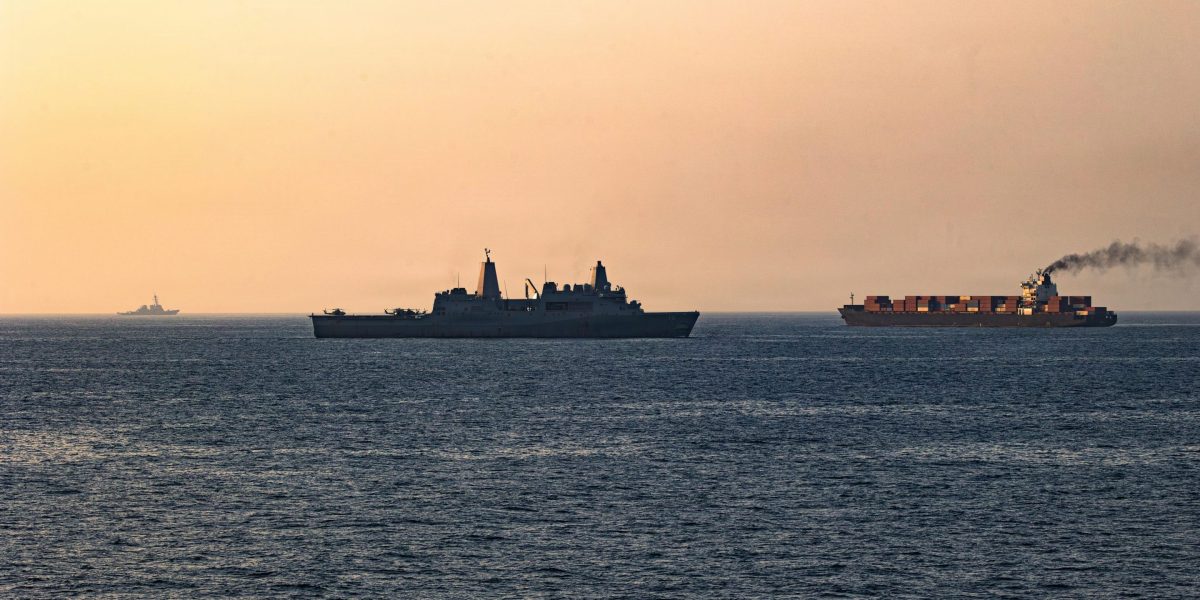
4 days agoSouthland Tales Predicted the War With Iran
I remember I was putting together, like, how can I succinctly illustrate the beginnings of a World War Three type situation? And in all the research I was doing, it was like, That's the one big thing, the Strait of Hormuz. If there was a blockade, it's this very sensitive area, this sort of Achilles heel, in the sense of global security and access to oil, and how everything could sort of explode.
Film
Business
fromFortune
5 days agoState Street's CEO warns of a global fertilizer crisis due to the Iran war: 'I personally worry about what happens if this goes on much longer' | Fortune
Geopolitical conflict and AI-driven change are reshaping capital flows and asset markets, with digitalization beyond crypto becoming increasingly important.
fromwww.dw.com
5 days agoVilseck, Germany: A town on edge over US troop withdrawal
People's initial reaction was fear. After all, we've been living in close friendship with our American neighbors here for 80 years. They feel at home here, far from their homeland. The Americans are integrated into our social life, in soccer and music clubs. Many even stay here after they retire.
Germany news

fromEntrepreneur
1 week agoApple In Talks With Intel and Samsung to Build Chips in the US -Here's Why
Apple has depended on Taiwan-based TSMC to build the chips that power iPhones and Macs for over 10 years. CEO Tim Cook stated that chip shortages are constraining growth for products like the Mac mini and iPhone 17 Pro, indicating a need for more flexibility in the supply chain.
Apple
fromwww.theguardian.com
1 week agoNorwegian government rebuked over decision to reopen North Sea gasfields
The Norwegian government plans to spend 19bn kroner on restarting the Albuskjell, Vest Ekofisk, and Tommeliten Gamma gas fields by the end of 2028, with production continuing until 2048.
World news
from24/7 Wall St.
1 week agoGold and Silver Catch Fire as Iran Deal Hopes Rewrite the Inflation Playbook
The session's biggest spark came from reports suggesting the U.S. is close to a one-page memorandum with Iran to end the war. Gold futures responded with an upward move and silver futures with a 6% jump.
Business

Toronto startup
fromFortune
1 week agoEnbridge aims to help North America win from the AI boom and the Iran war as the FedEx of energy delivery | Fortune
Enbridge is the largest oil and gas pipeline company, expanding its role in energy delivery and positioning for growth amid global supply challenges.

World politics
fromFortune
1 week agoThe Iran war has turned the world's shipping straits into a chessboard-and the U.S. aims to box out China from the Panama Canal to the Malacca Strait | Fortune
The U.S. and Iran's stalemate in the Strait of Hormuz is part of a broader geopolitical struggle against China.
#russia
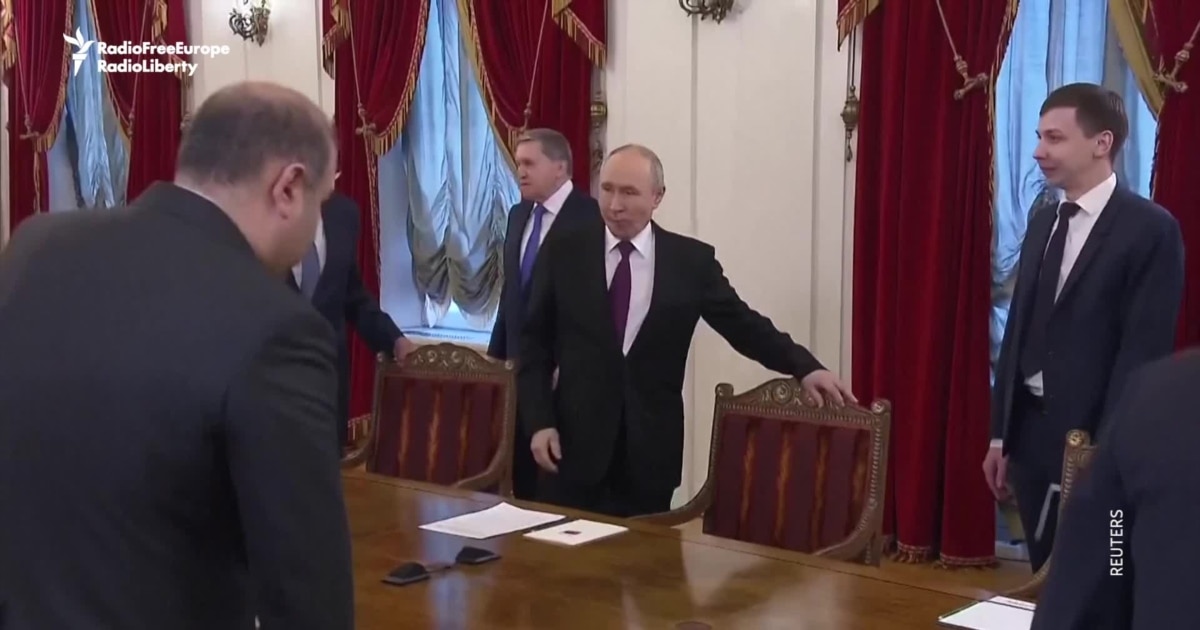
Russo-Ukrainian War
fromLondon Business News | Londonlovesbusiness.com
2 weeks agoSilent shifts inside Russia hint at growing unease over Ukraine war
Russia's intensified strikes in Ukraine reveal a shift in internal dynamics, with signs of desperation and cracks in the Kremlin's control becoming apparent.
fromLondon Business News | Londonlovesbusiness.com
2 weeks agoRusso-Ukrainian War
Alarm bells sound in Europe as spies warn Russia could escalate after Ukraine - London Business News | Londonlovesbusiness.com
Russia may engage in limited confrontations with NATO within a year after the Ukraine war, focusing on smaller territorial incursions.
Russo-Ukrainian War
fromLondon Business News | Londonlovesbusiness.com
2 weeks agoSilent shifts inside Russia hint at growing unease over Ukraine war
Russia's intensified strikes in Ukraine reveal a shift in internal dynamics, with signs of desperation and cracks in the Kremlin's control becoming apparent.
Russo-Ukrainian War
fromLondon Business News | Londonlovesbusiness.com
2 weeks agoAlarm bells sound in Europe as spies warn Russia could escalate after Ukraine - London Business News | Londonlovesbusiness.com
Russia may engage in limited confrontations with NATO within a year after the Ukraine war, focusing on smaller territorial incursions.
fromwww.aljazeera.com
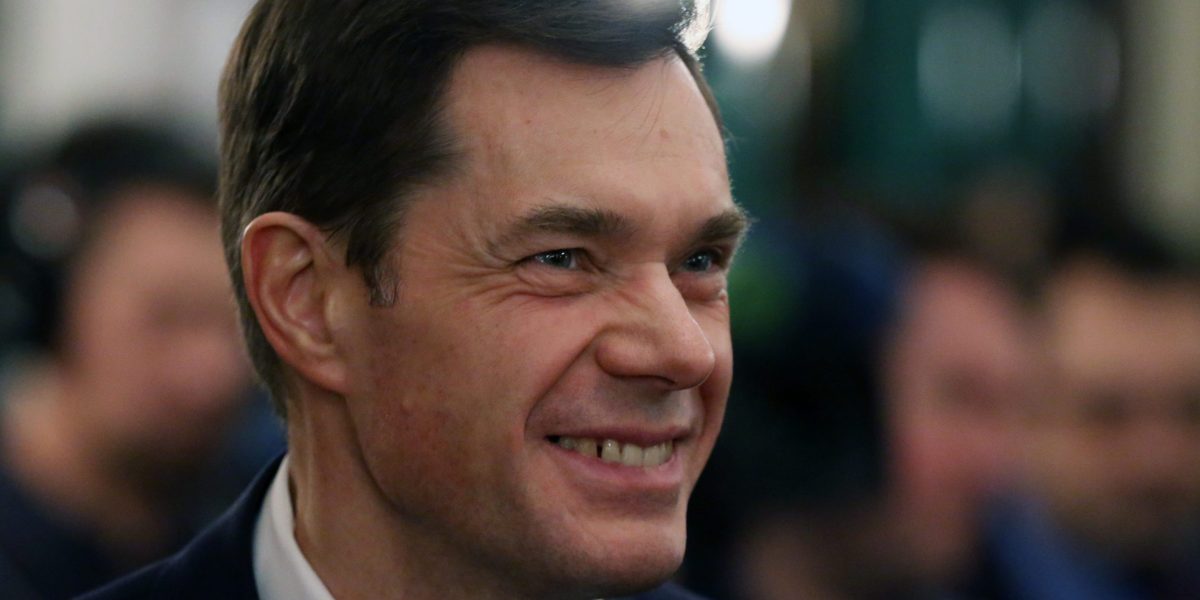
2 weeks agoWhat's driving attacks against gov't and Russian forces in Mali?
The recent alliance of former enemies in Mali, particularly with the involvement of an al-Qaeda-linked group, signifies a troubling shift in the security landscape, as they now target military sites.
World news
fromFortune
2 weeks agoFortune
Chris Ong, Seatrium's CEO, sees the Iran conflict sharpening what specialists call the energy trilemma, or the trade-off between energy security, affordable supply, and environmental sustainability. "The situation is now even worse because of the destruction of supply, which is still not fully priced in," Ong says. "People don't understand; they have been swung between different stories every day."
Toronto startup
#world-cup
World politics
fromFortune
3 weeks agoThe most politically charged World Cup ever puts the U.S. and Iran on a collision course while America co-hosts with neighbors it has tariffed | Fortune
This year's World Cup is marked by unprecedented geopolitical tensions among the co-hosts: the U.S., Mexico, and Canada.
World politics
fromFortune
2 weeks agoThe Strait of Hormuz chaos is just a 'dry run' for if war breaks out between the U.S. and China, Singapore foreign minister says | Fortune
Singapore navigates complex relations with the U.S. and China amid rising tensions, viewing current conflicts as potential precursors to future global conflicts.
fromwww.mediaite.com
3 weeks agoCNN's Jake Tapper Presses Trump Energy Secretary: You Told Me Worst Case' Was Gas Prices Would Only Be High for a Few Weeks
Gas prices have surged more than a dollar a gallon for regular unleaded just since the war began. Wright stated that while the U.S. loses nothing when the Strait is closed, the conflict has caused short-term disruptions in energy flow.
World news
[ Load more ]