#glp-1-drugs
#glp-1-drugs
[ follow ]
#weight-loss #obesity-treatment #drug-pricing #clinical-trials #eli-lilly #body-image #semaglutide #obesity #ozempic

fromCbsnews
1 week ago"Ozempic breath" is boosting Hershey's sales of mints and gum
Hershey has seen strong demand for gum and mint products as the category benefits from functional snacking tailwinds, including GLP-1 adoption. Sales for the company's Ice Breakers mint and gum brand increased 8% over the quarter.
Medicine
#obesity
Medicine
fromIndependent
3 weeks ago'If you are eating six smaller meals, you've doubled your sugar attacks. So you've got increased risk of tooth decay' - Measuring the effects of GLP-1s on Irish society
GLP-1 drugs improve obesity treatment but may contribute to body acceptance issues and societal stigma.

from24/7 Wall St.
1 month agoWho Benefits From Amazon Pharmacy Stocking Eli Lilly's New Weight Loss Pill
Amazon Pharmacy's decision to stock Foundayo at One Medical kiosks represents a significant shift in how Americans can access weight-loss medications, with plans for same-day home delivery.
Medicine

#fda-regulation
Medicine
fromwww.scientificamerican.com
1 month agoThe GLP-1 saga is only getting juicier and messier
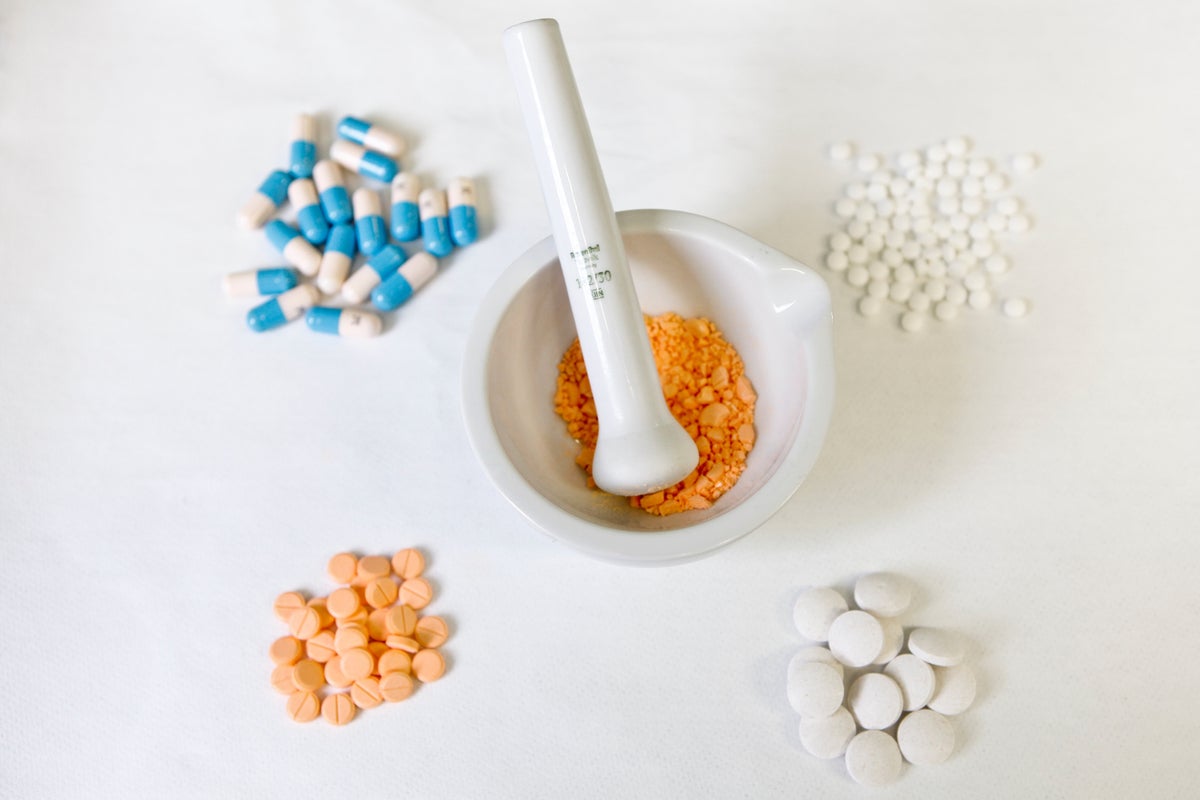
The FDA warned Novo Nordisk about failing to disclose risks and report deaths linked to semaglutide, while GLP-1 drugs surge in popularity for diabetes and weight loss despite unapproved market alternatives.
Healthcare
from24/7 Wall St.
2 months agoBarclays Raises Hims & Hers (HIMS) Target to $29 After Novo Deal Clears Legal Overhang - Canaccord Cuts Progyny (PGNY) on Cautious 2026 Outlook
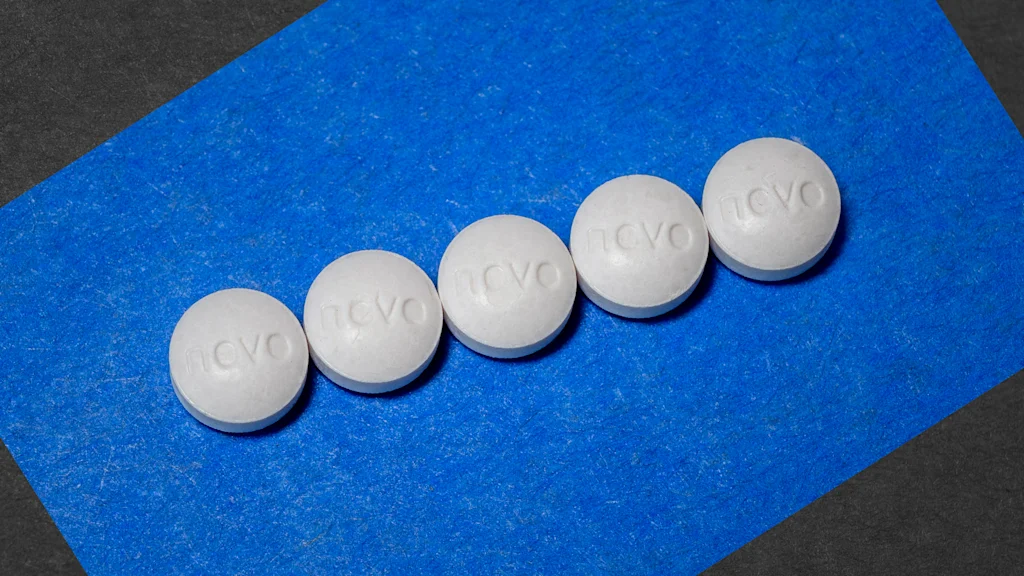
Barclays raised Hims price target to $29 after Novo Nordisk deal removed legal risk, while Canaccord cut Progyny target to $19 citing uncertain 2026 outlook.
UK politics
fromwww.independent.co.uk
2 months agoWeight-loss jabs alone are the wrong answer' to obesity crisis, Chris Whitty says
Weight-loss drugs alone cannot solve the UK's obesity crisis; addressing food marketing and nutrition requires comprehensive policy approaches beyond pharmaceutical interventions.
fromFortune
2 months agoGLP-1s cure hunger for a lot more than food, my study of 600,000 people suggests | Fortune
People struggling with many addictions, ranging from opioids to gambling, are reporting similar experiences in clinics, on social media and around dinner tables. None of them started these drugs to quit. This pattern of people losing their cravings across a broad range of addictive substances has no precedent in medicine.
Medicine
fromTasting Table
2 months agoHow GLP-1 Is Reshaping Restaurant Menus In 2026 - Tasting Table
GLP-1s work by mimicking a natural hormone of the same name, and in addition to its other effects on blood sugar, GLP-1 aids weight loss by sending signals to your brain that make you feel full sooner, which has been shown to help users drop up to 20% of their body weight.
Food & drink

Food & drink
fromIndependent
2 months agoRestaurant critic Katy McGuinness on her Mounjaro journey: 'I'm more focused on quality than ever - there is literally no room for food that does not deliver'
Mounjaro changed appetite and food engagement, prompting job-related worry, and GLP-1 drugs are set to alter consumer behavior and the food industry.
fromwww.nytimes.com
2 months agoVideo: Opinion | Confessions of a Former Body Positivity Influencer
What does loving yourself at any size mean now that weight loss is back in fashion and becoming more accessible than ever? Can you still be body positive while wanting to lose weight? The former body positivity influencer Gabriella Lascano argues that the movement has lost its way and taken an extreme turn in recent years. But she says there's a middle ground that still champions self-love and bodily autonomy while redefining them, too.
Public health




from24/7 Wall St.
3 months agoEli Lilly Is Dominating the GLP-1 Wars as Novo Nordisk Sales Tank
Novo Nordisk initially dominated the space with its semaglutide-based drugs, Ozempic for diabetes and Wegovy for obesity, securing a strong foothold in both markets. However, Eli Lilly has since pulled ahead with tirzepatide - marketed as Mounjaro for diabetes and Zepbound for weight loss. The drug's dual GLP-1/GIP receptor mechanism delivers superior weight loss - around 20% in trials compared to semaglutide's 14% - propelling Lilly into the market leadership position.
Medicine

fromBusiness Insider
3 months agoHow Oprah Winfrey has turned her weight-loss journey into a business
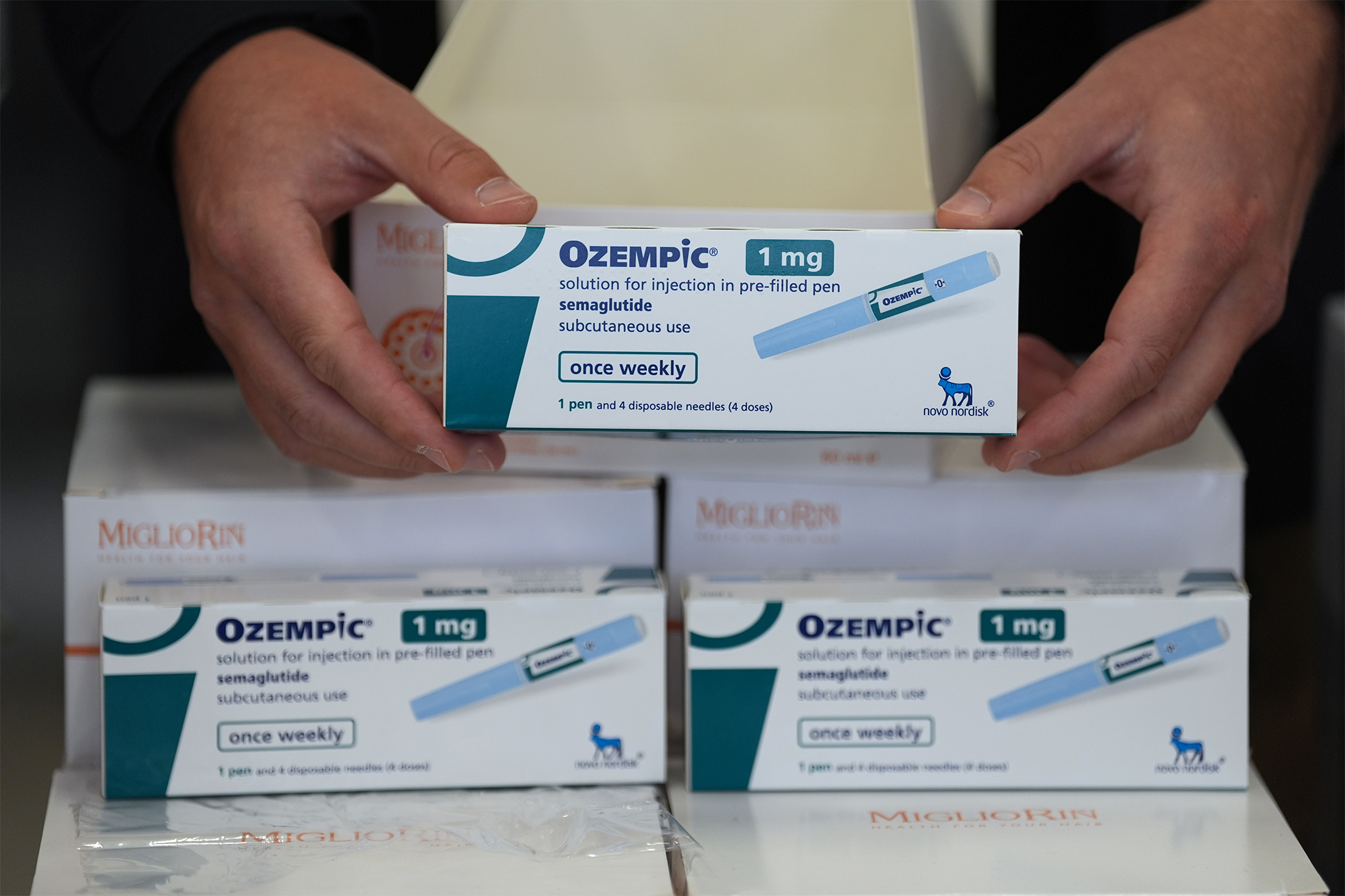
Oprah Winfrey has spent years turning her private health journey into a public conversation - and, at times, a lucrative business. The billionaire, real-estate mogul, talk-show host, journalist, actor, and producer has just released her 12th book: "Enough: Your Health, Your Weight, and What It's Like To Be Free." The book, which she co-authored with Dr. Ania M. Jastreboff, a doctor and professor at Yale's School of Medicine, dives into the role of GLP-1 drugs to facilitate weight loss.
Health
Mental health
fromwww.theguardian.com
3 months agoWeight-loss drugs do nothing to address the troubled relationships we have with our bodies | Susie Orbach
GLP-1 weight-loss drugs are creating a new, pharmaceutical-driven form of troubled eating by suppressing appetite, commodifying thinness, and bypassing underlying causes.
fromwww.theguardian.com
3 months agoUK supermarkets go all out for Jab-uary' with food for those on weight-loss drugs
Marks & Spencer, Morrisons, Asda, Ocado and the Co-op are among the big names targeting shoppers who use weight-loss injections, known as GLP-1 agonists, but better known by brand names such as Wegovy and Mounjaro. Ocado's new virtual weight management aisle includes a curated range of GLP-1-friendly products that runs the gamut from tiny (100g) portions of steak costing 3.50 to a trendy powdered greens supplement, AG1, at 107 a pack.
UK news
Healthcare
from24/7 Wall St.
4 months agoThe GLP-1 Blockbuster Maker Widens Its Lead as the Diversified Healthcare Giant Posts Steady Growth
Lilly's GLP-1 franchise drove explosive 53.9% revenue growth and high margins, while Johnson & Johnson's diversified portfolio produced modest 6.8% growth and lower margins.
fromBusiness Matters
4 months agoWeight loss jabs are changing how Britain eats - and Greggs is feeling the impact
Britain's love affair with sausage rolls and steak bakes is being quietly reshaped by the rise of weight loss injections, according to the boss of Greggs. Roisin Currie, chief executive of the FTSE-listed bakery chain, said there was "no doubt" that appetite-suppressing drugs such as GLP-1 treatments were influencing how much, and what, customers want to eat, contributing to softer sales and a more cautious outlook for the year ahead.
Food & drink
Food & drink
fromFortune
4 months agoPizza plummeted on the list of Americans' favorite take-out options as they opt for more nutrient-dense slop bowls from Uber Eats | Fortune
Pizzerias are losing market share and sales as Americans reduce pizza consumption amid inflation and GLP-1-driven diet changes, falling behind broader fast-food growth.

fromInDepthNH.org
4 months agoAG Formella Pushes Meta to Take Action on Misleading AI Weight Loss Ads
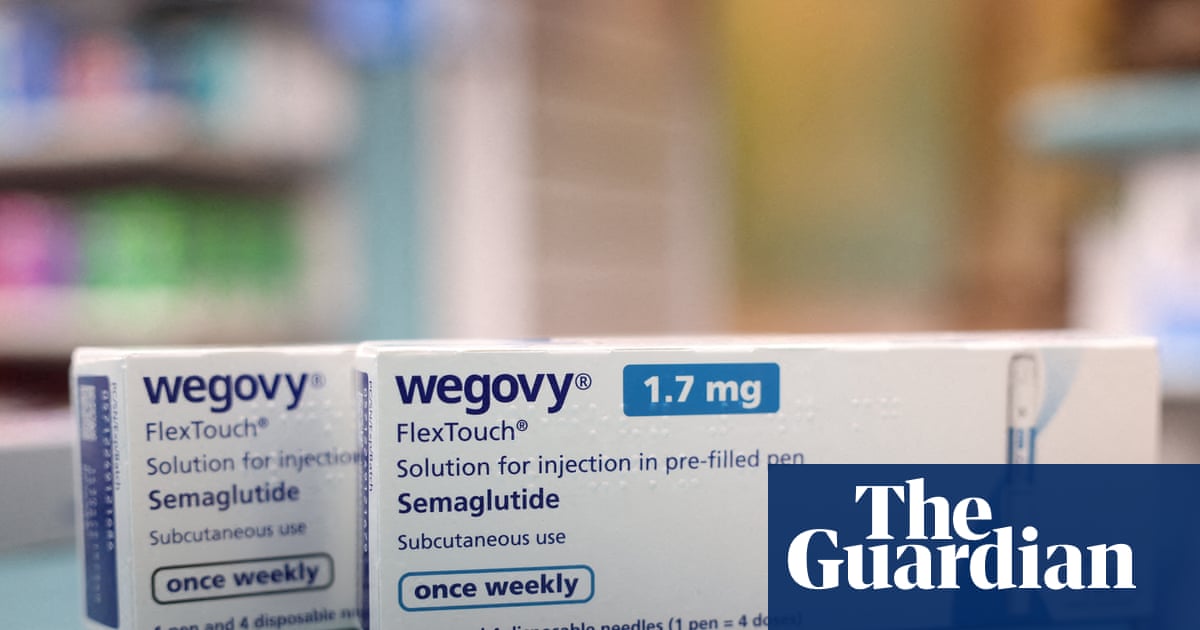
Concord, NH - Attorney General John M. Formella and a bipartisan coalition of attorneys general are calling on Meta to better enforce its own policies about pharmaceutical and wellness ads on Instagram and Facebook and take additional measures to prevent AI-generated weight loss content in ads. These ads are likely to see an uptick during the holiday season and the new year, when conversations around weight loss and appearance tend to increase.
Public health
from24/7 Wall St.
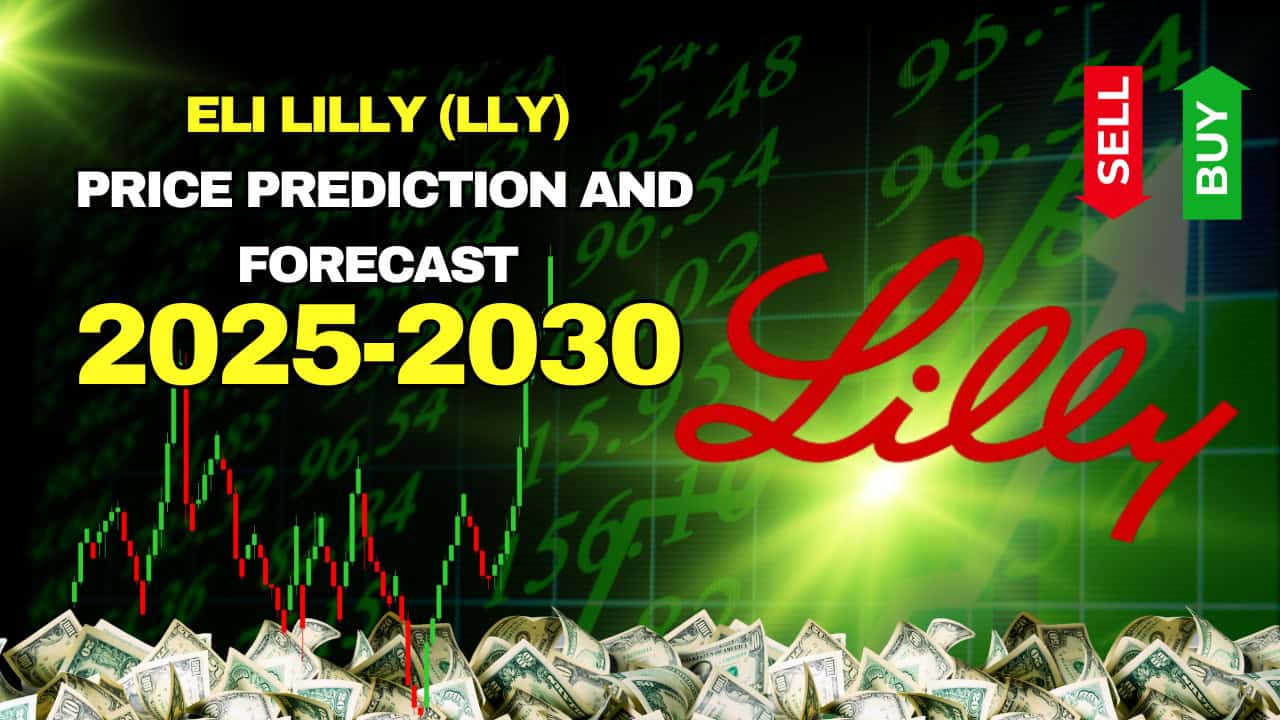
5 months agoEli Lilly (NYSE: LLY) Stock Price Prediction and Forecast 2025-2030 (Dec 2025)
From late 2020 to the summer of 2024, Eli Lilly & Co. ( NYSE: LLY) stock was on a tear, up more than 635%, before taking a breather and then heading higher. The past couple of years have been a transformative time for the Indianapolis-based pharmaceutical giant, with substantial financial growth driven by its innovative medicines and GLP-1 drugs, significant regulatory successes, and continued investment in its pipeline and manufacturing capabilities.
Business
fromMedCity News
5 months agoDebunked Episode 22: With ACA Subsidies Set to Expire and the Open Enrollment Window Closing, Members of Congress Brainstorm Alternatives - MedCity News
The deadline for extending the Affordable Care Act subsidies is approaching this month. This is happening even as consumers who depend on the ACA Marketplace are faced with the tough decision. Should they forego health plans that will no longer be affordable for them once the subsidies expire or hope that Congress will reach a bipartisan agreement to extend the subsidies until workable alternatives can be hashed out and approved?
US politics
fromAxios
5 months agoWeight loss drugs go from niche to mainstream
There may be more deals on the way. Eli Lilly and Novo Nordisk have already reduced prices for the leading GLP-1s in their recent agreement with President Trump in exchange for expanded access to millions of people on Medicare. Medical researchers also continue to find promising new medical uses for GLP-1s, including treatment of addiction, COPD and dementia - though not every application has proven successful.
Medicine
fromwww.npr.org
5 months agoMedicare negotiated lower prices for 15 drugs, including 71% off Ozempic and Wegovy
"President Trump directed us to stop at nothing to lower health care costs for the American people," said Health and Human Services Secretary Robert F. Kennedy, Jr., in a press release. "As we work to Make America Healthy Again, we will use every tool at our disposal to deliver affordable health care to seniors."
US news

fromFast Company
5 months agoNovo Nordisk stock slides as its Alzheimer's drug trials fail
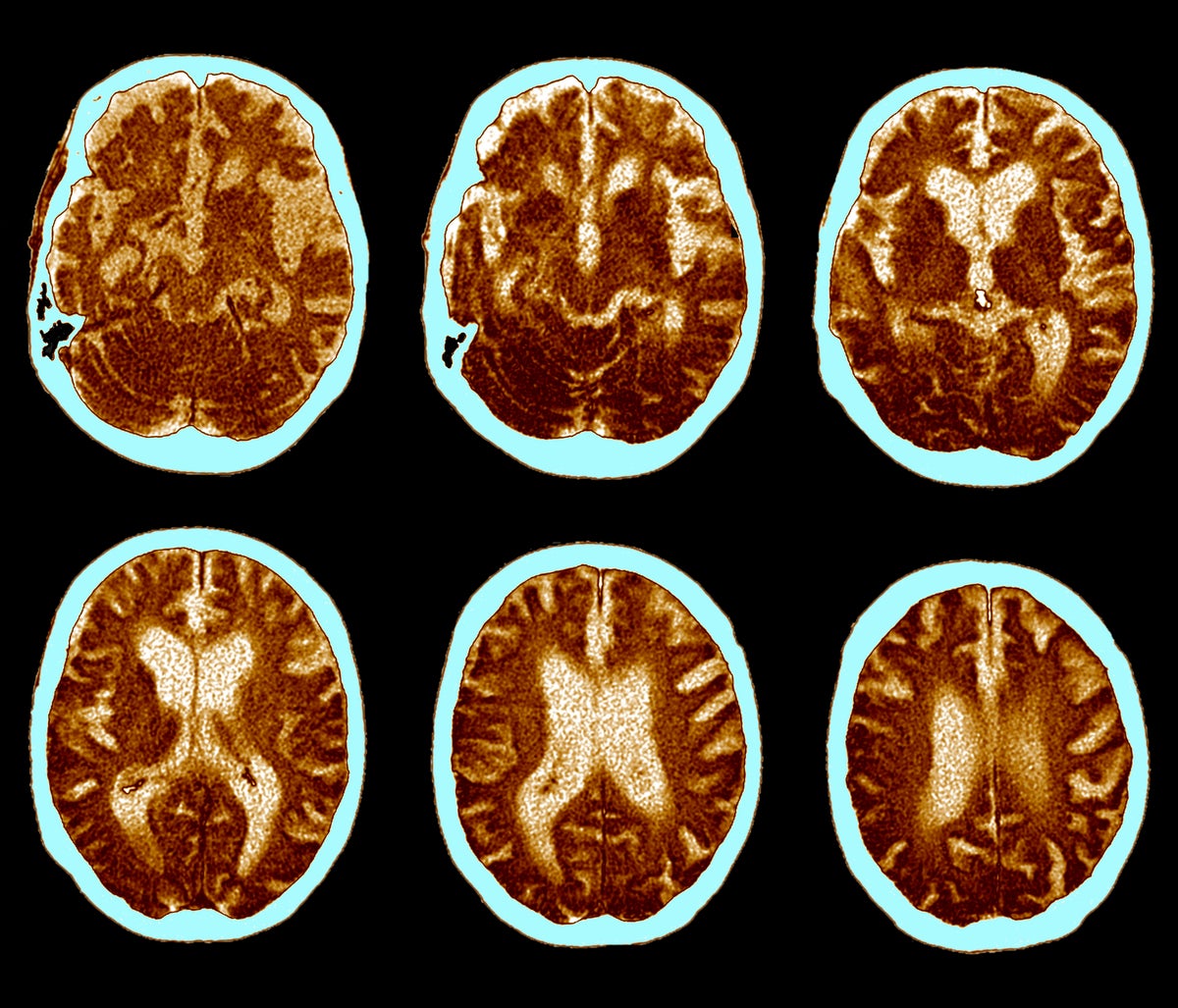
Novo Nordisk's closely-watched Alzheimer's trials of an older oral version of its semaglutide drug failed to help slow the progression of the brain-wasting disease, the firm said on Monday, a blow to the obesity drug giant that sent its shares sliding. The trials, which Novo had previously called a "lottery ticket" to underline its highly uncertain outcome, were testing whether the medicine could slow cognitive decline in patients.
Health
fromInsideHook
5 months agoCan Scientists Develop GLP-1 Drugs Without the Nausea?
There's plenty of encouraging news for people taking GLP-1 drugs like Ozempic to lose weight and reduce the risk of diabetes: countless people who have lost weight while using it and seen other health benefits as a result. But along with the good news come some bleaker aspects, with some people taking these drugs and reporting feelings of nausea as a result.
Medicine
fromPsychology Today
6 months agoThin Is Back With a Vengeance
The idea that "Thin is in" arose with the Twiggy era in the 1960s. It was about this time that the saying, "You can never be too rich or too thin," became popular and was repeated by celebrities such as the Duchess of Windsor, Joan Rivers, and Truman Capote. Author Stephen King added on a few words, "You can never be too thin or too rich. And if you don't believe it, you were never really fat or really poor."
Mental health
US politics
fromBusiness Insider
6 months agoMark Cuban applauds longtime foe Donald Trump for slashing Ozempic cost to $150: 'I think it's great'
Trump announced deals lowering GLP-1 drug prices to about $150–$250 monthly, with Medicare and Medicaid options; Mark Cuban supports and uses similar cost-cutting methods.


fromwww.mediaite.com
6 months agoTrump and RFK Double Down on Controversial Tylenol Claims at Fat Drug' Presser: The Science Hasn't Changed!
I'm not going to change until the science changes, and the science does not look like it's changing. It's getting stronger and stronger every day. What we recommend is that mothers, pregnant mothers, talk to their physicians. The mothers of small kids talk to their physicians, and we've advised the physicians to reduce the thresholds and to reduce the amount of Tylenol that they give to children as much as possible, and only use it when it's absolutely critical.
US politics
from24/7 Wall St.
6 months agoViking Therapeutics Could Be Pharma's Next Big Buyout Target
The GLP-1 drug market has surged dramatically in the past four years, driven by soaring demand for weight-loss treatments that also tackle related conditions like diabetes and heart disease. Valued at over $100 billion today, the sector is projected to exceed $150 billion by 2030 as more patients seek effective therapies. Viking Therapeutics ( NASDAQ:VKTX ) is carving out a strong position with its dual GLP-1/GIP agonist VK2735, which showed up to 15% weight loss in Phase 2 trials.
Medicine
Medicine
fromFortune
6 months agoAdult obesity rate fell from record high-and big pharma is reaping the benefits from mainstream sales of weight-loss drugs like Zepound and Mounjaro | Fortune
Rapid GLP-1 adoption has helped US adult obesity fall to 37%, driving substantial pharmaceutical revenue growth and fierce competition for weight-loss drugs.
fromIPWatchdog.com | Patents & Intellectual Property Law
6 months agoCounting Patents, Not Progress: Another Misdiagnosis by I-MAK
This accusation is predicated on I-MAK's assertion that these companies own large numbers of patents covering their respective products. But, as the United States Patent and Trademark Office (USPTO) noted in its recent Drug Patent and Exclusivity Study, 'simply quantifying raw numbers of patents and exclusivities is an imprecise way to measure the intellectual property landscape of a drug product because not every patent or exclusivity has the same scope.'
Intellectual property law
[ Load more ]