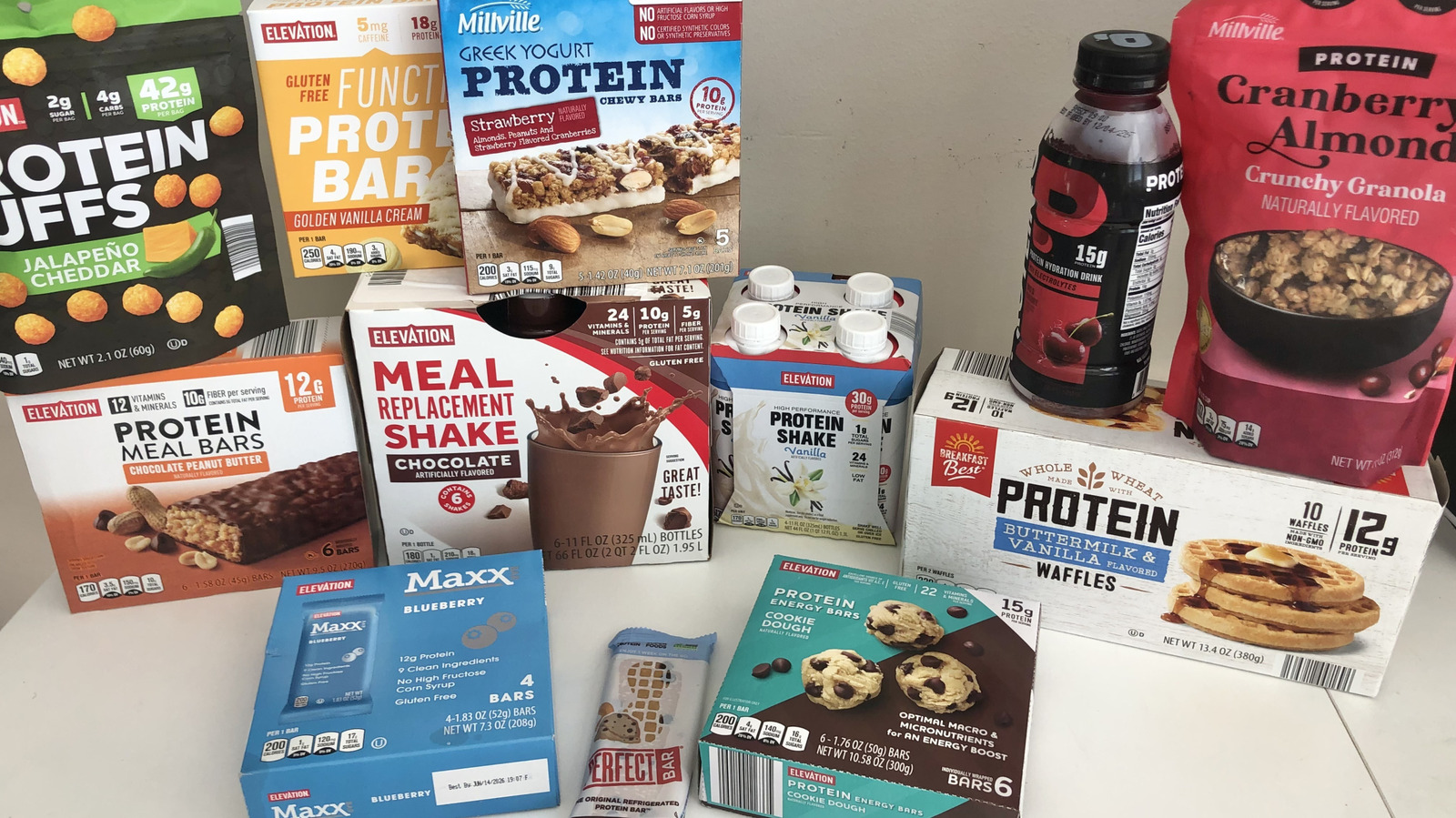
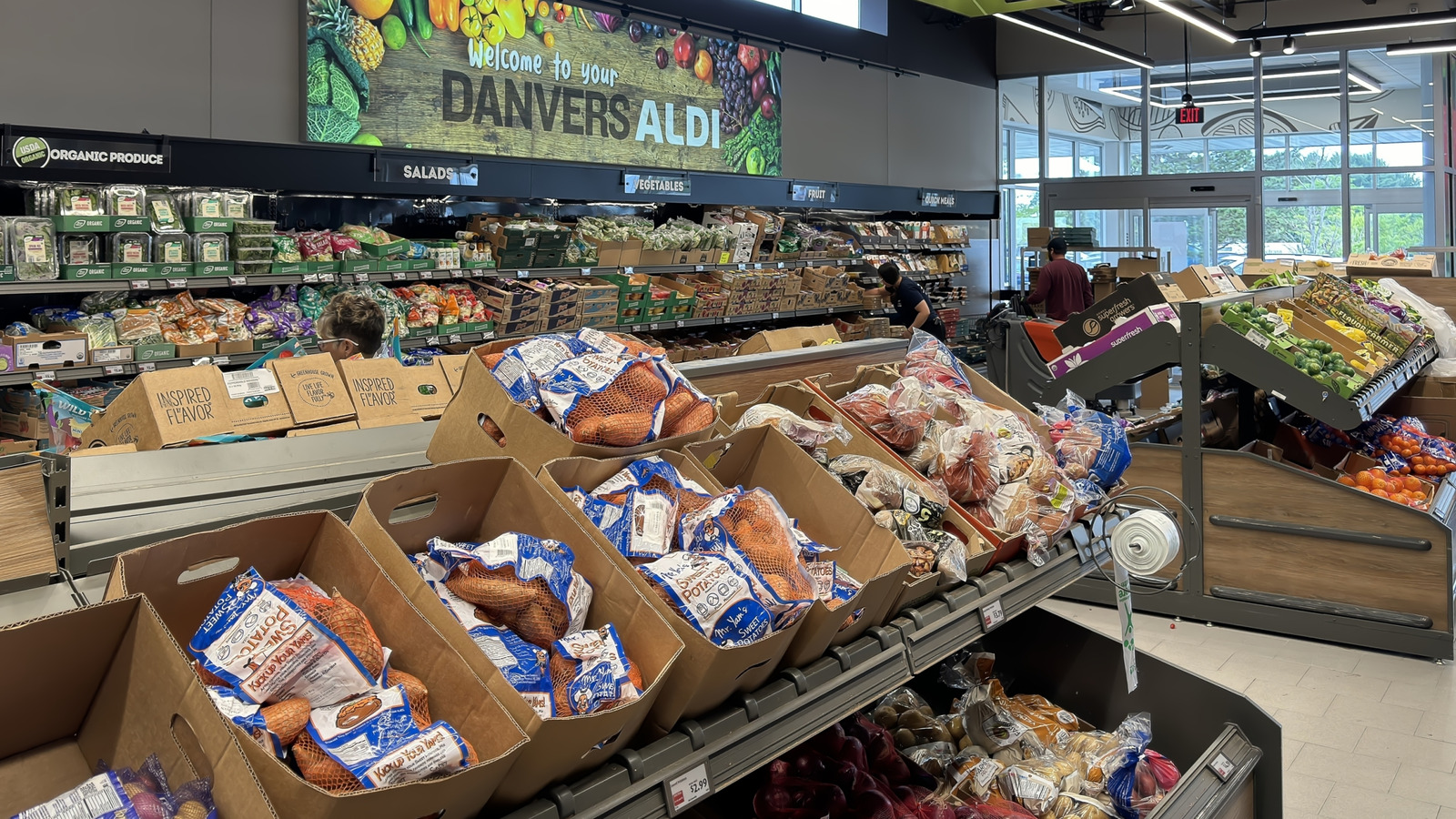
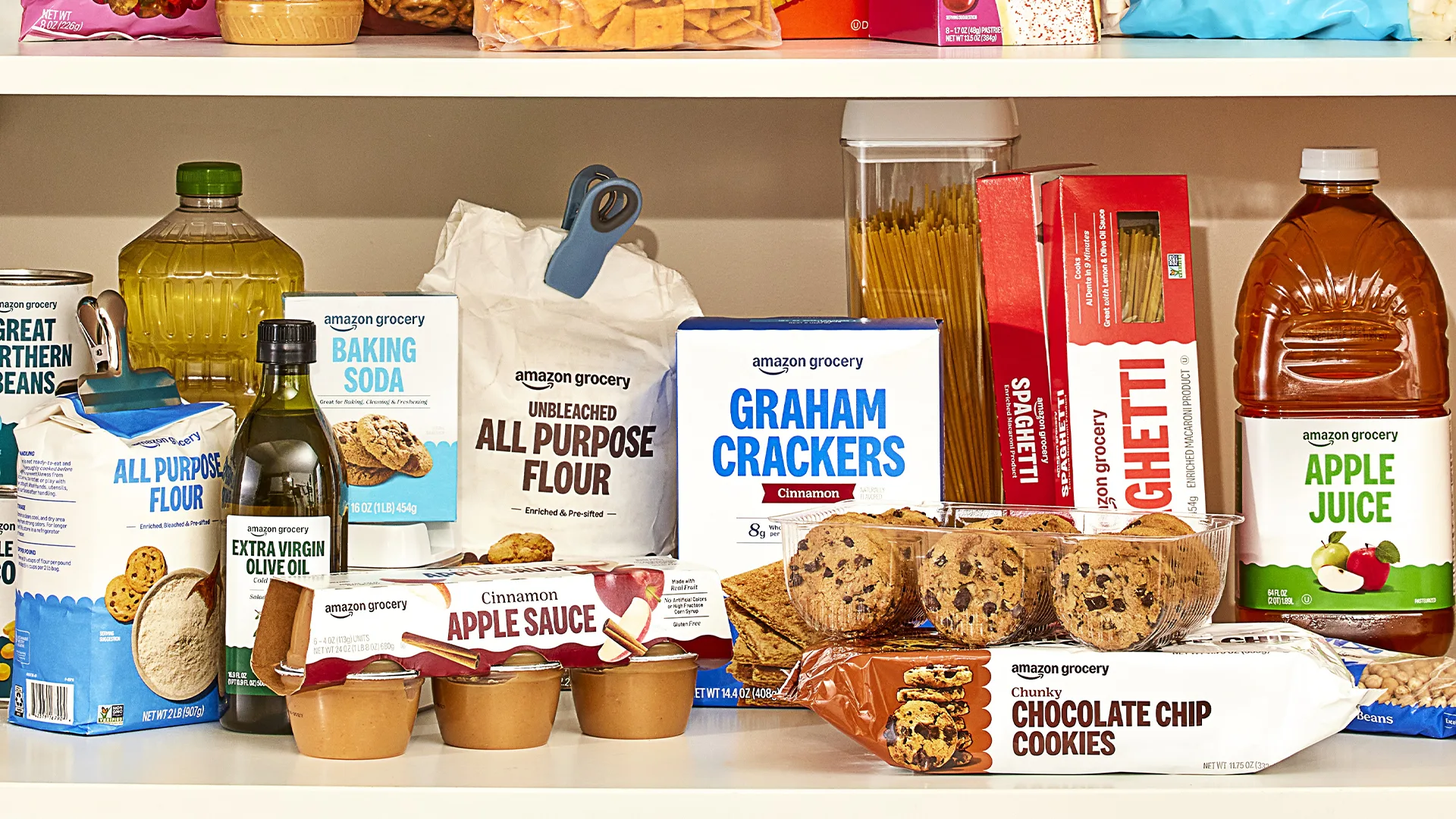
Grocers have rebranded and grown their portfolio of private label brands over the past several years to cater to consumers pressed by inflation, and it's paid off as the highest-earning shoppers make up an increasingly large share of the economy. Nowhere is this more true than Walmart, the leading grocer since 2019, which launched a new private label called Bettergoods in 2024 that includes products that are plant-based, organic, or gluten-free.
The Decatur staple, which opened in 1996, has been sold for nearly $1 million by the Shumacher Group. The restaurant's patron, Ben Kori, has purchased the 4,800 square foot place, according to Tomorrow's News Today. Raging Burrito's original owner, Scott Herman, says he is retiring and took care in choosing the next owner. There is no word on Kori's plans for the future of the restaurant.
For decades, the alcohol category has been a reliable driver of trips and revenue for grocery retailers. But today, that consistency can no longer be taken for granted. According to NielsenIQ, alcohol sales in U.S. retail fell by nearly 3% in 2024 - one of the sharpest year-over-year declines in recent memory. Tariffs on imports and the popularity of non-alcohol alternatives and CBD products are creating headwinds.
An entrepreneurial effort that started in Massachusetts in 1908 has solidified into a lasting legacy for quality, affordable groceries. When Greek immigrants Athanasios and Efrosini Demoulas came to the United States, they farmed, kept livestock, and opened a small store to sell their wares. Throughout the Great Depression, the enterprise continued and allowed customers to take food home on credit.
Retail media promises billions in new revenue, but for grocers, the real test is whether their data can deliver. By 2025, RMN revenue is projected to hit $176.9 billion globally, overtaking combined TV and streaming revenues and accounting for 15.9% of total ad spend ( GroupM, This Year Next Year 2024 ). For grocery retailers running on razor-thin margins, this feels like salvation.
Tasting Table couldn't resist launching an investigation into the best grocery stores of the Pacific Northwest. Weighing up factors including affordability, chain values, and stock versatility, there was one company that edged its way to first place: Albertsons. Tasting Table's reviewer noted its fascinating history and cited its respectable spread of 2,000 locations across North America. Most important was its philanthropic culture and dedication to sustainability.