#labor-force-participation
#labor-force-participation
[ follow ]
#working-mothers #return-to-office #economic-impact #unemployment #unemployment-rate #disability-employment
fromFast Company
1 day agoIt's not just women falling behind at work. This group is, too.
The jobs report last week offered a more sunny outlook than expected, with an uptick of 115,000 jobs in April; the unemployment rate also held steady at 4.3%. The data also, however, points to a more nuanced story about a broader shift in the labor force. Last month, the number of men who were working or actively looking for a job fell to the lowest figure seen in decades, with the exception of an anomalous dip during the early months of the pandemic. That means a third of men have dropped out of the workforce as of April.
Women
fromFortune
3 weeks ago'We should absolutely be concerned about non-college-educated men today': higher rents, living at home, falling out of the labor market | Fortune
"There are very real economic forces that are limiting the options for non-college-educated men in the United States. Some of what we're seeing is simply rational responses to a system that's pricing them out."
Boston real estate
US Elections
fromFortune
1 month agoThe jobs report looks good 'for the wrong reasons,' top economist warns: It's hiding how many Americans are giving up | Fortune
The U.S. economy added 178,000 jobs in March, with the unemployment rate decreasing to 4.3%, but concerns about labor force participation persist.
#immigration-enforcement


US politics
fromFortune
2 months agoTrump's immigration crackdown is backfiring by hurting the U.S.-born workers it was meant to help, data shows | Fortune
Despite aggressive immigration enforcement reducing foreign-born workers by over one million since March 2025, U.S.-born labor force participation declined from 61.4% to 61%, contradicting the administration's goal of boosting native-born employment.







fromUSA TODAY
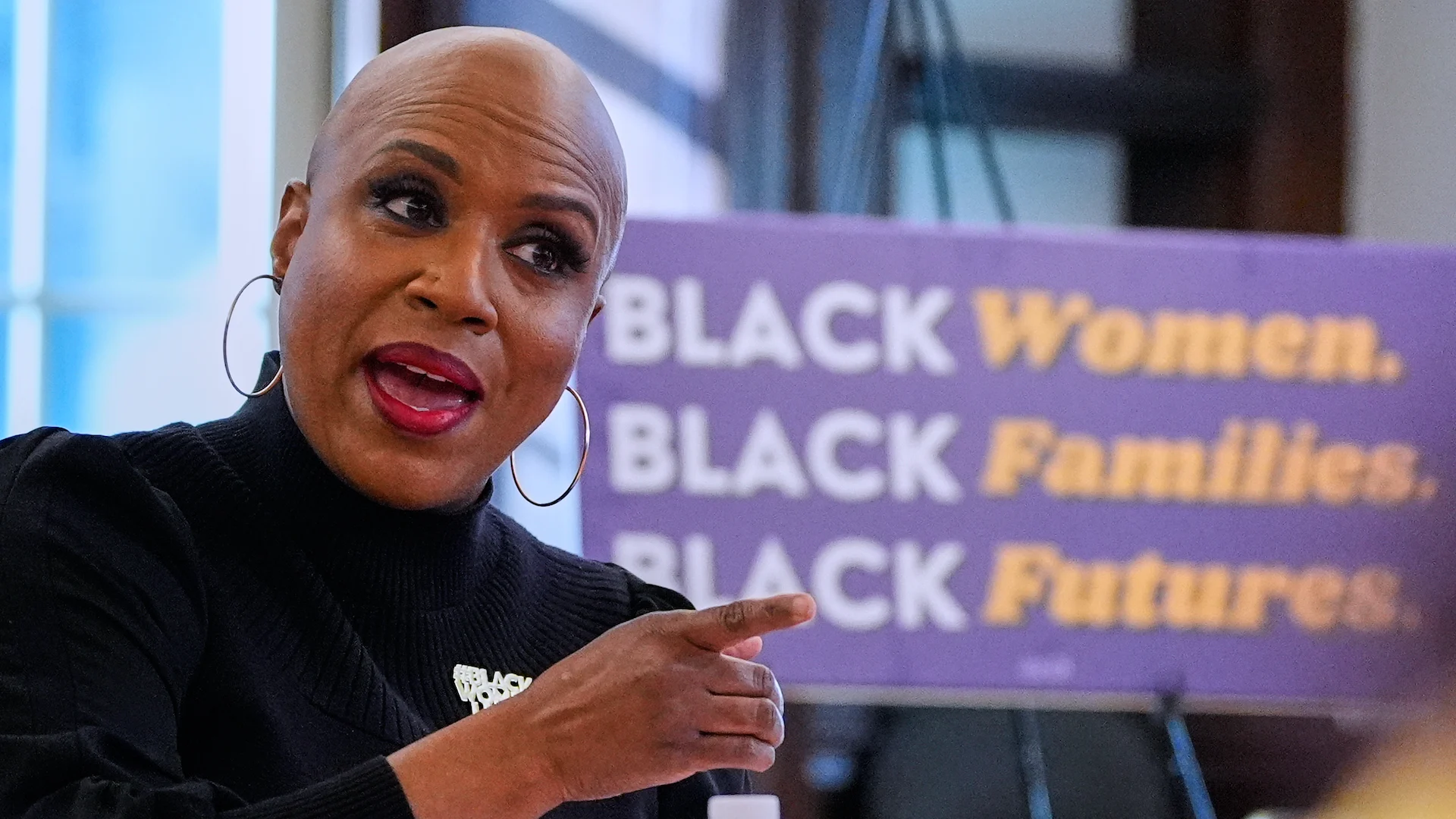
8 months agoThey were told they could have it all. So why are so many moms leaving their jobs?
Miya Walker, 25, wasn't worried about child care costs when she was pregnant with her son in 2021. Her data analyst role was remote, and her mom was around when she needed help. But after her son was born in April 2022, her employer pushed going back to the office, an hourlong drive from her home in Snellville, Georgia. Then, her mom's arthritis flared up.
fromFortune
8 months agoForget 40 hours: The Dutch get their work done in just 32 hours a week-and women made it possible
While Americans cling to their hybrid schedules to have some flexibility with their jobs, workers in the Netherlands have quietly abandoned the five-day workweek, working an average of 32.1 hours in 2024. And the country's staffers have women to thank for the change. The new work standard could help keep people in the labor force, as working women in the U.S. have dropped out in droves amid RTO pushes.
Miscellaneous
[ Load more ]