#middle-east-conflict
#middle-east-conflict
[ follow ]
#strait-of-hormuz #iran #us-iran-relations #us-foreign-policy #oil-prices #diplomacy #us-military #hezbollah #israel
fromenglish.elpais.com
4 hours agoDonald Trump lands in China for a high-stakes summit with Xi Jinping
Economic issues are expected to dominate the face-to-face talks, including discussions on trade imbalances, transactions, and investments; Trump and Xi will most likely address the thorny issue of the war in the Middle East; and Trump already said on Monday that he also plans to broach what may be China's most existential issue Taiwan raising some alarm on the self-governed island that Beijing considers an inalienable part of its territory.
World news
#us-politics
Right-wing politics
fromLGBTQ Nation
10 months agoTrump's lesbian niece says her family's religious beliefs taught him to worship one thing: himself - LGBTQ Nation
Using religion to justify bombing a Middle Eastern country is offensive, and Donald Trump is portrayed as irreligious and self-worshipping.
Europe news
fromLondon Business News | Londonlovesbusiness.com
7 hours agoTui hit by plunge in UK holiday bookings as Iran war rattles travellers - London Business News | Londonlovesbusiness.com
UK summer bookings fell 10% as Middle East conflict and extreme weather increased uncertainty, delayed decisions, and shifted demand toward western Mediterranean destinations.
fromwww.aljazeera.com
1 day agoPentagon gives new $29bn Iran war price tag, downplays munitions concerns
The Pentagon has released a new price tag for the US-Israel war with Iran, saying it has cost the United States $29bn. The department's comptroller revealed the new total during a Senate committee hearing on Tuesday alongside Pentagon chief Pete Hegseth. The estimate is an increase from the $25bn the official, Jules Hurst, reported to members of Congress in late April, the first time the administration of US President Donald Trump had given an official figure.
Washington DC
fromThe Verge
1 day agoThere's an internet choke point in the Middle East - is the solution in the North Pole?
The Red Sea cuts spurred companies and governments to look for alternate routes, and the Strait of Hormuz seemed promising. Then the US and Israel attacked Iran, cable projects were halted, and now the world is looking elsewhere once again.
European startups
fromwww.theguardian.com
1 day agoIn the 1979 hostage crisis, why did Iran free 10 Black Americans before the others?
On 4 November, a student demonstration outside the US embassy in Tehran erupted into an all-out assault on the compound, and 66 Americans were taken hostage. It was the culmination of decades of tension, beginning with the US and Britain's role in installing the Shah of Iran to safeguard energy interests, and ending with a popular uprising that toppled his oppressive regime and drove him into exile.
World news


fromwww.theguardian.com
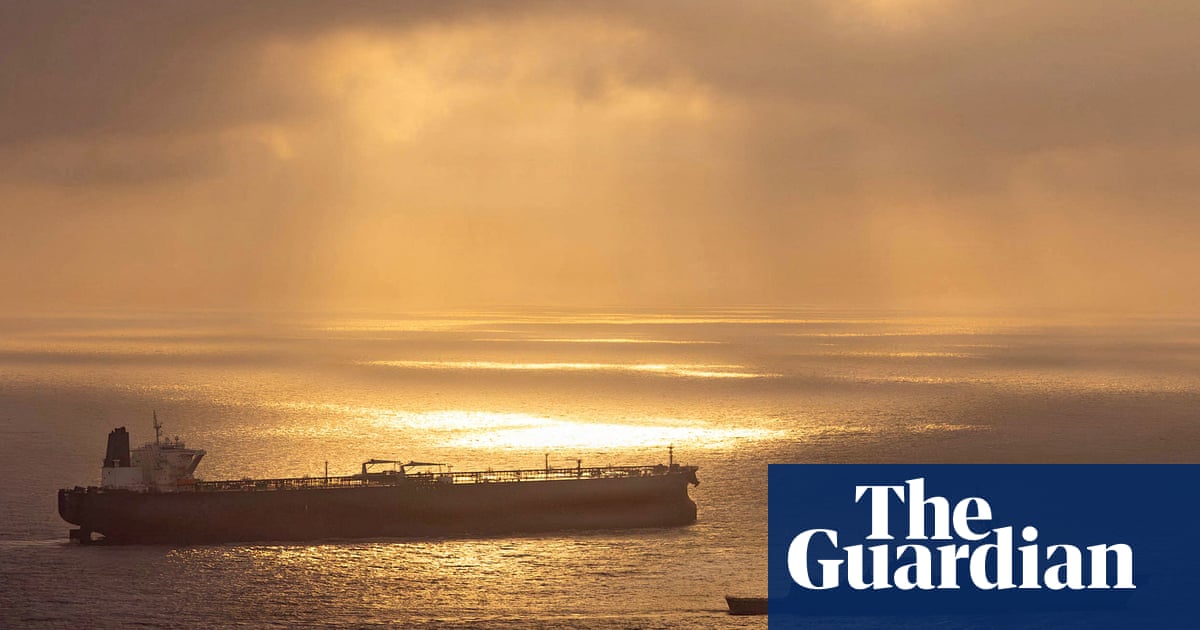
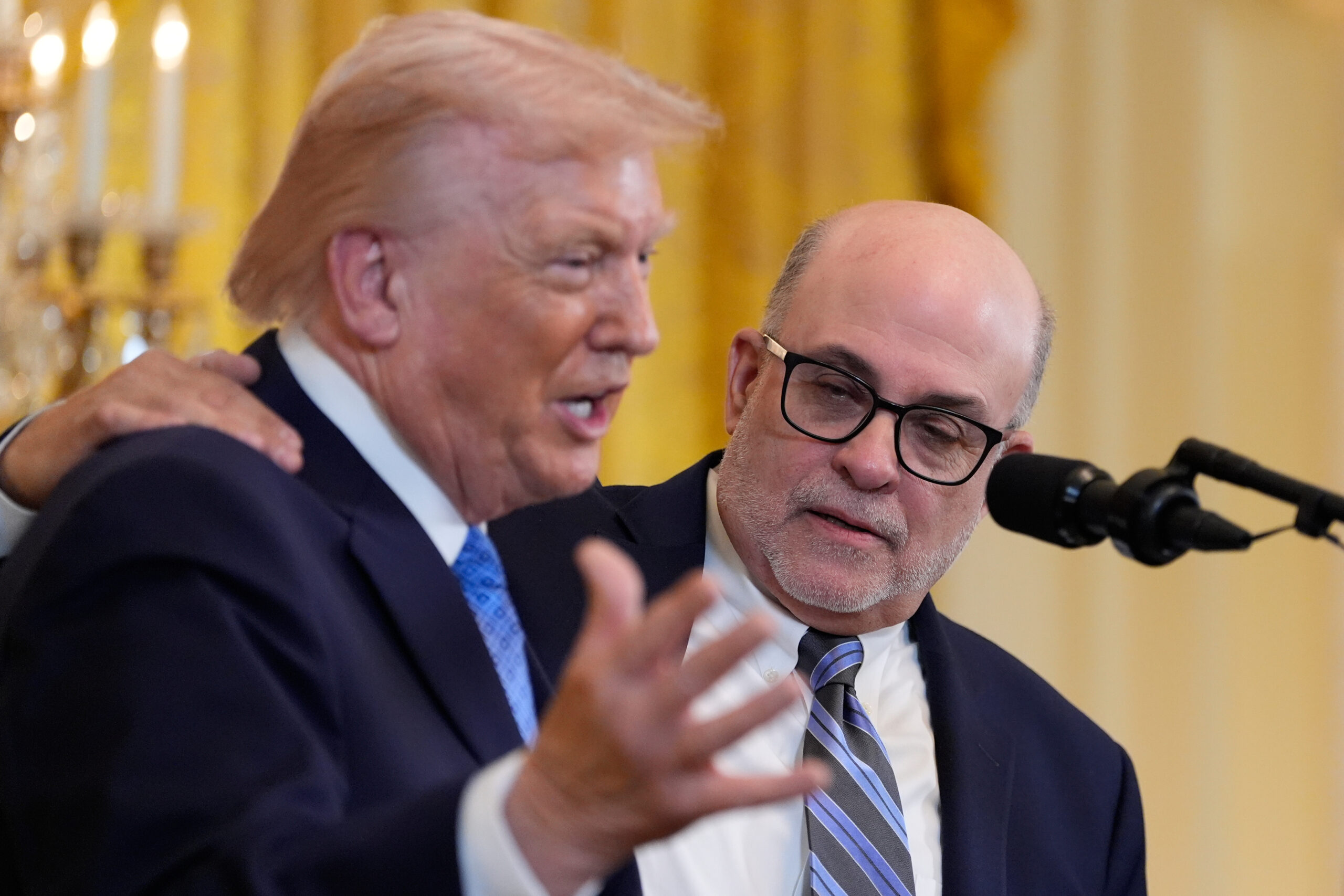
1 day agoUK households cut back spending at fastest rate in 18 months, Barclays says
Households cut back on their spending in April at the fastest pace in 18 months, as the conflict in the Middle East provoked fears of another cost of living crisis, a report from one of the UK's biggest banks has suggested. Barclays, which processes nearly 40% of the UK's credit and debit card transactions, said its data showed there had been a 0.1% fall in card spending last month compared with a year earlier. This was the first year-on-year fall since November 2024.
UK news
#iran-us-ceasefire
World news
fromFortune
2 days agoTrump quickly blasts Iran's response to U.S. ceasefire proposal as 'totally unacceptable' after warning Tehran 'will be laughing no longer' | Fortune
Iran wants negotiations to permanently end the war and secure shipping, but the U.S. rejected the ceasefire proposal immediately.
fromwww.bbc.com
2 days agoHeathrow sees passenger dip amid Iran conflict
Heathrow's passenger numbers dipped by 5.3% last month, with the airport's chief executive citing the conflict in the Middle East as the main reason. The west London airport said about 6.7 million passengers travelled through Heathrow in April, compared with 7.1 million during the same month last year. Heathrow said the decline reflected "the ongoing impact of the Middle East conflict on some markets and shortterm adjustments to travel plans".
London
fromwww.theguardian.com
2 days agoHeathrow passenger numbers dip as demand for international travel ebbs amid Iran war fallout
About 6.7 million people flew through the airport in April, a 5% drop compared with the same period last year. The fall reflected the impact from the Iran conflict and short-term adjustments to travel plans, the airport said. However, the number of transfer passengers transiting for onward flights rose 10% in April year-on-year, as travellers rerouting to Asia and Oceania switched to the Heathrow instead of using rival hubs in the Gulf such as Dubai and Doha.
London food

fromFortune
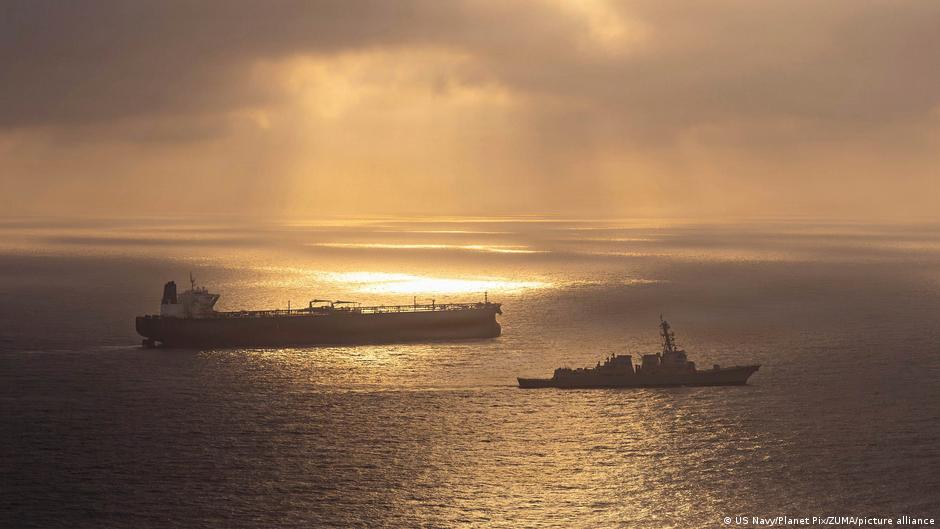
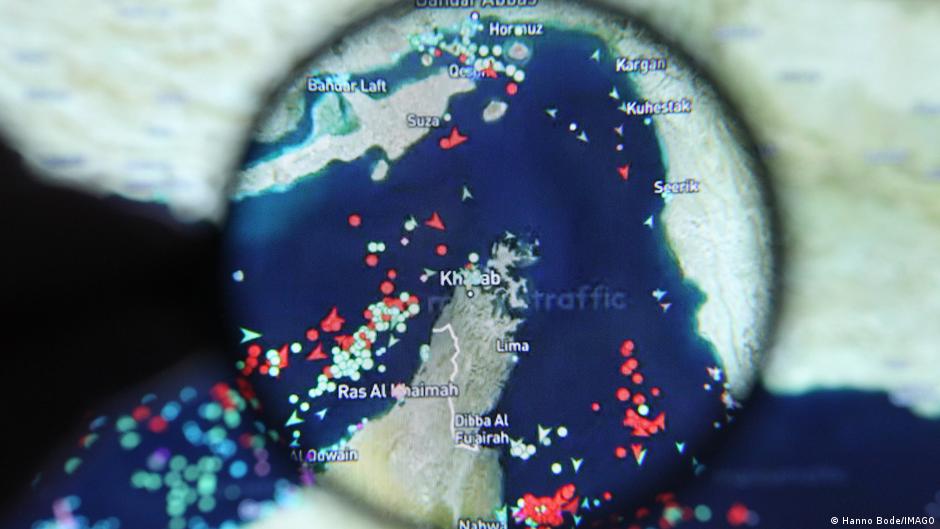
4 days agoDriving less, canceling vacations, and tightening budgets: All the ways Americans are coping with soaring gas prices | Fortune
The conflict in the Middle East itself might be teetering on a tentative ceasefire, but higher gasoline prices are likely here to stay. The average price for a gallon of regular gasoline on Friday was $4.54, according to AAA, up from around $3 before the war, and the most expensive gas has been since the Ukraine War's early days in mid-2022.
Alternative transportation
World news
fromLondon Business News | Londonlovesbusiness.com
5 days agoDubai comes under attack again as Iran fires missiles - London Business News | Londonlovesbusiness.com
UAE reports air defenses engaging Iranian missiles and drones near Dubai amid US-Iran clashes, while Trump says interceptions occurred and a ceasefire remains intact.
Washington DC
fromWashingtonian - The website that Washington lives by.
5 days agoTrump Goes for Drive in Reflecting Pool, Snowcrete Price Tag Revealed, and Red Panda Dies - Washingtonian
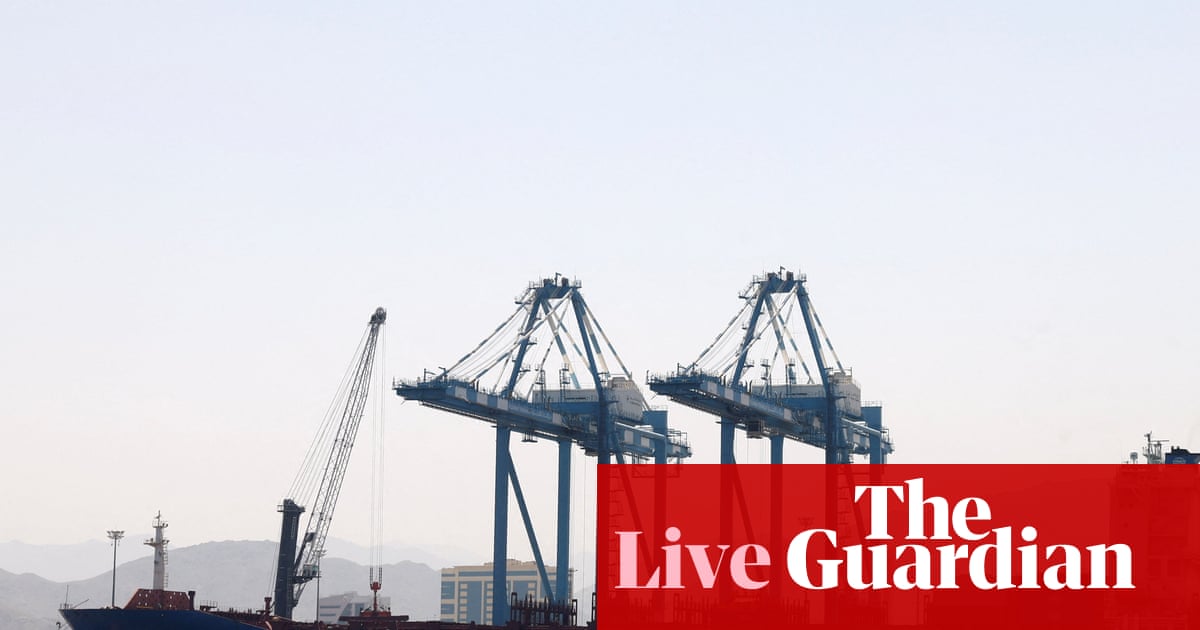
Sunny weather with a high near 72 and breezy, possibly gusty conditions is expected, alongside multiple D.C. sports events and regional updates on Strait of Hormuz tensions.
Europe news
fromMail Online
6 days agoAirports are 'already running out of jet fuel' as a result of Iran war
Global jet fuel shortages caused by Middle East tensions are forcing airlines to implement emergency refueling stops and schedule cuts, threatening World Cup travel accessibility and affordability.
fromLondon Business News | Londonlovesbusiness.com
6 days agoShell feasts on war-fuelled oil chaos as families pay the price - London Business News | Londonlovesbusiness.com
Shell reported record profits of $6.92bn, more than double the previous quarter and 24% higher than last year, due to soaring oil prices from the Iran conflict. This surge intensifies criticism of the oil sector amid rising energy costs for consumers and businesses.
World politics
fromwww.theguardian.com
6 days agoClimate campaigners attack Shell over windfall' profits from Iran war
Shell's chief executive, Wael Sawan, said the company's profits were gained through its relentless focus on operational performance in a quarter marked by unprecedented disruption in global energy markets. The disruption to oil and gas flows through the strait of Hormuz caused the international crude price to climb from about $61 a barrel in January to highs of $119 at the end of March.
Europe news
fromwww.theguardian.com
1 week agoTwo million airline seats cut amid soaring jet fuel prices
Two million airline seats have been cut from this month's schedules as airlines redraw their operations because of soaring jet fuel prices amid the Middle East conflict. About 13,000 fewer flights will operate in May around the world after recent cancellations, according to data from the aviation analytics company Cirium.
Europe news
World news
fromLondon Business News | Londonlovesbusiness.com
1 week agoGold might be under severe risk amid prolonged Middle East war - London Business News | Londonlovesbusiness.com
Gold prices are recovering slightly, but ongoing Middle East conflict continues to exert downward pressure on demand and market stability.
World news
fromwww.mediaite.com
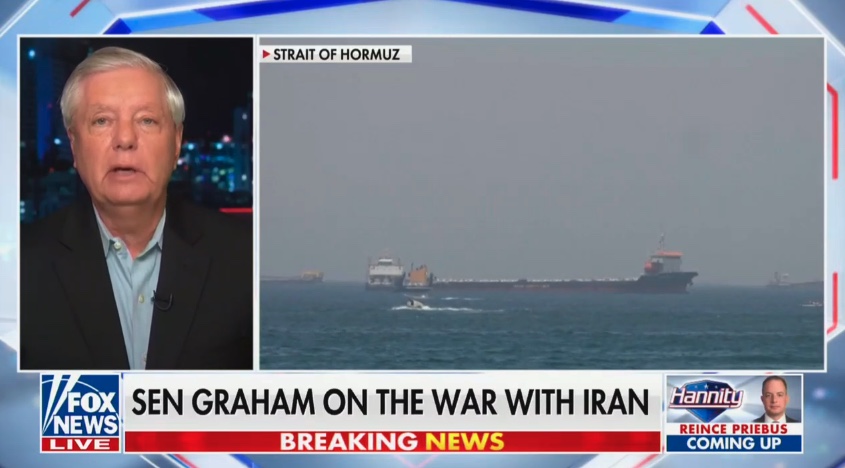
1 week agoLindsey Graham Does 180 on Fox News, Says U.S. Shouldn't Be Taking Kharg Island' Just Weeks After He Told Trump, Take Kharg Island'
Sen. Lindsey Graham reversed his stance on seizing Iran's Kharg Island, now advocating for airstrikes instead of ground control to achieve U.S. objectives.


#oil-prices
World news
fromLondon Business News | Londonlovesbusiness.com
1 week agoOil futures hold with further upside risk ahead - London Business News | Londonlovesbusiness.com
Oil prices rise due to escalating Middle East tensions and concerns over oil infrastructure, with expectations of higher prices persisting longer than anticipated.
World news
fromLondon Business News | Londonlovesbusiness.com
2 weeks agoGovernment working tirelessly to ensure food and fuel crisis is being properly observed - London Business News | Londonlovesbusiness.com
The Government is reassuring the public about oil supply stability amid rising prices due to the Strait of Hormuz closure.
London
fromLondon Business News | Londonlovesbusiness.com
1 week agoLondon hotel slump signals early hit from Middle East war as occupancy falls again - London Business News | Londonlovesbusiness.com
Occupancy in London hotels declined in March, indicating early effects of the Middle East conflict on international travel.
fromLondon Business News | Londonlovesbusiness.com
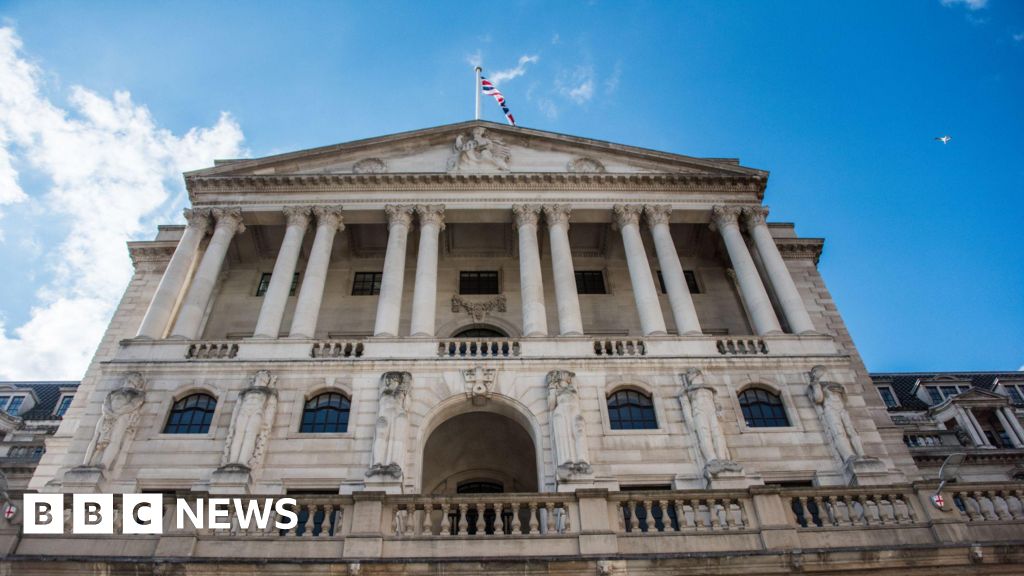
2 weeks agoHeathrow warns Middle East conflict will hit passenger numbers - London Business News | Londonlovesbusiness.com
While Heathrow has temporarily absorbed demand from elsewhere, passenger numbers for the rest of the year are likely to be impacted whilst there is significant uncertainty in the Middle East.
Europe news
fromFortune
2 weeks agoActivists call out 'horrifying' soaring oil and gas profits as energy companies cash in on the Iran war | Fortune
"It is horrifying to see BP's profits grow as millions suffer the fallout from the U.S.-Israel war on Iran," Patrick Galey, head of investigations at campaigning outfit Global Witness, said in a statement responding to the company's results.
Europe news
fromTruthout
2 weeks agoTop Biden Official: Israel Committed Genocide, But US Must Still Support It
Wendy Sherman stated, 'It is critical that Israel remains an ally of the U.S. and we protect the right of a Jewish state. I also believe that Prime Minister [Benjamin Netanyahu] has led us down a road - and we have been part of it - that has, in essence, created a genocide in Gaza that has destabilized the Middle East.'
Left-wing politics
Europe news
fromLondon Business News | Londonlovesbusiness.com
2 weeks agoFTSE dips amid oil surge and geopolitical uncertainty - London Business News | Londonlovesbusiness.com
FTSE 100 declined as investors reacted to Middle East conflict uncertainty and mixed signals regarding potential diplomatic progress.
[ Load more ]