Canada prepared 50-litre gasoline rationing stamps in 1979 amid the oil crisis, though ultimately did not circulate them. A national rationing system would have allowed essential services like ambulances and farmers to get priority access to gas.
"What we are seeing is not just delays - it's systemic volatility. Flight schedules are becoming fluid, and that has a direct impact on the entire travel chain."
The Israeli military will not allow harm to come to Druze in Syria and will continue to act for their protection. This statement underscores Israel's commitment to safeguarding the Druze community amidst ongoing violence in the region.
Sometimes I feel like I'm going to get, like, heart attacks. You feel like how am I gonna survive? What should I do? Should I put more hours [in]? Should I work, like, 14, 15 hours? It's a very hard decision. Singh, who already works seven days a week, estimates he's shelling out an extra $150 to $200 monthly to be on the road in downtown Vancouver.
Trump, in a White House meeting with Irish Taoiseach Michael Martin on St. Patrick's Day, said NATO is making a "very foolish mistake" by not helping out with escorting tankers in the Strait of Hormuz. "We don't need them but they should've been there," Trump said, reiterating what he said in his earlier Truth Social post.
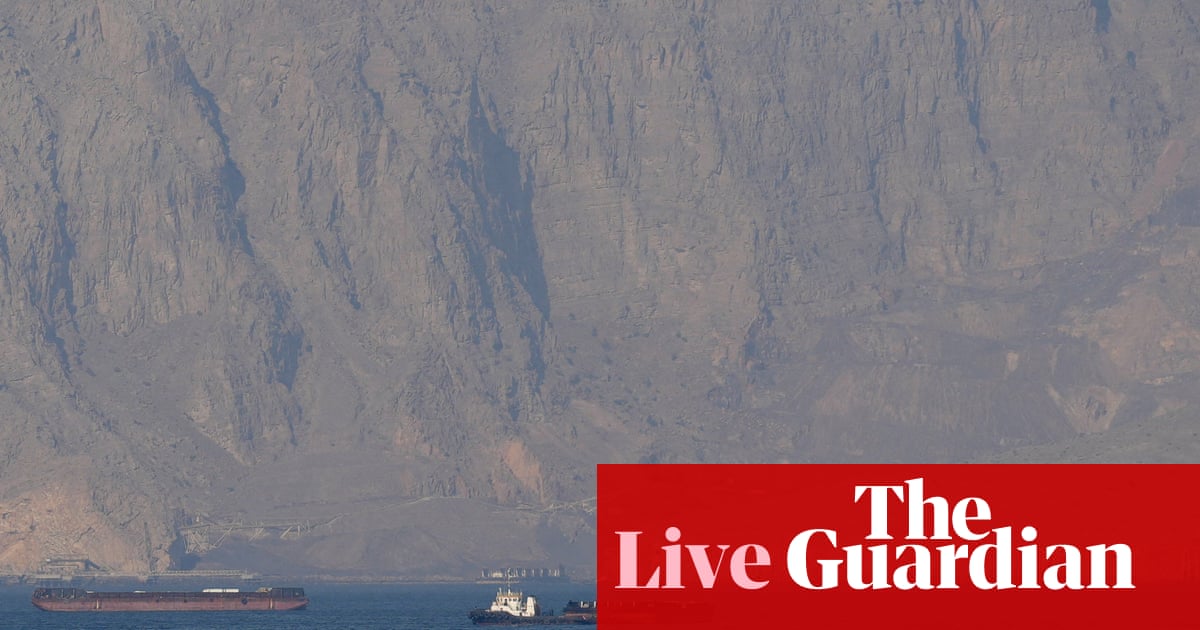
The request comes as Iran attacks ships and plants mines in the all-important Strait of Hormuz, responsible for the shipment of one-fifth of the world's oil. The disruption has led to globally skyrocketing gas and oil prices.
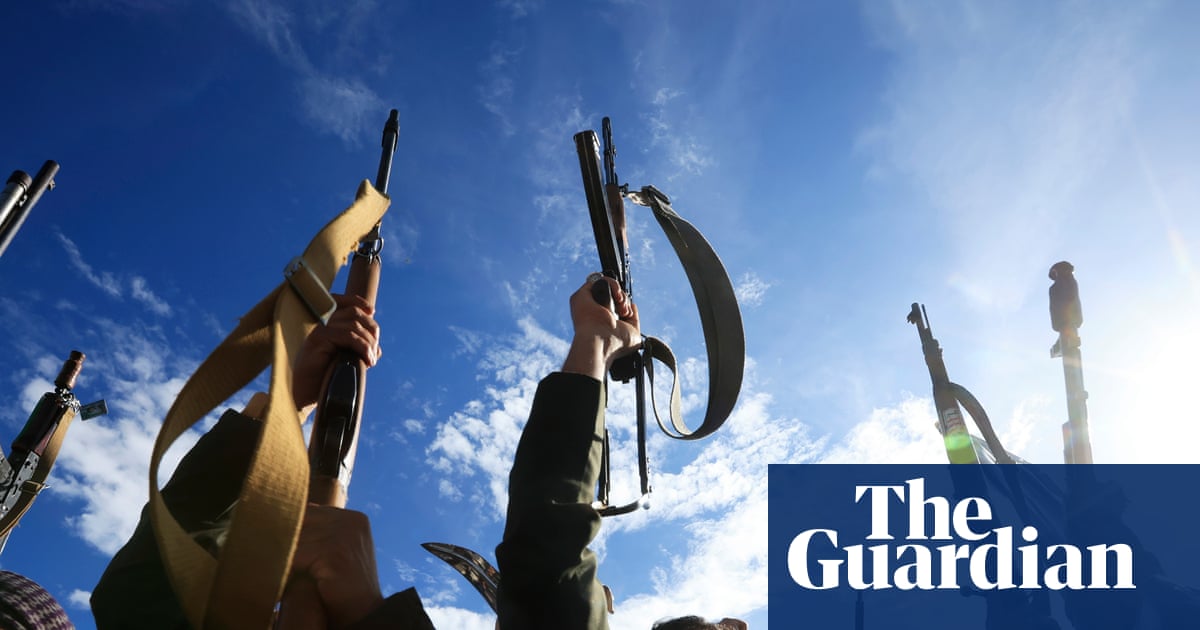
Tens of thousands of people have gathered around the world for al-Quds Day, an annual event on the final Friday of Ramadan demonstrating solidarity with Palestine and opposition to Israeli occupation. Rallies took place across numerous countries, including Iran, Malaysia, Indonesia, Kashmir and Yemen.
Defense Secretary Pete Hegseth on Tuesday told reporters it's up to Trump "whether it's the beginning, the middle or the end" of the war. Trump, during the course of one speech at a House Republican gathering on Monday, went from calling the war a "short-term excursion" that could end soon to proclaiming "we haven't won enough."
Anthony Glees, Emeritus Professor at the University of Buckingham, called the US and Israeli decision to attack Iran a 'war of choice' and the first red flag which previously led to the last two world wars. He claimed that the conflict in the Middle East did not start out of necessity or self-defense, but as a deliberate decision by two leaders focused on gaining power and keeping it.
Mojtaba Khamenei was indeed chosen by senior clerics to be the country's new supreme leader. This is not just a sign of continuity with the elder Khamenei's regime, but Mojtaba was also the top choice of the Revolutionary Guard - which may mean an even more hardline bent for the regime.