#pachamama
#pachamama
[ follow ]
#indigenous-rights #cultural-heritage #environmental-justice #indigenous-culture #conservation #evo-morales
fromwww.theguardian.com
2 days agoNavajo Nation: the fight for cultural survival photo essay
Virginia Brown, a 69-year-old elder, recalls her traumatic experience: 'I was forced into a boarding school when I was six years old. They cut off all our long hair and washed our mouths out with soap if they caught us speaking Navajo.'
Social justice
Environment
fromwww.theguardian.com
5 days agoIf they pollute our rivers, what will become of us?': the town divided between hope and fear in Brazil's Amazon oil rush
Oiapoque, Brazil, is poised for development through oil production, raising concerns about environmental impacts and Indigenous rights amid a global energy transition.
Social justice
fromdesignboom | architecture & design magazine
2 weeks ago'we have to respect history': freddy mamani on constructing utopia through radical repair
Freddy Mamani's architecture integrates indigenous heritage and modernity, reshaping El Alto's skyline into a vibrant expression of cultural identity.
fromArchDaily
3 weeks agoBuilding with Earth: Traditional Knowledge in Contemporary Architecture
Rather than representing a simple return to the past, this renewed interest reflects a broader reconsideration of how architecture engages with materials, local resources, and environmental conditions.
Renovation
Environment
fromwww.aljazeera.com
3 weeks agoChile's President Kast tosses out dozens of environmental protections
Chile's new President Jose Antonio Kast suspended 43 environmental regulations covering emissions, pollution, and national parks to prioritize economic growth and job creation over environmental protections.
fromwww.theguardian.com
3 weeks agoKast is more like Trump': Chile's environmentalists prepare to do battle for the country's future
The highlands are the sustenance of life, and all that water comes down from the mountains to the valleys, such as Azapa and Lluta and to the coast. The city of Arica is on the coast. So, we have a very serious problem. We will not have water—not for agriculture, not for livestock, not for tourism.
Miscellaneous
fromwww.archdaily.com
4 weeks agoRural Housing and Lodging Dormis Donata / Taller MACAA (Mision de Arquitectura, Construccion y Arte en los Andes)
The Dormis Donata form the connecting axis of KUSKA, a rural complex located at 3,100 meters above sea level in the agricultural landscape of the Sacred Valley of the Incas. Nestled between mountains and terraces, they offer a context in which architecture engages in dialogue with memory, topography, and the cyclical rhythms of the environment.
SOMA, SF
Travel
fromTravel + Leisure
4 weeks agoThis Butterfly Reserve In Mexico Preserves an Important Species-and Indigenous Culture
Eastern Monarch butterflies migrate 3,000 miles annually to Mexico's UNESCO reserve, where tourism supports local communities and forest conservation against illegal logging and deforestation.
History
fromArs Technica
3 weeks agoCenturies before the Inca, Peru's wealthy imported parrots from afar
The Ychsma kingdom maintained a sophisticated long-distance trade network spanning hundreds of kilometers across the Andes to import live parrots from the Amazon rainforest centuries before the Inca Empire.
Agriculture
fromLos Angeles Times
3 weeks agoCalifornia pledges to open 7% of its land and waters to Indigenous tribes - a step toward healing a 175-year-old broken promise
California commits 7.5 million acres to tribal stewardship, fulfilling a 170-year-old federal promise while restoring indigenous land management practices and ecosystem health.
OMG science
fromwww.scientificamerican.com
4 weeks agoWhere did magic mushrooms come from? Scientists just got closer to an answer
Scientists discovered Psilocybe ochraceocentrata, a new magic mushroom species in Africa that shared a common ancestor with Psilocybe cubensis approximately 1.5 million years ago.
Women in technology
fromenglish.elpais.com
1 month ago3. Colombia: Mothers for Peace
Carmen Elena, a Colombian woman displaced by violence that killed her husband and brother, lost her project to create a safe village for mothers protecting children from armed group recruitment after USAID withdrew funding.

fromConde Nast Traveler
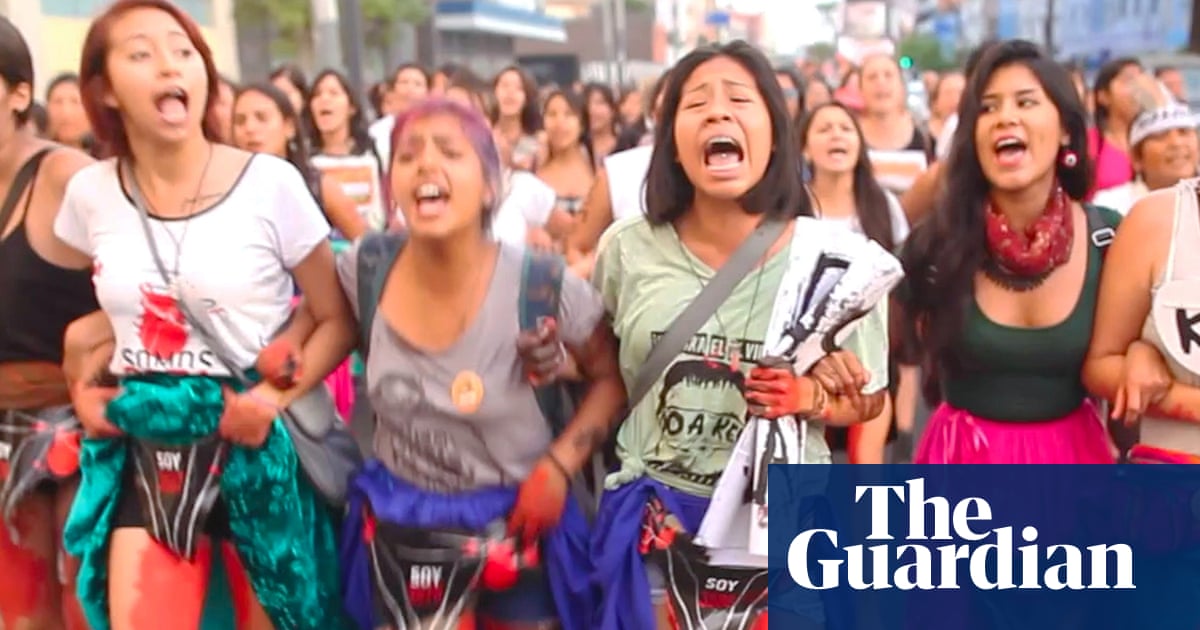
4 weeks agoExploring the Peruvian Amazon, One Riverbend at a Time, on Abercrombie & Kent's Debut Voyage
The 12-cabin cruiser Pure Amazon is Abercrombie & Kent's first voyage on these waters and is part of the brand's Sanctuary collection, which will also include the soon-to-launch riverboat After 25 years in Peru, the company is setting out to not just join a tradition but redefine smart river travel with design-led interiors that evoke a boutique hotel and with five-course dinners paired with Peruvian small-batch wines.
Travel
Renovation
fromYanko Design - Modern Industrial Design News
1 month agoA House In Ecuador That Climbs the Land Instead of Changing It - Yanko Design
La Miradora in Ecuador's highlands uses natural terrain to shape its design, with wooden ribs as the primary structural system that adapts to the slope while providing shelter and framing views.
fromThe Art Newspaper - International art news and events
4 weeks agoTomas Saraceno and Indigenous communities build art complex in Argentine salt flats
We don't eat batteries. They take away the water; they take away life. This pronouncement, in Spanish, appears in a photograph that the artist Tomás Saraceno sent via WhatsApp last month from Salinas Grandes, a high-altitude salt flat in northern Argentina. There, in one of the world's largest lithium reserves, the artist is working alongside 11 Indigenous communities to build El Santuario del Agua (The Water Sanctuary), a monumental work about the global energy transition.
SOMA, SF
fromUPI
1 month agoPeru returns to remote classes, telework amid energy crisis - UPI.com
The measure follows a major failure in the Camisea gas transportation system, the backbone of Peru's energy supply. The disruption has forced authorities to ration natural gas and liquefied petroleum gas, or LPG, and adopt emergency steps to reduce electricity demand.
Miscellaneous
fromTruthout
3 weeks agoEcuador Is Suspending the Bank Accounts of Environmental Activists
Financial strangulation, as he put it, is the latest weapon in the government's escalating effort to clear the way for expanded mining and oil development in one of the world's most biodiverse countries. Months earlier, officials had temporarily frozen the accounts of several of Ecuador's most prominent environmental defenders, including Tapia, citing investigations into unjust private enrichment and financing terrorism.
Social justice
Renovation
fromColossal
1 month agoIn Paraguay, Architecture Doesn't Come at the Expense of Nature at 'Un Bosque en La Casa'
A contemporary home in Paraguay integrates existing trees as design guides rather than obstacles, creating a harmonious blend of modern architecture and natural forest environment.
Online Community Development
fromABC7 Los Angeles
1 year agoPowwows: Celebrating the culture and community of Indigenous people
The Dix Park Inter-Tribal Powwow brings together Indigenous communities from North Carolina's eight state and federally recognized tribes for cultural celebration, competition dancing, and traditional music.
fromwww.theguardian.com
1 month agoWomen behind the lens: The women watched the fuel tanker advance with uncertainty and fear'
The Siekopai Nation, which has historically occupied territories along the northern border between Ecuador and Peru, was separated and displaced during the 1941 border war between the two countries, a conflict with consequences that extended into the 1990s. According to Justino Piaguaje, leader of the Siekopai in Ecuador, the nation's original population was close to 20,000 but diseases brought by colonisers, Jesuit missions, conditions of slavery during the rubber boom, and the impacts of the oil industry led to a drastic decline.
Environment
fromwww.theguardian.com
1 month agoRiding the wave: can surf tourism save Peru's ancient reed-boat fishing culture?
Archaeologists estimate that fishers in Peru have been using the reed boats for approximately 3,500 years. Elaborate ceramics dating back to the sophisticated Moche culture (AD100-800) and the later Chimu civilisation (900-1470), depict figures astride the craft, which was called a tup in the now-extinct Mochica language. They are believed to be among the first crafts to be used for riding waves, possibly predating Polynesian proto-surfing in Hawaii.
Food & drink
fromenglish.elpais.com
1 month agoBolivia wants to bury the ghost of Che Guevara
This is not a simple administrative issue, but a renewed attempt by the center-right government of Rodrigo Paz to sweep aside the memory of the world's most famous guerrilla fighter, who was assassinated in the Bolivian village of La Higuera in 1967. Since Bolivia's Movement Towards Socialism (MAS) lost power to the new government last year, several attempts have been made to rid the country of Guevara's legacy.
Madrid food

fromColossal
1 month agoInside the Sacred Valley Ceramics Studio Referencing Ancient Peruvian Practices
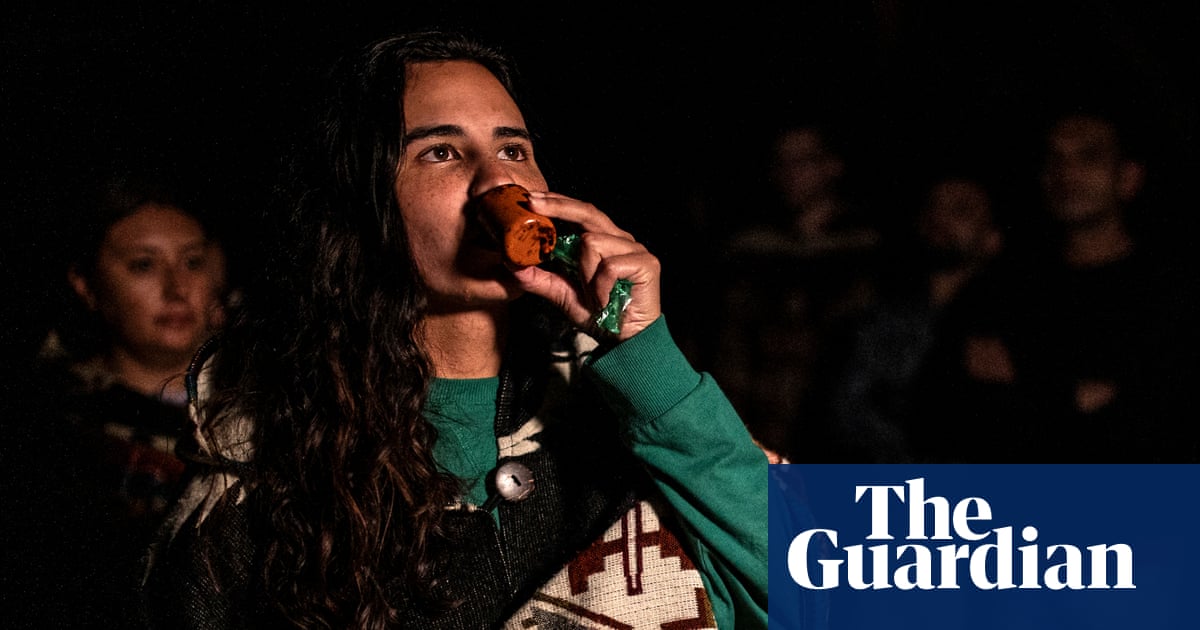
It is not about reproducing the past but about engaging in dialogue with it. We apply the same level of care and rigor to all pieces. Many of our utilitarian pieces have a strong sculptural quality, and several of the more artistic works originate from everyday forms and functions. We do not establish rigid boundaries between these categories; all are part of the same vision.
Arts
Miscellaneous
fromEntrepreneur
1 month agoFrom Andean Villages to Antarctica - What Living a Life Built on Adventure Can Teach You About Leadership
Collette's CEO Jaclyn Leibl-Cote built leadership credibility through hands-on experience across all departments, prioritizing people-first leadership and community impact through the Collette Foundation.
fromBusiness Insider
1 month agoAfter living in South America for 7 years, there's just one region I always recommend to first-time visitors
The Andes Cordillera is full of incredible sights, unique ecosystems, and unforgettable experiences. I believe there's something here for everyone, from vibrant cities to towering volcanic peaks.
Travel
Madrid food
fromenglish.elpais.com
1 month agoBerta Caceres and the resistance that was born under an oak tree
Berta Caceres, a Lenca leader murdered in Honduras in 2016 for defending the Gualcarque River against business and military interests, remains a symbol of both judicial progress and persistent impunity in human rights defense.

fromConde Nast Traveler
1 month agoSave Up to 40% With These Cotopaxi Coupon Codes and Discounts
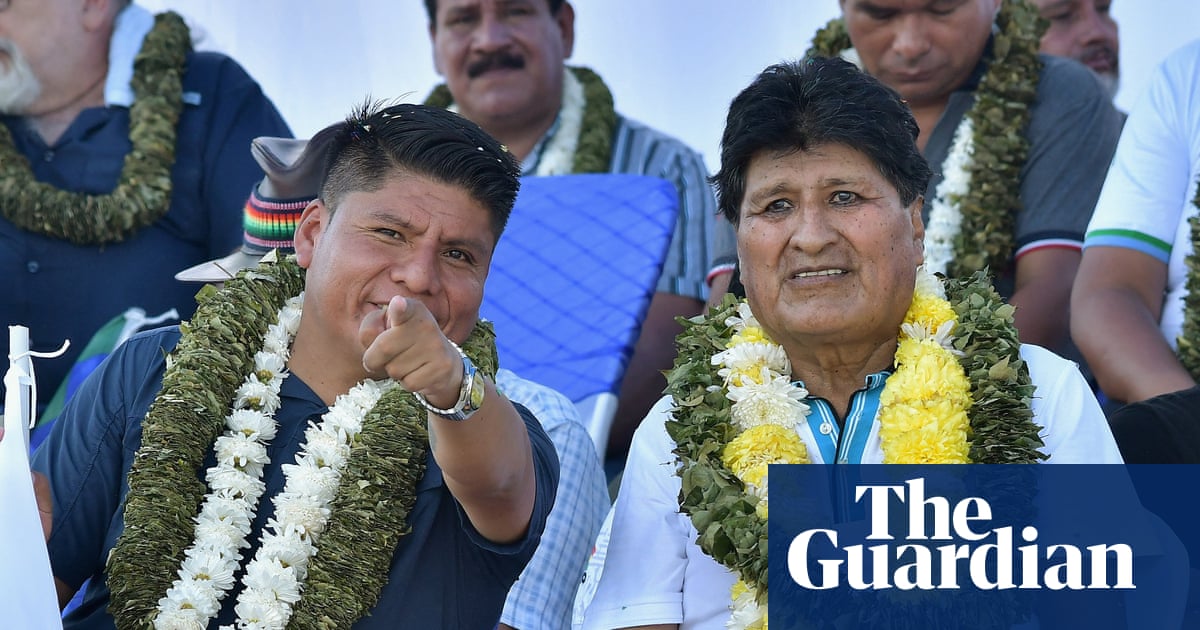
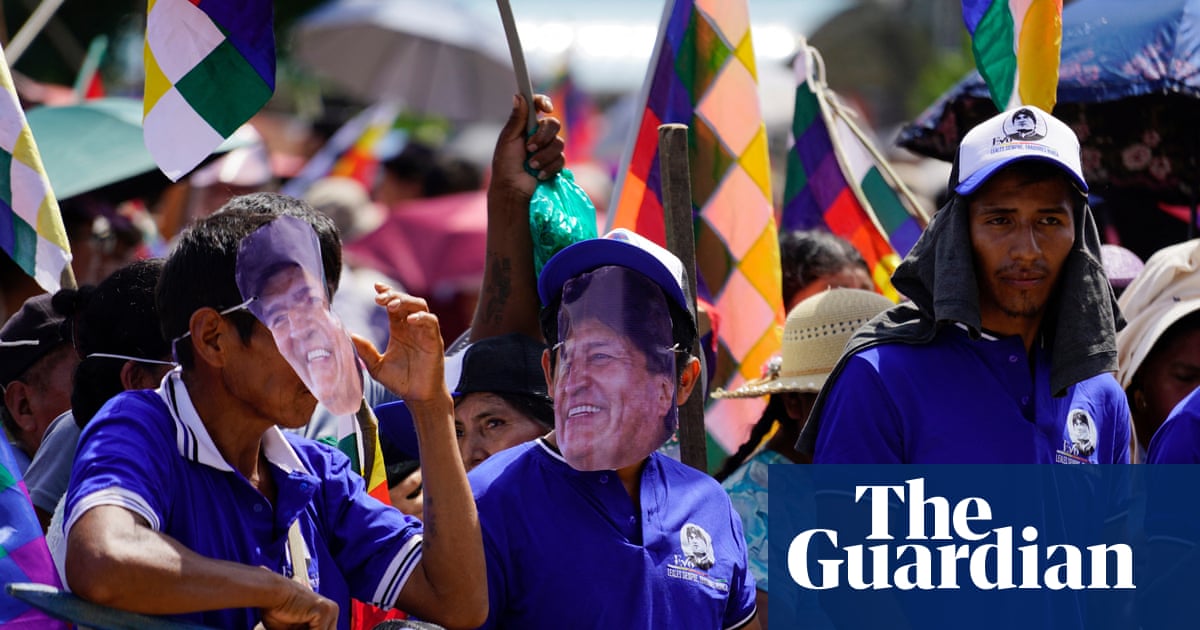
A favorite of backpackers, outdoor adventurers, and national park wanderers alike, Cotopaxi is known for its deceptively spacious bags, outdoor gear, protective clothing, and colorful styles. I've spent my fair share of time trekking up and down the country with my own Cotopaxi bag ( Cotopaxi Allpa 35L Travel Pack), which has seen such sights as Acadia National Park and downtown Boston, and on a recent trip to Italy, my travel partner brought hers along the Amalfi Coast.
E-Commerce
fromKqed
1 month agoMaidu Tribe Returns to Its Roots of Ancestral Fire | KQED
The Maidu tribe of Butte County-Berry Creek, Mechoopda, Mooretown, Enterprise and Konkow Valley, come together to conduct CAL-TREX prescribed burn training to relearn how to put helpful fire back on their native lands that have been devastated by recent catastrophic wildfires. Organizers say the training camp is designed to help restore fire-scarred lands and people. While other Northern California tribes have been reintroducing cultural fire for decades,
California
fromNature
2 months agoDeveloping super-tortillas to address malnutrition in Latin America
The humble tortilla is an iconic food staple in Mexico. Everyone eats them, regardless of age or income. The ingredients for the tortilla I was frying in this photo have been fermented to include probiotics and prebiotics for gut health. My research focuses on developing such fermented nutraceuticals - nutritious products with pharmaceutical benefits - to help improve people's metabolic health and combat the malnutrition prevalent in some of Mexico's poorest communities.
Food & drink
fromwww.theguardian.com
2 months agoWe're in danger of extinction': can Bolivia's water people' survive a rising tide of salt and migration?
In the small town of Chipaya, everything is dry. Only a few people walk along the sandy streets, and many houses look abandoned some secured with a padlock. The wind is so strong that it forces you to close your eyes. Chipaya lies on Bolivia's Altiplano, 35 miles from the Chilean border. The vast plateau, nearly 4,000 metres above sea level, feels almost empty of people and animals, its solitude framed by snow-capped volcanoes. It raises the question: can anybody possibly live here?
Environment
fromMindful
1 month agoCan Compassion Save the Planet?
When British author Karen Armstrong won the TED prize in 2008, she used the money to convene a group of religious thinkers from a wide range of faiths to craft an updated version of the Golden Rule for the 21st century. What emerged was the Charter for Compassion, which calls on people around the world "to work tirelessly to alleviate the suffering of our fellow creatures, to dethrone ourselves from the center of our world and put another there, and to honor the inviolable sanctity of every single human being, treating everybody, without exception, with absolute justice, equity and respect."
Philosophy
World news
fromwww.theguardian.com
1 month agoCoca leaf is life itself': Andean growers' hopes fade as WHO upholds global ban
Andean communities use coca leaves for medicine, ritual, and daily life, but international drug classification treats the leaf like cocaine, preventing legal international markets.
Agriculture
fromwww.theguardian.com
1 month agoThe true cost of Ecuador's perfect roses: how the global flower trade poisons workers
Ecuador's Cayambe region relies on rose cultivation for high-value export income, but growers face economic insecurity and environmental and health risks from intensive pesticide use.
fromwww.theguardian.com
1 month agoSome of world's oldest trees hit by climate-fuelled wildfires in Patagonia
The hot, dry and windy conditions that enabled the fires to blaze across huge areas in January were made about three times more likely by global heating, researchers from the World Weather Attribution (WWA) consortium found. Parts of Chile and Argentina are experiencing significantly drier summers as a result of human-caused carbon emissions, with rainfall now 25% lower in early summer in Chile and 20% lower in the affected region of Patagonia.
Environment
fromThe Art Newspaper - International art news and events
1 month ago'These are dirty funds': Indigenous Brazilian leader slams Science Museum for oil sponsorship ahead of climate show
BP's sponsorship of the museum has long drawn ire, in part because the oil company pursues an "all out for oil and gas" strategy, including plans to exploit deep drilling at the recently discovered Burmerangue site off the coast of Brazil. The project has been criticised by campaigners and oil and gas unions due to its threat to ocean ecosystems, elevated carbon dioxide levels, and lack of revenue flowing back into the Brazilian economy.
Environment
fromKqed
2 months agoMaidu Tribes Reignite Ancestral Fire Stewardship in the Sierra Foothills | KQED
Before burning the meadow, Herrera urged everyone to think about those who would gather materials in the coming months. "It's going to be a place where our people can gather food, fibers and medicines," she said. "We want to make sure all of that stuff stays really clean." Basket weavers often hold materials in their mouths, and it's long been a challenge to find plants free of fuel or herbicides. Here, the tribe can tend its garden as it chooses.
Environment
[ Load more ]