#robotics
#robotics
[ follow ]
#ai #technology #artificial-intelligence #innovation #humanoid-robots #automation #table-tennis #tesla #marathon




Berlin
fromFortune
20 hours agoThis South Korean hotel worker is training a robot to fold a banquet napkin: 'I've been doing this about once a month' | Fortune
Body-worn cameras capture skilled workers’ movements to train AI systems that can teach robots humanlike dexterity for real-world tasks across workplaces and homes.




fromFuturism
3 days agoMan Who Invented Roomba Moves Into Household Demon Market
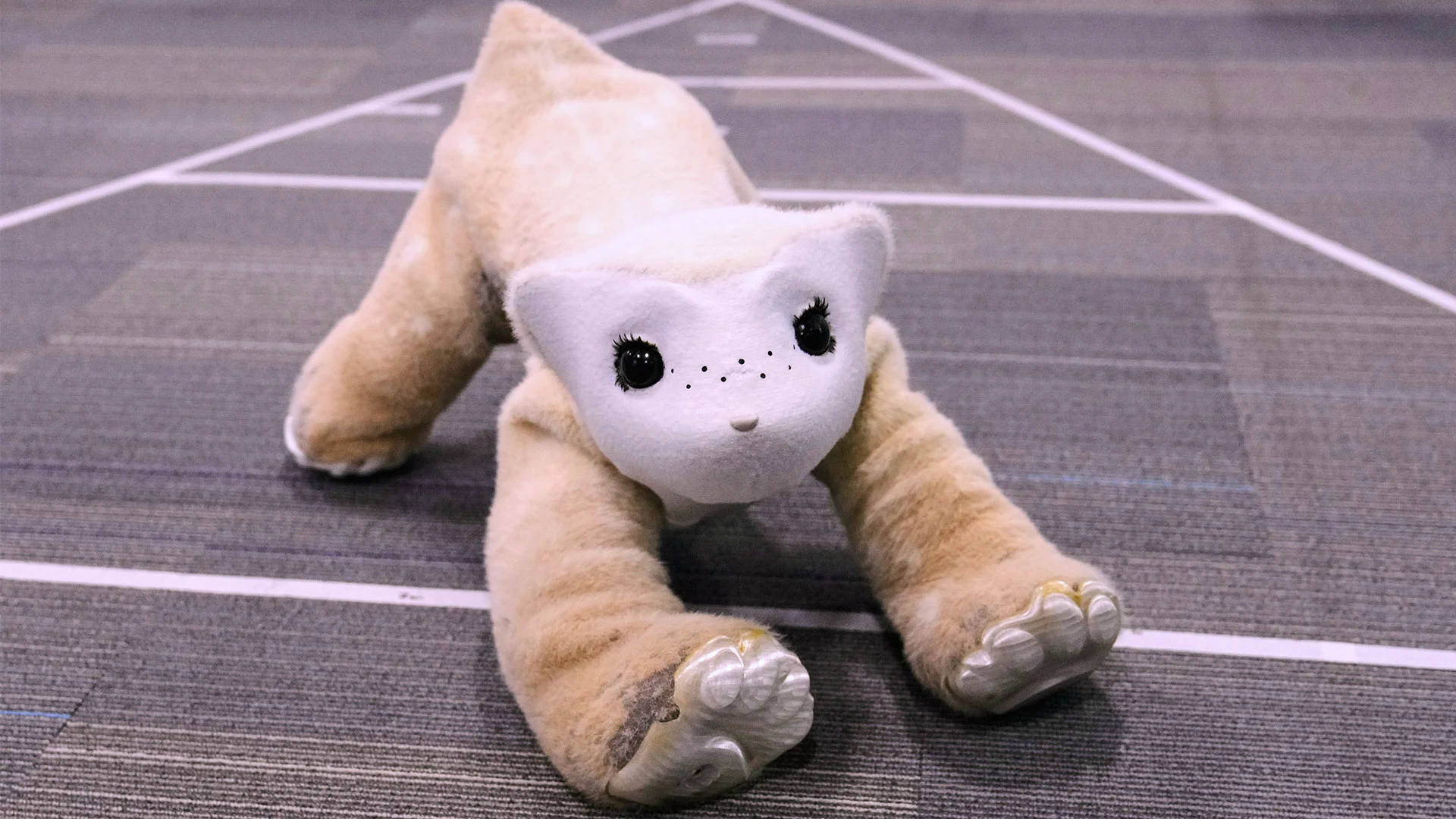
Angle described the robot as a "physically embodied AI system" that uses an on-device generative AI model to interact with its owner and develop a "distinct personality." And he made it very clear that the goal of deploying the AI was to foster genuine companions. "The next era of robotics is not just about dexterity or humanoid form - it's about machines that can build and sustain human connection," Angle told The Verge.
Pets




fromFood & Beverage Magazine
2 weeks agoAppetronix Acquires Cibotica: Elevating Food Robotics
Cibotica's flagship product, the Remy, is distinguished by its ingredient-agnostic technology, allowing it to dispense any ingredient accurately and efficiently. This system can assemble up to 300 bowls per hour and reduce labor costs by up to 30%, while also minimizing food waste by 50% through precise AI-driven portioning.
Food & drink

Russo-Ukrainian War
fromwww.businessinsider.com
2 weeks agoUkraine's fight shows the West why cheap robots could matter more than armored vehicles in a long war, arms maker says
Ukraine's conflict illustrates the need for cheaper, replaceable military systems over expensive armored vehicles in prolonged warfare.

fromwww.businessinsider.com
2 weeks agoHow I taught myself to code, quit my consulting job, and started an AI robotics firm by age 25
In 2024, I used 18 of my 25 allotted vacation days from BCG to sit at home and teach myself to code. I wanted to have the skills to one day found my own company.
Venture

Venture
fromwww.mediaite.com
2 weeks agoGreatest Economy in the World!' Eric Trump Hits Fox to Take a Victory Lap for One of His Companies Scoring a $24M Pentagon Contract
Foundation Industries secures a $24 million Pentagon contract for its humanoid robot technology, emphasizing U.S. leadership in robotics and defense.
fromFood & Beverage Magazine
3 weeks agoChef Robotics: Transforming Food Production with AI
Chef Robotics has recently reached a remarkable milestone by completing 100 million servings in production, underscoring the company's commitment to innovation and the importance of automation in food manufacturing.
Agriculture
Science
fromwww.theguardian.com
1 month agoCongratulations to the Artemis II crew but the case for sending astronauts into space is rapidly shrinking | Martin Rees and Donald Goldsmith
The US and China are racing to send humans to the moon and possibly Mars, with significant investments in lunar exploration.
[ Load more ]