#sex-education
#sex-education
[ follow ]
#parenting #federal-funding #pornography #transgender-rights #sexual-health #consent #gender-identity #california
#sexual-health

UK politics
fromLondon Business News | Londonlovesbusiness.com
4 weeks agoLabour MP calls for a 'summer of sex' as she wants to bring sex toys into House of Commons - London Business News | Londonlovesbusiness.com
A Labour MP is advocating for 2026 to be recognized as the 'Summer of Sex' to promote open discussions on sexual health and education.

fromEsquire
1 month agoI Was a Porn Star for Decades. Now, as "the Vagician," I Teach Men How to Have Sex.
When I went into a scene, I fell in love with that girl for the next 50 minutes. I wanted my scenes to not just appear real but to be real to me, because it made my job easier. There were very few girls who didn't orgasm in my scenes. My goal was to get the girl off, because that gave me pleasure.
Women in technology
Education
fromwww.theguardian.com
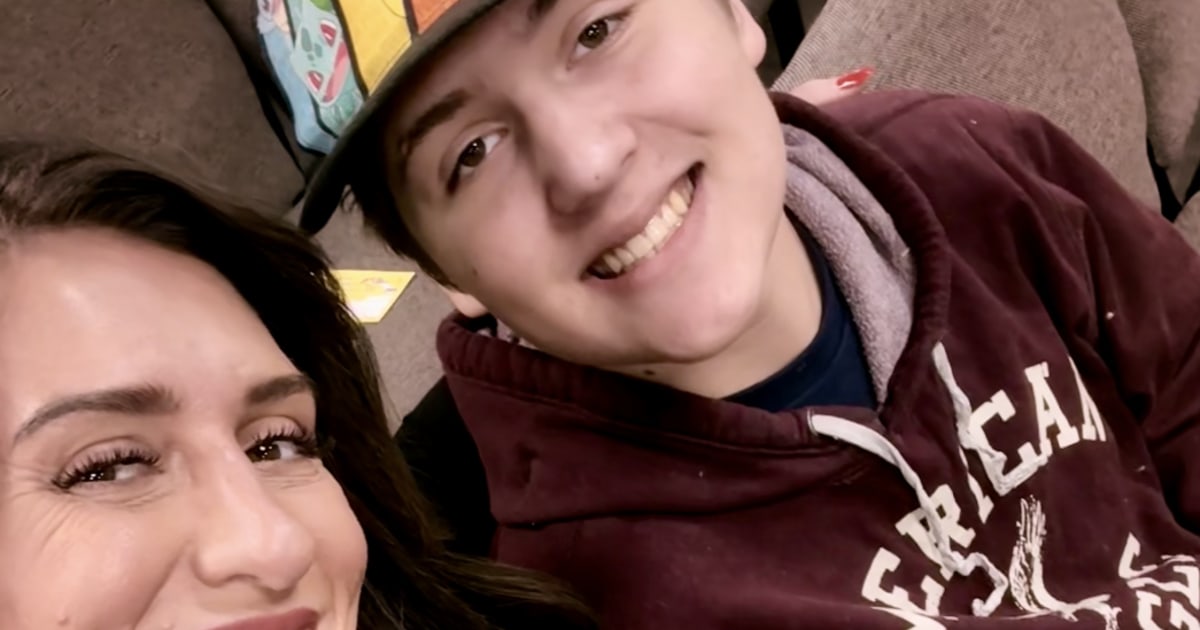
2 months agoA Mississippi mother couldn't find accurate sex ed for her kids. So she started a class at church
A parent in Mississippi created comprehensive, medically accurate sexuality education through her church after finding existing school curricula inadequate and non-inclusive.


fromIrish Independent
4 months agoJust Between Us: 'I couldn't even Google it' - Bobby McQuaid on erectile dysfunction and shame
Bobby takes Jennifer back to being 19, in his first serious relationship, when sex felt inevitable until it wasn't. He describes the confusion of not understanding what was happening, the pain, the panic, and how Ireland's patchy sex education and constant media messaging left him thinking it should be instant, easy, and effortless. Instead, he spiralled into silence, avoidance, and the kind of secrecy that only grows heavier with time.
Health
fromPsychology Today
5 months agoShould There Be Sex Toys in the Santa Stockings?
Most of us received minimal, awkward, or fear-based sex education. We had to learn in small, fragmented ways, like ripping open the sealed section of a Dolly magazine or attempting to find things out from our peers (who were honestly just as clueless as we were). Pleasure was rarely, if ever, discussed and our bodies were seen as problems we needed to fix or manage.
Parenting
fromIrish Independent
5 months agoJust Between Us: 'Lube isn't kinky, it's helpful' - Laura Dowling on having better sex
In this episode of Just Between Us, Jennifer Zamparelli is joined by pharmacist and author Laura Dowling for the no-nonsense, myth-busting sex education most of us missed out on.
Education
Public health
fromIrish Independent
5 months agoJust Between Us: Lube, pubes and pleasure - Laura Dowling on the truths we were never told
Evidence-based sex education clarifies genital anatomy, debunks cleanliness and hair-removal myths, and reduces pressure to conform to unrealistic body and freshness standards.
Relationships
fromIrish Independent
6 months agoJust Between Us with Jennifer Zamparelli: 'Most women don't orgasm from penetration alone' - Dr Caroline West on being your best self sexually
Sexual well-being requires curiosity, confidence, communication, self-knowledge, and shedding shame to enhance connection and enjoyment, including safe use of sex toys and media literacy.



fromAdvocate.com
6 months agoFrom purity rings to 'Don't Say Gay,' the right's war on sex ed never ended
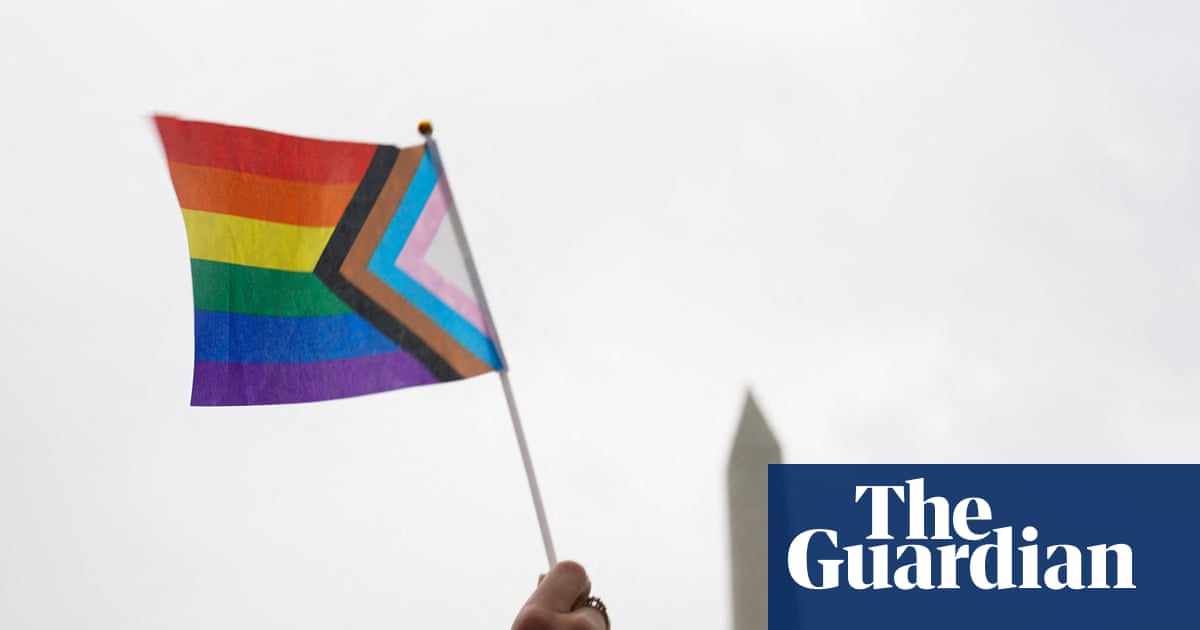
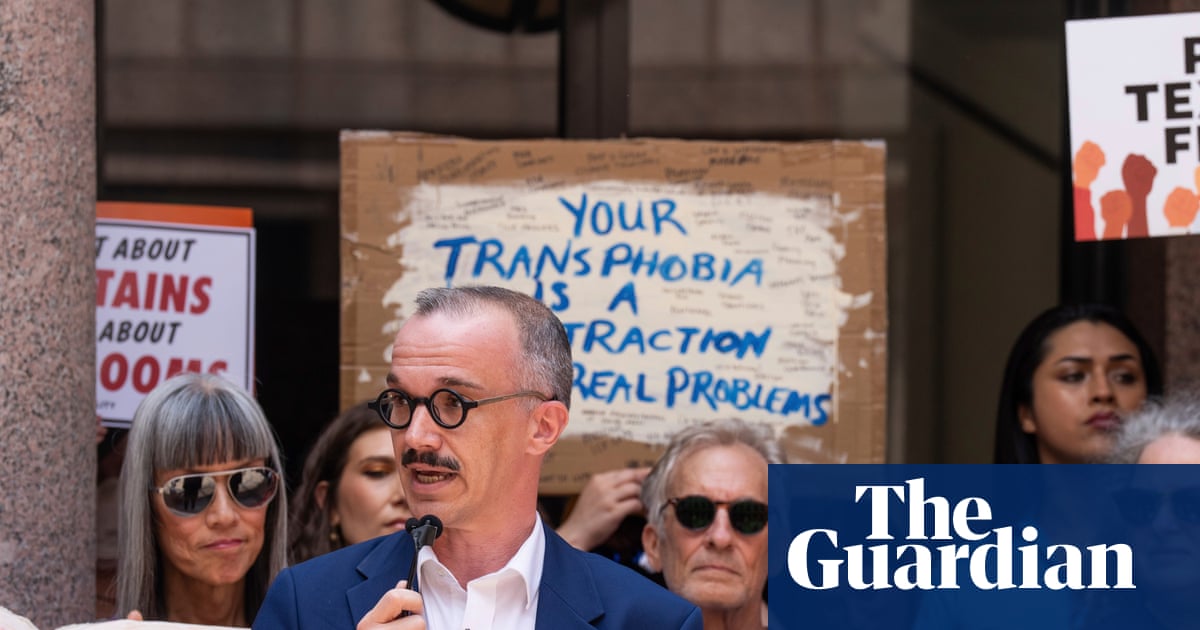
Recently, the Administration for Children and Families sent letters to health departments in states and territories across the United States, requiring them to remove "all references to gender ideology"from the Personal Responsibility Education Program that provides federal funding for sex education. It's a disturbing move that mirrors how, from the 1980s through the early 2000s, the Bush administrations threatened to and did cut federal funding to states and schools that refused to teach abstinence-only sex education as part of the Purity Culture Movement.
Public health
fromBustle
8 months agoChloe Fineman Shares The Rejected 'SNL' Ideas She Won't Stop Pitching
"I feel a lot less crazy there, as you learn the ups and downs and how to just genuinely enjoy it. Comedy is at its best when you're being loose and at its worst when you're really tense and overthinking things. All my best stuff I've ever gotten on the show has been Plan D or 'I don't know, how about this?' It's not the thing I'd spent all night meticulously trying to make work."
Film


US politics
fromPinkNews | Latest lesbian, gay, bi and trans news | LGBTQ+ news
8 months agoUS government orders states to destroy trans education materials
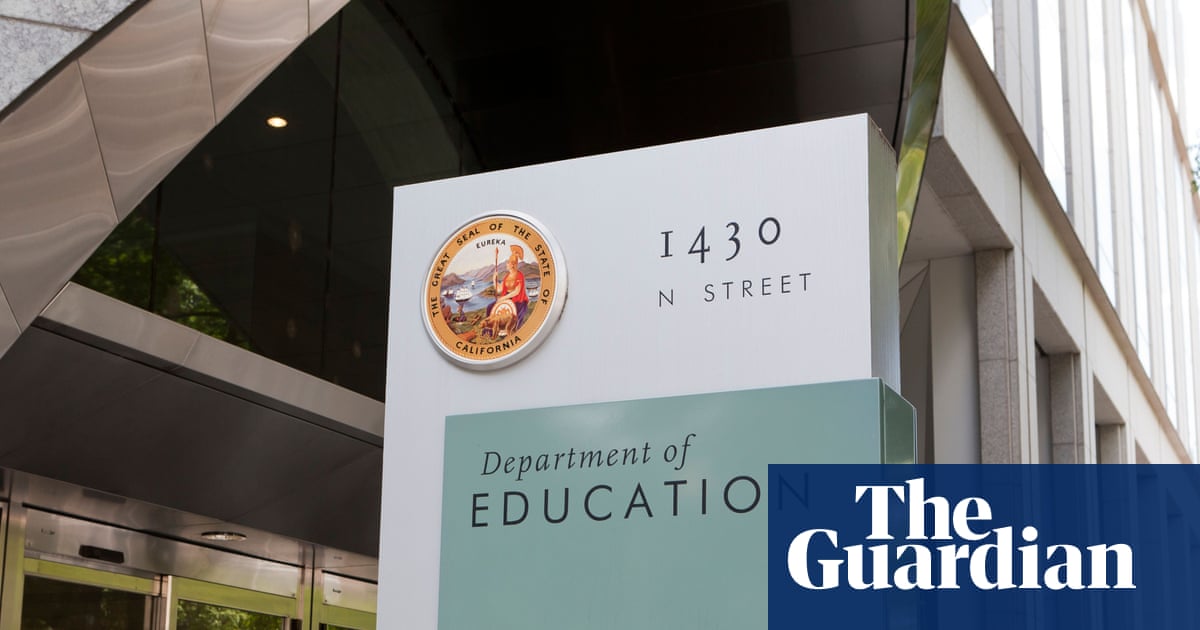
US federal government demands removal of sex-education materials referencing trans and non-binary people from nearly all states or threatens to rescind PREP funding.

fromIndependent
10 months agoAre you having enough 'Tuesday sex'? The secret to long-lasting intimacy in a relationship
Ita O'Brien, an intimacy coordinator known for her work on 'Sex Education' and 'Normal People', emphasizes that on-screen portrayals of sex greatly influence our understanding and experiences of intimacy in relationships.
Relationships
fromBig Think
10 months agoThe science-backed guide to having better sex
I became a sex educator for the nerdiest possible reason. When I got to undergrad, I knew I was gonna be going to grad school for something, I had no idea what, but I knew I needed volunteer work on my resume to look like a good grad school candidate.
Women
fromABC7 San Francisco
10 months agoTrump admin. threatens to pull funding for CA sex ed program over 'disturbing gender ideology'
"If this language is taken away, I think it creates more harms in these communities. It creates more division. You’re basically depriving a generation from understanding what these issues mean."
SF LGBT
UK politics
fromwww.independent.co.uk
10 months agoI was trapped in an abusive relationship at 16, schools must protect teenagers better
Mandatory education on domestic abuse and coercive behavior is essential for students aged 16 to 18.
The Independent champions accessible journalism, opposing paywalls to provide unbiased reporting.
[ Load more ]