Parenting
fromApartment Therapy
5 days agoMy Nomadic Family Has Traveled to 12 Countries - Here Are 12 Lessons We Take with Us Everywhere
Home is portable through consistent rituals, and children reveal what matters most during travel.
Takaichi met her Vietnamese counterpart, Le Minh Hung, on Saturday in Hanoi, where the two leaders oversaw the signing of six cooperation agreements, including on disaster-resilient rural development, climate-resilient infrastructure and satellite data exchange.
U.S. Attorney Jeanine Pirro described the crackdown as a 'new theater of war' against Chinese transnational organized crime, emphasizing the seriousness of the initiative.
The podium-tower is a hybrid structure consisting of a high-coverage, low-rise podium supporting one or more slender vertical towers, maximizing urban density while maintaining a 'human-scaled' street wall.
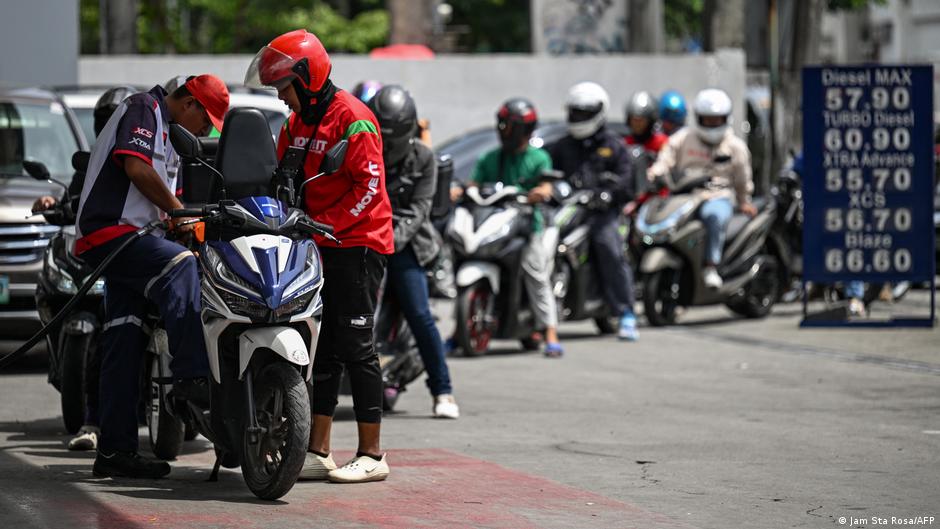
"The energy crunch is doing much more to accelerate the EV transition than any message on climate change," said Lawrence Loh, who heads the Center for Governance and Sustainability at the National University of Singapore (NUS). "Ultimately, it's about what hits your pocket-and the Iran war hits your pocket right away."
"Fortunately, our relations with Russia remain good," Anwar Ibrahim, Malaysia's prime minister, told local publication Sinar Harian. "Therefore, the Petronas team can negotiate with them."
"I think Phnom Penh has become far more confident in its own voice. A few years ago, much of the retail and lifestyle scene felt either NGO-adjacent or heavily expat-driven. Now there's a noticeable shift toward Cambodian-led creative businesses that are designing for a more discerning local audience."
"Asia has more diabetes, cancer and cardiovascular patients than anywhere else in the world," Abrar Mir states, emphasizing the severity of the health crisis in the region.
"The ecosystem has realized that if they don't latch on to this next wave, they might end up being digitally colonized. Economic gains flow to the country that converts raw material into finished goods-and, in this case, the raw material is data."
Southeast Asia has never produced a single watt of nuclear energy, despite long-held atomic ambitions. But that may soon change as pressure mounts to reduce emissions that contribute to climate change.
A hotel is already alive long before it welcomes its first guest. Housekeepers make the rounds before dawn, kitchen crews rehearse dishes yet to be ordered, concierges prepare for the day. This unseen work is now expanding as Southeast Asia's travel sector expands at an unprecedented pace. The region's hospitality sector is projected to grow to roughly $208 billion by 2033, up from $136 billion in 2024, according to Deep Market Insights, a market research firm.
A lack of insurance coverage in Southeast Asia threatens an increasingly important hub for supply chains, as the region is battered by tropical storms, major flooding, and other natural disasters. Total losses from natural disasters across Asia-Pacific last year totaled $73 billion, yet just $9 billion was insured, according to Germany reinsurance company Munich Re. That makes Asia one of the world's least insured regions against natural disasters.
The suspension, which will take effect on Jan. 21, is the first time the U.S. is restricting applicants from Cambodia and Thailand, just months after U.S. President Donald Trump inked trade deals with both nations on the sidelines of the 2025 ASEAN Summit. He had assured Southeast Asian leaders at the event that they could view the U.S. as a "strong partner and friend" in the years to come.
But whittling down a retirement city requires careful consideration. While Asian capitals like Bangkok or Manila remain vastly cheaper than American ones, smaller cities off the tourist radar are often the smarter choice when it comes to affordable retirement destinations. Guided by official embassy websites, official tourism boards, retirement program information, and insights from expats who have made the move, here are the best affordable Asian cities to retire in.
Southeast Asia is facing one of its worst storm seasons on record, as thousands of people have died or are missing across Indonesia, the Philippines, Vietnam, Thailand and Sri Lanka. Another storm is currently forming in the Philippine Sea. But while governments are promising to rebuild, it is not clear how they can afford to do so every year as the storm seasons get worse.
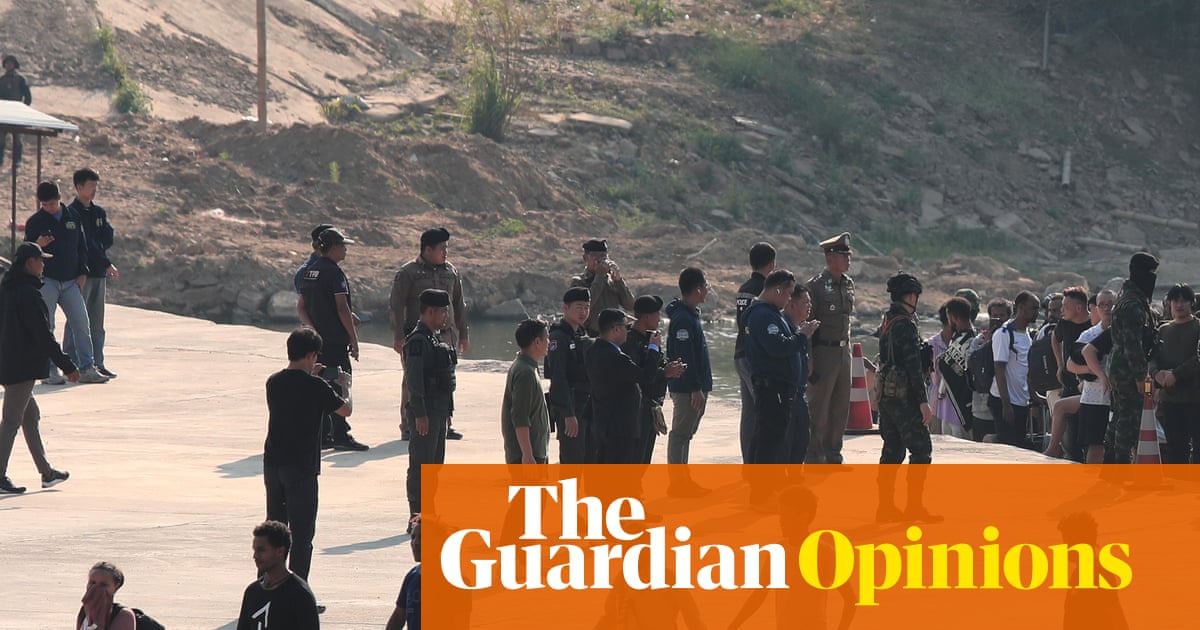
For days before the explosions began, the business park had been emptying out. When the bombs went off, they took down empty office blocks and demolished echoing, multi-cuisine food halls. Dynamite toppled a four-storey hospital, silent karaoke complexes, deserted gyms and dorm rooms. So came the end of KK Park, one of south-east Asia's most infamous scam centres, press releases from Myanmar's junta declared. The facility had held tens of thousands of people, forced to relentlessly defraud people around the world.
Countries like Indonesia and Vietnam have very low GDP per capita, which means the willingness to buy your product or service is still extremely challenging [and low],
Southeast Asia should be well-placed to thrive in a more geopolitically complex world. The region is rich in natural resources, has a young and increasingly wealthy population, and maintains economic and trade links with major economic powers like the U.S., China, India and the Gulf Cooperation Council. Yet during the Fortune Innovation Forum in Kuala Lumpur on Tuesday, Asia Partners co-founder Nicholas Nash challenged Southeast Asian entrepreneurs to be much more ambitious in their aims.
Hundreds of thousands of workers-hailing from over 50 countries-are currently trapped within Southeast Asia's sprawling scam centers, according to estimates by the United Nations. But humanitarian experts think these workers may soon be replaced by artificial intelligence. In some scam centers, messages initiating contact between scammers and potential victims are already being crafted and sent by AI, says Ling Li, a researcher and co-author of Scam: Inside Southeast Asia's Cybercrime Compounds.
Scientists warn climate change making Southeast Asia's rainy season increasingly hazardous. Dozens of people have been killed in Southeast Asia as the rainy season unleashes landslides. At least 18 people have been killed in Indonesia over the past week, authorities said on Monday. In Vietnam, six people were killed late on Sunday when a bus was swept off a road in the centre of the country.
Southeast Asia and its China Plus One' supply chain are feeling the fallout from the US trade war. Southeast Asia was one of the biggest winners from United States President Donald Trump's trade war with China in 2018, luring manufacturers to the region to avoid new tariffs on Chinese goods. It benefitted from investment, tax revenues and technology transfers that came with the expanding China Plus One supply chain concept.
Millions of tons of discarded electronics from the United States are being shipped overseas, much of it to developing countries in Southeast Asia unprepared to safely handle hazardous waste, according to a new report by an environmental watchdog. The Seattle-based Basel Action Network, or BAN, said a two-year investigation found at least 10 U.S. companies exporting used electronics to Asia and the Middle East, in what it says is a "hidden tsunami" of electronic waste.
The cornerstone of Kirin's global strategy centers on the establishment of Kirin Brewery Southeast Asia in Kuala Lumpur, Malaysia, which officially launched on October 1st as the company's dedicated Southeast Asia regional headquarters. This strategic positioning reflects the growing importance of the Southeast Asian market in the global food and beverage industry, where rising disposable incomes and evolving consumer preferences create unprecedented opportunities for premium beverage brands.
Over 280 million Southeast Asians, about 40% of the region's population, identify as Muslim. That's spawned demand for goods and services that cater to a more Islamic lifestyle. It's more than just halal food: Muslim consumers also demand more modest fashion or cosmetics that don't use pig-derived products or alcohol. Even Southeast Asia's finance sector is becoming more halal. Islamic finance in Southeast Asia totaled roughly $859 billion in 2023, up from $754 billion in 2020.


:max_bytes(150000):strip_icc()/TAL-header-henry-golding-celeb-check-in-HENRYGOLDINGCCI0825-22613562d22f42bd97bd60e9c2e79e5a.jpg)