Science
fromwww.scientificamerican.com
2 days agoInside NASA's very ambitious' moon base plan
Living and working on the Moon requires an ecosystem approach, with Artemis missions building toward a permanent lunar outpost by 2030.
The ISS project was set to end in 2030. In 2024, NASA awarded a contract to Elon Musk's SpaceX to build a tug to de-orbit the outpost by 2030, assuming it lasts that long. By then the complex's first module will have been in orbit for more than 30 years, and cracks have plagued the structure alongside hardware failures as the laboratory ages.
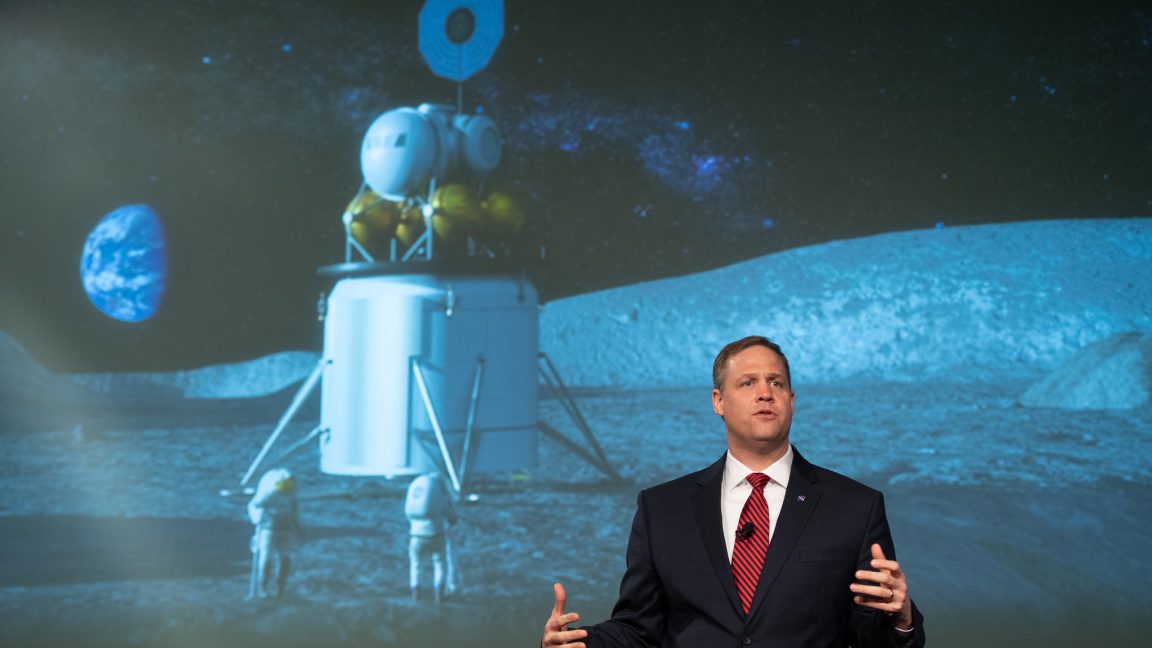
The first Trump administration unveiled its Artemis lunar landing program in 2017, aiming for astronaut boots on the moon in 2024 and an eventual Artemis Base Camp a decade later. These would not be Apollo-style flags-and-footprints sorties but rather longer-duration missions meant to support the construction of an eventual Artemis Base Camp lunar outpost; as such, they require bigger rockets and spacecraftand more complex hardware for surface operations.
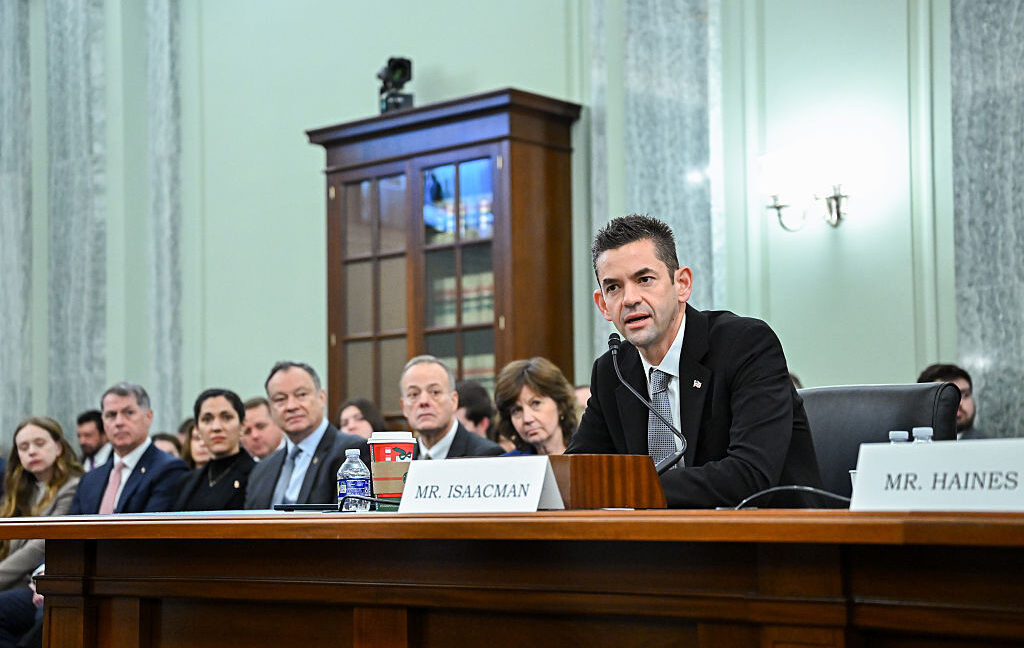
The US Federal Communications Commission has launched "Space Month," with Chairman Brendan Carr saying that "we'll replace a default to no at the agency to a default to yes" for satellite licensing requests. The FCC's processes are set for an overhaul, with bespoke licensing being ditched in favor of what Carr called "a licensing assembly line" and a review of sitting rules for Earth stations to facilitate more intensive use of the upper microwave spectrum.