#wikipedia
#wikipedia
[ follow ]
#grokipedia #misinformation #generative-ai #trust #wikimedia-foundation #elon-musk #content-moderation #ai
#jimmy-wales


Digital life
fromwww.theguardian.com
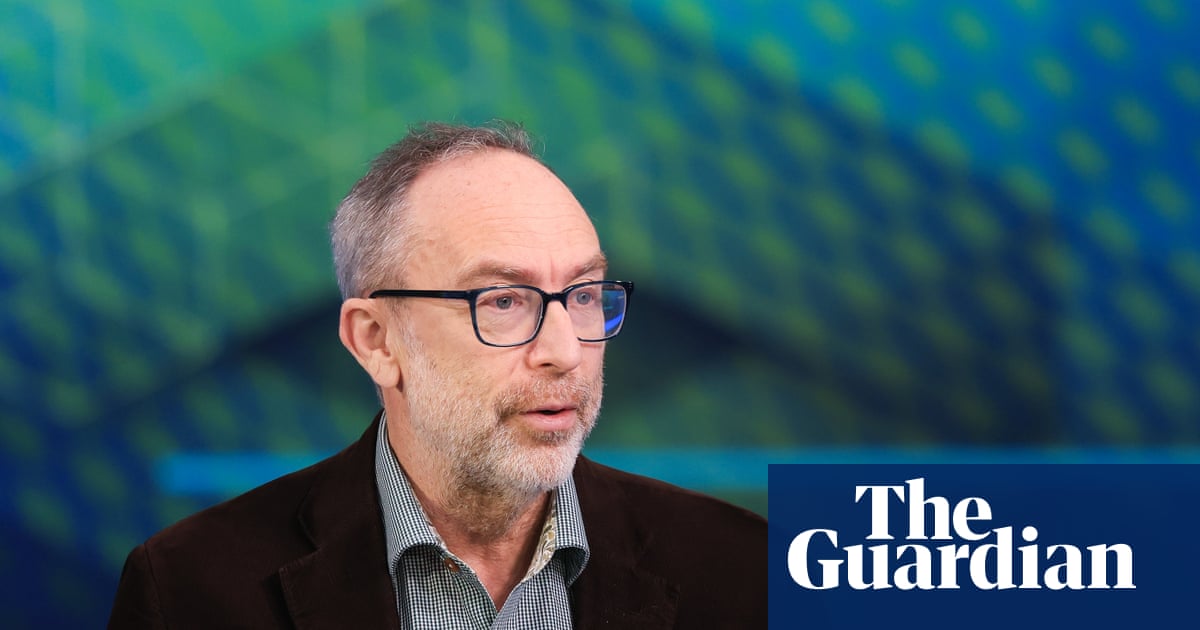
1 week agoWikipedia founder brands Australia's social media ban an unmitigated disaster' and an embarrassment'
Jimmy Wales criticizes the Australian social media ban, calling it a disaster that promotes surveillance and highlights the toxic nature of online interactions.



#ai


Artificial intelligence
fromNieman Lab
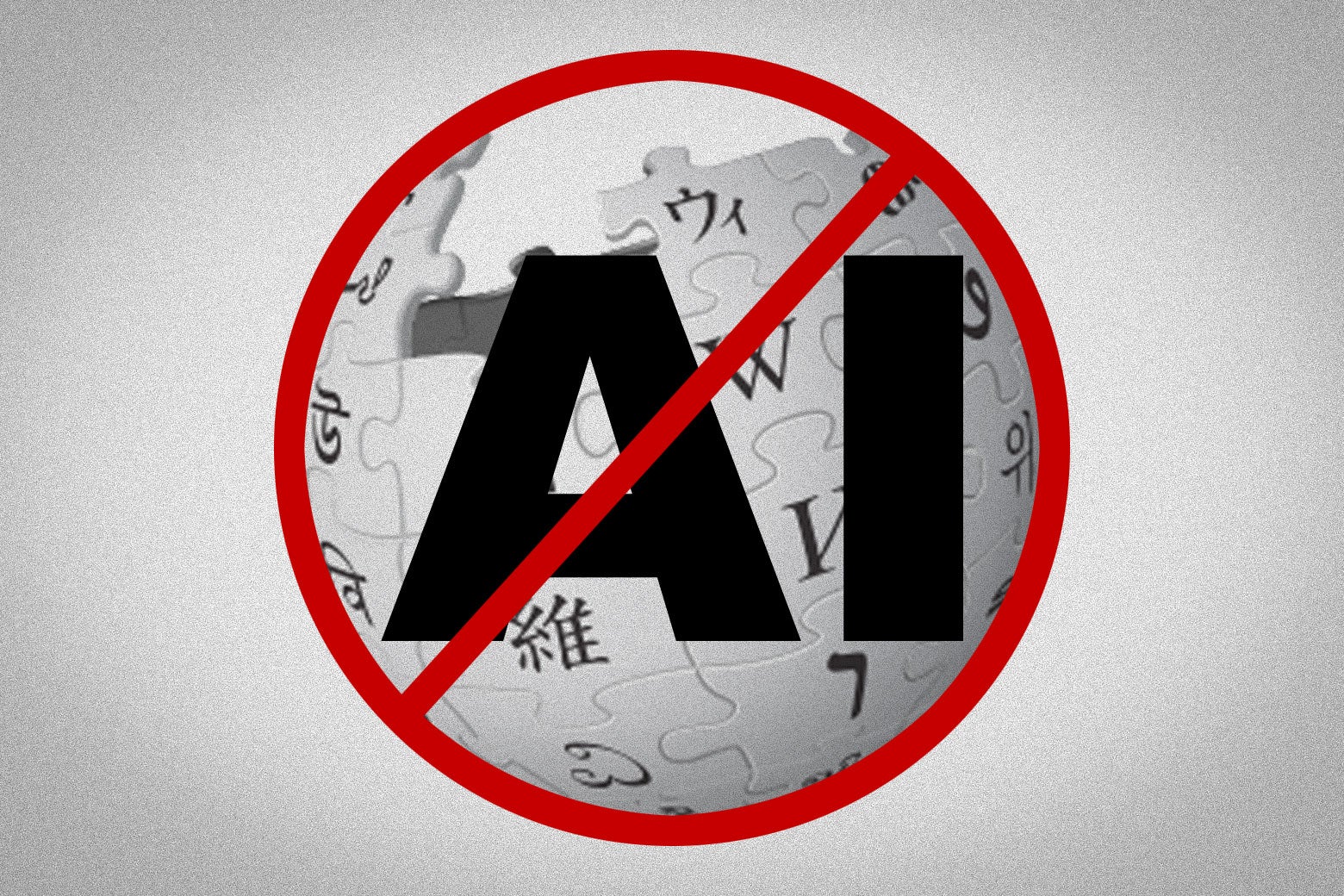
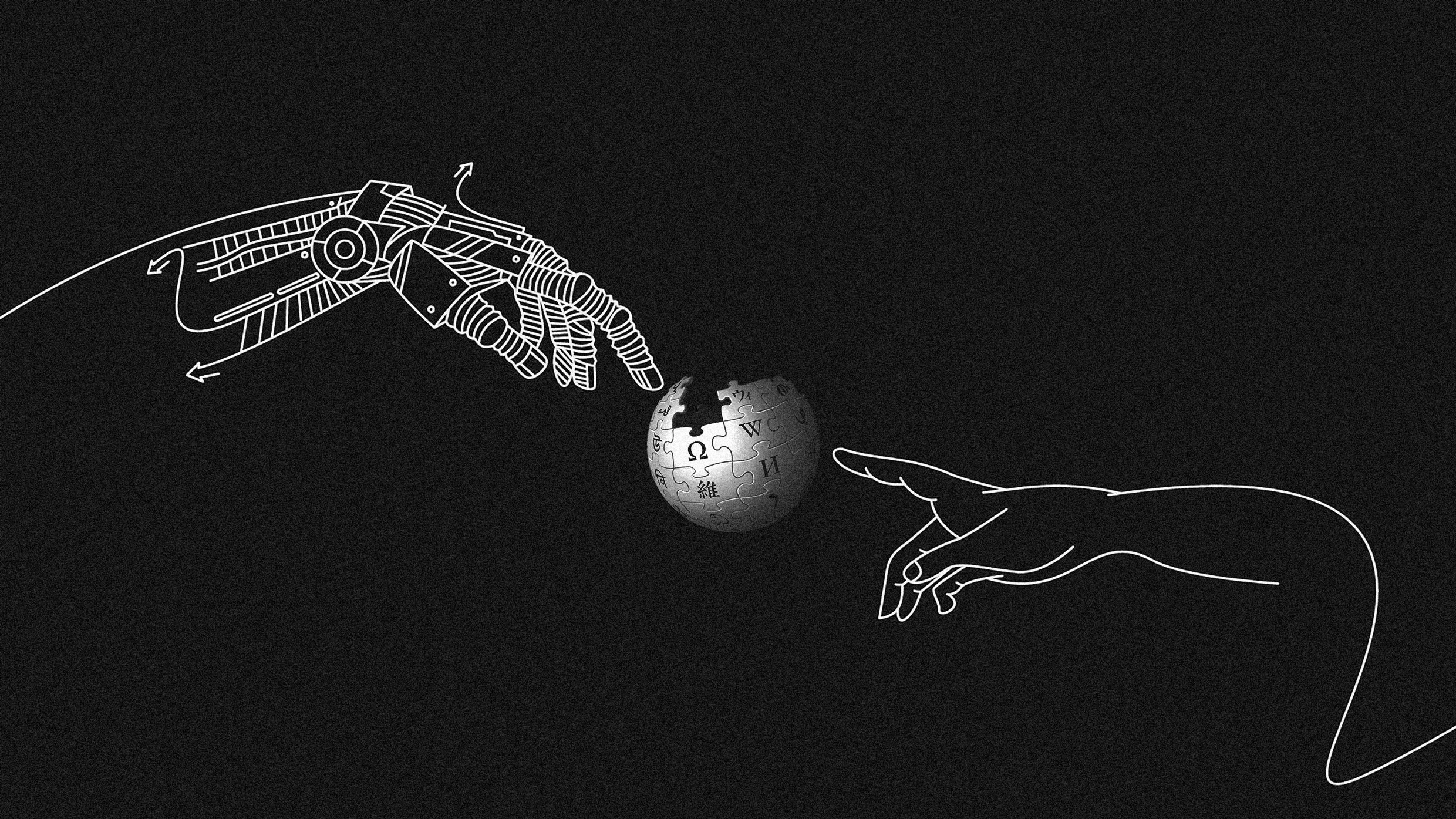
1 month ago"I was surprised how upset some people got": A conversation with the creator of TomWikiAssist, the bot that edited Wikipedia
A bot named TomWikiAssist created Wikipedia articles autonomously, alarming human editors who subsequently blocked its contributions.
LGBT
fromLGBTQ Nation
3 months agoThe surprising way a professor & her students are preserving centuries of LGBTQ+ history - LGBTQ Nation
UC Berkeley professor Juana María Rodríguez teaches a Wikipedia course that preserves and expands LGBTQ+ history by creating and editing niche entries to counter contributor bias.
fromWIRED
3 months agoJimmy Wales Will Never Edit Donald Trump's Wikipedia Page: He 'Makes Me Insane'
Wikipedia's Jimmy Wales has been called the last decent tech baron. It's sounds like a flattering label, although one I usually associate more with yacht-dwelling meatheads who feed their herds of cattle homegrown macadamia nuts; the kind of person who can most recently be found wining and dining with the President of the United States and his coterie of MAGA sycophants.
Podcast

fromFast Company
3 months agoWikipedia inks new deals with AI companies to mark 25th anniversary
The online crowdsourced encyclopedia revealed that it has signed up AI companies, including Amazon, Meta Platforms, Perplexity, Microsoft, and France's Mistral AI. Wikipedia is one of the last bastions of the early internet, but that original vision of a free online space has been clouded by the dominance of Big Tech platforms and the rise of generative AI chatbots trained on content scraped from the web.
Business
fromWIRED
3 months agoWikipedia's Existential Threats Feel Greater Than Ever
The missive demanded that the free online encyclopedia remove the FBI's logo from an entry about the agency, claiming that reproducing the emblem was illegal and punishable with fines, imprisonment, "or both." Rather than back down, a lawyer for the Wikimedia Foundation, which hosts Wikipedia, shot back a sharp refusal outlining how the FBI's interpretation of the relevant statute was incorrect and saying that Wikipedia was "prepared to argue our view in court."
US politics



fromNieman Lab
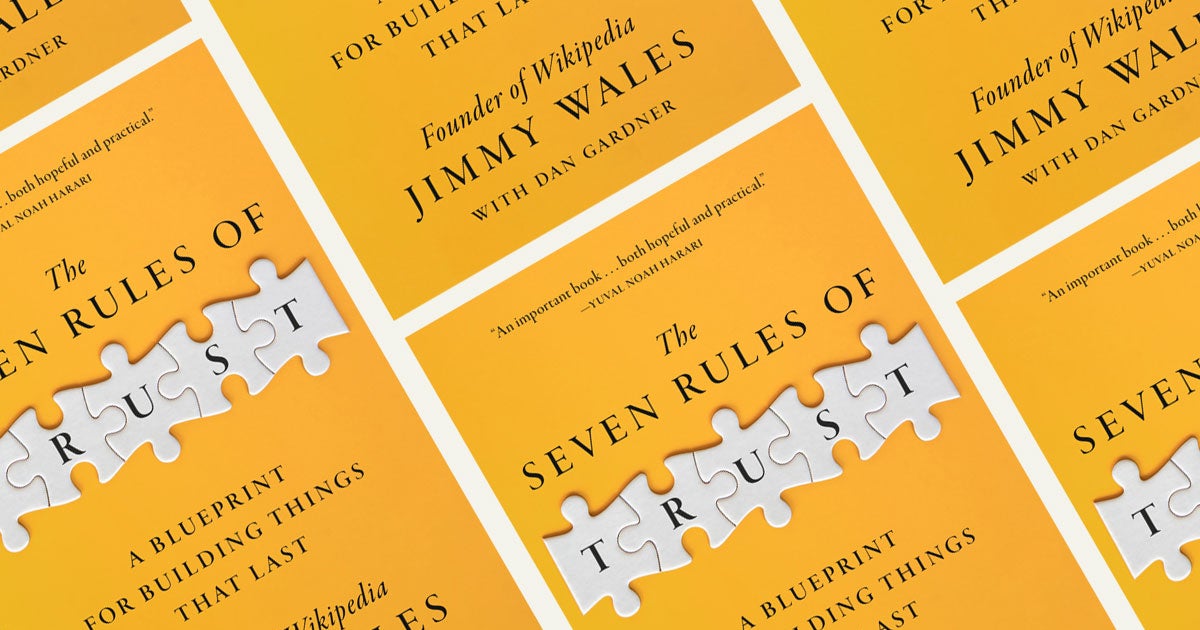
4 months agoThe AI winners will recognize that knowledge needs humans
In January 2026, Wikipedia will turn 25 years old, a reminder that one of the internet's most‑visited sites began as an experiment many experts assumed would fail. It grew from a simple idea to more than 65 million articles in over 300 languages not by ignoring criticism, but by listening: adding quality controls, building policies, and keeping humans at the center of oversight and content creation.
Artificial intelligence
fromThe Verge
5 months agoWikipedia is getting in on the yearly wrapped game
Beyond that, the feature focuses on providing an annual overview of activity on Wikipedia as a whole, but in a pretty graphical format, not dissimilar to Spotify's Wrapped. A list of the most-read English language articles is topped by Charlie Kirk and "deaths in 2025," proving that humans are incurably morbid. Wikipedia also says that editors made over 66 million changes across the site this year.
Mobile UX
fromTechCrunch
5 months agoThe best guide to spotting AI writing comes from Wikipedia | TechCrunch
To start with, the guide confirms what we already know: automated tools are basically useless. Instead, the guide focuses on habits and turns of phrase that are rare on Wikipedia but common on the internet at large (and thus, common in the model's training data). According to the guide, AI submissions will spend a lot of time emphasizing why a subject is important, usually in generic terms like "a pivotal moment" or "a broader movement."
Artificial intelligence



fromThe Verge
6 months agoWikipedia co-founder joins editing conflict over the Gaza genocide page
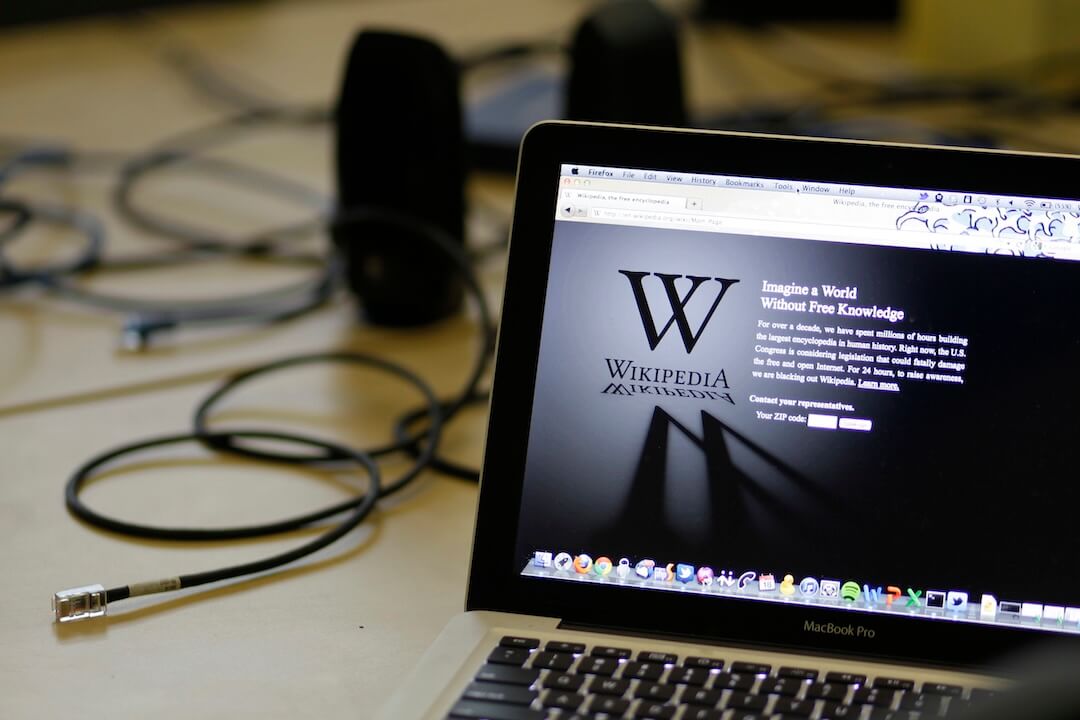
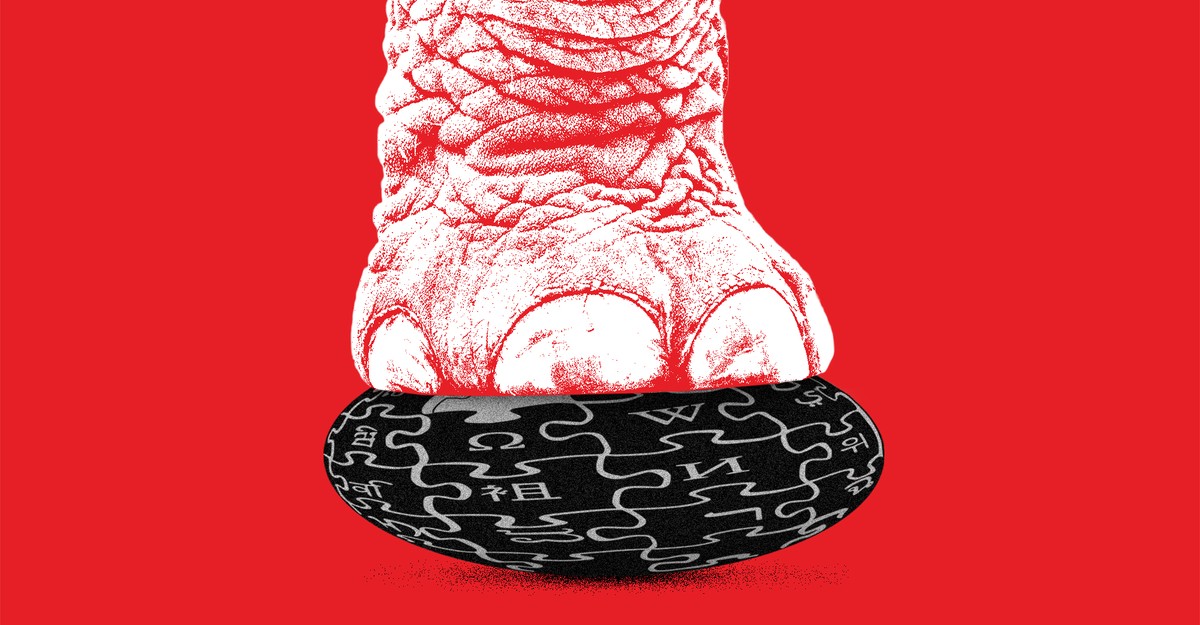
Wikipedia co-founder Jimmy Wales has jumped into a conflict over the online encyclopedia's page on "Gaza genocide." Just days after a Wikipedia editor froze changes to the article, Wales posted a statement on a page dedicated to discussing edits, saying the article "requires immediate correction" and is part of a broader neutrality problem on the site, where "there is much more work to do."
World news
fromHarvard Business Review
6 months agoWikipedia Cofounder Jimmy Wales on How to Build Trust
So, picture a moment when a new source of information comes online, turns into a go-to for people everywhere, sometimes to the chagrin of professors and bosses, but becomes a household name and really changes the internet. So we're doing AI again. Actually I am talking about Wikipedia, the online crowdsourced encyclopedia, which for a long time generated a lot of skepticism, but today is actually seen as a pretty trusted source of information. It's an example of an organization that actually created something positive on the internet.
Digital life
fromThe Verge
6 months agoElon Musk's Grokipedia launches with AI-cloned pages from Wikipedia
Since 2001, Wikipedia has been the backbone of knowledge on the internet. Hosted by the Wikimedia Foundation, it remains the only top website in the world run by a nonprofit. Unlike newer projects, Wikipedia's strengths are clear: it has transparent policies, rigorous volunteer oversight, and a strong culture of continuous improvement. Wikipedia is an encyclopedia, written to inform billions of readers without promoting a particular point of view.
Non-profit organizations
fromFuturism
6 months agoThe Wikipedia Page on "Brain Rot" Is Protected Until 2026 Due to Extensive Vandalism
Wikipedia is one of those rare digital miracles that feels like it live up to the vast promise of the web: a vast online encyclopedia, written and maintained by millions of volunteers across the world, in arguably the most extraordinary single repository of knowledge in human history. But of course, because any unverified user can edit Wikipedia, it's often become subject to vandalism.
Digital life
Marketing tech
fromAdExchanger
7 months agoJimmy Kimmel Live(s On), No Thanks To Brands; The Case For Ad-Supported Wikipedia | AdExchanger
Disney reversed a decision after pressure from celebrities, politicians, and consumers while advertisers remain cautious amid political scrutiny over 'woke' backlash.

SF politics
fromAbove the Law
1 year agoDC Prosecutor Ed Martin Goes After Wikipedia For Exercising First Amendment Rights - Above the Law
Ed Martin threatens Wikipedia over sourcing issues, showcasing political tension regarding information credibility.
Martin's controversial actions as acting US Attorney raise questions about his qualifications and motivations.
fromNew York Post
1 year agoSneak attack: How biased Wikipedia twisted the truth about JD Vance
Wikipedia, which was originally intended to democratize information, has shifted towards partisanship, with a noticeable bias against conservatives, particularly evident in its treatment of Vice President JD Vance.
US politics
[ Load more ]