"Here at Streetsblog, we routinely advocate for dedicated, hardened infrastructure that encourages people to get out of their cars and onto trains, bikes, and walking paths. The idea is to create transportation systems that don't rely on the goodwill of individual car drivers in order to function. The disturbing rise of hit-and-run crashes, however, presents a unique challenge for advocates who are reluctant to emphasize personal responsibility when promoting safer streets."
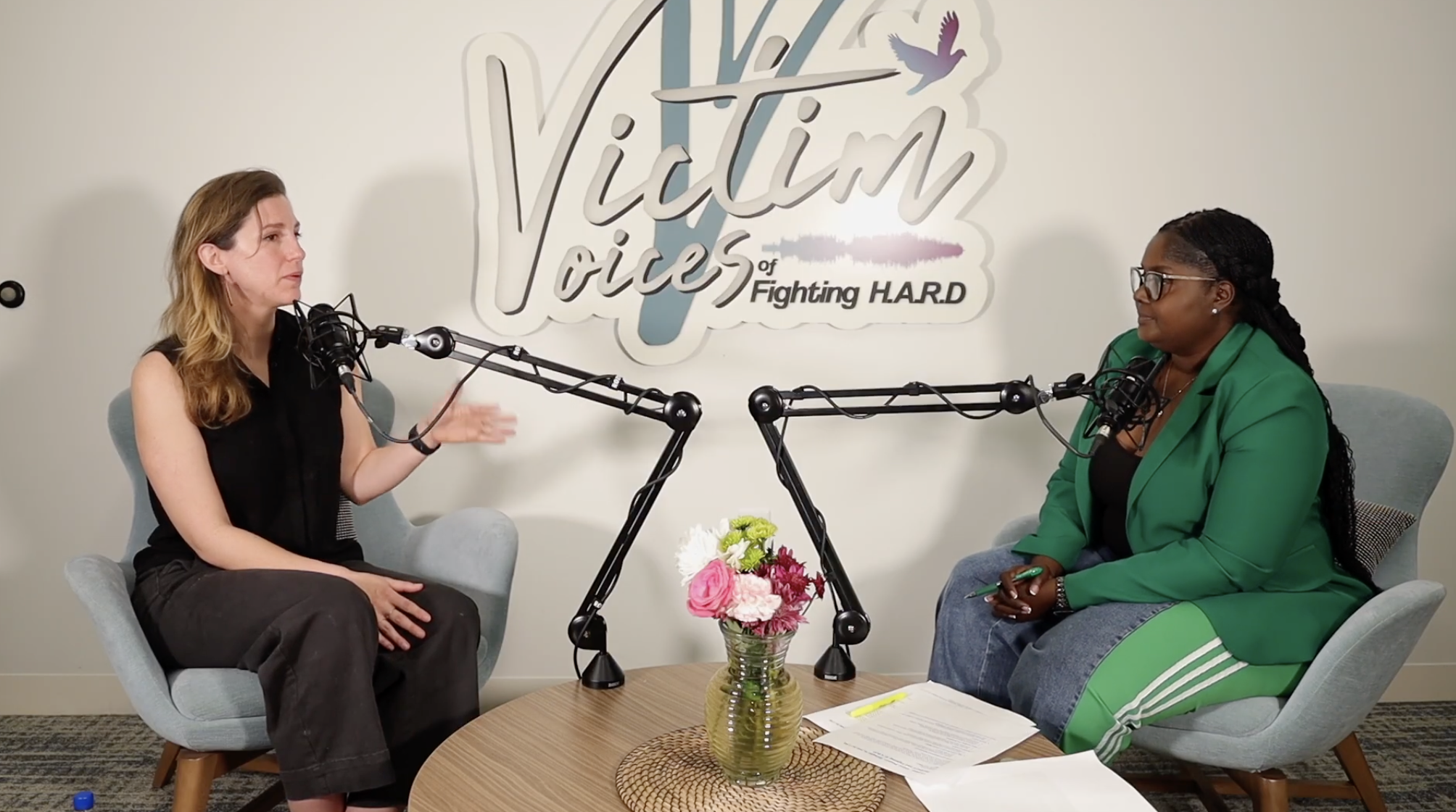
"In this week's Friday video, Streetsblog USA senior editor Kea Wilson sits down with Tiffanie Stanfield, who founded the non-profit organization Fighting H.A.R.D. (Hit and Run Driving) after a car driver murdered her sister, Jameca, in 2016. Wilson and Stanfield discuss the impact of hit-on-runs on underprivileged communities, the trauma of driving past the scene of a crash on a still-unsafe street, and much more. When Stanfield asks how Wilson might encourage people affected by hit-and-run drivers but still feel unheard, the Streetsblog editor emphasizes the political significance of telling victims' stories:"
"The voices of people who have had their lives rocked by these kinds of tragedies - those are the things that really move the needle."
Advocates promote dedicated, hardened infrastructure to shift people from cars to trains, bikes, and walking paths and to avoid dependence on individual driver goodwill. A rise in hit-and-run crashes complicates safety efforts because some harms cannot be resolved solely by infrastructure improvements. Victims of hit-and-runs experience deep trauma, including the pain of passing unsafe crash scenes, and these harms disproportionately affect underprivileged communities. Narrative-driven advocacy and sharing victims' stories can mobilize political support, amplify marginalized voices, and push for both accountability and systemic changes to reduce traffic violence.
Read at Streetsblog
Unable to calculate read time
Collection
[
|
...
]