#street-safety
#street-safety
[ follow ]
#protected-bike-lanes #daylighting #new-york-city #public-transit #bike-lanes #transportation-policy

New York City
fromStreetsblog New York City
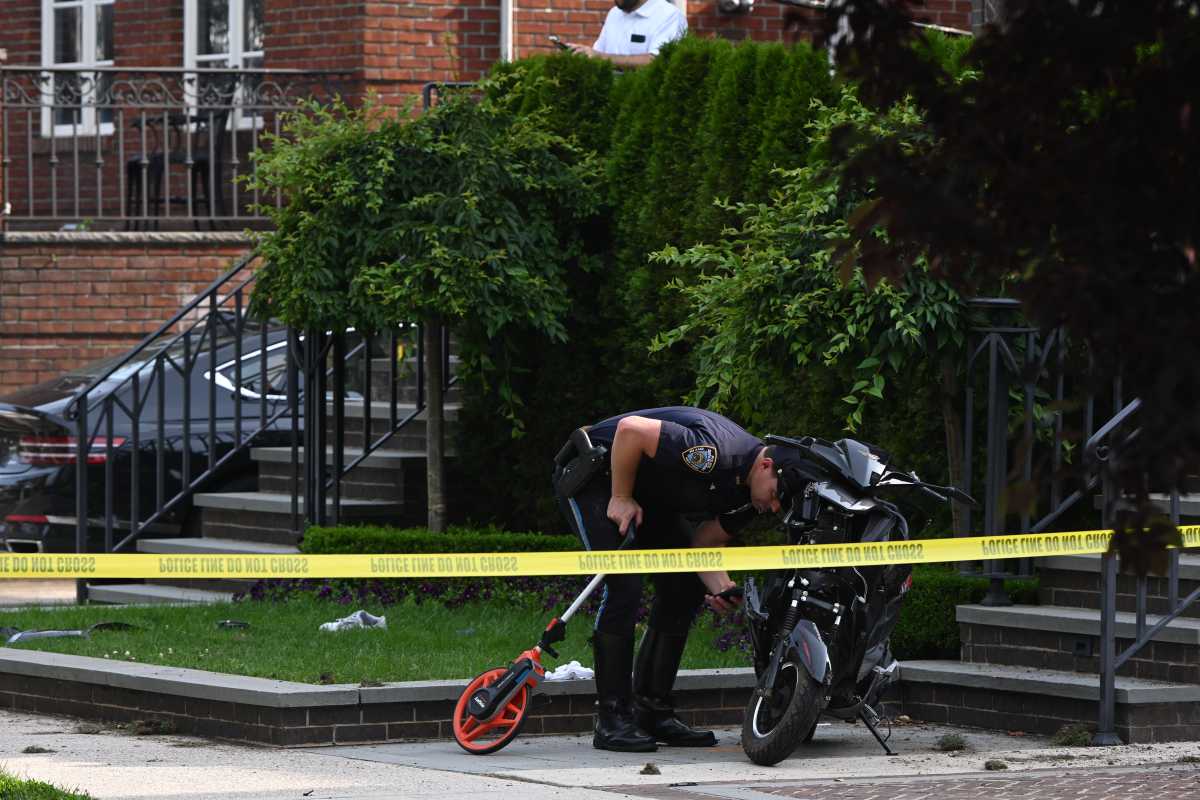
1 week agoMamdani's NYPD Gave Thousands of Criminal Bike Summonses Until Mayor Ended Adams-era Crackdown: Stats - Streetsblog New York City
Mayor Mamdani ended the NYPD's crackdown on cyclists and e-bike riders, reversing a policy that issued criminal summonses for low-level infractions.
San Francisco
fromStreetsblog
2 months agoOpen Letter: After a Week of Tragedies, Will You Go to the Mat for Safety, Mayor Lurie? - Streetsblog San Francisco
San Francisco experienced unprecedented traffic violence in one week, killing three people including a child, prompting calls for comprehensive street safety transformation beyond incremental infrastructure improvements.
#protected-bike-lanes

New York City
fromStreetsblog
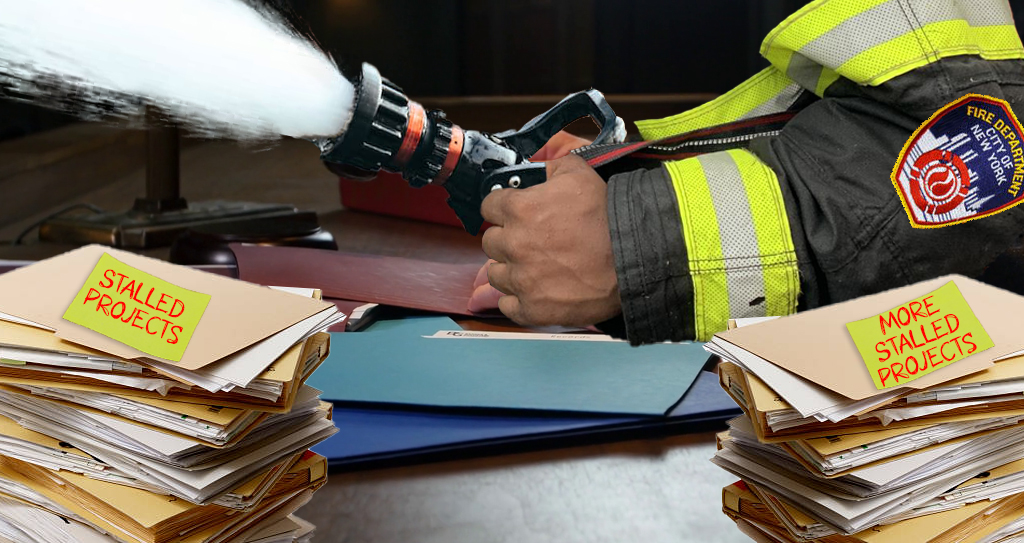
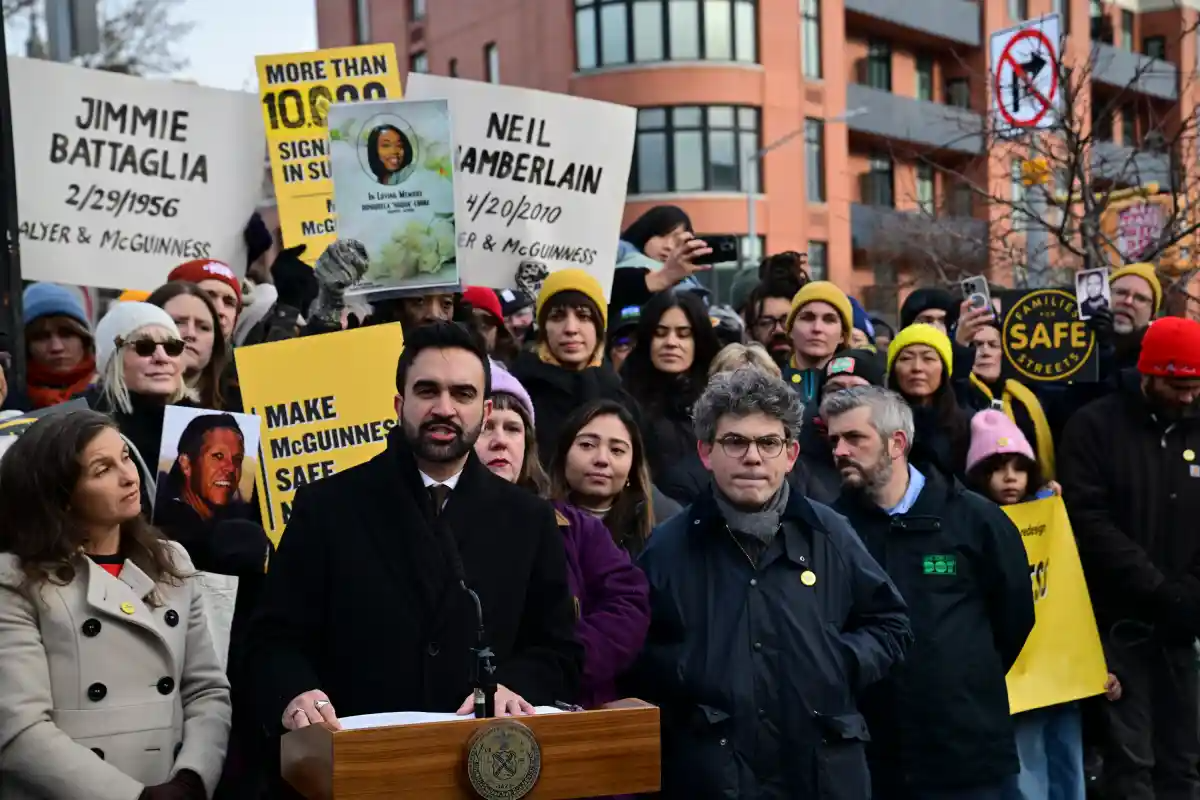
2 months agoLawmaker Pushes FDNY To Get On Board With Protected Bike Lanes - Streetsblog New York City
A Brooklyn council member demands the Fire Department accelerate reviews of protected bike lane projects to support the mayor's street safety agenda and prevent opposition from undermining cycling infrastructure.
fromStreetsblog
2 months agoMamdani's DOT Endorses Adams's 'Unacceptable' Opposition To Universal Daylighting, Stunning Abreu - Streetsblog New York City
The previous administration suggested unhardened daylighting is more dangerous than no daylighting at all? Is that correct? DOT Commissioner Mike Flynn, a Mamdani appointee, said it was. So is that your position? Yes, Flynn answered, but soft. So for the record, the administration believes that unhardened daylighting is more dangerous than no daylighting at all. I think there's a lot of skepticism in this room about that.
NYC politics
fromThe Oaklandside
2 months agoSex trafficking in Oakland: what's changing...on the podcast
Sex trafficking has been a problem in Oakland for decades, but new legislation, a new mobile clinic, and a growing chorus of young survivors are reshaping how the city responds. Public safety reporter Roselyn Romero breaks it all down. Plus: Oakland's oldest queer bar becomes a site of immigrant resistance, Mayor Lee's philanthropic fundraising strategy, a West Oakland street safety project, new food spots, and a tribute to Betty Reid Soskin.
California

fromHoodline
2 months agoEast New York Man Sentenced to 3-9 Years for Downtown Brooklyn Vehicular Homicide
This defendant made a series of reckless and deliberate decisions that had deadly consequences. By driving at high speeds and running red lights, he turned a Brooklyn intersection into a death trap.
New York City
fromStreetsblog
3 months agoStreetSmart Episode 12: The Promised AMA with SBCAL Editor Damien Newton - Streetsblog California
In a special Ask-Me-Anything episode of the StreetSmart podcast, Streetsblog California editor Damien Newton reflects on his first year leading the site while answering reader-submitted questions on politics, transportation policy, and advocacy. Newton opens by thanking listeners for helping the nonprofit newsroom reach its annual fundraising goal, then explains why, as head of a 501(c)(3), he cannot endorse candidates or say who he is voting for in upcoming elections.
California
fromStreetsblog
3 months agoThe Week In Short Videos - Streetsblog California
The embeds below are from TikTok, but if you're not a fan, here's all the links to find Streetsblog videos: And if you can't get enough Streetsblog videos, Streetsblog NYC has a TikTok ChannelThursday: and Streetfilms is archived on YouTubeBonus: . Since we only have two made-in-California videos this week, there's a bonus video from Streetsblog NYC from earlier this month at the end of the post.
New York City
fromStreetsblog
3 months agoMamdani Must Reverse Adams Putting Cars on Park Roads: Advocates - Streetsblog New York City
At the very moment the city is committing to safer, more ambitious street transformations on major corridors, allowing motor vehicles back onto streets within public parks moves in the opposite direction,
New York City
US politics
fromempire.streetsblog.org
3 months agoNot So Fast: Advocates Aren't Sold on Gov. Hochul's AV Push - Streetsblog Empire State
Governor Hochul proposed deploying commercial for-hire autonomous passenger vehicles outside New York City, provoking criticism from livable-streets advocates and some lawmakers.
New York City
fromStreetsblog
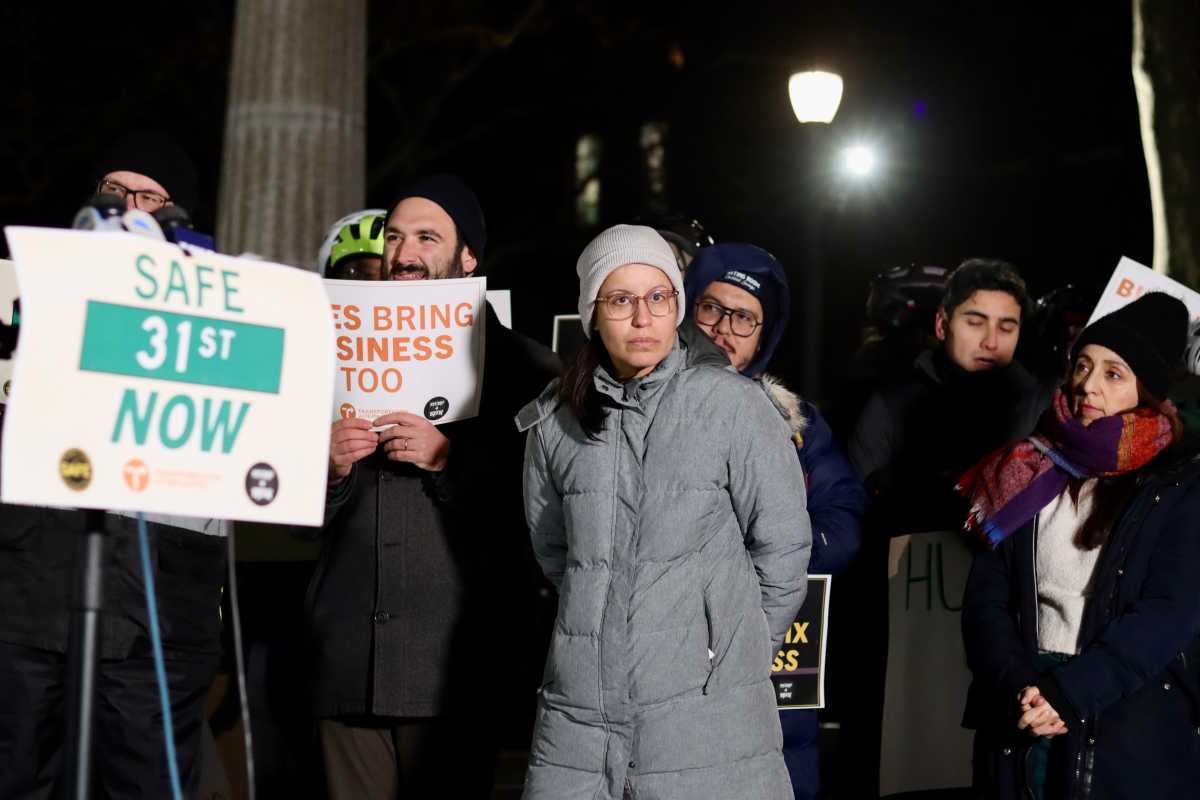
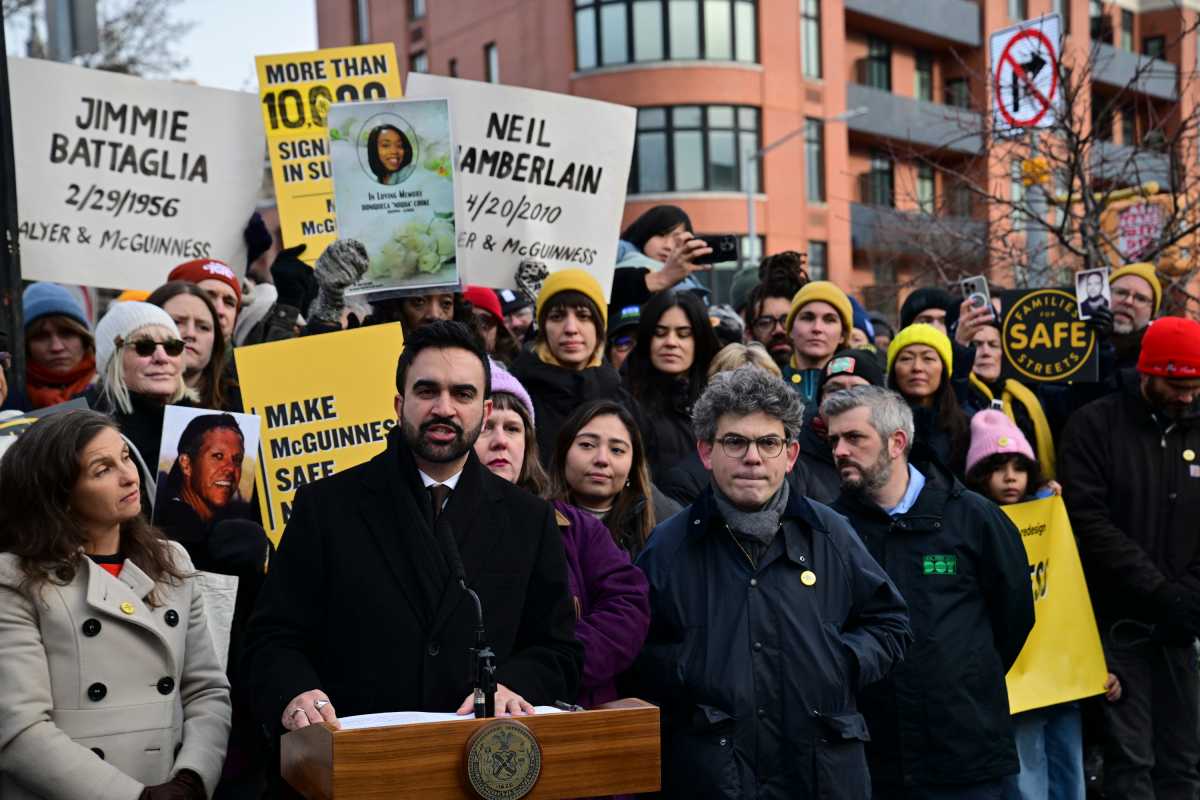
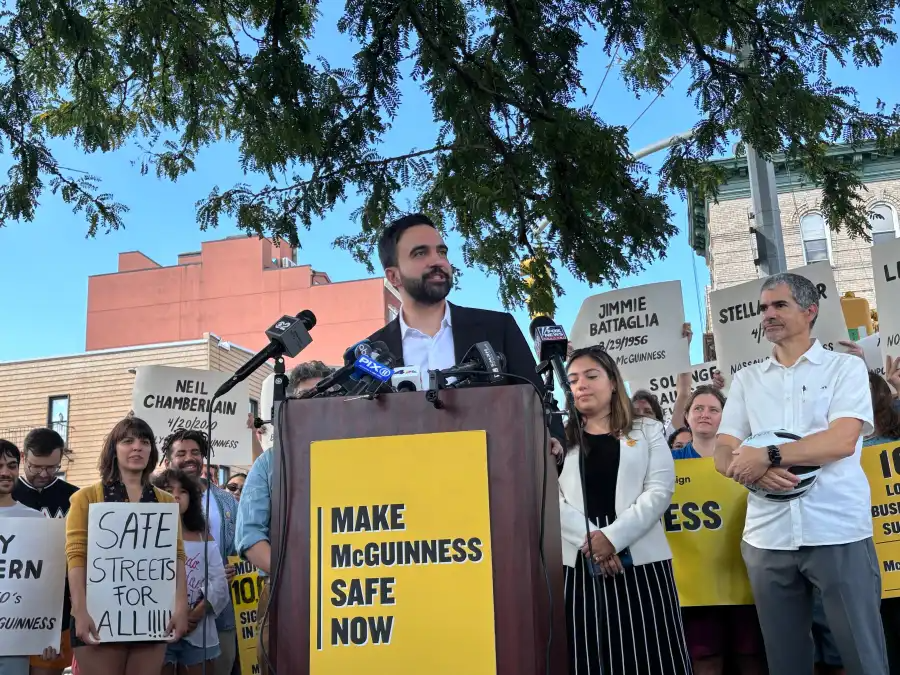
4 months agoTwo-Pronged Approach: City Will Appeal Judge's Block on Astoria Bike Lane But Also Address Her Concerns - Streetsblog New York City
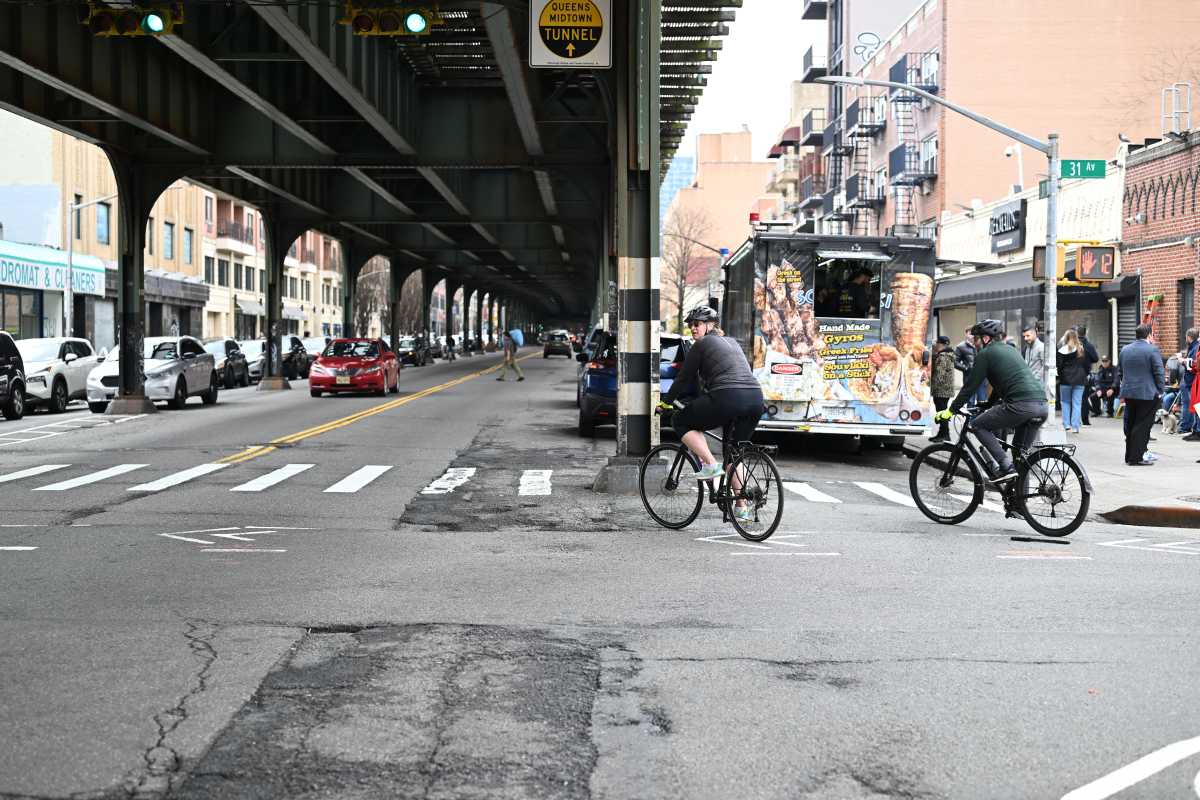
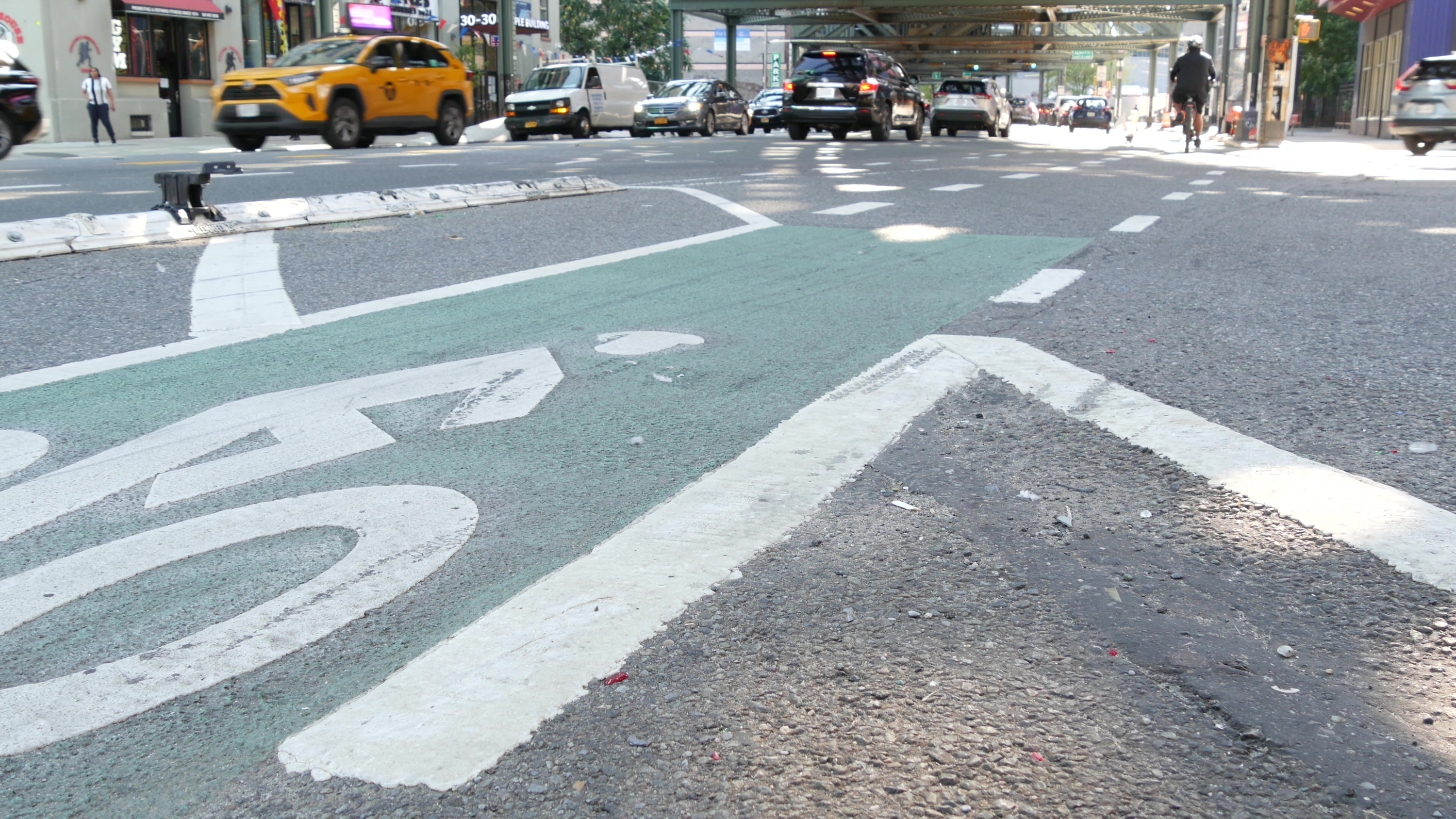
DOT will obtain required FDNY and agency certifications, complete the 31st Street protected bike lane this spring, and file a notice of appeal.
New York City
fromStreetsblog
4 months agoStreetsies 2025: Awards To Mark A Disappointing Year on the Streets Beat - Streetsblog New York City
Streetsblog seeks donations to sustain reporting that advances safer, more livable, walkable, bikeable, equitable streets amid contentious transportation politics.
SF politics
fromStreetsblog
4 months agoOpen Letter: Mayor Lurie, Here are Six Suggested Projects to go with your Safety Directive - Streetsblog San Francisco
Allow full-sized bicycles on Muni trains immediately—especially Market Street, Twin Peaks, and T-Third—to improve safety, transit synergy, and accessibility at minimal or no cost.


fromStreetsblog
5 months agoOPINION: I'm Sick Of Unsafe 31st Street And The Judge Who Killed Our Shot at Fixing It - Streetsblog New York City
The redesign proposed by the Department of Transportation would have alleviated conditions that led to a galling 178 injuries between 2020-2024, making the street in the top 10 percent of most dangerous in the area. The plan provided for daylighting corners - a treatment that increases visibility in the crosswalk - as well as painted pedestrian islands (I would have preferred cement, but anything is better than what we have now). Travel lanes would have been narrowed, which is an effective way to lower speeds.
New York City
fromwww.amny.com
5 months agoRunning out of daylight: Advocates fume over Speaker Adams not holding vote on universal daylighting' street safety bill before year's end
Outgoing City Council Speaker Adrienne Adams will not bring a measure to implement universal daylighting, which would eliminate parking near intersections to make them safer, to a vote before the end of the body's current session. Her decision drew a sharp rebuke from safe streets advocates on Thursday who say the bill's passage is essential toward increasing street safety for pedestrians and drivers alike.
New York City
fromStreetsblog
5 months agoFriday's Headlines: Visionary NYC Edition - Streetsblog New York City
Yes, even as New York City under Mayor Adams has failed to live up to its own goals of zero traffic deaths and more miles of protected bike lanes, it stands out as the only one of 27 cities in the U.S. that saw traffic fatalities drop after officials made Vision Zero commitments to bring road carnage down to zero, according to the Post's analysis.
Public health
fromwww.amny.com
5 months agoDOT unveils newly constructed Audubon Plaza pedestrian paradise in Washington Heights
The plaza includes tables and chairs, bike corrals, and space for community members to host local events. This new permanent plaza reimagines nearly 11,000 square feet of roadway, creating a new community hub. It gives neighbors a place to rest, gather, connect, and celebrate their cultures, outgoing DOT Commissioner Ydanis Rodriguez said during a Dec. 4 news conference. This plaza is proof of what happens when a city invests in people, in safety, in cultural space, he added.
New York City
fromStreetsblog
5 months agoOPINION: How to Fix the City's Slothful Agencies - Streetsblog New York City
Every day, New Yorkers confront the failure of our government to adapt to decades of accumulated change - and nowhere is that failure clearer than on the city's streets and sidewalks. The perpetual question is: Why does everything take so long? Busways, bus lanes, bike lanes, open streets, pedestrian plazas, day-lit intersections, red light cameras, speed cameras, outdoor dining sheds - why do all of these policies take far longer to implement than anyone ever anticipates?
Public health
New York Knicks
fromStreetsblog
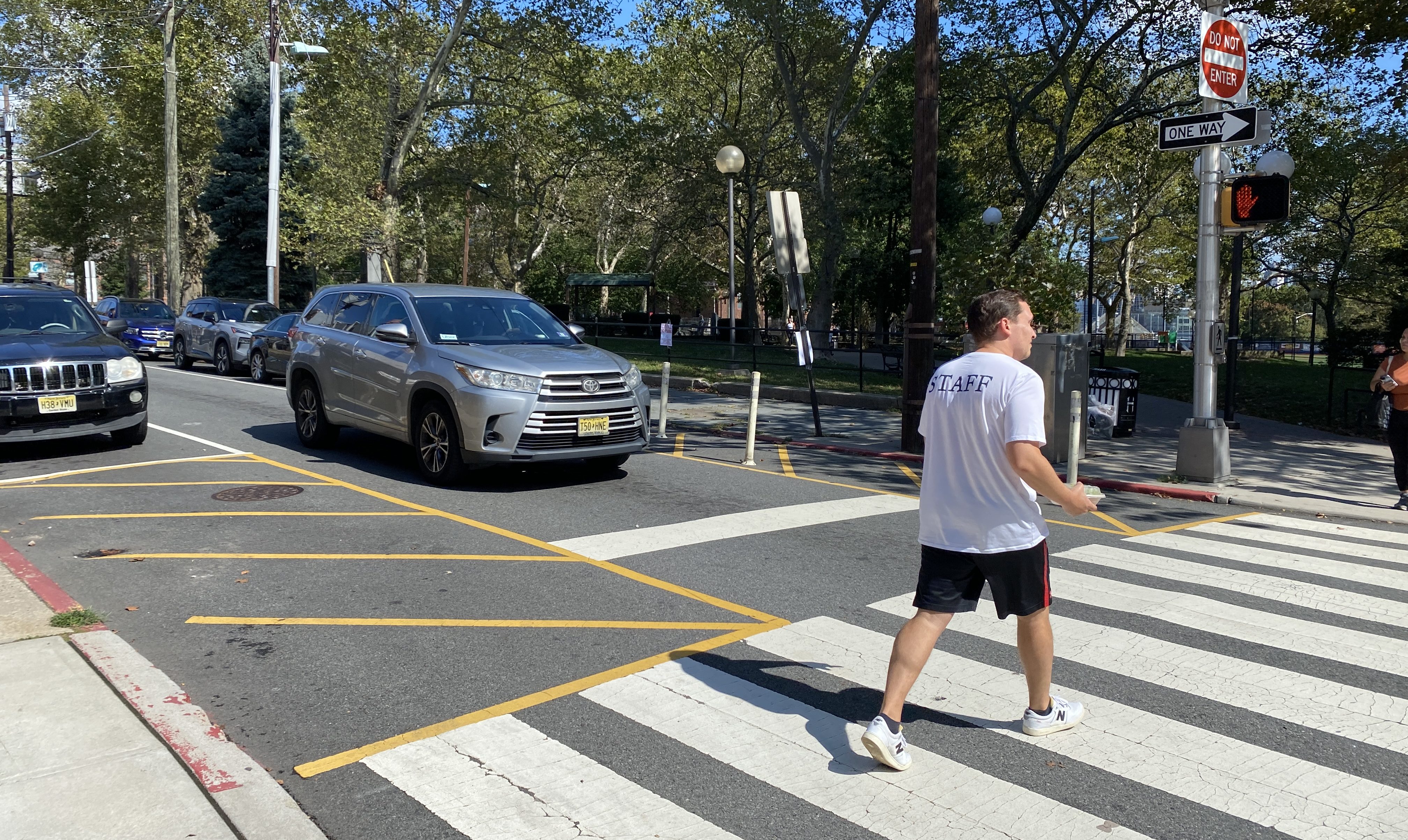
5 months agoStreet Safety Foe Paladino Joins the War on Cars After Queens Hot Wheels Mob Turns Violent - Streetsblog New York City
A mob of drivers carried out dangerous stunts in Malba; speed bumps were proposed but would likely not prevent organized thrill-driving and related violence.



fromStreetsblog
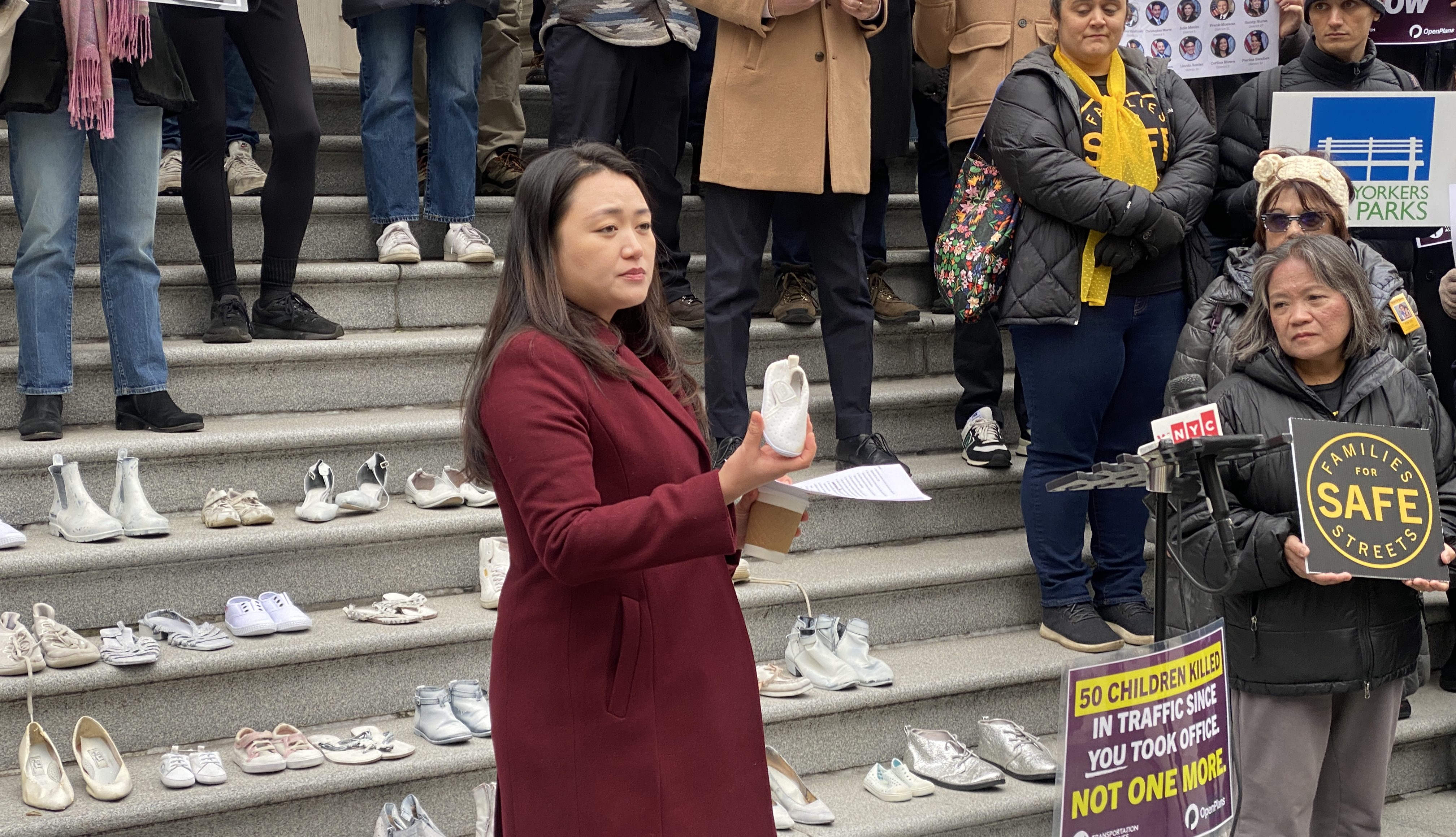
5 months agoFriday's Headlines: Chi-Town Edition - Streetsblog New York City
They love congestion pricing - and they're beefing over the Svengali of Gov. Kathy Hochul's congestion pricing "pause." Mayor-elect Zohran Mamdani and Brooklyn Council Member Chi Ossé turned their friendship into a defining image of Mamdani's mayoral campaign. The duo gained the support of street safety advocates across the city, given their support of congestion pricing, bike lanes, and other improvements. But the two politicians are on the outs after Mamdani discouraged Ossé from primarying House Minority Leader Hakeem Jeffries, who persuaded Hochul to indefinitely delay the long-awaited implementation of congestion pricing last year.
New York Giants
New York City
fromStreetsblog
6 months agoCycle of Rage: Honeymoons Don't Need to End, Mr. Mayor-Elect - Streetsblog New York City
Zohran Mamdani's mayoral victory empowers implementation of urbanist transportation reforms prioritizing buses, bike lanes, congestion pricing, and street safety starting Jan. 1.
New York City
fromStreetsblog
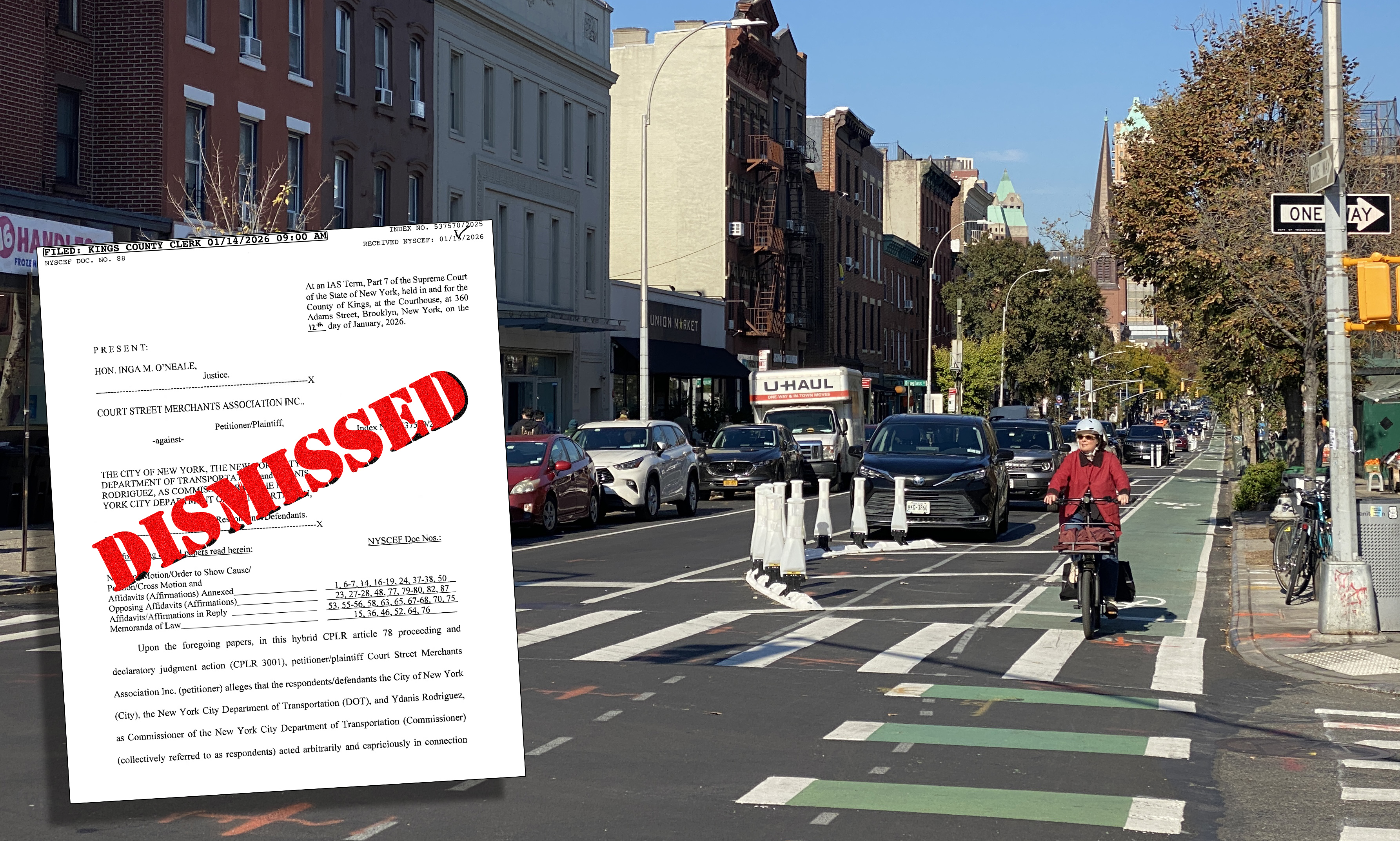
6 months agoObstruction Dysfunction: Businesses Sue Over Court St. Bike Lane With Usual Fearmongering - Streetsblog New York City
Merchants sued to stop a Court Street parking-protected bike lane, claiming economic harm and reduced safety, while DOT cites reduced injuries and business gains.
fromStreetsblog
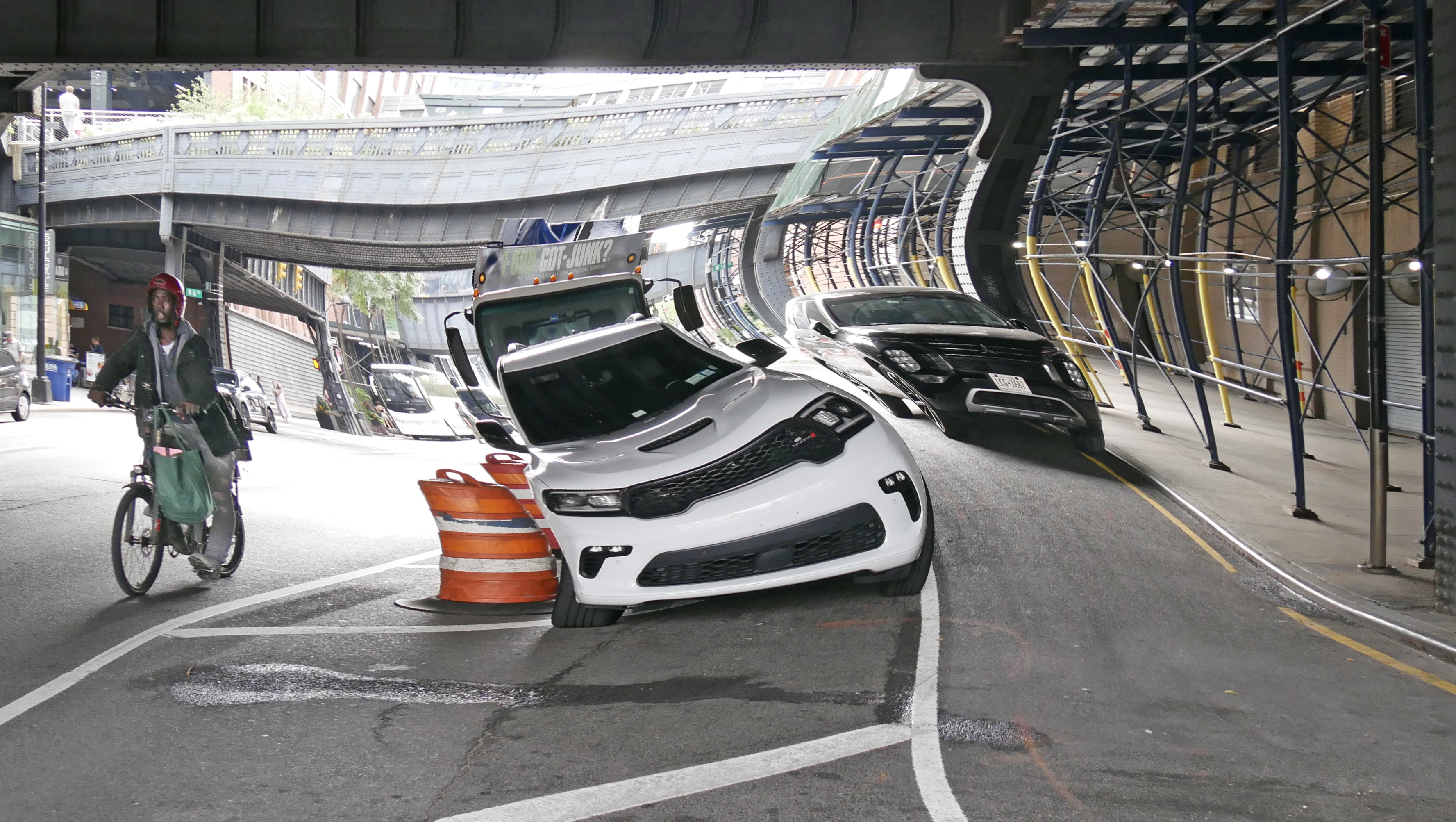
6 months agoUnfinished Astoria Bike Lane Languishes As Judge Delays Lawsuit Ruling - Streetsblog New York City
As a result, the roadway is a confusing mess featuring a protected bike lane on one side of 31st Street between Broadway and 30th Avenue that isn't technically in effect. As a result drivers mostly leave the future bike lane clear on the east side of the street between Broadway and 31st Avenue, but have turned the block between 31st and 30th avenues into a default double-parking lane: Drivers are parking along the curb and in the offset parking lane DOT painted over the summer.
New York City
New York Islanders
fromStreetsblog
6 months agoDecision 2025: Ben Chou Hopes to Unseat Vickie Paladino on Street Safety - Streetsblog New York City
Ben Chou, a firefighter in northeast Queens, campaigns for protected bike lanes, the Queens Waterfront Greenway, and pedestrian safety against Republican Vickie Paladino.
US politics
fromBoston.com
6 months agoBoston City Council District 5 race: Enrique Pepen and Winston Pierre
District 5 faces severe affordable-housing shortages, chronic underinvestment, and street-safety concerns; City Council should preserve housing, secure equitable funding, and improve infrastructure.
fromStreetsblog
6 months agoEyes on the Street: Poles Finally Getting Removed from Fruitvale Bike Lanes - Streetsblog San Francisco
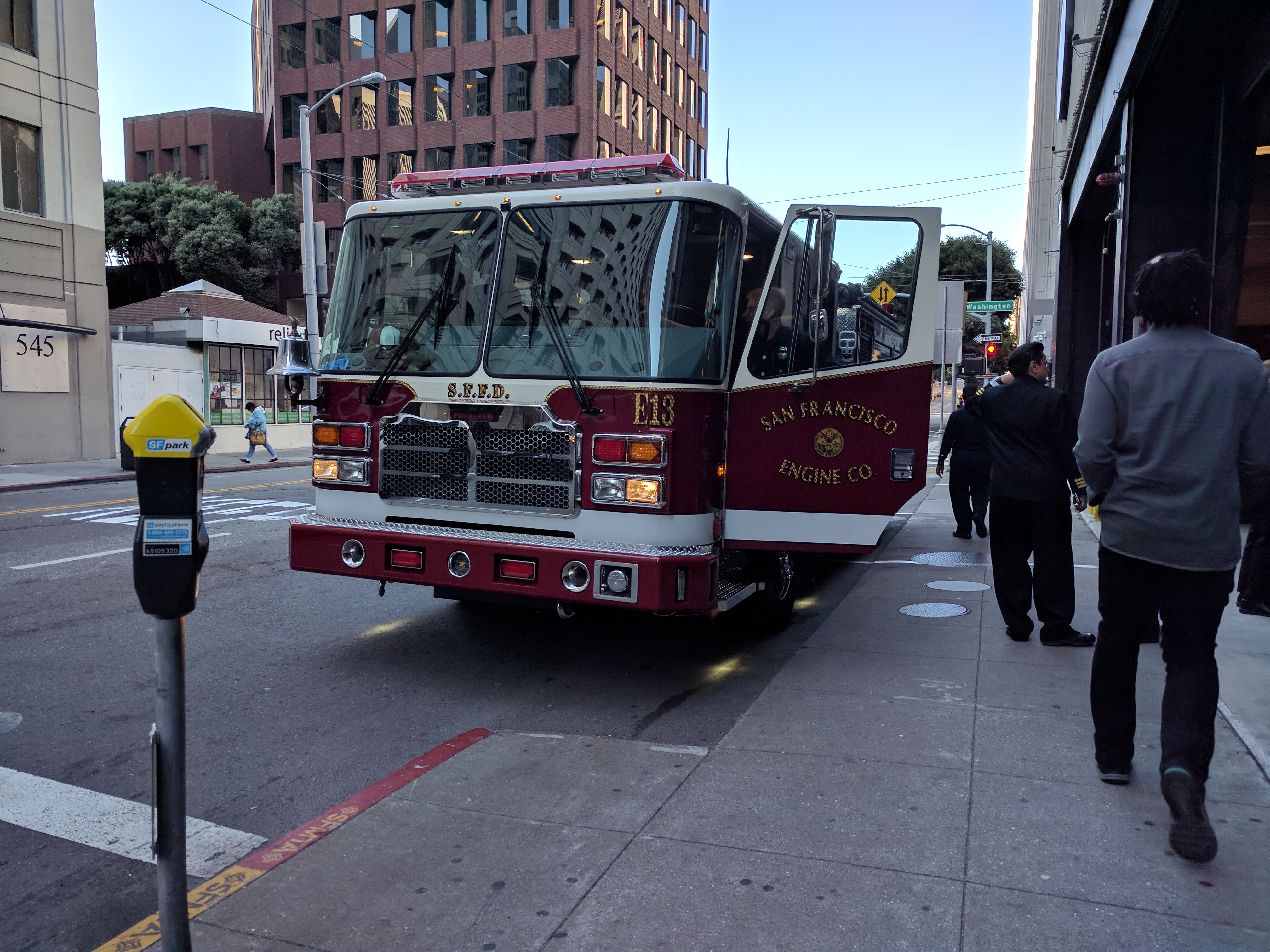
Work is finally underway to remove telephone poles from the center of the sidewalk-level bike lane on Fruitvale Avenue, which runs from the Fruitvale BART station to Jingletown and the estuary. "The work should be done on Monday," said a uniformed AT&T worker at the intersection of Fruitvale and San Leandro. That means cutting down the old pole and filling the hole it leaves behind. As seen in the lead image, the new pole is already installed and the wires have been moved over.
East Bay real estate


US politics
fromStreetsblog
7 months agoOpinion: Jim McGreevey Plots Comeback, But NJ Voters Have Better Options - Streetsblog New York City
Jersey City's street safety crisis demands candidates embrace pedestrian-, cyclist-, and transit-friendly policies while some political figures avoid addressing traffic violence.
New York City
fromStreetsblog
8 months agoWest Side Community Board Fails to Back Safety Over Parking - Streetsblog New York City
Community Board 7 removed language prioritizing safety 'over the storage of private vehicles,' thereby weakening a resolution urging DOT to prioritize curb safety over parking.
fromwww.amny.com
8 months agoOp-Ed | Want to solve the e-bike problem? Stop selling fast ones. | amNewYork
They understand that predatory delivery apps demand routes and times that are impossible without battery power, but also want to be able to cross the street without worrying for their safety. That's why I'm introducing a bill alongside nearly one-third of my fellow City Council members from both sides of the aisle that will defend pedestrians, protect delivery workers, and demand safety on our streets: the Ride Safe, Ride Right Act.
New York City

fromStreetsblog
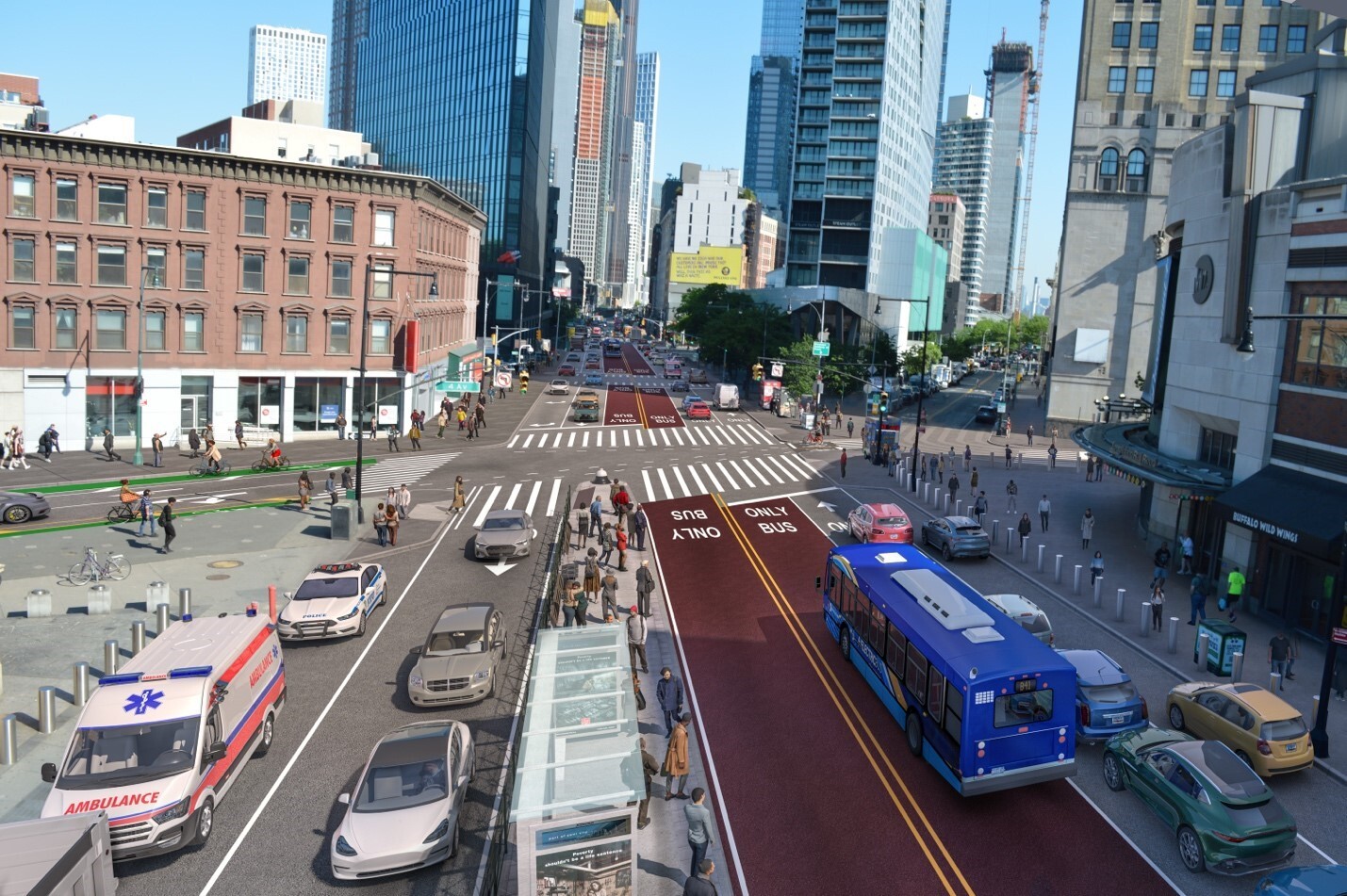
8 months agoStudy: Boring Roads End Up With More Injuries For People Outside Cars - Streetsblog USA
Streets that road users find boring and depressing are more likely to be the site of higher volumes of non-motorist car injuries than ones they rate as beautiful, a new study finds - and to be proactive about saving lives, transportation leaders might be wise to consider how their residents feel on their streets, in addition to how often they get hurt.
Public health
[ Load more ]