#transportation-policy
#transportation-policy
[ follow ]
#congestion-pricing #public-transit #new-york-city #autonomous-vehicles #urban-planning #federal-court-ruling
#autonomous-vehicles



NYC politics
fromStreetsblog New York City
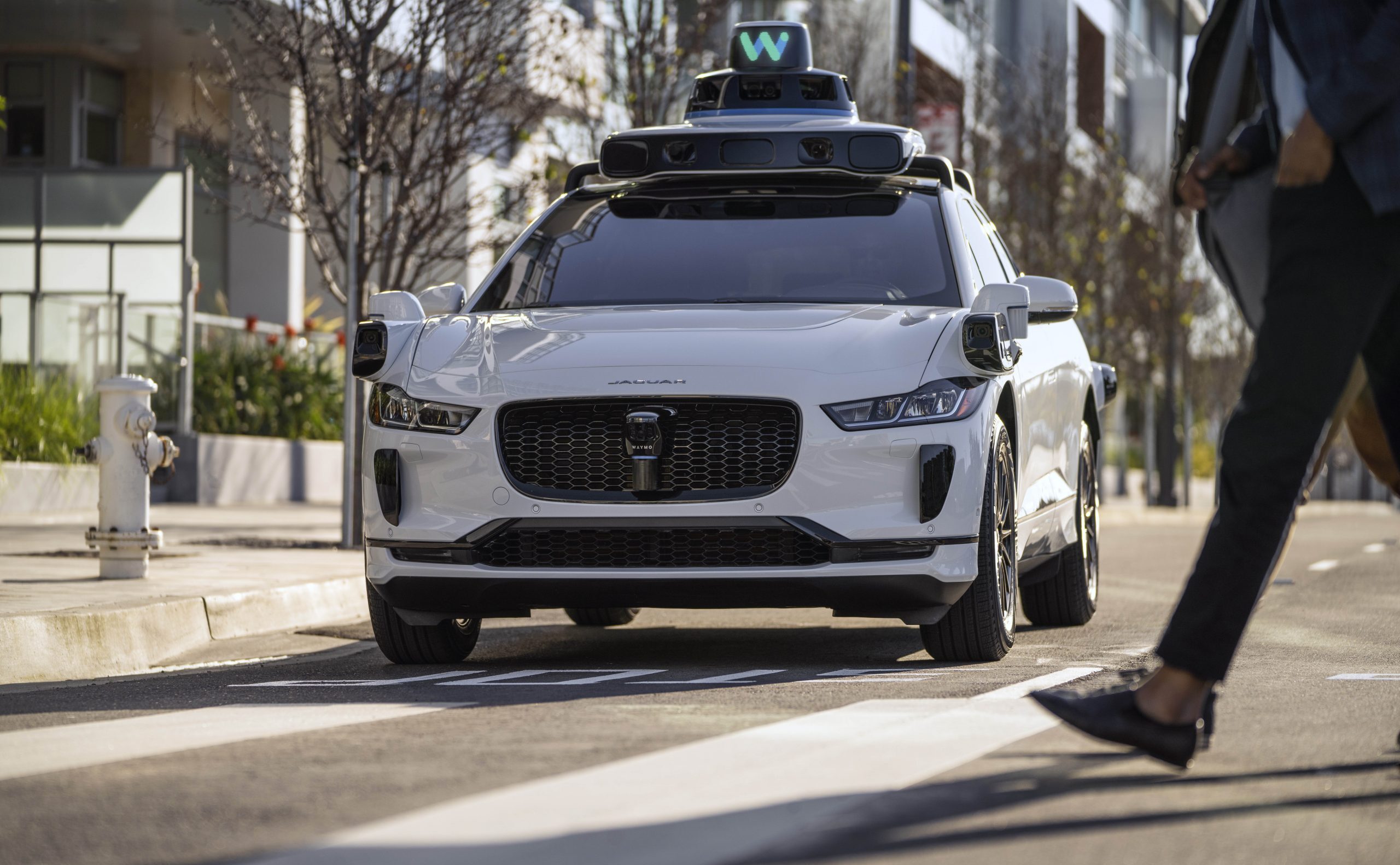
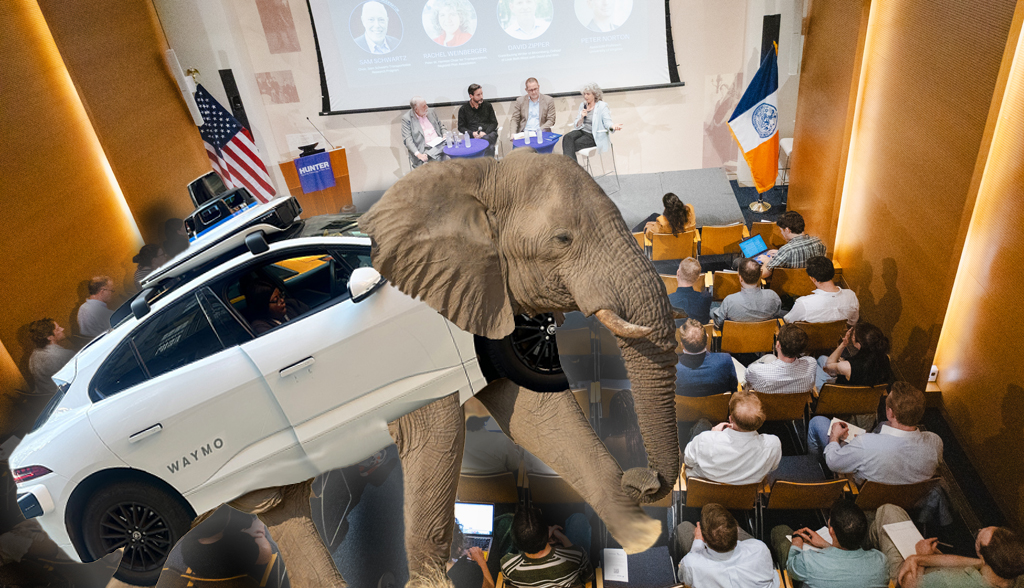
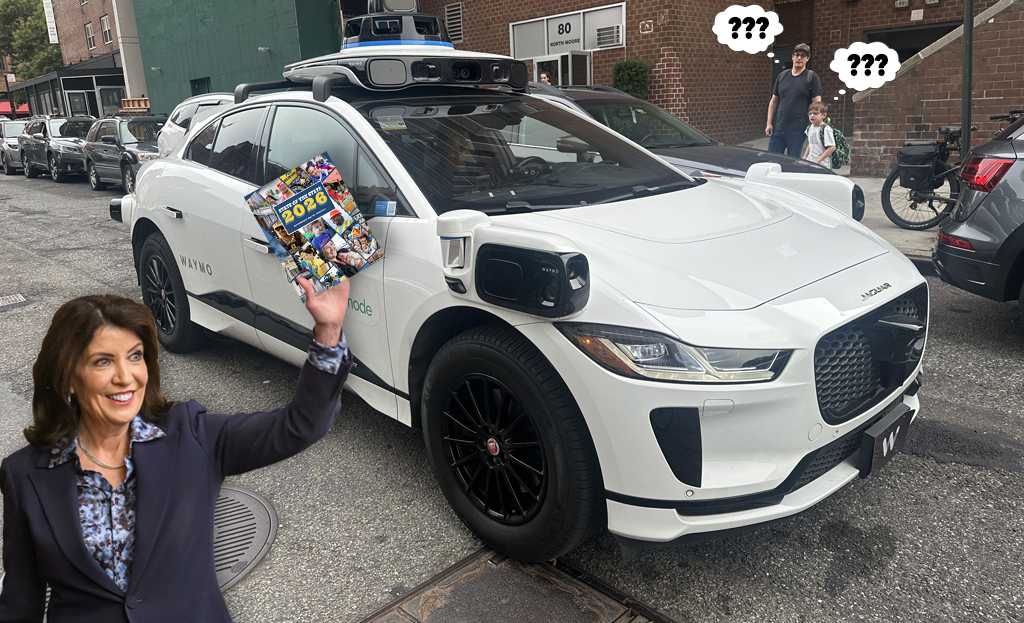
3 weeks ago'A Solution, But To What Problem?' Experts Say AVs Are The Elephant In The Room, But There's Still Time To Figure Out Their Role - Streetsblog New York City
Autonomous vehicles require a comprehensive discussion on benefits, risks, and regulations to ensure a balanced approach to their integration into society.
World news
fromFortune
1 day agoIndia brings back COVID-era work-from-home rules and asks farmers to halve fertilizer use as the Iran war chokes its oil lifeline | Fortune
Work from home, use public transport or carpool, limit travel and spending, and reduce fertilizer use to conserve oil and foreign currency amid Strait of Hormuz disruptions.
Media industry
fromwww.mediaite.com
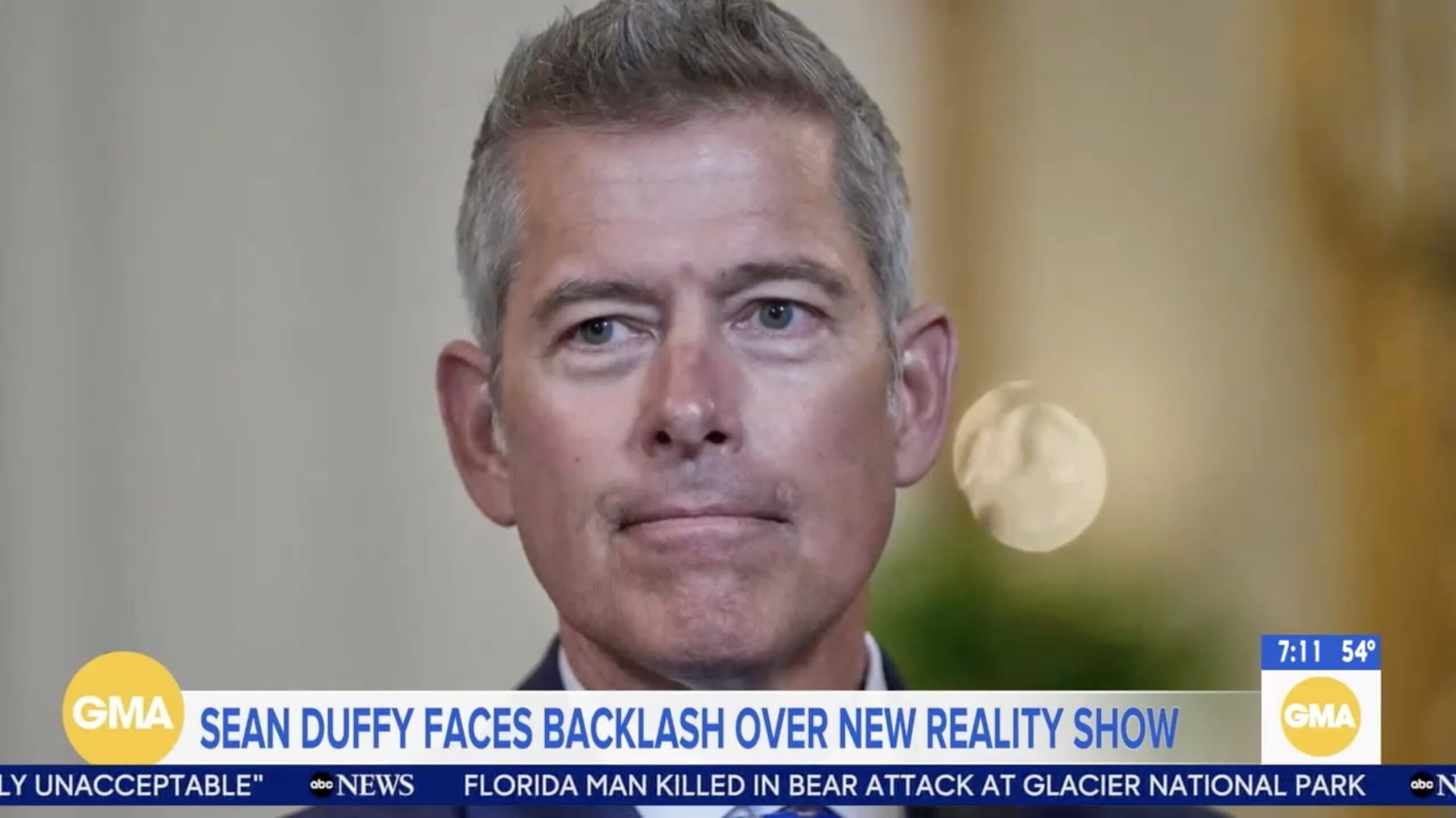
1 day agoAbby Phillip Hits Scott Jennings With His Own Words in Brawl Over Trump Travel Chief: OK to Acknowledge When You're Wrong'
Conservative criticism of Pete Buttigieg’s paternity leave was used to challenge Sean Duffy’s reality-show filming amid public affordability pressures.
fromIntelligencer
5 days agoSean Duffy Filmed Road Trip for 7 Months, Worked Occasionally
“Over the course of seven months we just kind of found these moments where I might be able to do some work, I could take the kids with me, do a road trip,” he explained. Apparently, Duffy's boss was totally cool with him doing “some work” while frequently driving around the country with his family and a full film crew. President Trump even gives the family a send-off at the start of the show.
SF parents
SF politics
fromStreetsblog California
5 days agoGas Taxes and High-Speed Rail, What We Can Learn from the Candidates' Debate - Streetsblog California
Candidates offered competing plans on gas prices, including suspending the gas tax or environmental rules, while high-speed rail received direct attention.
New York City
fromStreetsblog New York City
1 week agoMamdani's NYPD Gave Thousands of Criminal Bike Summonses Until Mayor Ended Adams-era Crackdown: Stats - Streetsblog New York City
Mayor Mamdani ended the NYPD's crackdown on cyclists and e-bike riders, reversing a policy that issued criminal summonses for low-level infractions.
#congestion-pricing




Alternative transportation
fromwww.amny.com
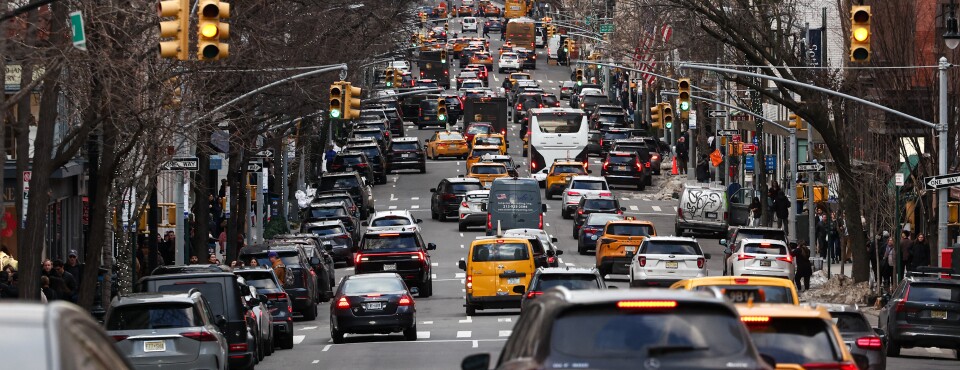
1 week agoCongestion pricing: Trump admin appeals federal judge's ruling halting its efforts to end Manhattan toll program | amNewYork
USDOT appeals a court decision favoring MTA regarding congestion pricing, which aims to reduce congestion and fund transit improvements.
NYC politics
fromNews 12 - Default
2 months agoNew York's congestion toll into Manhattan upheld by a federal judge over Trump's objections
A federal judge blocked the Trump administration's attempt to halt New York's $9 congestion toll, ruling the Department of Transportation lacked authority to rescind the previously approved fee.
NYC politics
fromAP News
2 months agoNew York's congestion toll into Manhattan upheld by a federal judge over Trump's objections
A federal judge blocked the Trump administration's attempt to halt New York's $9 congestion toll, ruling the Department of Transportation lacked authority to rescind the fee that reduces traffic and funds transit.
#public-transit

fromStreetsblog
2 months agoNYC politics
Claire Valdez: In Congress, I Will Fight For Transit and Bike Lanes - Streetsblog New York City
Federal transportation policy prioritizes highways over public transit, harming working-class New Yorkers who depend on transit, walking, and biking while enriching auto industry interests.

fromwww.cbc.ca
2 weeks agoOntario is one step closer to taking over Toronto's island airport with new bill | CBC News
The bill allows the province to assume the City of Toronto's spot in a tripartite agreement that governs the land, an agreement that is currently between the city, the federal government and the Toronto Port Authority.
Canada news

Mission District
fromMission Local
1 month agoDistrict 4 Candidates on easier and safer biking in the Sunset
District 4 lacks adequate bike infrastructure with few painted lanes and no north-south protected bike lanes, creating safety hazards for cyclists amid double-parked cars and shared motor traffic.
California
fromStreetsblog
1 month agoStreetSmart 15: Homes Before Highways - Streetsblog California
Over 800 homes demolished in six years for highway projects in California, revealing how transportation investments reduce housing supply and destabilize communities while remaining overlooked in housing policy debates.
fromwww.cbc.ca
1 month agoNot carpooling? You may soon be able to use HOV lanes anyway in off-peak hours | CBC News
Gridlock is costing our economy billions of dollars every year and robbing Ontario drivers of valuable time and quality of life. He added the changes would help keep drivers moving across the province.
Canada news
Alternative transportation
fromEco-Business
1 month agoLaos slashes EV fees, hikes petrol car charges to curb fuel use
Laos implements emergency measures including 30% fee cuts for electric vehicles and fee increases for fuel cars to address severe energy shortages caused by global fuel supply disruptions.
NYC politics
fromStreetsblog
1 month agoMonday's Headlines: Beware of 'Fraud' Fraud Edition - Streetsblog New York City
Governor Hochul's push to lower car insurance rates by blaming fraud and staged crashes lacks factual support, as fraud claims are unverified industry reports rarely resulting in convictions, while alleged staged crashes represent a tiny fraction of New York's 400,000 annual crashes.
Brooklyn
fromNew York Post
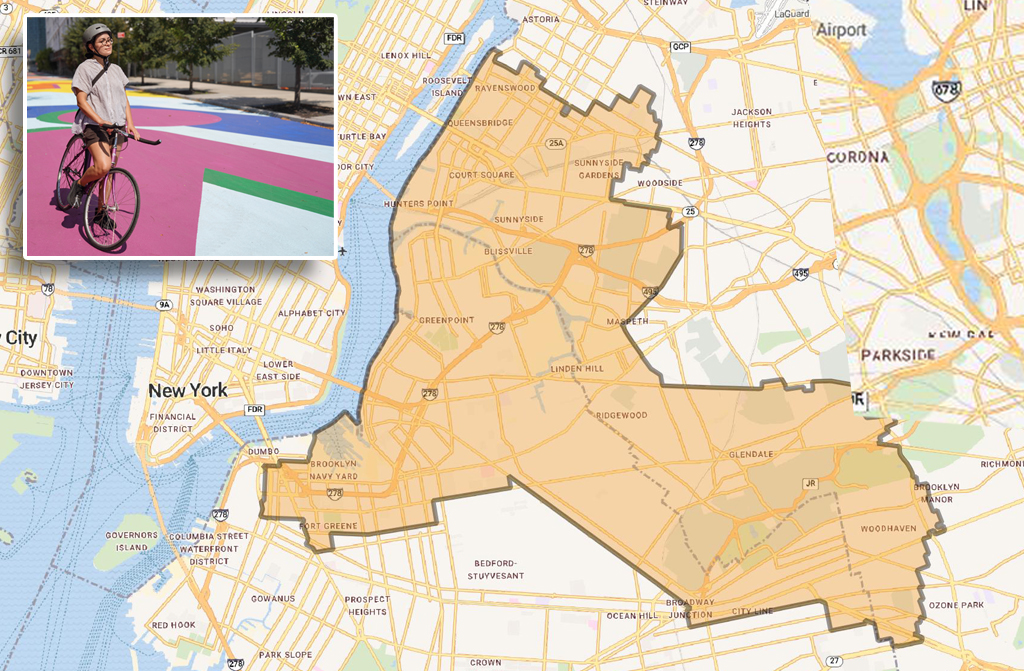
1 month agoExclusive | Car-hating NYC pol wants 5 million square feet of new 'pedestrian space' - critics fear 'more gridlock'
A Brooklyn councilman proposes creating 1 million square feet of annual pedestrian space over five years, requiring the city to prioritize car-free zones near transit hubs without estimating parking and lane losses.
fromMission Local
2 months agoSunset Dunes supporters face a District 4 election with no clear candidate
A lot of them seemed focused on getting back to what they had, rather than working with the reality we have right now. The minority that voted for the park is a big and motivated voting bloc, and it feels like all the candidates are just very casually ignoring that.
SF politics
NYC politics
fromStreetsblog
2 months agoWednesday's Headlines: One House Many Smiles Edition - Streetsblog New York City
Albany legislators rejected Governor Hochul's proposal to reduce car insurance payments by cutting victim compensation, signaling resistance to policies prioritizing driving affordability over crash victim protection.
fromLos Angeles Times
2 months agoHailing rides to and from LAX could get more expensive under new proposal
On Tuesday morning, Los Angeles World Airports board members are expected to vote on whether to increase the access fees for private transportation companies that ferry travelers to and from Los Angeles International Airport, which includes ride app companies such as Uber and Lyft, along with taxi and limousine companies. The thinking, according to airport officials, is to encourage riders to use the yet-to-open Automated People Mover, also known as Skylink, and to reduce vehicle traffic around the terminals.
Los Angeles
US news
fromwww.amny.com
2 months agoAdvocates urge state to nix Cross Bronx Expressway expansion plan ahead of crucial deadline | amNewYork
Advocates urge Governor Hochul to halt the $900 million Five Bridges Project that would widen the Cross Bronx Expressway, citing increased pollution and congestion risks to South Bronx communities.
fromStreetsblog
2 months agoFriday Video: How Boomers Broke the Auto Market - Streetsblog USA
The political and cultural reasons why U.S. residents keep buying the most ugly, inefficient, and dangerous vehicles on the market - or more accurately, why automakers refuse to sell almost anything else.
Cars
Alternative transportation
fromGothamist
2 months agoNJ Gov. Sherrill wins praise for killing plan to expand roadways headed to Holland Tunnel
Governor Sherrill approved a $6.7 billion Newark Bay Bridge replacement project while rejecting plans to widen highway infrastructure and increase lane capacity.
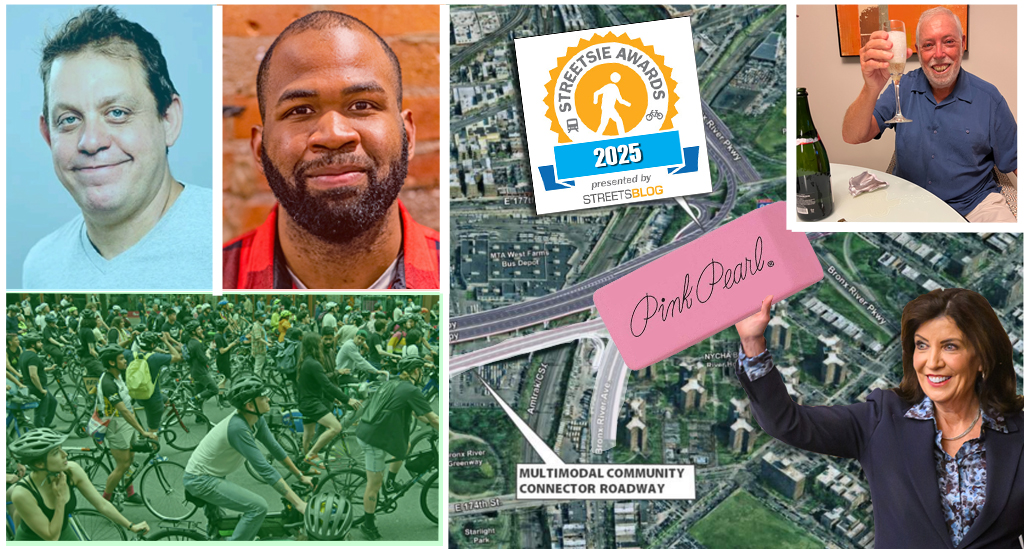
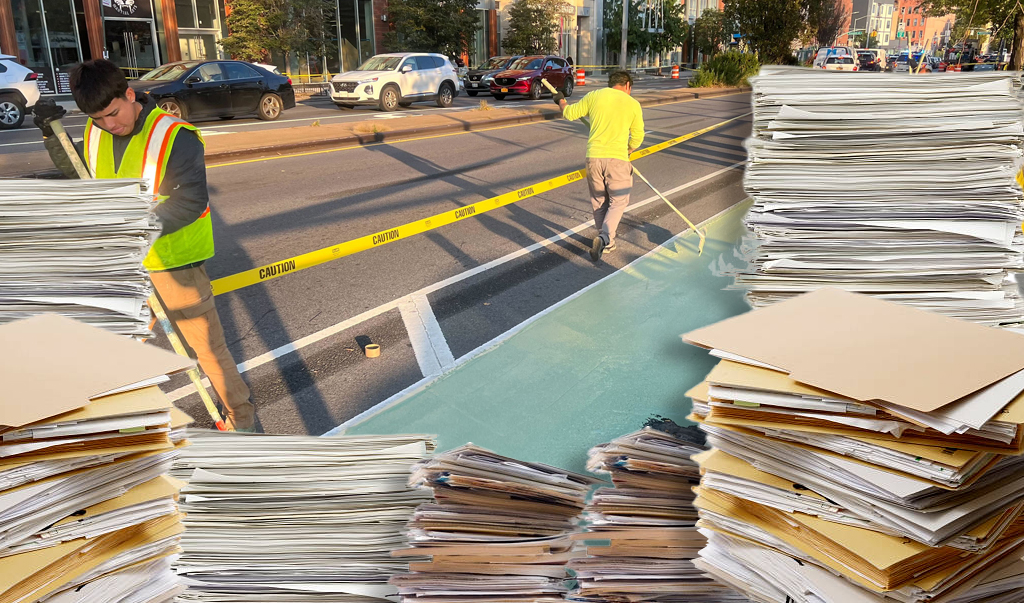
#streets-master-plan

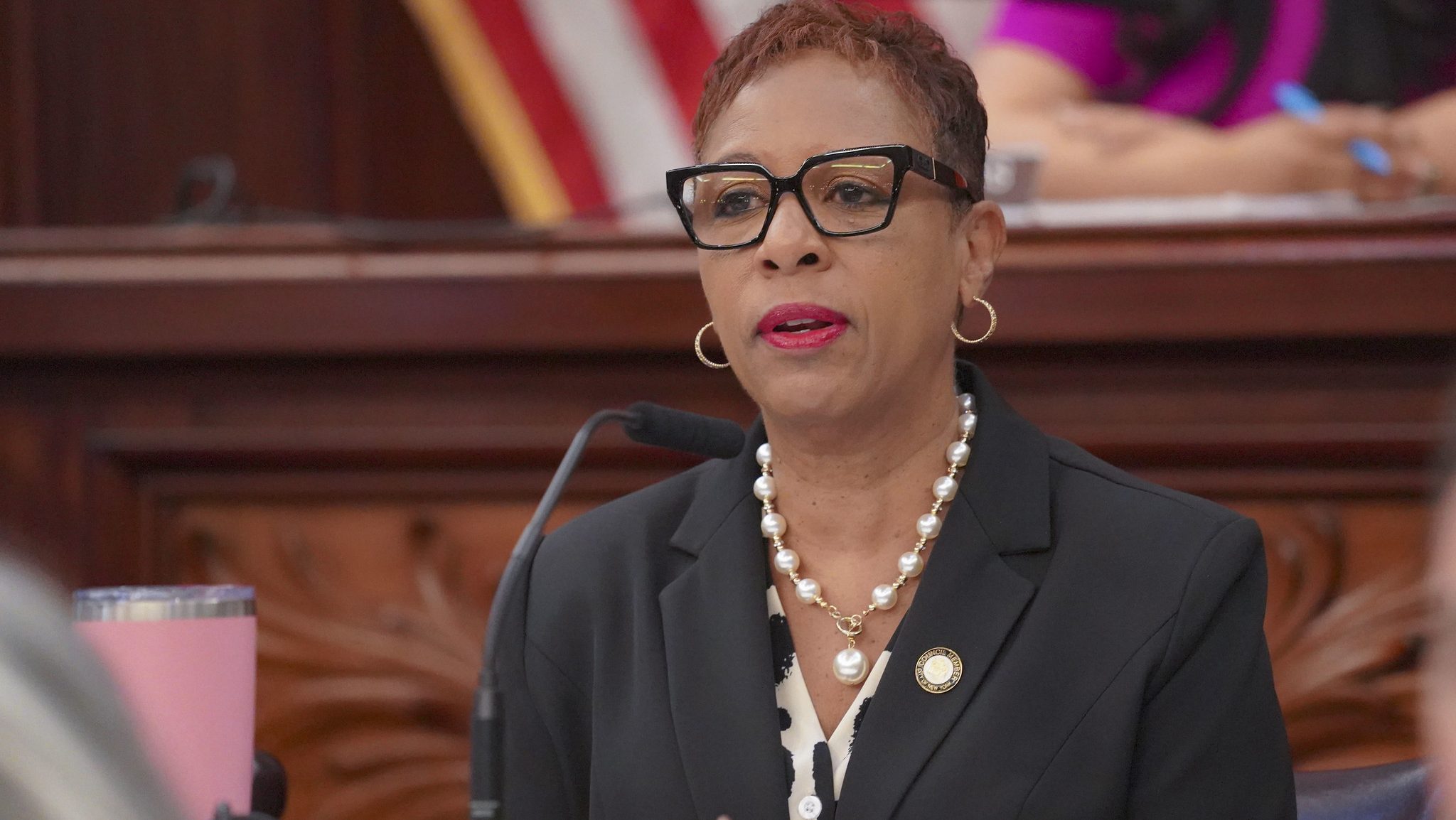
NYC politics
fromStreetsblog
2 months agoToday's Headlines: Super Bowl Tuesday Edition - Streetsblog New York City
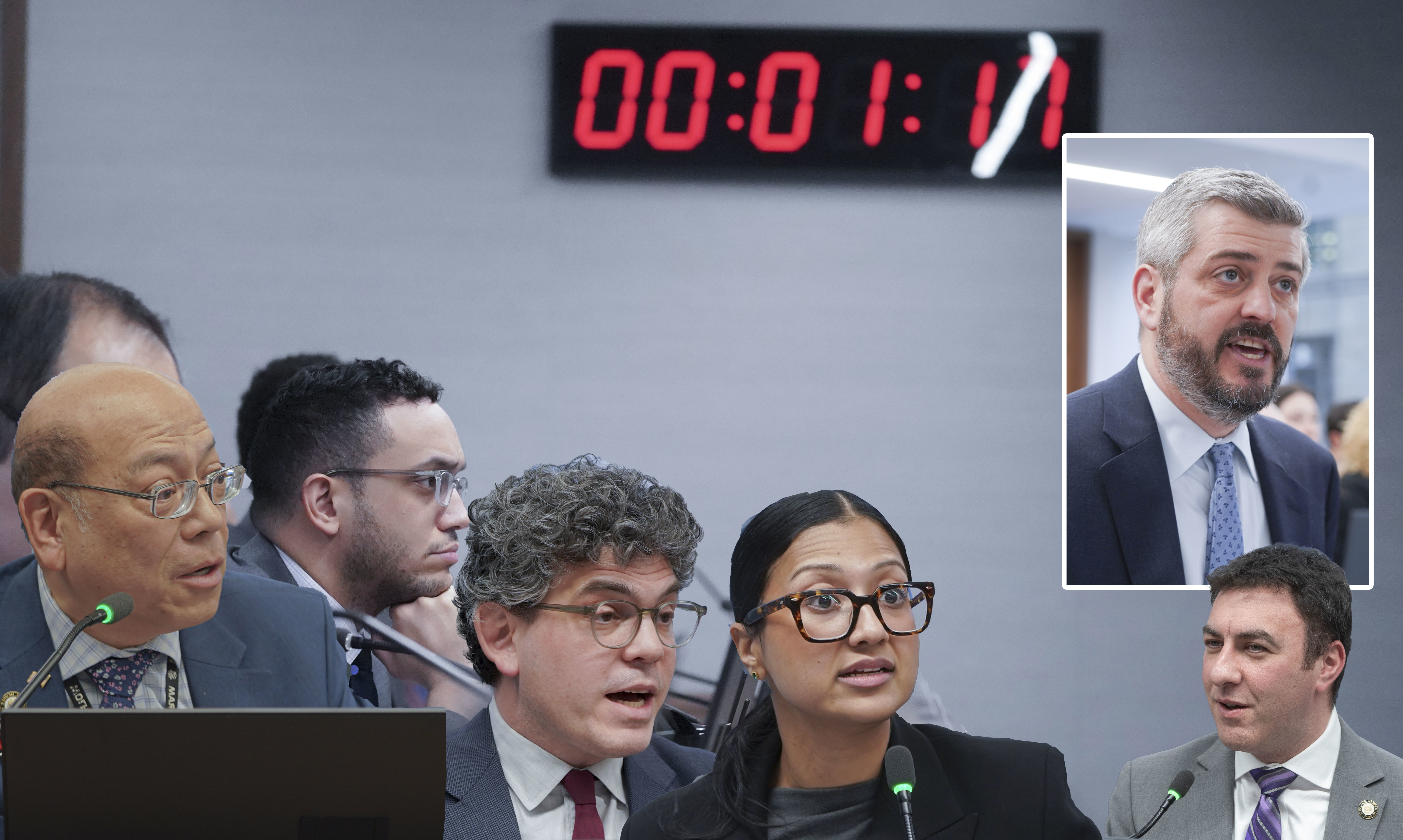
The Transportation Committee will review whether the Mamdani administration will implement the Streets Master Plan or continue previous failures, while considering multiple bills on outdoor dining, bike parking, curb extensions, traffic-calming, street signs, and pedestrian space.


fromStreetsblog
2 months agoFriday Video: How Many 'Better Billion' Plans Are There? - Streetsblog New York City
Like most everyone in town, we got all hot and bothered after the Transit Costs Project put out a report arguing that the city and state should raise $1 billion per year over 40 years to fund a massive expansion of the subway system, bringing the joy (and economic development) of truly rapid transit to more neighborhoods.
US politics
fromwww.theguardian.com
2 months agoNew York governor pulls robotaxi expansion proposal for cities outside Big Apple
The permit is still in place, and Waymo's plans for New York City are still likely to move ahead, as Hochul's rescinded proposal governed areas outside the Big Apple. The Alphabet subsidiary, which offers paid driverless rides to the public in cities in the San Francisco Bay Area, along with parts of Los Angeles, Phoenix, Austin, Atlanta and other cities, was hoping to grow its already sizable foothold in the robotaxi market and tap into a large pool of new users.
New York Islanders
New York City
fromStreetsblog
2 months agoThursday's Headlines: Set Our Calendar Edition - Streetsblog New York City
Upcoming four weeks feature multiple livable-streets events — awards, council hearings, talks, comedy shows, and committee meetings focused on pedestrian access, transit, and low-traffic neighborhoods.
New York Giants
fromStreetsblog
3 months agoCouncil Transportation Chair Vows To Take On Drivers: 'I Don't Want To Just Futz Around the Edges' - Streetsblog New York City
Abreu prioritizes reclaiming street space for people, implementing sealed curbside trash bins that removed parking spots and challenging car-storage norms to improve sidewalks.
fromStreetsblog
3 months agoThursday's Headlines: Menin to the Rescue Edition - Streetsblog New York City
City Council Speaker Julie Menin is making good on her pledge to reinvigorate outdoor dining in the Big Apple. On Wednesday, she announced plans advance legislation to allow restaurants and bars to set up curbside year-round - reversing the winter ban enacted under her car-first predecessor Adrienne Adams. Adams, meanwhile, is Gov. Hochul's new pick to be the state's lieutenant governor, a position currently held by Antonio Delgado, who's gone rogue and is running against Hochul in June's Democratic primary.
New York City
fromStreetsblog
3 months agoImproving Road Safety Is A Win For The Climate, Too - Streetsblog USA
Hundreds of preventable fatalities and more than 13 million metric tons of climate pollution would be avoided by 2045 if Congress passed legislation that answered advocates' long- time demand to require state DOTs to set declining annual fatality targets - and reallocate highway money to safety projects if they don't meet those goals, according to a new analysis from Evergreen Action.
US politics
fromMission Local
3 months agoThe Great Highway is poised to become San Francisco's kidney dialysis
Barring unforeseen lunacy, come November, you'll be voting on cars on the Great Highway - for the third time since 2022. Like PAY YOUR PROPERTY TAXES BY DECEMBER 10 AND APRIL 10!!! there are some things you can apparently mark in permanent pen on your calendar. At the statewide level, you'll be voting about kidney dialysis and, locally, you'll be voting on this.
SF politics

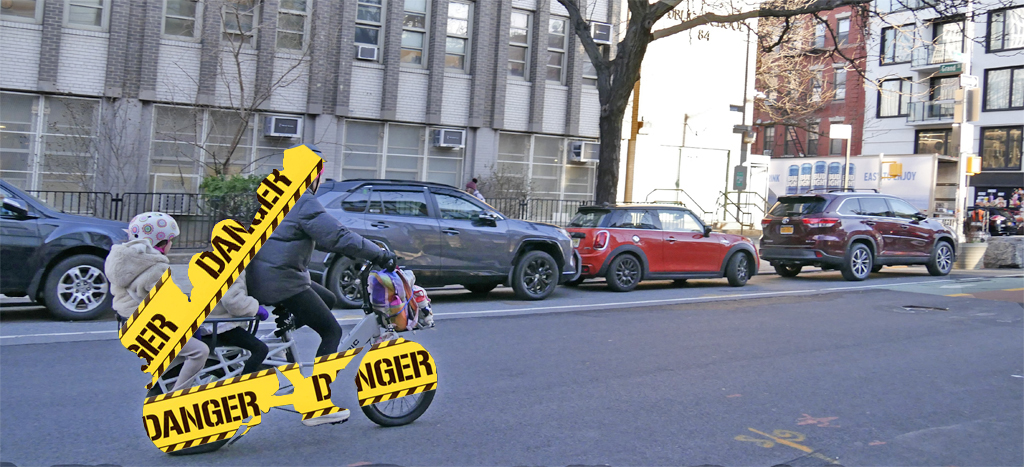
California
fromStreetsblog
3 months agoUC Berkeley Report Says California Transportation Policy Is Still Built for Cars - and It's Deepening Inequality - Streetsblog California
California's transportation planning prioritizes cars over people's access, worsening inequality, unsafe streets, higher costs, and housing pressures.
fromStreetsblog
4 months agoAdvocates Move to Save Oakland's Parking Enforcement - Streetsblog San Francisco
We write to you today in alarm. It has come to our attention that the Administration is planning to move parking enforcement from OakDOT to Finance. While this may appear as a simple administrative shift, it is a strategic error that will undermine Oakland's transit, safety, and economic goals. Please initiate review with Council through issuing a Statement of Purpose for their review, and delay these changes until approved by Council.
California
Environment
fromStreetsblog
4 months agoFive 'Supercool' Transportation Founders to Watch in 2026 - Streetsblog USA
Transportation start-ups accelerate decarbonization by deploying low-emission mobility options, optimizing vehicle systems, and leveraging market momentum to scale solutions ahead of 2026 policy changes.
US politics
fromLGBTQ Nation
4 months agoSean Duffy takes credit for Pete Buttigieg's infrastructure grants - LGBTQ Nation
Sean Duffy uses partisan MAGA rhetoric to blame predecessors, rebrand Biden-era infrastructure funding as Trump administration achievements, and push ideological transportation priorities.
US politics
fromusa.streetsblog.org
4 months agoNew Bill Would Help 'REPAIR' America's Worst Infrastructure By Reimagining It For People Streetsblog USA
Reauthorize and expand the Reconnecting Communities and Neighborhoods program to $15 billion to repair divided neighborhoods, address rescinded funding, and attract bipartisan support.
US politics
fromStreetsblog
4 months agoThe Real Reason America Can't Have The Tiny Japanese-Style Cars Trump Says He Wants - Streetsblog USA
Trump's push for Japanese-style micro 'kei' cars will fail unless U.S. policies, road design, and vehicle regulations are radically overhauled to protect non-drivers.


fromwww.mediaite.com
5 months agoSecretary of Transportation Says I Don't Have a Plan to Reduce Costs' of Sky-High Airport Food
What I am trying to do is provide healthier options for people. And again, who doesn't love a greasy burger at the airport? I know I do. Sometimes you're grabbing chips, but other options when you want that healthy choice, that you can have access to, 'cause whenever I make those bad choices, I always feel like garbage when I get on the plane. Letting people have a better option, I think, is what we're focusing on here.
US politics
fromBrooklyn Paper
5 months ago'A game-changer': Staten Island-Bay Ridge ferry sets sail for first time in six decades * Brooklyn Paper
The St. George route runs about every 37 minutes during peak hours and roughly every 50 minutes during non-peak hours, with stops in western Manhattan at Midtown West/Pier 79 and Battery Park City before reaching Staten Island's St. George Terminal. Travel time from St. George to Bay Ridge's ferry slip at the American Veterans Memorial near Owl's Head Park is approximately 11 minutes.
Brooklyn
[ Load more ]