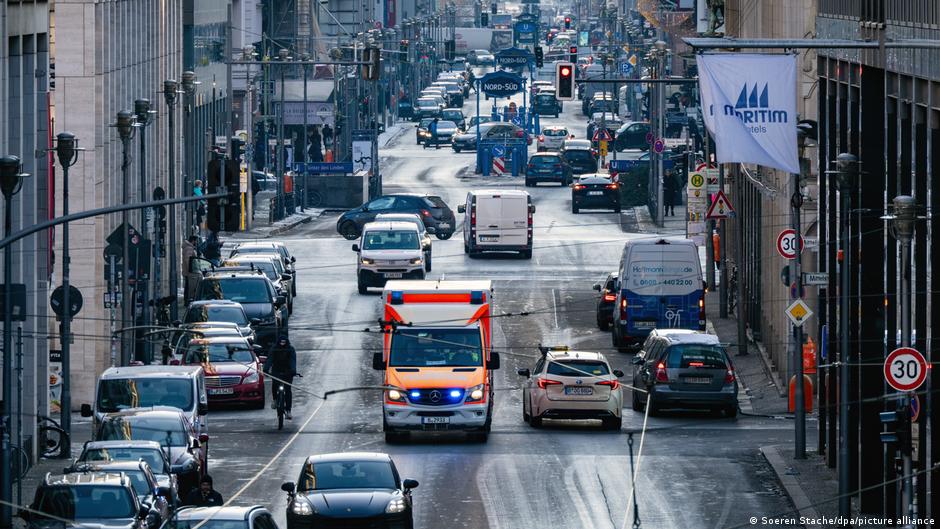
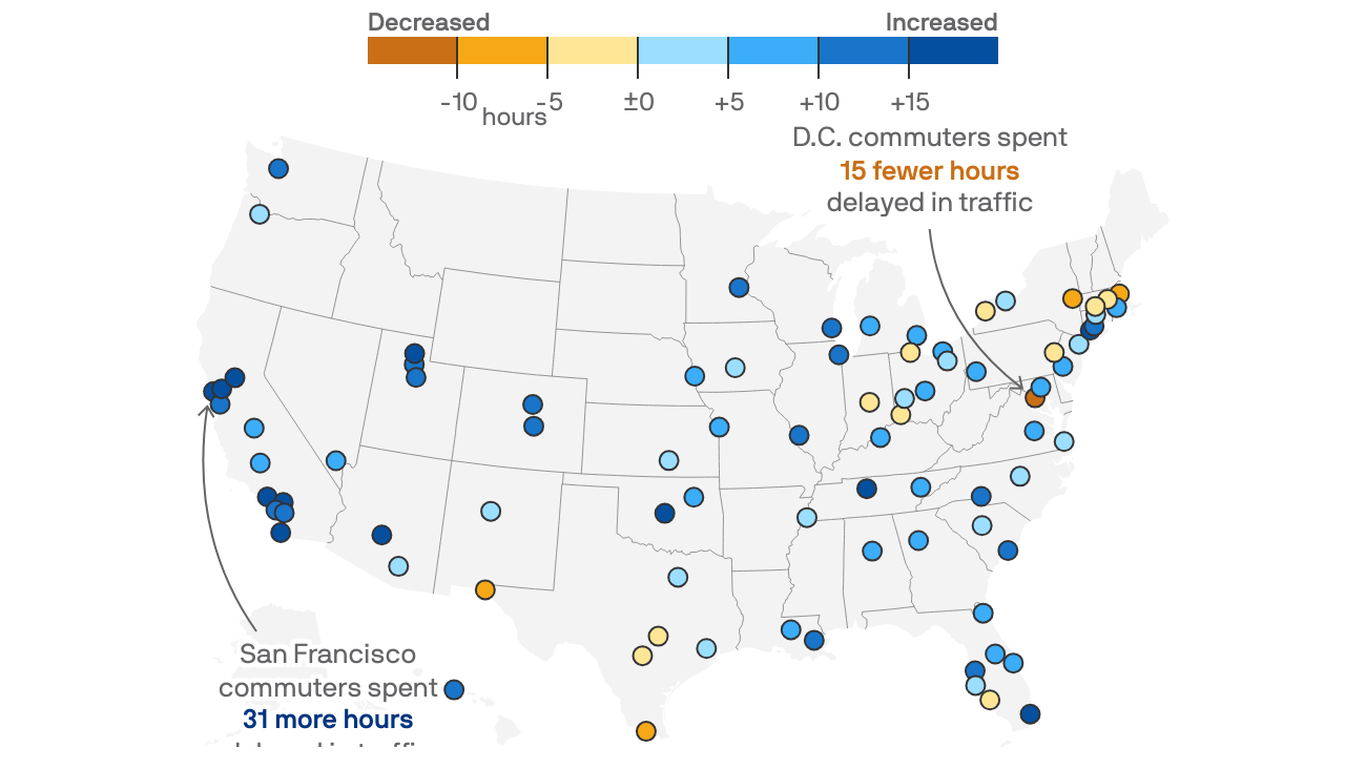
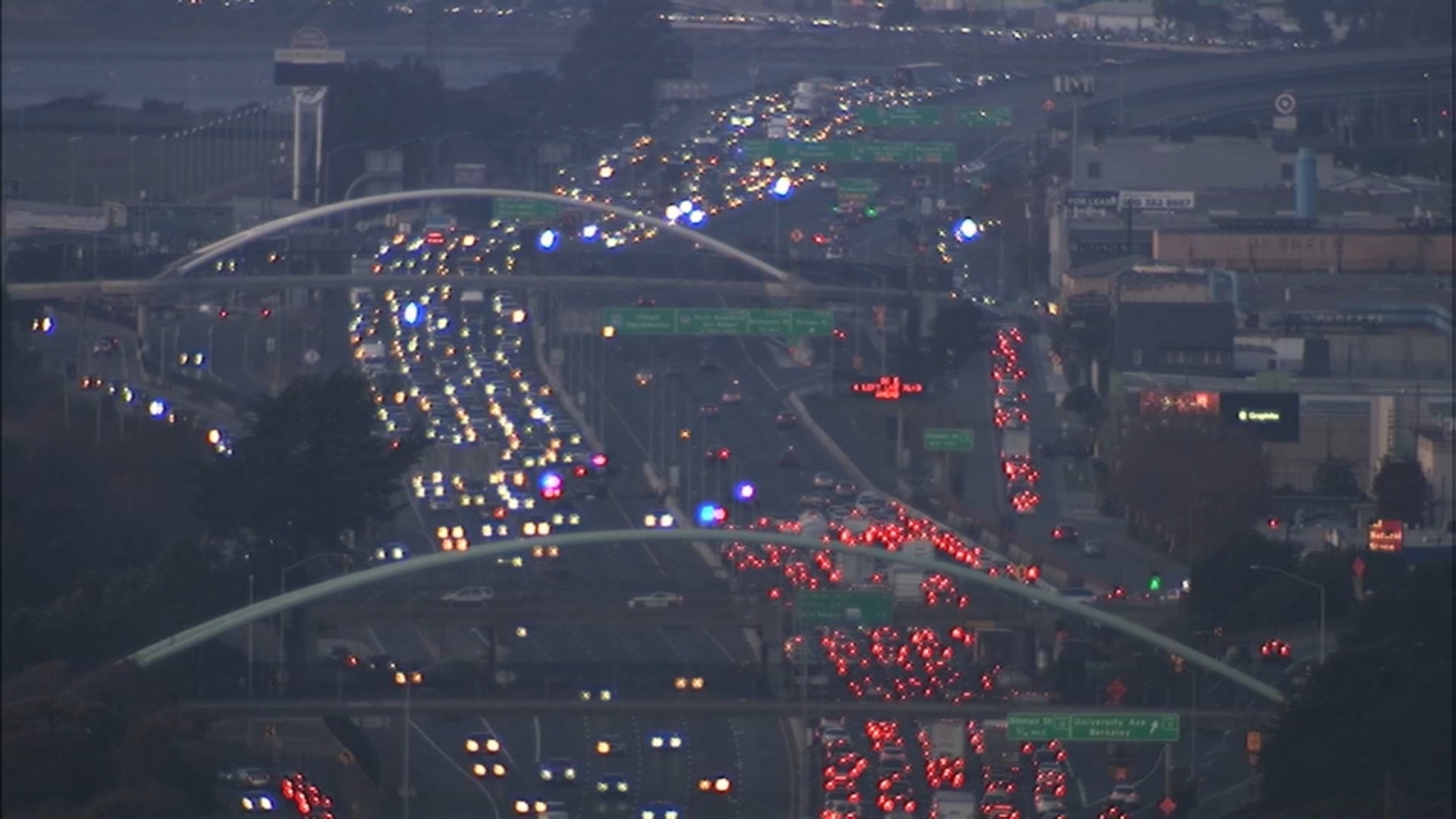
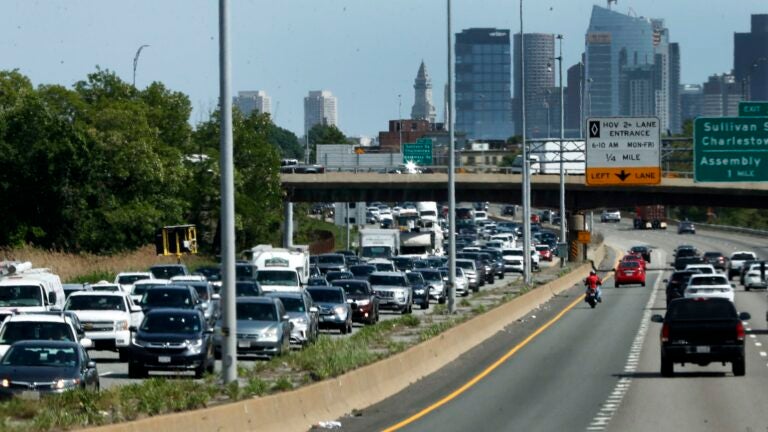
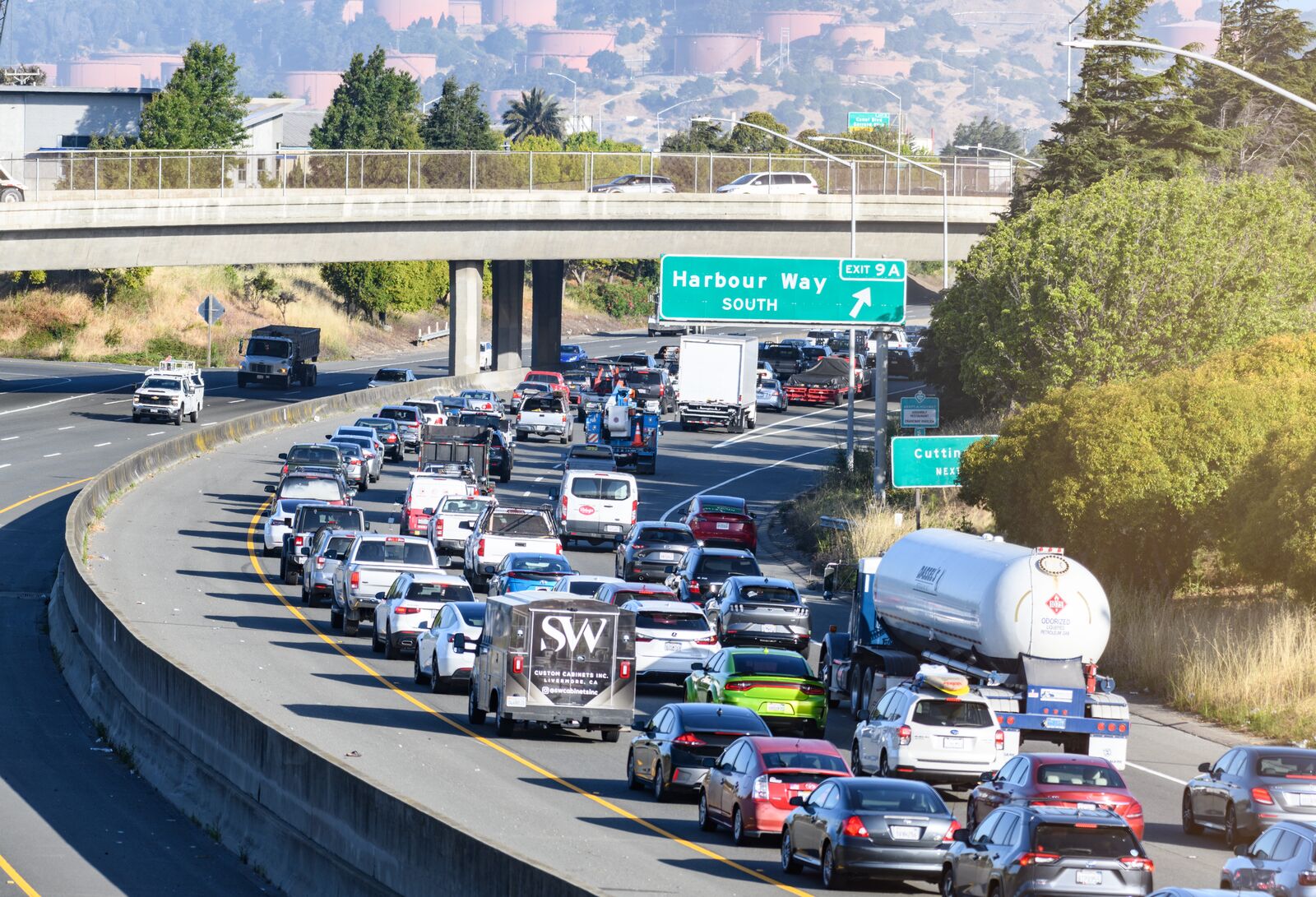
If you feel like you spent more time sitting in traffic this year than last, you're not alone. Across the United States, drivers lost 49 hours to traffic congestion in 2025, a six-hour increase from the year prior, according to a new report from transportation analytics company INRIX. From Chicago to Philadelphia and Boston to Tampa, congestion increased in 254 of the 290 cities INRIX analyzed. But in New York, a city practically synonymous with gridlock, congestion stayed flat.
Researchers at Duelbits ranked the 50 most populous U.S. cities across eight factors tied to holiday travel, including traffic time, rush hour delays, accident rates, flight performance, tire trouble, road quality and the chance of snow. New York scored 8.9 out of 10, putting the town firmly in first place. Los Angeles, San Francisco, Chicago and Miami round out the unfortunate top five, but New York comes out on top by a full half point.
Miami Beach, a city founded on the principle that nothing should ever take longer than ordering a cortadito, has finally admitted defeat. The traffic is bad- biblically bad-and the municipal solution is wonderfully literal: water taxis. For the second year in a row and beginning on December 1, the city will run a small flotilla of free boats shuttling people between Miami Beach and the mainland every ten to fifteen minutes, complete with connecting shuttles to the Convention Center and Collins Avenue.
The majority of that travel both to and from Turkey Day destinations is expected to kick off tomorrow, Tuesday, November 25, and run through Monday, December 1, which are the dates the American Automobile Association (AAA) defines as the 2025 Thanksgiving holiday period. It's the busiest travel period for Americans, even beating out holidays like the Fourth of July and Christmas.
It was a phenomenon that Nilles, a U.S. Air Force veteran turned NASA consultant, dubbed the "telecommunications-transportation tradeoff." Viewing remote work as a potential substitute for commuting, Nilles sought to gauge telework's effectiveness by partnering with a major national insurance company (whose name he still can't divulge for legal reasons). A group of employees worked from local centers equipped with "minicomputers" that transferred data to the company's mainframe. In the 1974 pilot study, Nilles concluded that this approach resulted in higher productivity and reduced turnover.
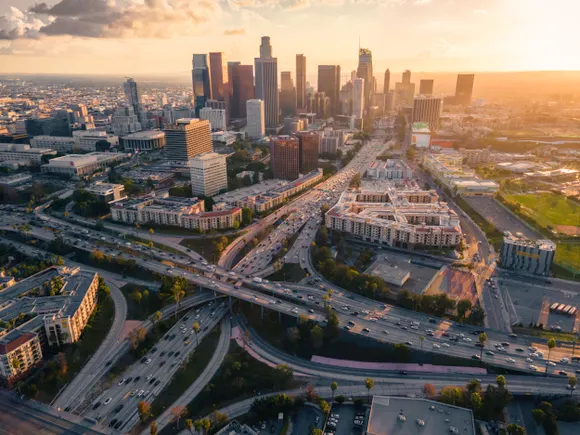
The countdown to the 2028 Olympic and Paralympic Games has sent Los Angeles International Airport into a $1.5-billion sprint to rebuild its roads, drawing ire from critics who argue the plan leaves the airport's most infamous bottleneck - the "horseshoe" - largely untouched. Los Angeles World Airports Board of Airport Commissioners on Thursday approved the final $1-billion phase of spending for its new roadway improvement plan, which aims to streamline traffic flow at airport entrances and exits.
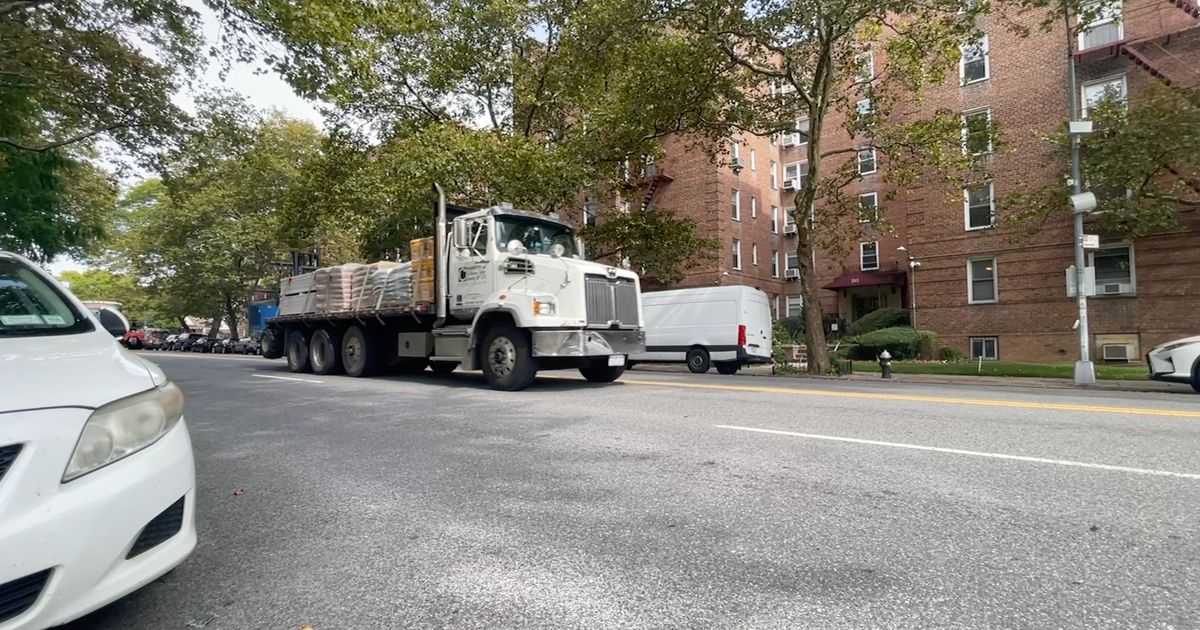
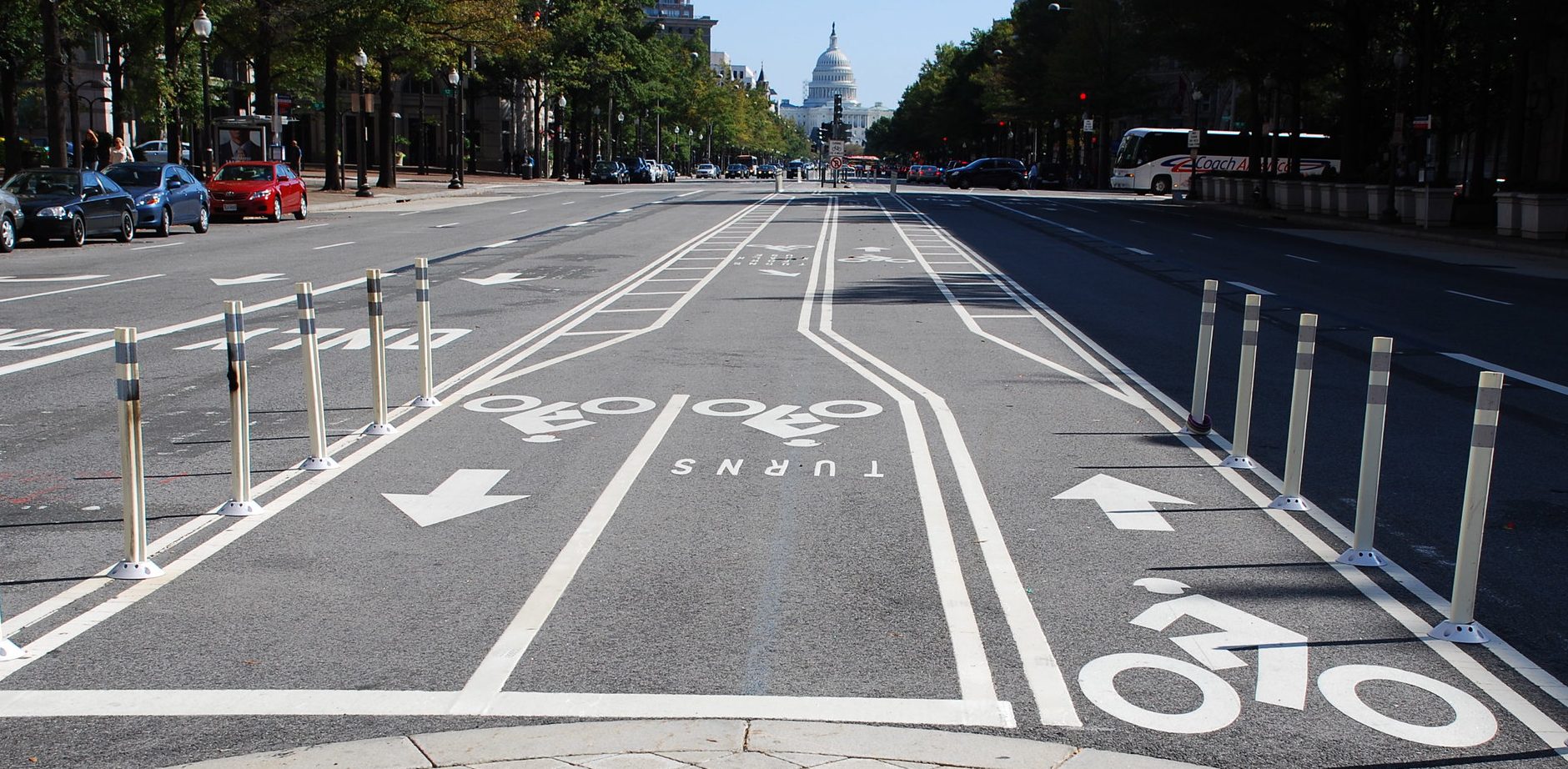
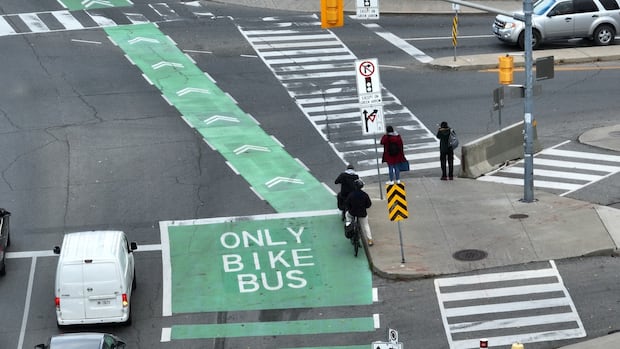
In Windsor Terrace, Brooklyn, a steady stream of trucks, cars, buses and ambulances travel along McDonald Avenue every day. Now, neighbors are growing concerned that New York City's plan to redesign the busy four-lane corridor with bike lanes will create new dangers. "We have two hospitals within one mile radius and four elementary schools," said Lisa Sposato, a Windsor Terrace resident. "So congestion and schools and hospitals don't mix very well." Transit officials, however, say their plan is the safer option.
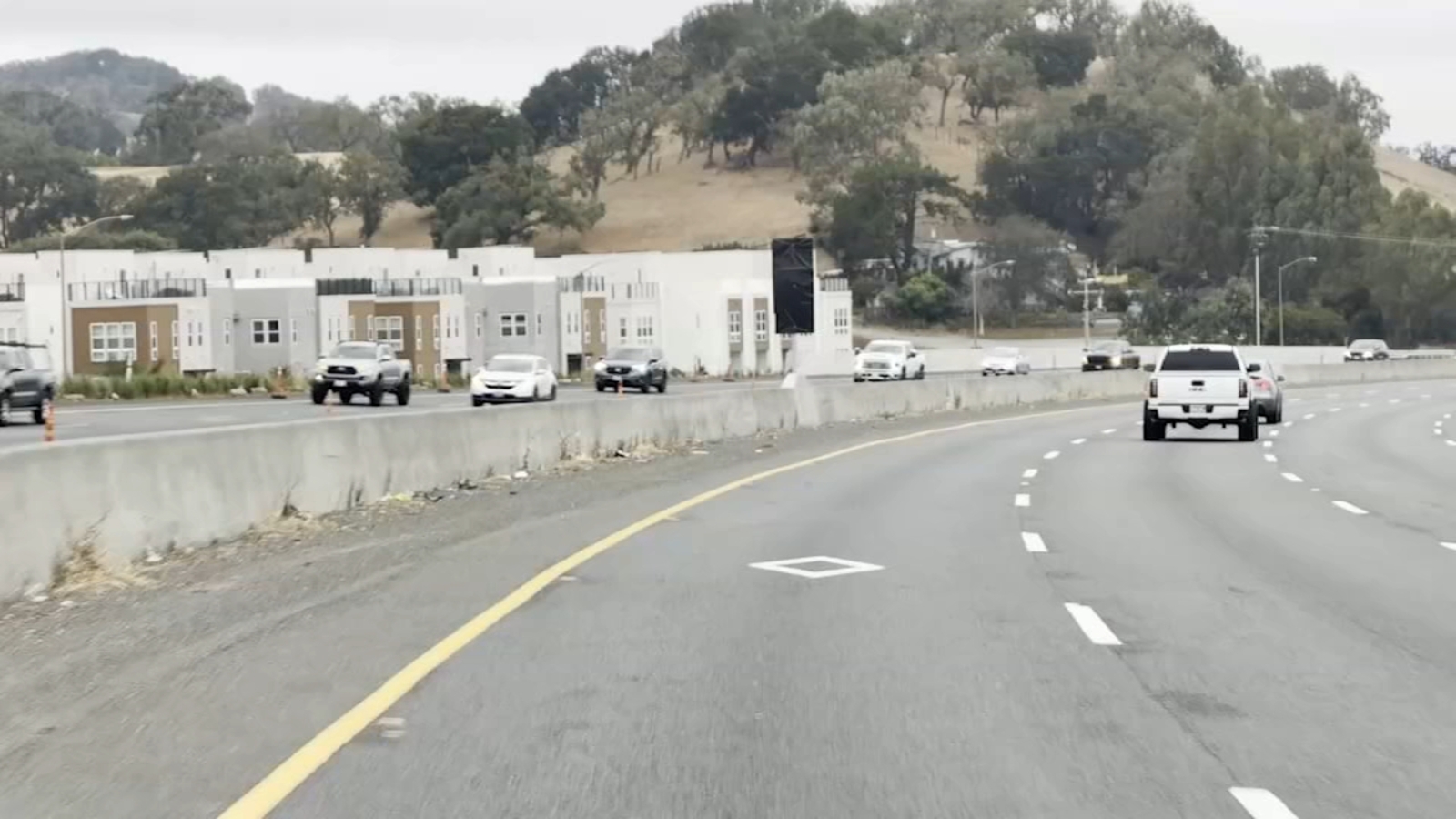
The federally mandated Clean Pass program expired on Wednesday, which means the more than 55,000 metro area motorists will no longer be allowed into the high-occupancy lanes during rush hour. "This sucks," Central Islip commuter and healthcare worker Beverly Gandarillas told The Post. "It's going to have a domino effect. I'm going to have to wake up earlier to leave earlier just to get to work on time, and forget it if there's an accident."
As of Aug. 14, more than half a million motorists statewide had an active decal on their vehicle to access carpool lanes. California has an estimated 1,171 carpool lane-miles, with 803 miles in Southern California and 366 miles in Northern California, according to a UC Berkeley study. With more than 35 million total registered vehicles in California, that means 1% to 2% of the vehicle fleet will lose access to the carpool lane, said Antonio Bento, professor of public policy and economics at USC.
A recent study ranks the noisiest cities across North America, drawing from factors like population density, traffic congestion, visitor return rates, and levels of noise and light pollution. San Jose landed at 14th place among U.S. cities with an overall score of 40.03 out of 100. The city's population density sits at 2,104 people per square kilometer, ranking 19th, while average monthly Google searches related to noise complaints come in at 8.490, placing 18th. Congestion levels hover at 29 percent, which is 14th overall.
Traffic congestion isn't equal in every state. But knowing where traffic can be the worst is important, as sitting in long lines of cars can slowly damage your vehicle over time. Traffic also contributes to worsening pollution and reduces an area's economic health, as it can make people late for work or school, and lead to other issues down the line. In some areas, though, congestion is hard to avoid because of smaller roadways or population growth without infrastructure improvement.
"There are only 21 bikes using it a day to get to work. But there are nearly 21,000 cars backed up for miles trying to get to work," said Joshua Arce with California Alliance for Jobs.
We are disappointed by the recent decision to refuse planning permission for the proposed extension to our nursery in the Hacton ward. As a long-standing and trusted early years provider in the community, our sole aim is to meet the growing demand for local childcare - a need that has only increased with the completion of the new 300-home development at the St George's Hospital site. We will be lodging a formal appeal against the decision.
Transport for London has implemented tolls for the new Thames tunnel, leading to increased congestion at alternative crossings like Tower Bridge, according to local residents.
"The Silvertown tunnel campaigners argue that it is worsening traffic around South London, especially the A102, despite claims from TfL about reduced congestion at Blackwall."
"The reason we're having a feasibility study is it's going to determine the length. If they're telling me, 30 kilometres is X, 40 kilometres is Y, and 70 kilometres or 60 kilometres is another cost, let's take a look at it," he said when he announced his plan in September. "But we're going to get the job done, mark my words."
"Today, SR 37 has two lanes in each direction except for a 10 mile stretch where it has one lane, cresting a major bottleneck...adding an hour and a half to two-way commutes."