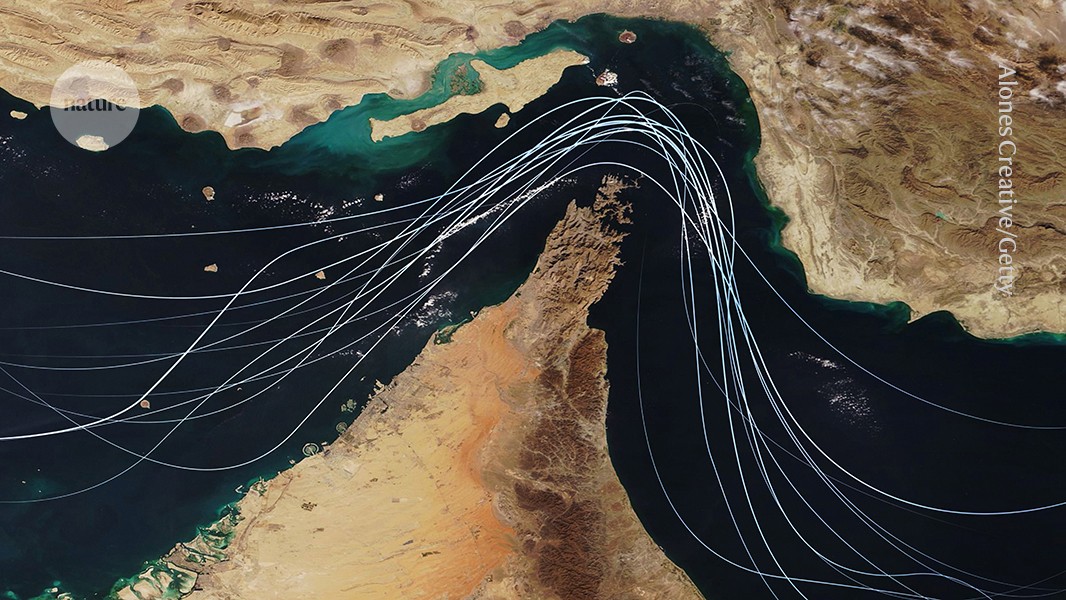
"The closure of the Strait of Hormuz, a critical corridor for global oil and gas trade, has led to a significant surge in oil prices across Asia, Europe, and the United States, affecting consumers at fuel pumps worldwide."
"Insurance companies have suspended maritime coverage or increased risk premiums for tankers in the region, while key oil and gas companies have declared force majeure, freeing themselves from supply obligations."
"Countries like Japan have activated strategic oil reserves, while others in Asia are encouraging work-from-home practices to mitigate fuel consumption, but these measures may not suffice if supply disruptions continue."
"The Gulf states, which produce a significant portion of global fertilizers and helium, are also feeling the repercussions of the crisis, emphasizing the interconnectedness of energy security and various industries."
The Strait of Hormuz closed on March 2, causing a global energy shock as one-fifth of oil and gas trade is affected. Oil prices surged globally, with insurance companies raising premiums and key companies declaring force majeure. Asian economies, which import 80% of the region's oil, reacted by releasing strategic reserves and promoting reduced fuel consumption. The crisis impacts various industries reliant on hydrocarbons, highlighting the need for long-term energy security solutions amidst immediate disruptions.
Read at Nature
Unable to calculate read time
Collection
[
|
...
]