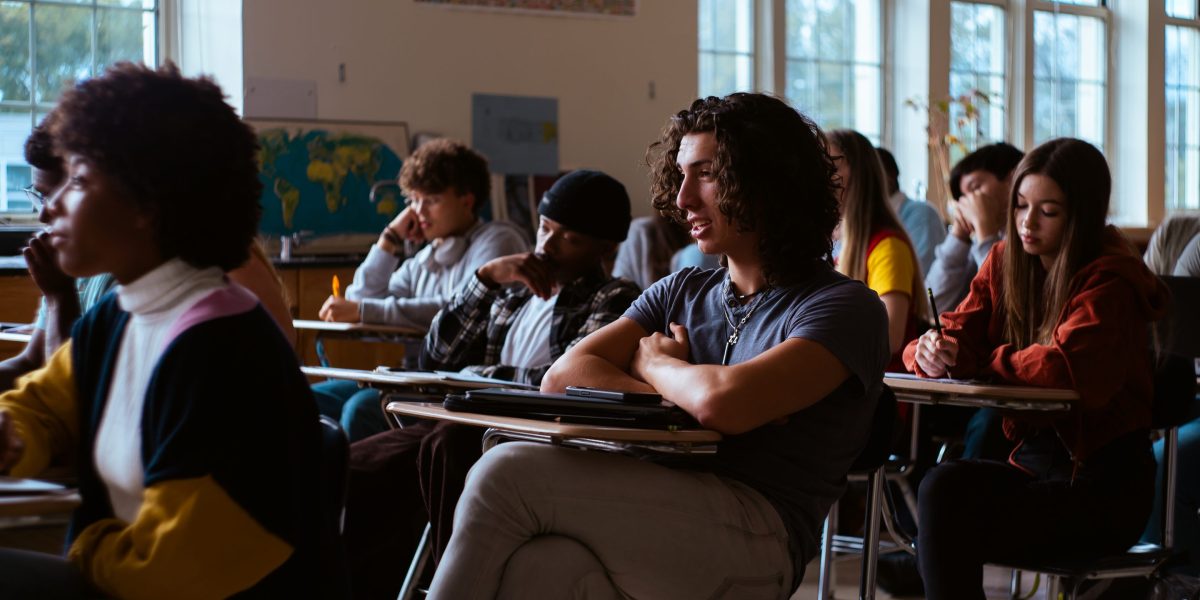
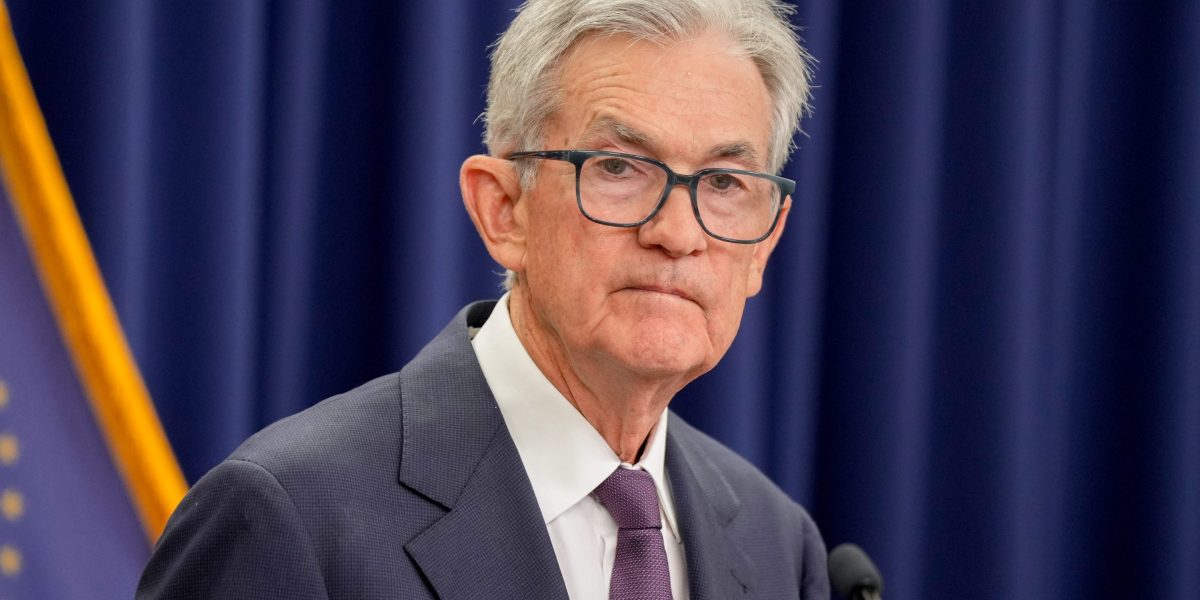
The authors of the report, now in its 25th year, warn that this massive upheaval is threatening the country's stability. "Instability is shaping nearly every part of young people's lives," said John Della Volpe, director of polling at the Harvard Institute of Politics, in a Zoom with reporters and students involved in the survey. By the numbers: A majority of respondents (57%) say the country is headed in the wrong direction - a six-point rise from last year, and one point down from the record high notched in the spring of 2024.
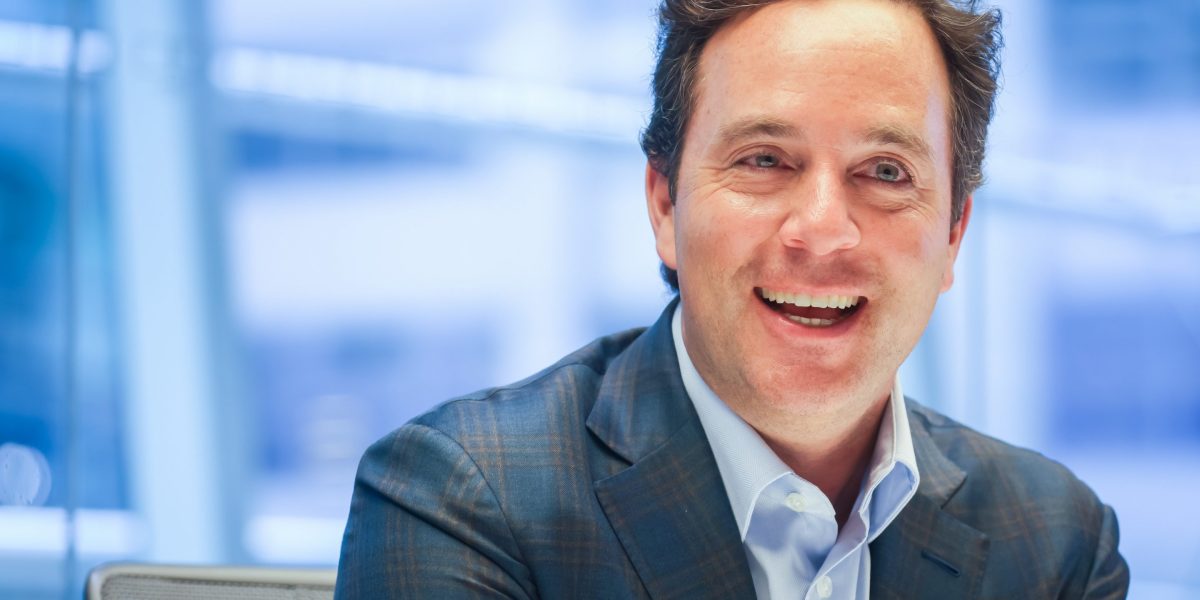
For aspiring entrepreneurs, he said the key lesson from his career is the vital importance of "resilience, grit, hard work, and working on something that matters." Siminoff said that nobody knows how AI will reshape the world, but young people's best shot is to pursue a passion and work hard, as he expects there will still be jobs in five years for people who are "great at things."
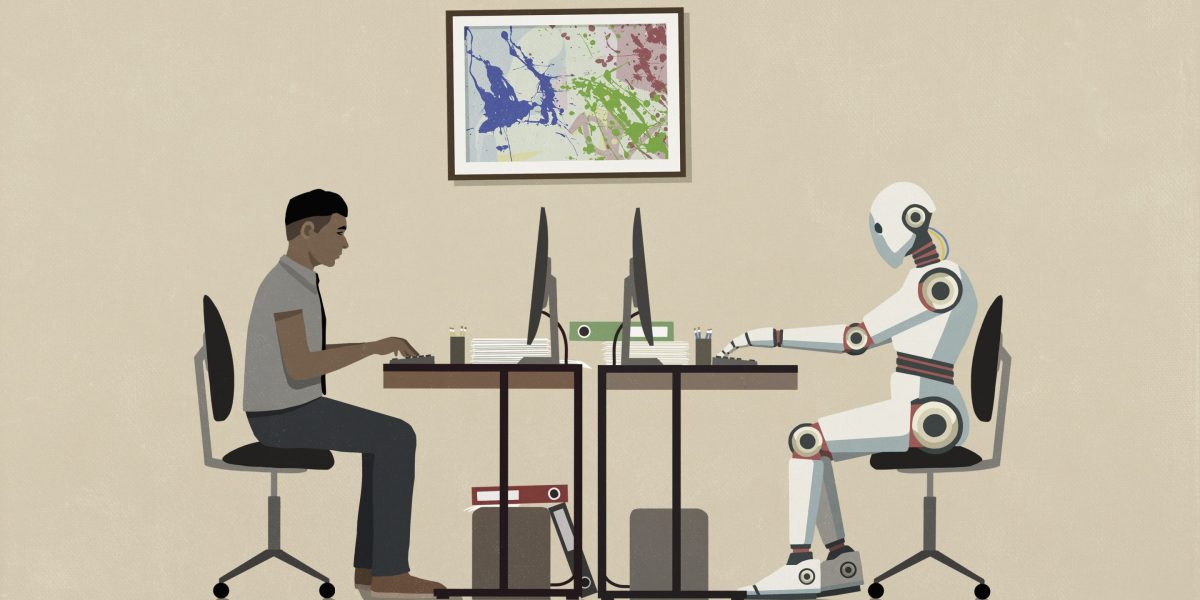
"It would be helpful for young people to think more about what tasks they're actually really good at, because that's where they stay ahead of machines,"
What's been a hard 12 months for professionals just got tougher. Fears over the increased use of AI to complete white-collar roles have been compounded by news of layoffs. If you're a mid-level professional, it's tough not to feel anxious about the future of work. In a memo to staff last week, Beth Galetti, senior vice president of people experience and technology at Amazon, said her company's decision to cut 14,000 corporate roles was aimed at "reducing bureaucracy, removing layers, and shifting resources."
Financial tycoons shared their advice for young people to succeed at work and in life. Billionaires Leon Cooperman, Jeff Greene, and John Calamos said passion and hard work are vital. Kevin O'Leary, Nassim Taleb, and Ross Gerber said they need to be responsible and disciplined.
"That's like, one of the dumbest things I've ever heard," he said. "They're probably the least expensive employees you have, they're the most leaned into your AI tools." "How's that going to work when ten years in the future you have no one that has learned anything," he added. "My view is that you absolutely want to keep hiring kids out of college and teaching them the right ways to go build software and decompose problems and think about it, just as much as you ever have."
After the work-centric hustle culture of the 2010s, then the backlash and widespread burnout brought on by the Covid-19 pandemic, the general feeling around work right now could be described as ambivalent at best. At worst, it's openly combative, as evinced by frequent references to the battle over working from home. Managers want employees back in the office; employees want flexibility, and to limit work's impact on their lives.