#labor-market
#labor-market
[ follow ]
#ai-impact #unemployment #artificial-intelligence #inflation #ai #job-displacement #jobs-report #unemployment-rate
#recession-risk
World news
fromFortune
1 month agoEconomists are loathe to mention recessions, but odds just hit 49% for the next 12 months according to Moody's top economist | Fortune
Moody's recession indicator reached 49% probability for the next 12 months in February, driven by weak labor market data and softening economic indicators, with potential further escalation from Middle East tensions and oil price spikes.

World news
fromFortune
1 month agoEconomists are loathe to mention recessions, but odds just hit 49% for the next 12 months according to Moody's top economist | Fortune
Moody's recession indicator reached 49% probability for the next 12 months in February, driven by weak labor market data and softening economic indicators, with potential further escalation from Middle East tensions and oil price spikes.
Business
fromLondon Business News | Londonlovesbusiness.com
2 days agoThe significant events in the global economy over the past week - London Business News | Londonlovesbusiness.com
U.S. equities rose on strong earnings and AI enthusiasm, while labor and economic indicators stayed resilient despite weakening consumer sentiment and falling workforce participation.
#consumer-sentiment
Business
from24/7 Wall St.
3 days agoThis Indicator Just Did Something It Hasn't Done in 75 Years. Is It the Biggest Risk to the Bull Market Before Midterms?
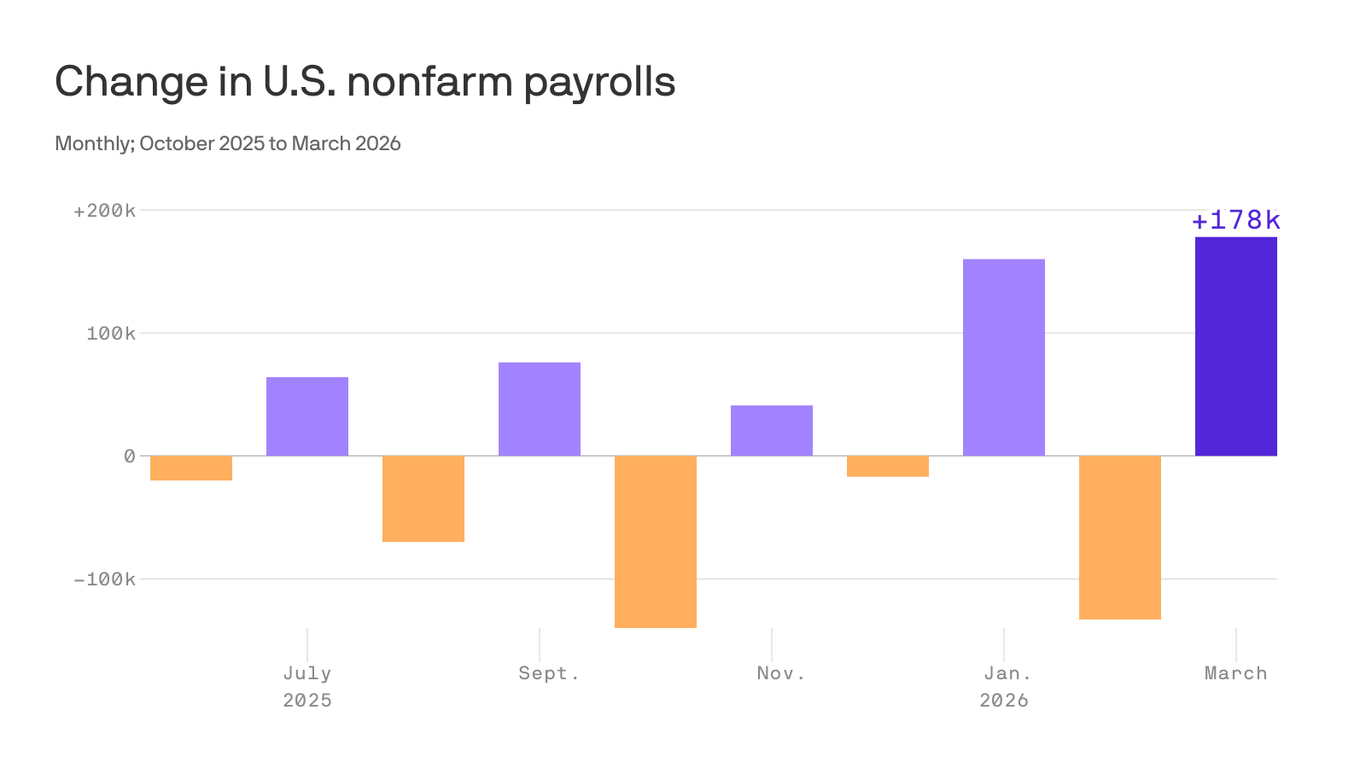
Consumer sentiment hit a record low despite record stock prices and stronger-than-expected job growth, signaling a dangerous disconnect between Wall Street and Main Street.

Higher education
fromFortune
4 days ago'Employers are increasingly turning to degree and GPA' in hiring: Recruiters retreat from 'talent is everywhere,' double down on top colleges | Fortune
Elite universities remain advantageous in hiring as companies increasingly prioritize degree, GPA, and targeted school lists despite higher education pressures.

US politics
fromenglish.elpais.com
6 days agoWorking with fake documents: the tool that persists among undocumented immigrants under Trump
Thousands of undocumented migrants use fraudulent identification documents to secure employment, driven by survival necessity and limited legal pathways, while identity theft cases surge significantly.
from24/7 Wall St.
1 week agoS&P 500 Extends Record Run as Semis Soar, Oil Falls and Strait Traffic Flows
The S&P 500 is set to extend a record run as crude tumbles and traders welcome signs the Iran conflict could be winding down. Stocks are soaring because the Strait of Hormuz appears clear and a chip-led rally is rolling into a second day.
Tech industry
London startup
fromLondon Business News | Londonlovesbusiness.com
1 week agoRachels tax hikes and wage rises blamed as employers hold back on hiring - London Business News | Londonlovesbusiness.com
UK job vacancies rose in March, indicating a potential stabilization in a weakened labor market compared to last year.
fromLondon Business News | Londonlovesbusiness.com
1 week agoDollar retreats - London Business News | Londonlovesbusiness.com
The dollar index was under pressure on Wednesday as geopolitical fears abated amid calmer conditions in the Middle East, particularly after President Donald Trump signaled a temporary pause in naval operations around the Strait of Hormuz.
World news

#ai
Artificial intelligence
fromPsychology Today
1 week agoWhat Is a Human Worth?
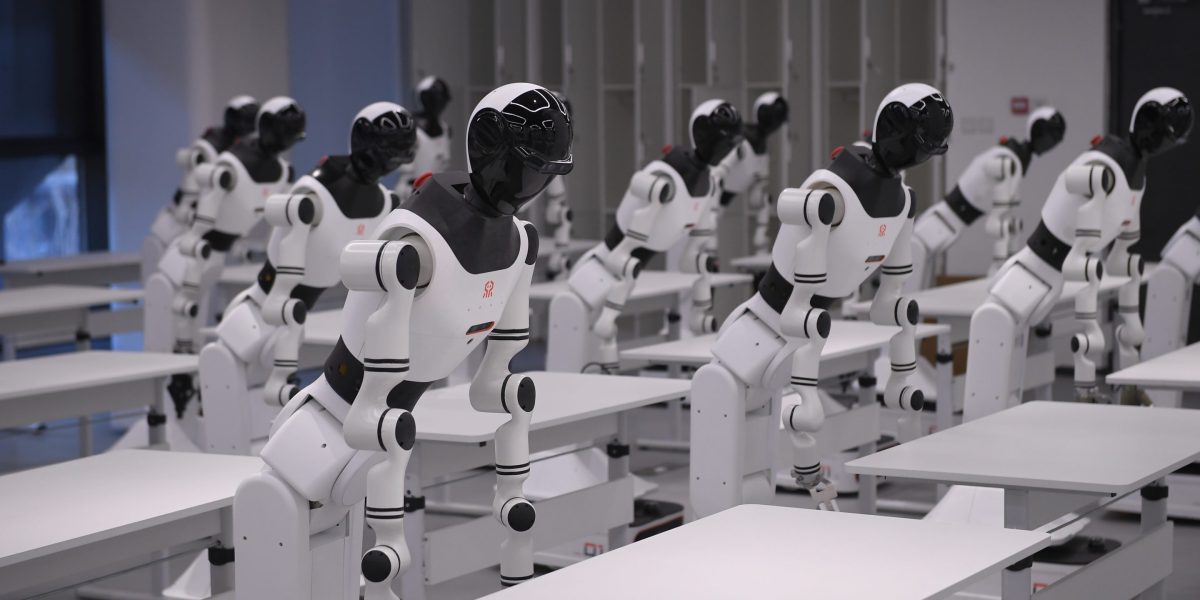
AI is decoupling economic value from human contribution, leading to jobless growth and a widening jobs gap.

Artificial intelligence
fromFortune
3 weeks agoOpenAI's policy chief says AI companies 'need to do a much better job' talking about AI as industry leaders face personal attacks | Fortune
AI's impact on labor is polarizing, with increasing backlash and violence against proponents of the technology.

Artificial intelligence
fromFortune
1 week agoSam Altman says the quiet part out loud, confirming some companies are 'AI washing' by blaming unrelated layoffs on the technology | Fortune
AI washing occurs when companies falsely attribute layoffs to AI, while some job displacement is genuinely caused by the technology.

#ai-impact

Higher education
fromFast Company
1 month agoForget white-collar jobs. AI is also displacing workers without college degrees
AI adoption is reshaping the labor market, impacting both college-educated and non-college-educated workers, particularly through changes in career pathways.
Artificial intelligence
fromSilicon Canals
1 month agoAI job displacement predictions rest on a metric economists call 'completely meaningless' - Silicon Canals
AI may replace human workers, but the economic impact depends on price elasticity of demand.
Artificial intelligence
fromArs Technica
1 month agoHow did Anthropic measure AI's "theoretical capabilities" in the job market?
LLMs are theorized to perform 80% of job tasks across various occupations, but this is based on speculative assumptions rather than empirical data.

#unemployment
UK news
fromLondon Business News | Londonlovesbusiness.com
3 weeks agoFewer jobs, fewer workers and the truth behind Britain's unemployment drop - London Business News | Londonlovesbusiness.com
Britain's unemployment rate has dropped, but economic inactivity is rising, job vacancies are declining, and wage growth is slowing.
Healthcare
fromFortune
3 weeks agoHome healthcare is propping up the labor market, but fewer hours, high burnout, and an immigration crackdown threaten to topple it | Fortune
Home healthcare workers are crucial yet underrepresented, facing unsustainable conditions amid the aging baby boomer population, impacting the broader economy significantly.
fromLondon Business News | Londonlovesbusiness.com
3 weeks agoIran war threatens to wipe out recovery gains for London SMEs - London Business News | Londonlovesbusiness.com
Nearly half of firms (48%) expected turnover to grow over the next 12 months in the first quarter of the year, up from 42% in the final quarter of 2025.
London startup
Education
fromFortune
4 weeks agoI was a government official in the 1990s and watched the economy get turned upside-down. It's happening again | Fortune
Today's economy faces labor market disruption from AI, echoing the challenges of the 1990s with significant job losses and the need for effective worker support.
fromBoston.com
1 month agoMass. business confidence dips back into pessimism
The AIM Index is a survey of more than 140 Massachusetts employers that has run since 1991. It is calculated on a 100-point scale, with 50 as neutral; a reading above 50 is positive, while below 50 is negative. The state's March rating was 47, down from 52 in February.
Business
US politics
fromFortune
1 month agoThe economy can shed jobs and still keep the labor market balanced, as Trump's immigration crackdown turns breakeven hiring negative | Fortune
The U.S. labor market shows a negative breakeven rate of employment growth due to immigration restrictions, indicating potential job losses without rising unemployment.
World news
fromLondon Business News | Londonlovesbusiness.com
1 month agoDollar extends pullback amid softer labour signals and easing risks - London Business News | Londonlovesbusiness.com
The dollar weakened due to softening monetary policy expectations and reduced demand as a safe-haven asset amid easing Middle East tensions.
UK politics
fromLondon Business News | Londonlovesbusiness.com
1 month agoMinimum wage rises which is 'another cost increase' companies will have to absorb - London Business News | Londonlovesbusiness.com
The National Living Wage in the UK rises to £12.71 per hour, benefiting low-wage workers but posing challenges for businesses and the economy.
fromwww.thelocal.se
1 month agoSwedish government wants to renegotiate pay transparency directive
It has become increasingly clear how great the challenges are in implementing the directive in a national context, both for us in Sweden and in other EU countries. Therefore, a relaunch at EU level is needed and we are now taking the initiative to do so.
EU data protection
Tech industry
fromFortune
1 month agoAI boom is fueling demand for skilled trades-and demand for technicians, HVAC workers, and electricians is soaring, with six-figure salaries to match | Fortune
A severe shortage of skilled workers is hindering AI ambitions, creating opportunities for Gen Z in lucrative, AI-resilient careers.
World politics
fromLondon Business News | Londonlovesbusiness.com
2 months agoDollar set for weekly gain as geopolitics and resilient data lift yields - London Business News | Londonlovesbusiness.com
The dollar gains over 1% this week due to strong US economic data and Middle East tensions, with markets now pricing in only one Fed rate cut for the year instead of two.
US news
fromLondon Business News | Londonlovesbusiness.com
2 months agoDollar Relatively Stable Amid Economic Uncertainty - London Business News | Londonlovesbusiness.com
The dollar remains stable within a consolidation range, with its direction dependent on monetary policy expectations, labor market data, and inflation trends.
[ Load more ]