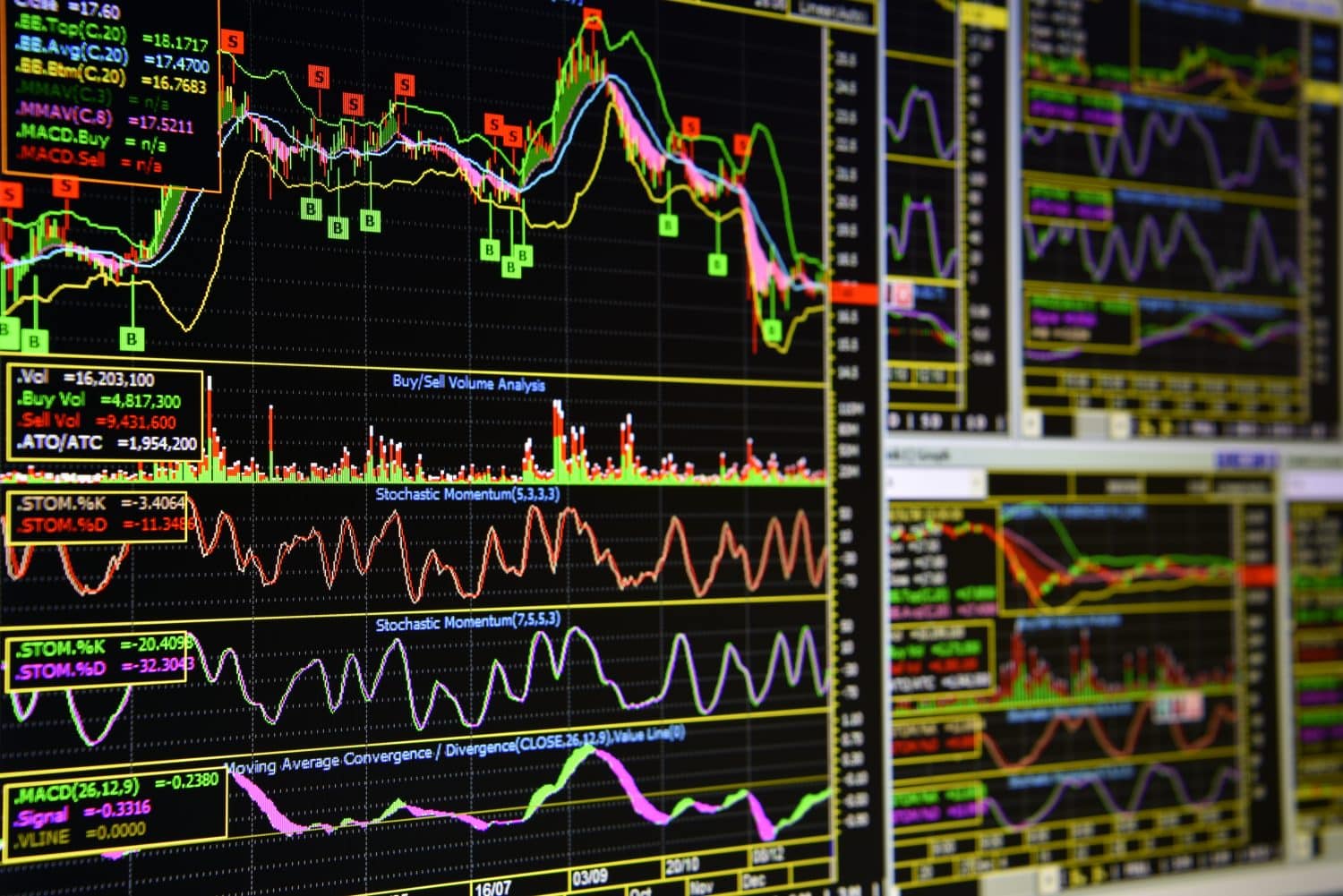
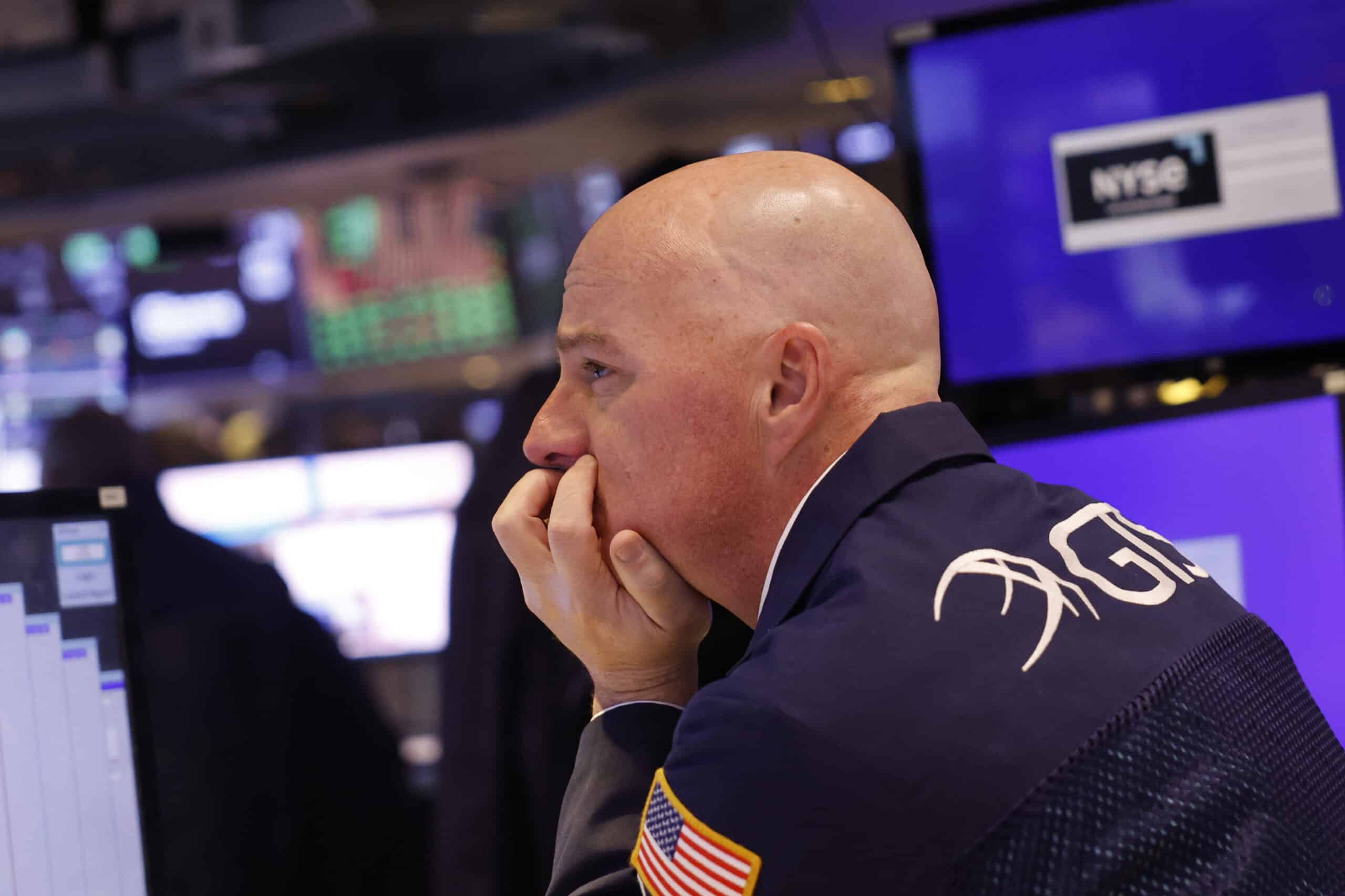
For the 25 major episodes going back to 1950, we typically see a decline in the S&P of around 4%. Now, usually after a month, the S&P tends to recover that entire decline. Then he immediately walked it back. The playbook, he said, does not apply here.
The pastel-colored conversation hearts stay relevant year over year because their embossed messages can be easily and quickly updated, transforming a generic shape into a crunchy candy canvas that's adaptable to the moment. That makes the face of these tiny hearts some of the most valuable real estate in the Valentine's Day candy landscape, because the right quip could convert a passerby into a sale.
Nearly half of 15,639 adults from 16 countries surveyed by VML's research practice Sonar put the high cost of living in the top five problems facing society, while 86% said they find that people are more divided and unwilling to listen to one another. Nearly two-thirds say they sometimes struggle to find meaning in the day-to-day. But consumers are choosing to feel optimistic.
Surveys suggest customers want to use AI for shopping and to see AI tools from retailers. In a CI&T survey conducted in 2025, 58% of 1,040 U.S. consumers said retailers should use AI to improve the shopping experience, and almost 75% said they were already using AI tools at least occasionally in their path to purchase. In a separate survey from Gartner last March, 56% of millennials said they would be willing to let AI handle or assist with some of their shopping tasks.
Everyone is entitled to their own opinion, but that's pretty demonstrably false. It's a good reminder that consumer sentiment often lags the reality on the ground. Americans don't have a damned clue who makes good EVs. That's what I took away from the January, 2026 edition of the Electric Vehicle Intelligence Report, which measures consumer sentiment toward EV brands. Surveyed consumer sentiment toward EV brands seems to be based on vibes and internal-combustion car experience, not anything resembling reality.
Beyond the chart: The demand for AI guidance comes as consumer sentiment sours. The share of US/UK consumers who view genAI as a negative disruptor in the creator economy has nearly doubled, from 18% to 32% since November 2023, according to a November 2025 report from Billion Dollar Boy and Censuswide. Meanwhile, transparency gaps are fueling distrust. 52% of consumers are concerned about brands posting AI-generated content without disclosure, according to a September 2025 report from Sprout Social.
Statistics from the 2025 holiday shopping season clearly show that AI is playing a huge role in how people shop. But new research from retail payment platform Adyen found that many consumers are ready for AI to become their personal shopper. Just over half-51%-said they're open to letting AI take over the entire shopping process, including making final purchases. Millennials are the most willing to let agents do their shopping, with nearly three in five saying they are ready for such a shift.
Meanwhile, the news from consumers is more mixed. The University of Michigan's consumer sentiment survey last week showed a 53.3 reading, up 4.5 percentage points sequentially from November but down 28 points year over year. That's not necessarily good news, but it may help to give the Federal Open Markets Committee political cover to lower interest rates at its next meeting, as it's forecast to do on Wednesday. This would please the stock market - a second reason for the Voo to be up this morning.
Key stat: Most age groups show negative sentiment as the dominant response to personalized ads, with negativity ranging from 36% to 58%, according to an August 2025 survey from Verve and Censuswide. The pushback against personalization doesn't mean consumers ignore targeted ads. In fact, 76% pay attention to relevant ads, and 2 in 3 say relevant ads help them discover products, according to Verve's data.
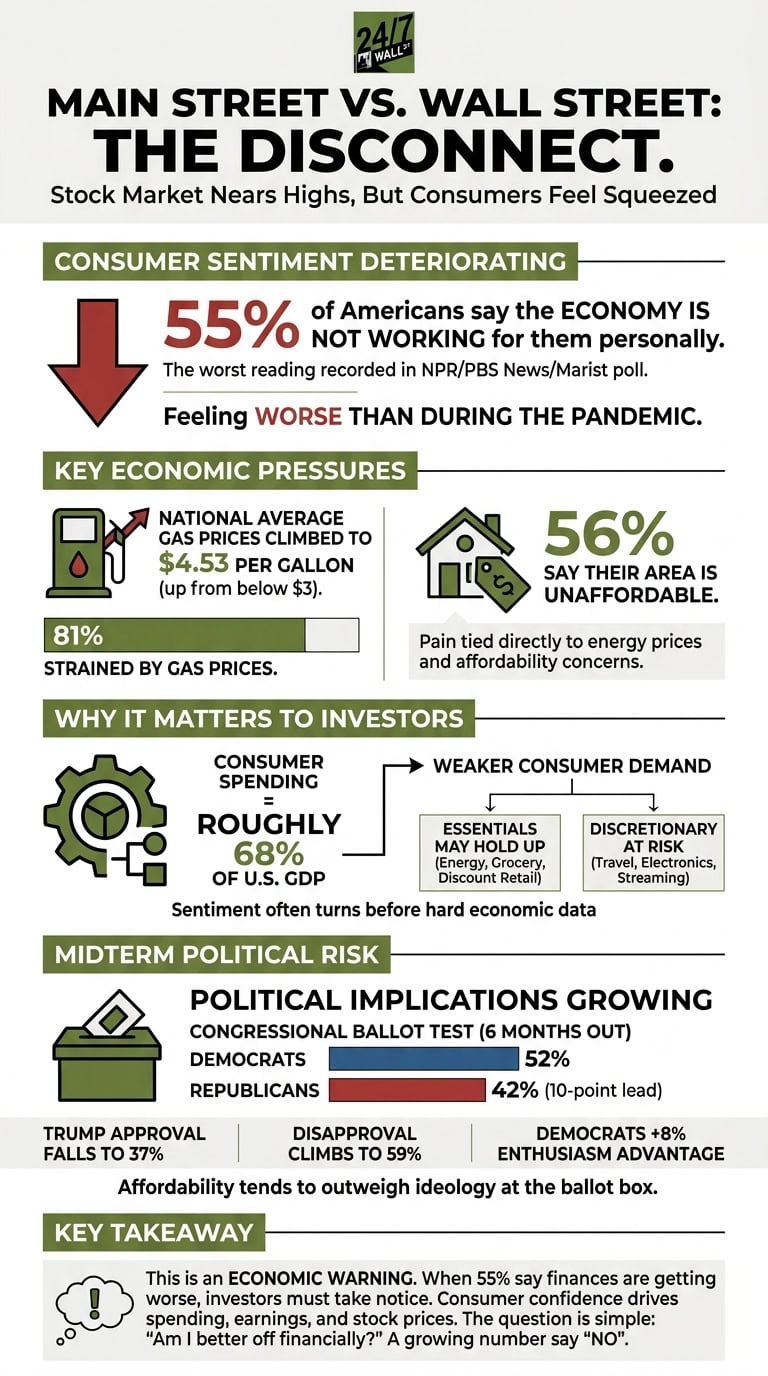
The average American has always been misinformed about basic economic and political realities, but not to this degree. Something has fundamentally changed in how people perceive the economy, and this is far more than just media misinformation (which does play a big part). We can actually measure people's sentiment in myriad ways, and with the holiday season on the horizon, the Conference Board's Consumer Confidence Index fell to a seven month low of 88.7 in November, missing analysts' expectations today of 93.2.
Americans are spending selectively. That's the picture painted by this quarter's earnings season, and it's not surprising. Consumer sentiment is at its lowest level since 2022, job cuts are rising sharply, and tariffs are making shopping trips more expensive. Lower-income shoppers aren't the only ones feeling the heat. Analysts say well-off consumers are also "trading down" on some purchases and switching up their shopping routines to get better deals.
"For the three months ended Nov. 2, Home Depot earned $3.6 billion, or $3.62 per share. A year earlier, it earned $3.65 billion, or $3.67 per share. Removing one-time charges and benefits, earnings were $3.74 per share, a dime short of Wall Street expectations, according to a poll by FactSet. It is the third consecutive quarter that Home Depot, an overperformer in recent years, has missed profit expectations."
Key Stat: 32% of US and UK consumers say AI is negatively disrupting the creator economy, up from 18% in 2023, according to July 2025 data from Billion Dollar Boy. Beyond this chart: Gen Z's AI tolerance depends on the use case. Some 54% prefer no AI involvement in creative work, but only 13% feel this way about shopping, according to an August 2025 Goldman Sachs survey.
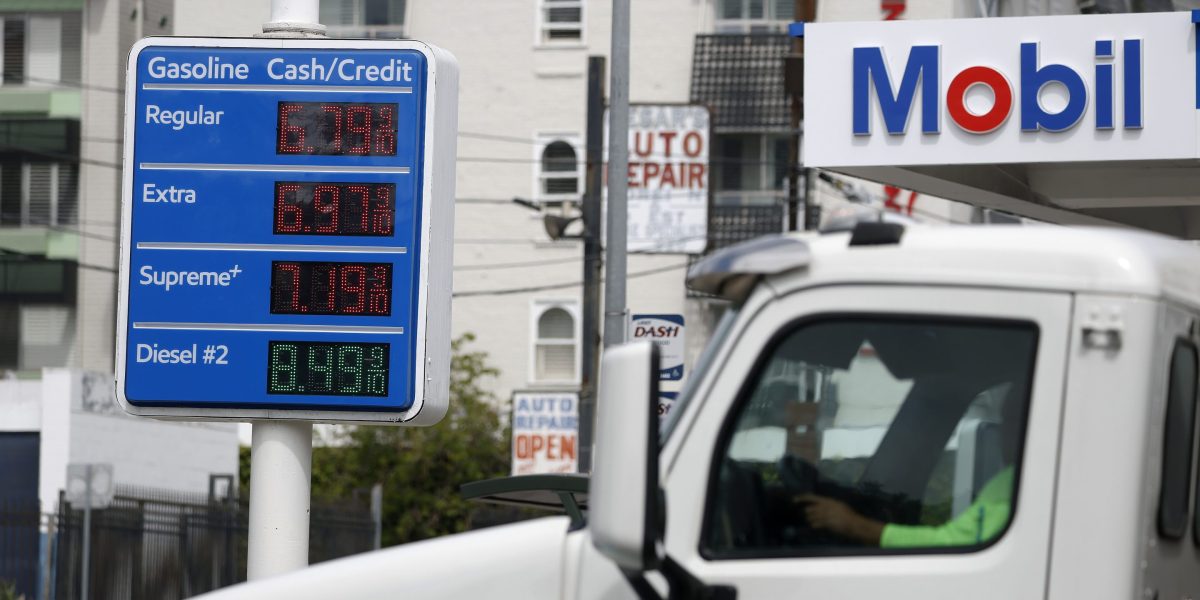
On Friday, Trump said he will scrap tariffs on beef, coffee, tropical fruits and a range of other commodities, even after insisting that his duties haven't raised prices. Given that imported food makes up just 10% of what U.S. households consume, the tariff rollback's impact on inflation is a "practically a rounding error," wrote Bernard Yaros, lead U.S. economist at Oxford Economics, in a note on Friday. But they will have outsized effects beyond the economic data.
The use of conversational AI for customer service and sales is rapidly increasing, according to a new report from Twilio, which found 63% of organizations in either the final or complete stages of development, and 85% of consumers reporting interactions with an AI agent within the past three months. The report, "Inside the Conversational AI Revolution" (no registration required), also found that 99% of organizations anticipate their conversational AI strategy will change in the next 12 months.
2025 has painted a daunting picture for the luxury watch industry. Swiss export growth is flat (-0.1% in H1 2025), raw material prices are soaring to record levels, and Swiss import tariffs from the US are threatening anticipated growth. At the same time, 36% of luxury watch consumers are concerned about the cost of living and inflation, meaning a high-spending audience may well be deterred by rising prices, while aspirational customers could be shut out of the market entirely.
The dollar index hovered near 99.6 on Monday, stabilizing as optimism grew that a deal could end the US government shutdown. As a result, the dollar found some support from a rise in Treasury yields across maturities, with the 10-year note moving close to 4.14%. New hopes could fuel risk appetite and drive investors away from treasuries. Senate Majority Leader John Thune said over the weekend that a bipartisan budget framework is taking shape, potentially reopening the government through January.
Brent Ridge , MD, cofounded Beekman 1802 in 2008 and has worked alongside Josh Kilmer-Purcell to lead the company ever since. Prior to his entrepreneurial career, Ridge was Vice President of Healthy Living at Martha Stewart Living Omnimedia. He also built a distinguished medical career as a specialist in geriatric medicine, completing a fellowship at Mount Sinai School of Medicine and joining the faculty there as an assistant professor.
Daniel Currell's guest essay in The New York Times shows how Walt Disney World Resort has evolved from an accessible "all-American vacation" to a luxury experience targeting high-net-worth households. Wealthy visitors can pay for premium passes that let them bypass lines; one tech executive quoted in the article experienced 16 attractions in seven hours. Meanwhile, Scarlett Cressel, a bus driver who could not afford to pay for special ride reservations and other perks, managed nine attractions over 14 hours.
US equities advanced as the S&P 500 and Nasdaq reached record levels, driven by hopes for Federal Reserve rate cuts and soft consumer price data.
"Overall, consumers are no longer bracing for the worst-case scenario for the economy feared in April, when President Trump announced his stunning set of worldwide tariffs. However, consumers continue to expect both inflation and unemployment to deter their spending decisions."
In times of uncertainty, brands can improve their customers' day-to-day by bringing moments of joy and meaning into their lives. What's more, they can also deepen those consumer connections by demonstrating alignment with customer values and aspirations for the future.
Procter & Gamble's decision to lay off up to 7,000 jobs, or about 6% of its workforce, reflects its struggles with rising tariff-related costs and changing consumer sentiments.